The Perpetual Prototype: A Culture of R&D in Live Event Technology
The Space Between the Song and the Spectacle
In the world of live events, the distance between a creative vision and its technical execution can feel infinite. An artist imagines a stadium breathing with light. A brand envisions its message not just seen, but felt by thousands. A producer dreams of a moment of pure, unadulterated unity. Bridging that gap is the quiet, relentless work of research and development—a discipline that lives in the liminal space between the napkin sketch and the standing ovation.
Innovation isn't a lightning strike. It’s a process. It’s a culture. For a technology brand operating at the sharp end of live production, the R&D engine isn't a department tucked away in a back room; it is the company's beating heart. It’s a perpetual state of prototyping, where every product is a living document and every event is a source of new data, new challenges, and new inspiration.
The Genesis of an Idea
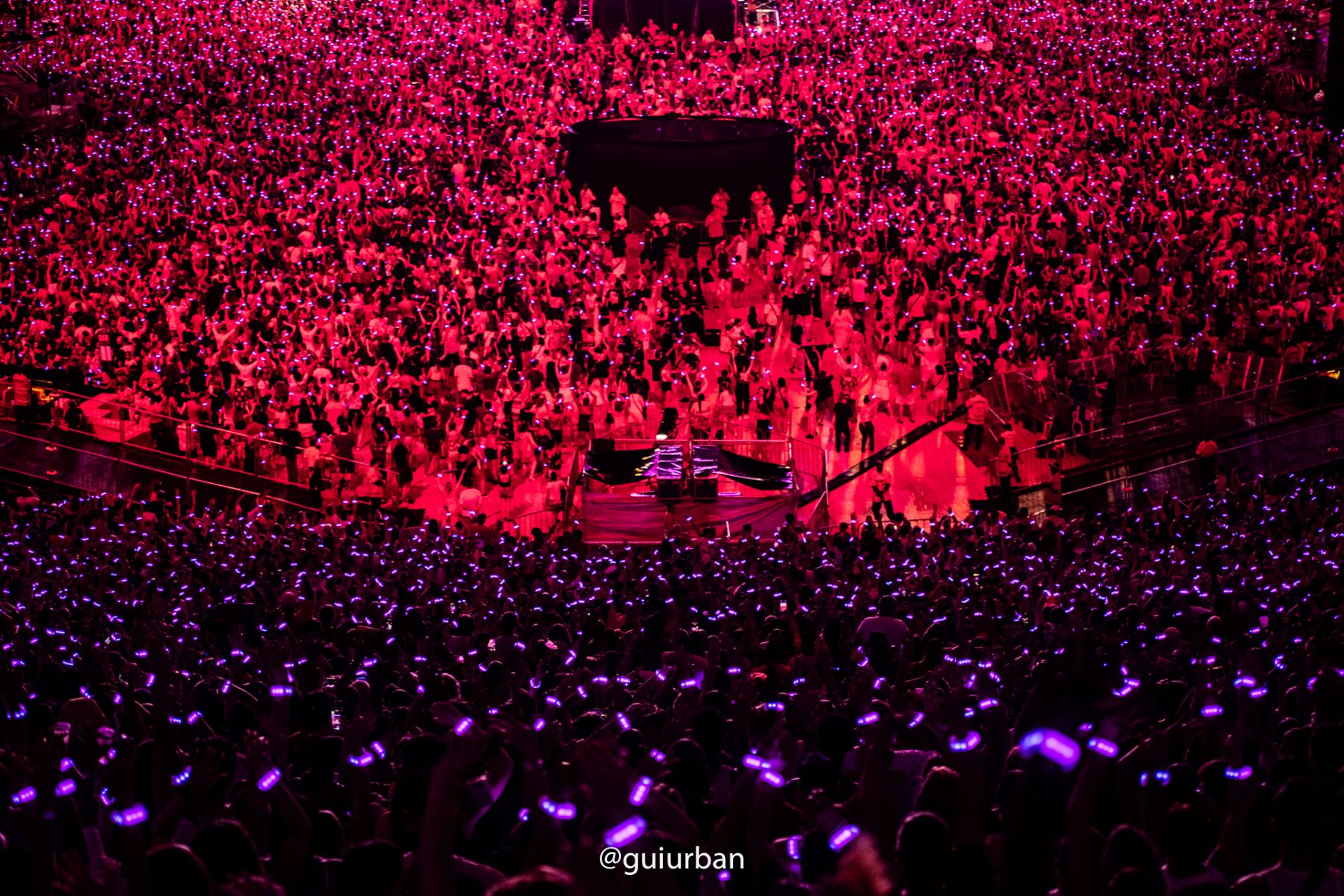
Every innovation begins with a "why." For Xylobands, that moment is foundational to our story. Our director, Jason Regler, watching Coldplay perform "Fix You" at Glastonbury Festival, was struck by the lyric, "Lights will guide you home." He envisioned the audience itself becoming the light—a unified, sentient canvas. This wasn’t a desire to invent a product; it was a desire to solve an emotional equation. The how—the development of Radio Controlled LED Wristbands—came later. That initial spark, the Coldplay Xylo Band phenomenon, established a core principle: our R&D is driven by the pursuit of deeper human connection.
This philosophy guides us today. The work isn't about creating gadgets for their own sake. It's about asking: How can we make the spectacle more immersive? How can we give artists a new instrument to play—the crowd itself? How can we make 50,000 strangers feel like one? The answers to these questions are found not only in the lab but in the field.
From the Clean Room to the Crowd
The journey of an idea from concept to global deployment is a gantlet of iteration, testing, and refinement. It’s a process that moves from the controlled environment of the workshop to the chaotic reality of a live show.
1. The Spark and the Schematics
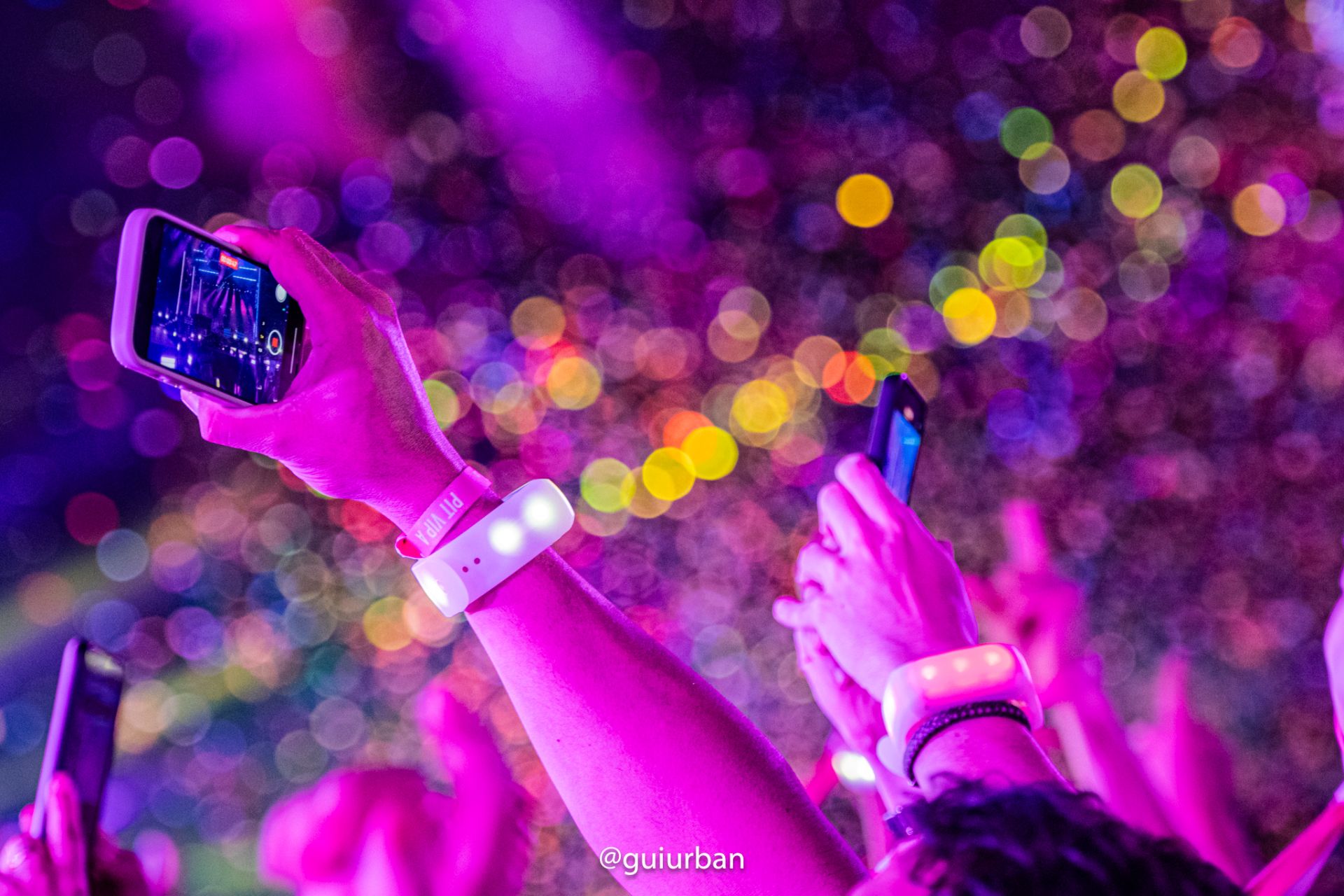
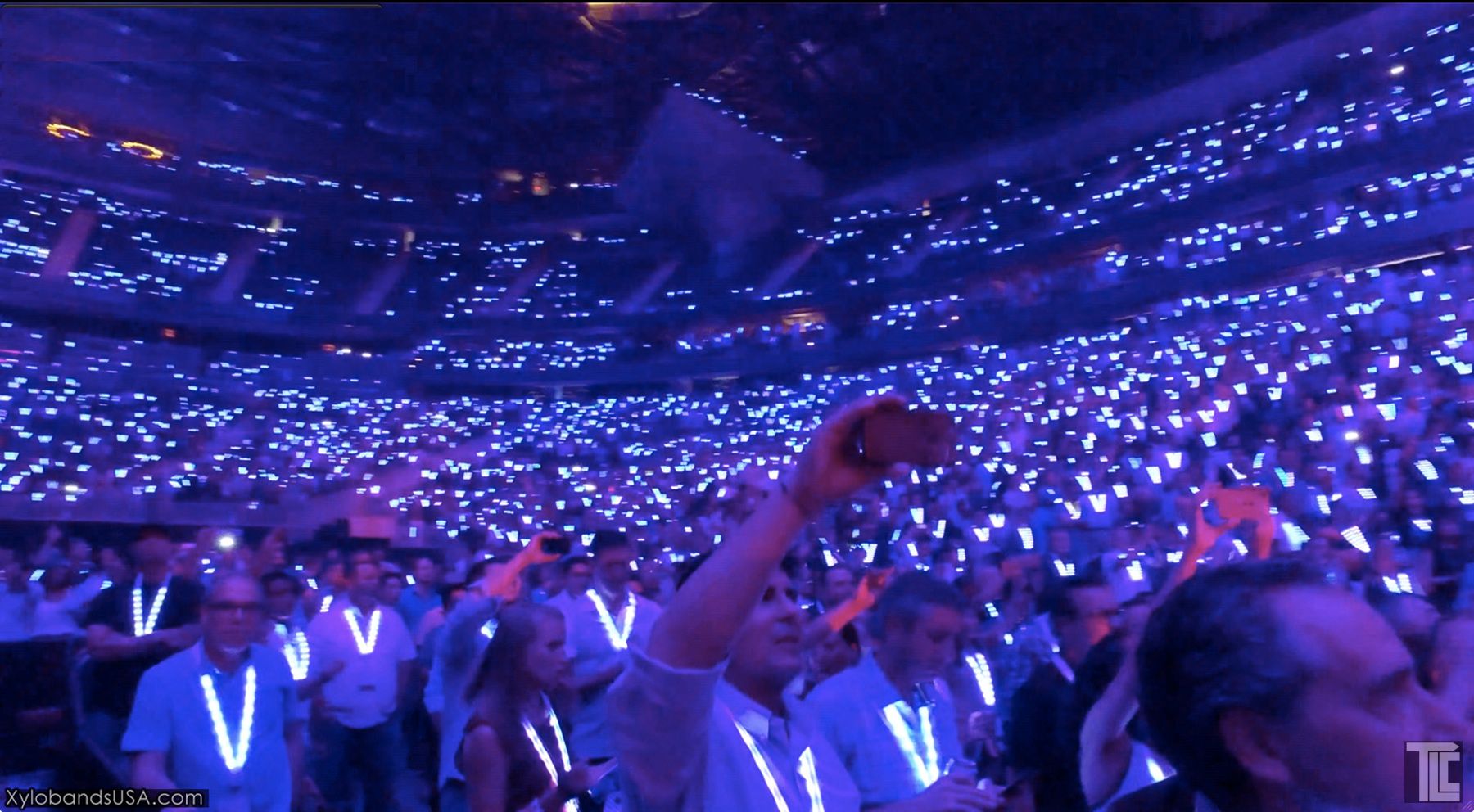
An idea can come from anywhere: a tour manager’s “what if” question, an observation from our on-site technicians, or a breakthrough in component technology. The initial phase is about translation—turning a creative need into a technical blueprint. This could be a demand for brighter output, longer battery life for multi-day Festival Wristbands, or an entirely new form factor, like the custom LED Lanyards we created for the Formula 1 75th Anniversary event. This is where we design, 3D print prototypes, and write the first lines of control code.
2. The Stress Test
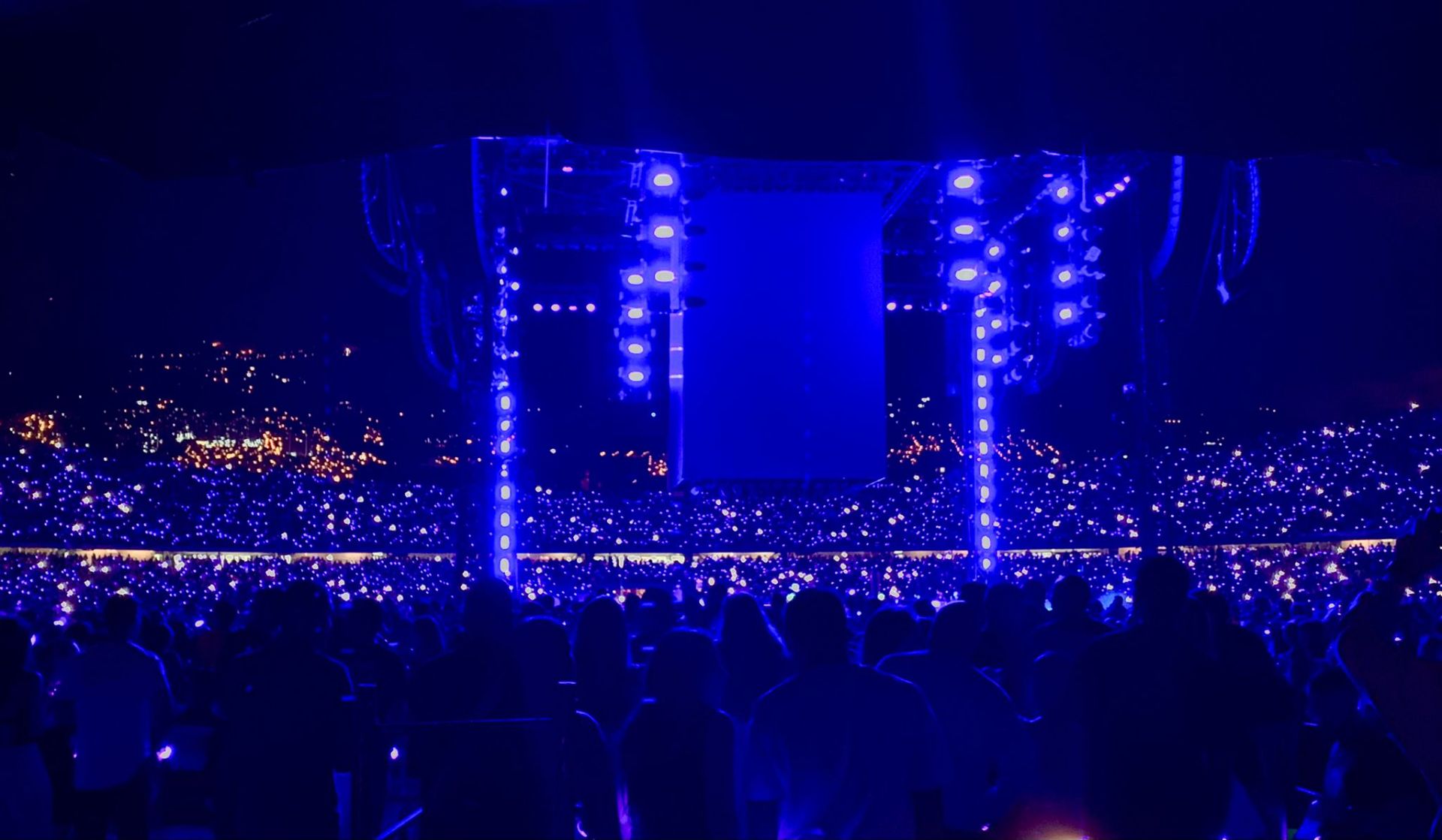
A prototype that works perfectly in the lab is only a starting point. The real test is subjecting it to the rigors of the road. This means extreme temperature tests, drop tests, battery drain analysis, and, most importantly, signal integrity tests. Our reputation for creating bulletproof LED Crowd Experiences is forged here. For a high-stakes live broadcast with a client like ITV or the BBC, there is no room for error. The signal must be flawless, whether it’s in a television studio or a packed stadium holding 54,000 fans for a Maluma concert. We simulate these dense RF environments to ensure our technology performs reliably every single time.
3. The Real-World Feedback Loop
The final, and most crucial, stage of R&D happens on-site. Our technicians and logistics experts who deploy our LED Event Technology globally are an integral part of the innovation process. They are the ones who see how flight cases hold up after a multi-leg tour. They understand the time pressures of load-in at a festival like Primer in Greece. They provide the invaluable, ground-truth feedback that allows us to refine everything from the wristband clasp to the software interface on our control systems. This symbiotic relationship between our road crew and our engineers ensures that our innovation is always practical, scalable, and built for the real world.
The Perpetual Prototype in Action
The original Xyloband is a perfect example of this philosophy. While it established the category of Wearable LED Technology for mass audiences, it was never a finished product. It was simply Version 1.0.
From the original Mk1 wristband used on the Mylo Xyloto tour to the multi-day, recyclable, and brighter versions used today, the product is in a state of constant evolution. We’ve introduced different form factors, like our new LED Orbs and pendants. We’ve developed sophisticated recycling and refurbishment programs to build a more sustainable model. We have relentlessly improved our software to give designers more granular control, allowing for the creation of ever-more complex and breathtaking visual symphonies. Each iteration is a direct response to the evolving needs of artists, producers, and the environment.
A Culture of Questioning
Ultimately, a successful R&D engine is built on culture, not just capability. It’s about fostering an environment where every member of the team feels empowered to ask "why" and "what if." It’s about celebrating the elegant solution and learning from the failed experiment. It’s about understanding that the next great leap in Immersive Event Technology might not come from an engineer, but from a logistics manager who finds a better way to pack a crate.
The future of Immersive Events will be defined by the seamless integration of technology and human experience. It will be about creating deeper moments of connection and crafting spectacles that are more personal, more intelligent, and more sustainable. Powering that future is the unseen engine of R&D—a perpetual, iterative process of questioning, testing, and refining that turns a simple spark of light into a universal language.