A Different Algorithm: How Dyslexic Minds Architect Immersive Experiences
The Standard Operating System
In the worlds of business, technology, and creative production, there’s a long-held archetype for the successful leader. It’s a vision of linear thought, of meticulous, granular planning, and of communication styles that fit neatly into spreadsheets and executive summaries. This is the standard operating system — reliable, predictable, and powerful. But it is not the only one. The most profound breakthroughs, the ideas that rewrite industries, often originate from a completely different kind of processing — one that sees the world not in lines, but in systems; not in isolated data points, but in overarching patterns.
This is the world of the neurodivergent mind, and specifically, the dyslexic mind. Long misunderstood and narrowly defined as a learning difficulty, we now understand dyslexia as a different mode of cognitive processing. It’s a brain wired for big-picture thinking, for spatial reasoning, and for connecting seemingly disparate concepts into a cohesive, functional whole. In the structured, text-based confines of a traditional classroom, these strengths can be obscured. But in the fluid, dynamic, and multidimensional world of live event production, they become a profound strategic advantage.
The Architecture of Atmosphere
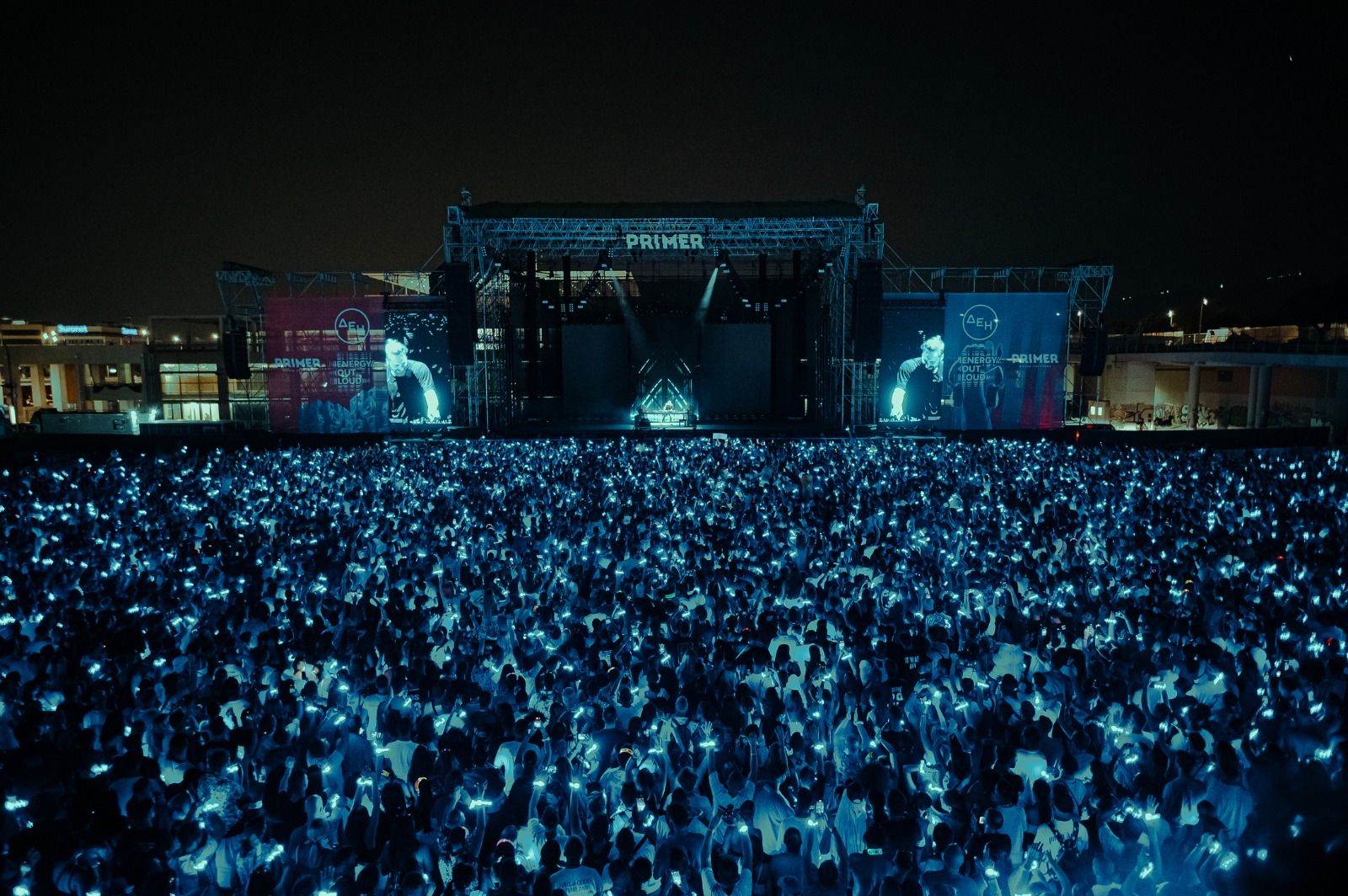
Consider the challenge of creating truly immersive events. The goal is to build a temporary universe, a self-contained reality where thousands, or even tens of thousands, of individuals feel a sense of collective connection. This isn’t simply a matter of logistics; it’s an act of architectural and psychological alchemy. It requires a leader who can mentally model a complex, living system — one where light, sound, performance, and human emotion all interact in real time.
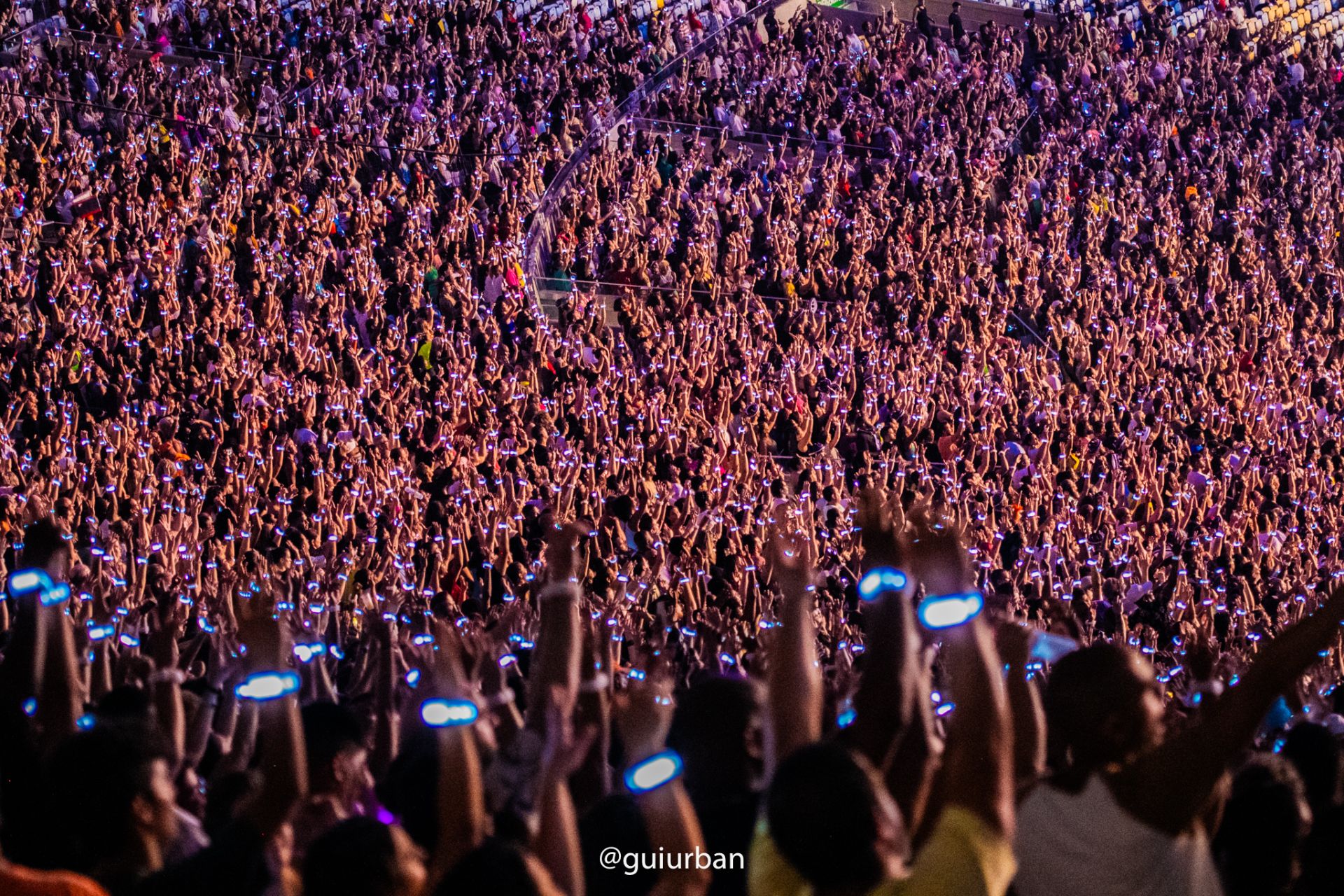
It demands the ability to zoom out and see the entire stadium as a single canvas, then zoom in to orchestrate the journey of a single attendee. This is not linear planning. This is holistic design. It’s the ability to see the hidden patterns in crowd dynamics, the invisible pathways of energy, and the architectural potential of an open space. Creating powerful LED crowd experiences is less about placing lights and more about conducting emotion—a task perfectly suited to a mind that naturally thinks in 3D systems rather than 2D lists.
The Glastonbury Spark
This intersection of dyslexic thinking and experiential design isn’t theoretical. It’s the very origin story of Xylobands. Our founder, Jason Regler, is dyslexic. His journey is a powerful case study in how this cognitive difference can fuel world-changing innovation. The pivotal moment came, famously, during a Coldplay performance at Glastonbury Festival. As the band played ‘Fix You’ and the lyrics “Lights will guide you home” washed over the massive crowd, lighters and early mobile phones were held aloft, creating a scattered, flickering constellation.
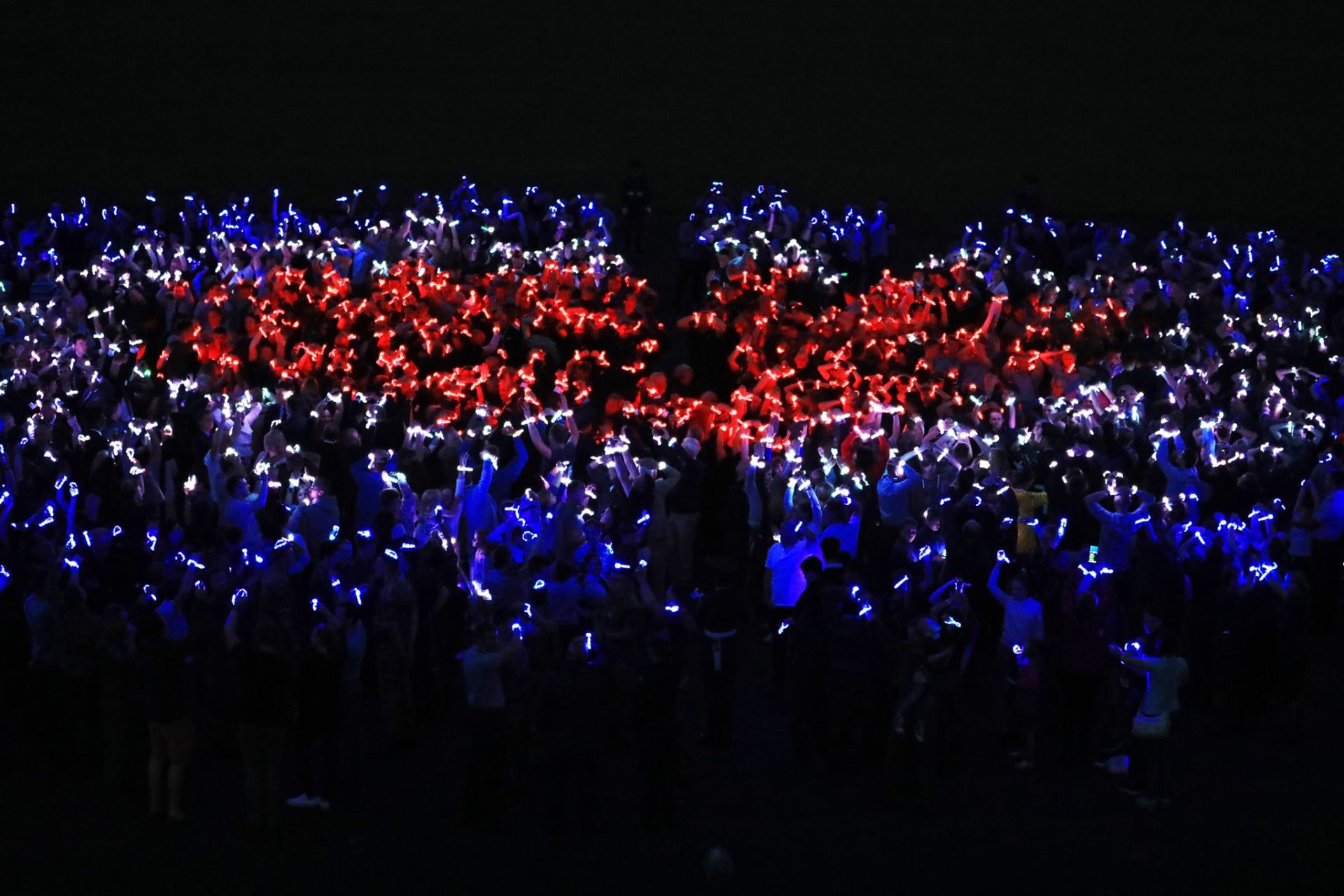
Where most saw a beautiful but disconnected moment, Jason’s pattern-finding mind saw something else entirely. He saw a system waiting to be born. He didn’t just see individual lights; he saw a potential network, a synchronized sea of color and emotion that could unite every single person into one collective, breathing entity.
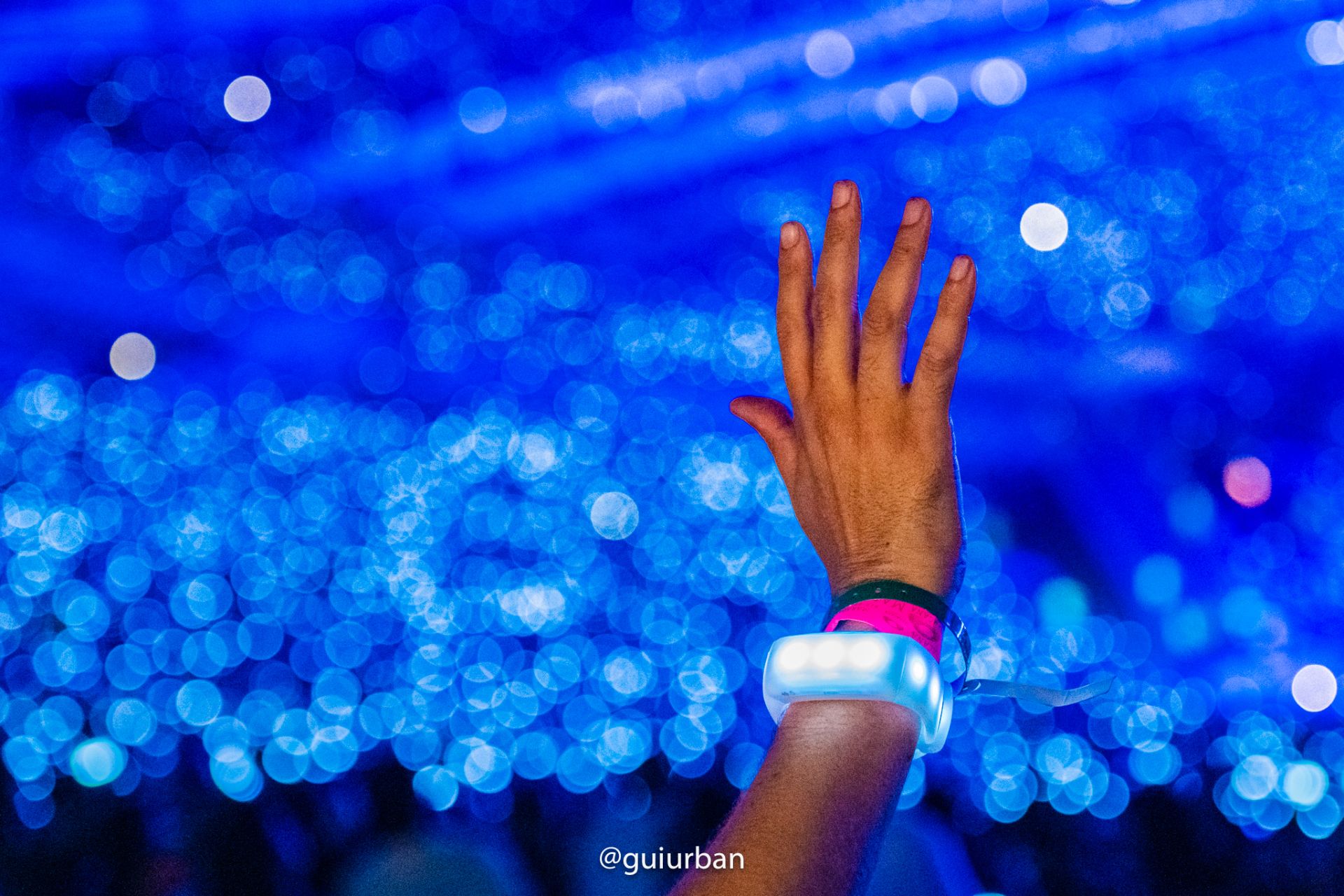
This wasn’t an incremental improvement on an existing idea. This was a conceptual leap, born from a mind that could instinctively grasp the whole picture and see the missing connections. The vision for what would become Xylobands — and later, the entire field of radio controlled LED wristbands — was a feat of systems thinking. It was about creating a technology that could serve a grander artistic and emotional purpose, transforming a passive audience into an active part of the spectacle itself. The Coldplay Xyloband has since become iconic, but its genesis was a perfect storm of music, moment, and a mind that processed the world differently.
From Vision to Global Scale
The initial idea was one thing; executing it is another. Architecting the technology and the global logistics to bring this vision to life requires that same holistic perspective, but on an industrial scale. Deploying and controlling hundreds of thousands of pieces of wearable LED technology at events for clients like Formula One, Maluma, or at massive festivals requires a constant, fluid understanding of the entire operational ecosystem. It’s a three-dimensional puzzle of RF transmission, battery life, distribution logistics, and creative programming.
You need to be able to visualize the signal flow in a stadium, anticipate the human element of distribution and collection, and collaborate with creative teams to translate their vision into precise, synchronized light cues. From custom LED wristbands for corporate event activations to intelligent LED Lanyards at major sporting events, the underlying challenge is the same: managing a complex, dynamic system to deliver a simple, powerful human experience.
A Different Kind of Intelligence
The story of dyslexia in business is a story of a hidden advantage. It’s a reminder that the minds that will solve the most complex creative and logistical challenges are often the ones that don't follow a linear path. They wander, they connect, they build sprawling mental maps, and they see the elegant, overarching patterns that others miss.
In the high-stakes, high-complexity world of modern live production, this is more than just a creative asset; it’s a form of genius. It’s the ability to look at an empty arena and see a living, breathing light show. It’s the engine that powers the next generation of immersive event technology, proving that sometimes, the most powerful algorithm is the one that’s wired differently from the start.