A Light for All: How Immersive Technology is Forging More Inclusive Events
The Widening Aperture of the Live Experience
The core magic of a live event is alchemy—the transformation of thousands of individuals into a single, breathing entity. It’s a moment of profound connection, forged in shared sound and light. But what if the very tools we use to create this unity inadvertently exclude a portion of the audience? For too long, “accessibility” in live events has been a conversation limited to physical infrastructure: ramps, accessible seating, and clear pathways. These are, and will always be, critically important. Yet, a truly inclusive event requires a wider aperture.
We must look beyond the physical to the experiential, designing for the full spectrum of human sensory and cognitive diversity. This means crafting environments that are welcoming not just for those with mobility challenges, but for neurodivergent fans, individuals with sensory sensitivities, PTSD, or anxiety. The paradox is that in designing for what is often considered the “edge cases,” we unlock a more profound and powerful experience for everyone. This isn’t about dilution; it’s about a more thoughtful and universal form of design.
Beyond Physical Access: The Sensory Spectrum
A typical large-scale event can be a sensory minefield. Thundering PA systems, unpredictable, chaotic crowd surges, and intense, strobing lights can be overwhelming and exclusionary for a significant part of the population. For someone on the autism spectrum, or even just a person prone to sensory overload, the environment itself can become a barrier to the very connection the event promises to deliver.
Inclusive design challenges us to rethink these elements not as immutable features, but as variables that can be controlled and sculpted. The goal is not to eliminate excitement but to offer moments of modulation and sensory clarity. It’s a shift from a one-size-fits-all sensory assault to a dynamic, responsive environment. This is where Immersive Event Technology begins to play a pivotal role, giving producers the tools to create layered, multi-sensory Immersive Events that offer different levels of engagement.
Light as a Unifying Language, Not a Barrier
Light is perhaps the most powerful tool in a show designer’s arsenal, but it is a double-edged sword. While a barrage of strobes and lasers can create peaks of intensity, it can also be jarring, disorienting, and physically uncomfortable for many. What if light could be a language of inclusion rather than a wall of sensory noise?
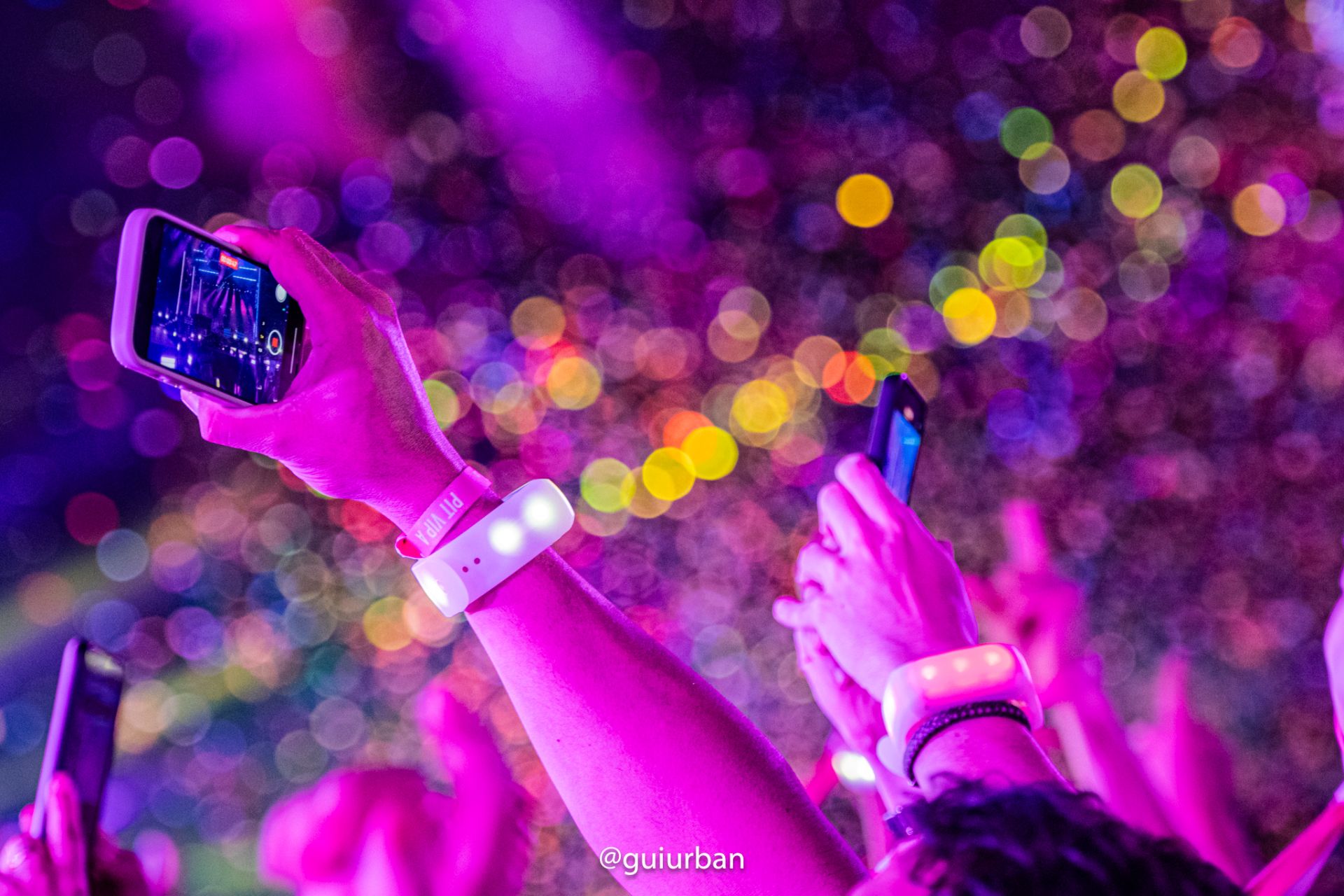
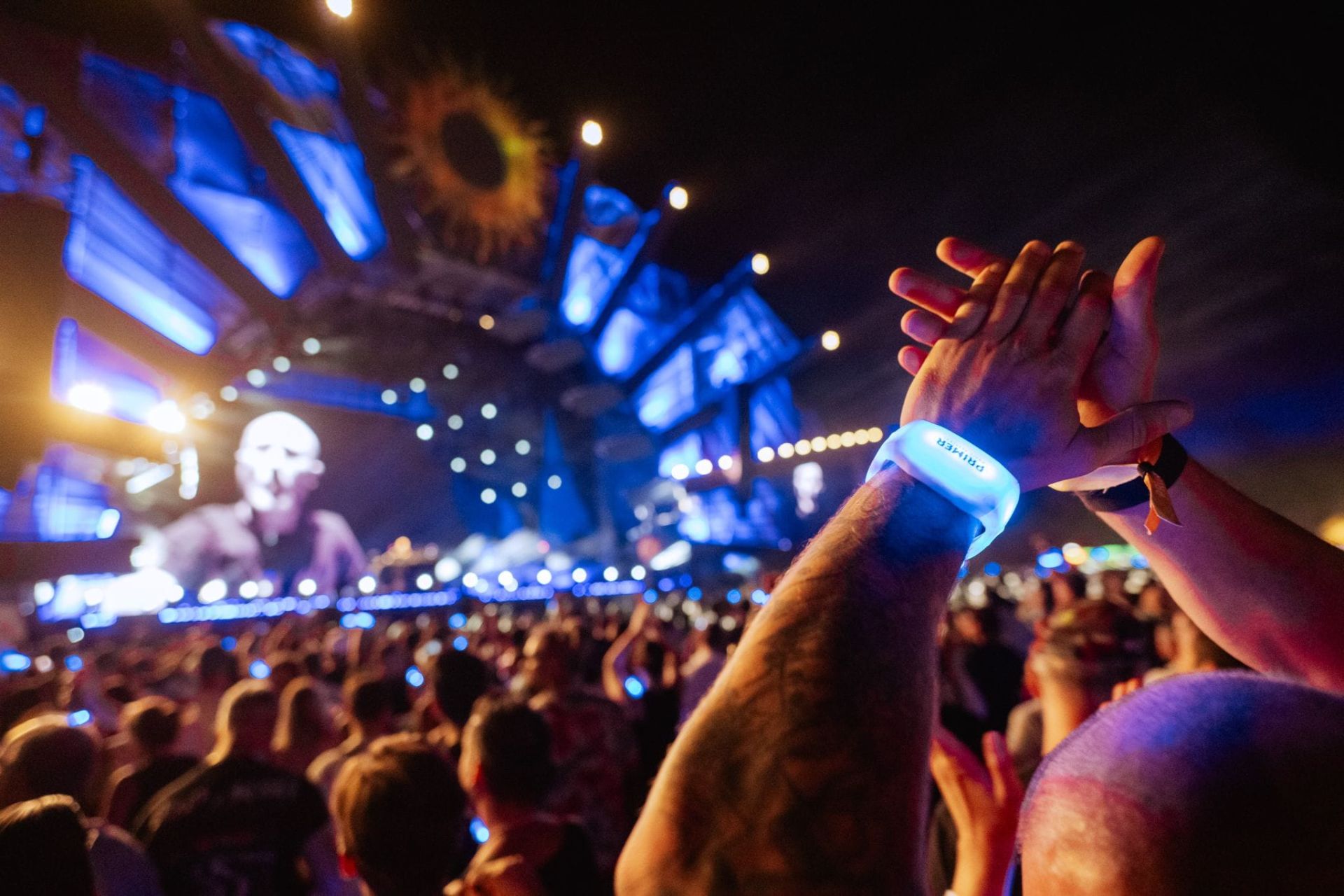
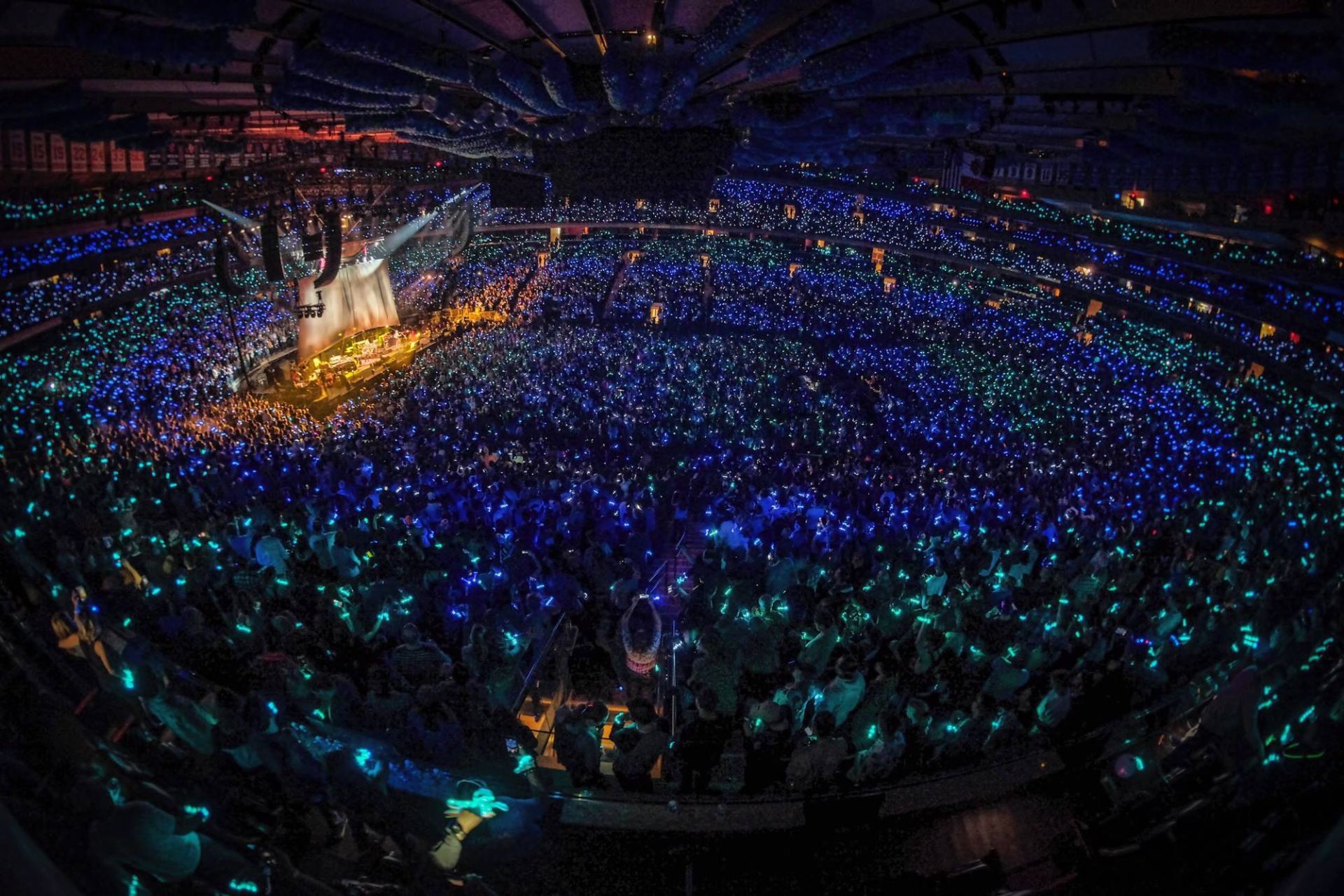
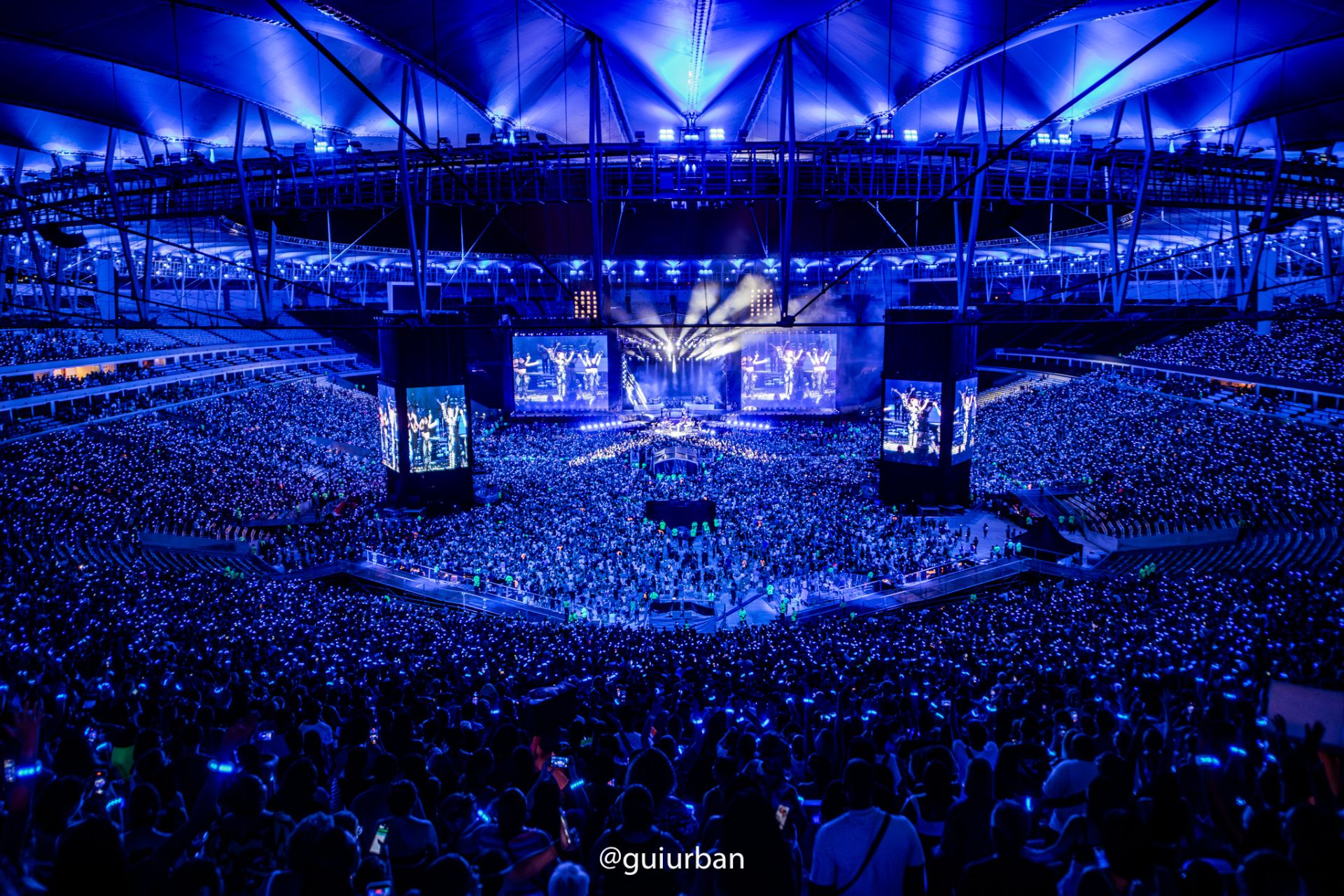
This is the principle behind the mass adoption of Wearable LED Technology. When every audience member wears a light source—be it one of our own Xylobands or a custom pendant—the dynamic of control shifts. Instead of projecting light *at* an audience, we can generate light *from within* it. This fundamentally changes the sensory equation. A slow, gentle pulse of a single color washing over 80,000 people creates a powerful moment of unity without the aggression of a strobe. A soft fade between hues can guide the emotional arc of a performance with a subtlety that traditional lighting cannot match.
These Radio Controlled LED Wristbands turn the audience into a living canvas, but one that can be painted with extraordinarily nuanced strokes. This creates shared LED Crowd Experiences that are inclusive by nature. A fan who finds strobes distressing can still be fully immersed in a visual spectacle that is gentle, synchronous, and breathtaking. This technology provides a universal, non-verbal language that connects every single person, transforming a collection of spectators into a unified whole.
The ‘Curb-Cut Effect’ in Event Production
In urban design, the ‘curb-cut effect’ is a well-documented phenomenon. Curb cuts were initially mandated to allow wheelchair users to safely cross streets. It was an accessibility measure. But they ended up benefiting a far wider group: parents with strollers, workers with dollies, travelers with rolling luggage, and runners. The innovation designed for the few made the environment better for the many.
The same principle applies to live events. When we design for a broader range of sensory needs, the entire audience benefits.
- Sensory Zones: Creating designated "quiet zones" or areas with lower sensory input isn't just for those who are overwhelmed. It offers *any* fan a place to reset and recharge, extending their stamina and enjoyment of a long festival day.
- Clear Wayfinding: Employing tools like LED Lanyards for staff or tiered access not only streamlines security but can incorporate clear visual cues. Using color-coded pulses to guide attendees toward exists or amenities at the end of a show reduces cognitive load and anxiety for everyone navigating a dense, dark arena—not just those who find such situations challenging.
- Controlled Immersion: Using LED Event Technology to signal transitions—a gentle blue fade to signal a quiet moment, a vibrant animation for an encore—provides predictive cues that help everyone feel more grounded and present in the experience. It reduces the element of surprise that can be jarring for some, while building anticipation for all.
From stadium sports at the Davis Cup to high-energy music festivals like Primer, these principles enhance the baseline experience for every ticket holder.
A More Connected Collective
The ultimate goal of any great event, from a global music tour to high-stakes Corporate Event Activations, is to make people feel part of something larger than themselves. True inclusivity is the key that unlocks the most potent form of this collective effervescence. It requires us to expand our definition of accessibility beyond compliance and into the realm of artistry and empathy.
By embracing a philosophy of universal design, we are not sanding down the edges of the live experience. On the contrary, we are honing it. We are making it more resonant, more intentional, and more powerful. Immersive technologies like Concert Wristbands and even LED Orbs give us an unprecedented toolkit to build these experiences. When a sea of lights pulses in perfect time, it doesn’t matter who you are, what your sensory thresholds may be, or how you experience the world—in that moment, you are one. You are part of the light. And that is a future worth designing for.