The Second Act: A New Design Philosophy for Sustainable Event Technology
The Ephemeral and the Enduring
A live event is a unique concentration of energy. It exists for a few hours, etched into memory and digital media, and then it is gone. The stage is struck, the lights are packed away, and the crowd disperses. This transient magic is the very essence of our industry. Yet, beneath the surface of this fleeting brilliance lies a more permanent and challenging reality: the physical footprint we leave behind.
For too long, the economics of live entertainment have favored the disposable. But as our industry matures and our understanding of global challenges deepens, a critical question emerges: How do we create profoundly immersive events without generating a mountain of waste? The answer isn’t found in compromise or diminished spectacle. It’s found in a smarter, more intentional design philosophy—one that engineers for a second act, a third, and a fourth, building a circular model for the technology that powers our most unforgettable moments.
Beyond the Throwaway Mindset
The traditional approach to many event components has been linear: produce, use, discard. This model is operationally simple, but environmentally costly. To evolve, we must fundamentally shift our perspective on the relationship between an object, an event, and an audience member. We must move from a model of consumption to one of temporary custodianship.
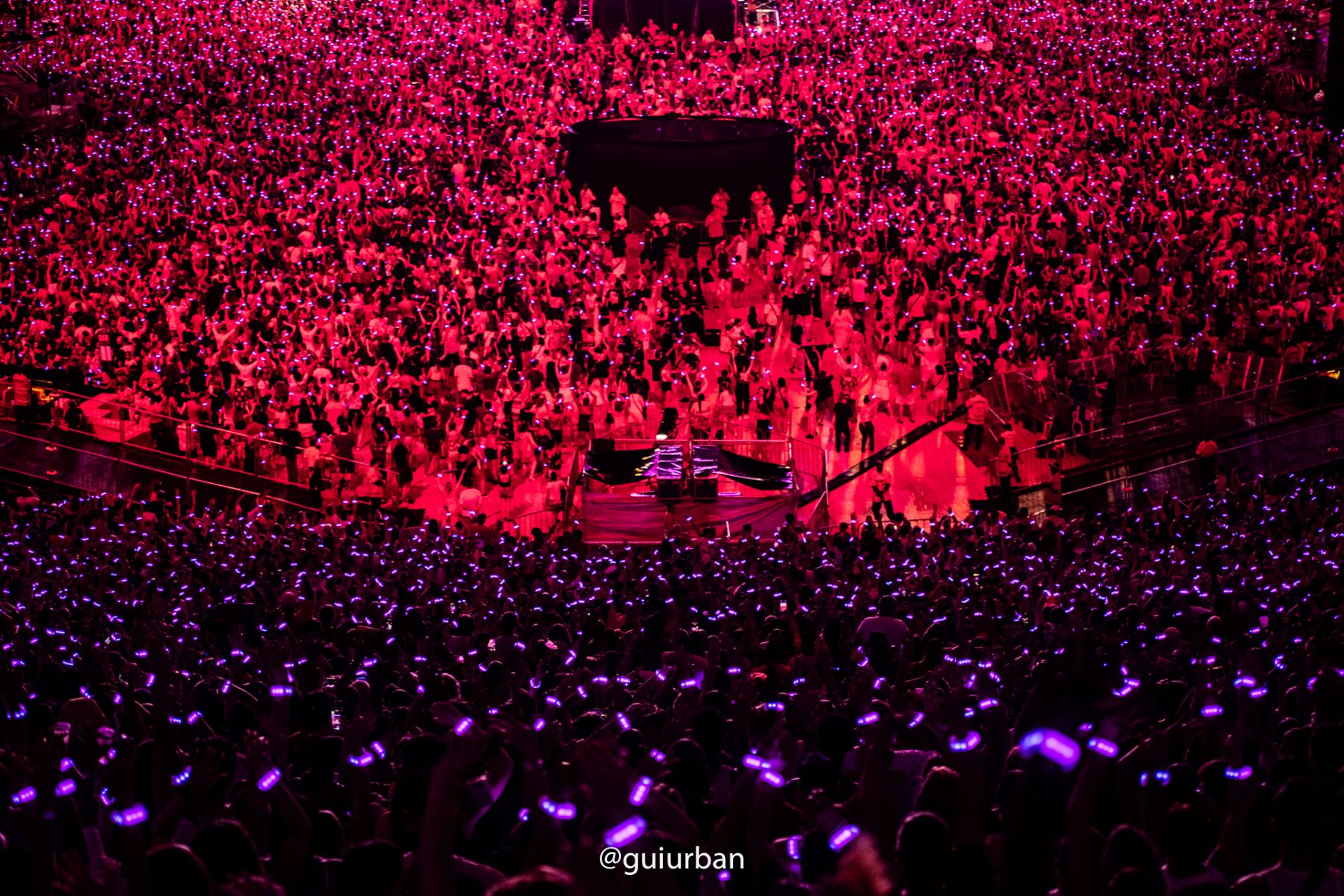
This requires a significant investment in both engineering and logistics. The challenge is to create **Wearable LED Technology** that is not only powerful and visually stunning but also robust enough to withstand the rigors of multiple events—from the energy of a sold-out stadium concert to the intricate needs of a broadcast studio. It means designing products not for a single explosive moment, but for a long and useful life. This is the foundational principle of a truly sustainable approach to **Immersive Event Technology**.
Engineered for the Full Lifecycle: The Case for Reuse
A circular model is more than just a durable product; it’s an entire ecosystem built around retrieval, refurbishment, and redeployment. This is where abstract goals meet technical reality. Designing for the full lifecycle means considering every step of the journey.
First, durability is paramount. The internal electronics, the RF receivers, and the casings of **LED Bands** must be engineered for longevity. Then comes the crucial, often-overlooked stage: the system of return. This involves clear collection points, trained local crews, and efficient processes for sorting and packing. Once returned, every single unit undergoes a meticulous refurbishment process: sanitation, battery-life testing, and diagnostic checks to ensure it’s ready for the next show.
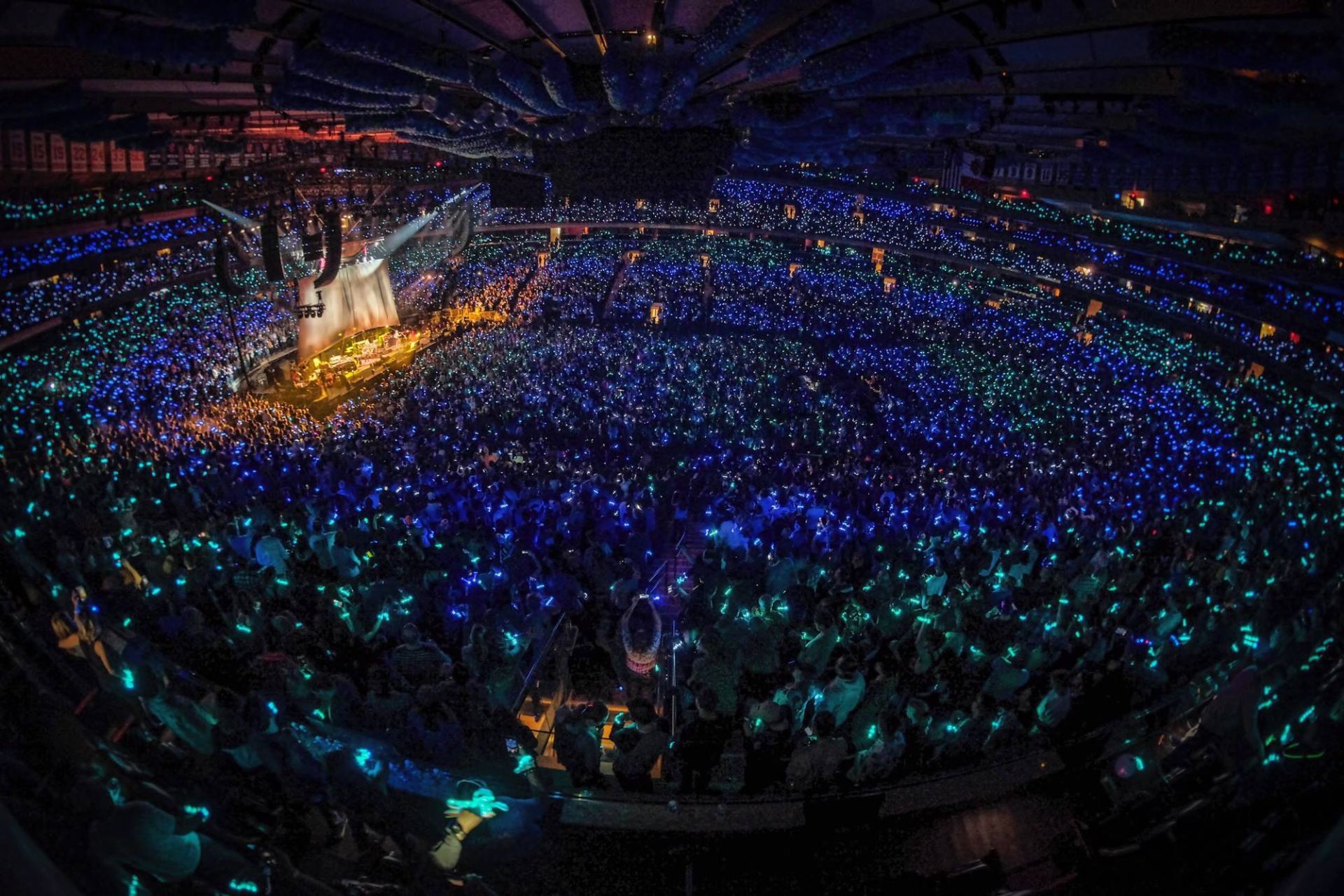
This isn’t just a theoretical model; it’s a proven, road-tested system. When Wizkid made history with three sold-out nights at London’s O2 Arena for his Made in Lagos tour, our team was there. For all three performances, 32,000 **Xylo Bands** were used, collected, and reused, with units topped up as needed. The result was a staggering visual spectacle, night after night, delivered through a system designed for minimal waste and maximum impact. It was proof that world-class **LED Experiences** and responsible production can, and must, go hand-in-hand.
The Producer’s Advantage: A Multi-Show Mindset
For tour managers, festival directors, and producers, this new philosophy offers more than just an ethical framework; it presents a clear operational and financial advantage. Adopting a reusable system for **Concert Wristbands** or **Festival Wristbands** transforms a recurring expense into a long-term asset.
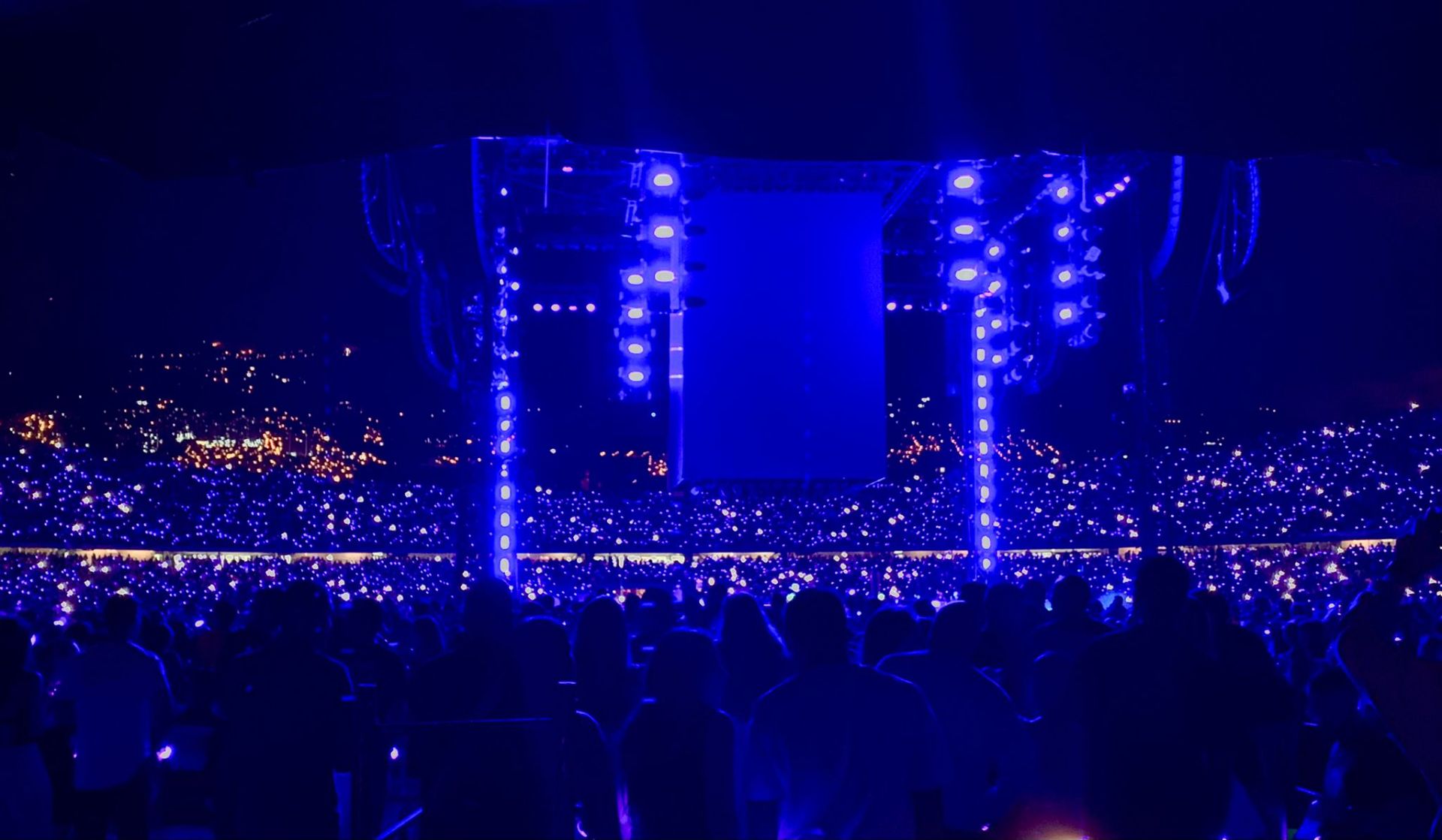
The upfront investment in a bank of reusable wristbands can significantly lower the per-show cost over the course of a multi-date tour or a multi-year festival like PRIMER in Greece. It streamlines logistics, creating a predictable, reliable system for deploying high-impact crowd lighting. It also sends a powerful message to artists, partners, and audiences—a commitment to innovation that is both creative and conscientious. This is the future of large-scale **Corporate Event Activations** and global music tours alike.
Desirability and the Circular Path
A key variable in any reuse system is human behavior. The success of a circular model often depends on the audience’s willingness to return the technology at the end of the night. While efficient collection systems are vital, another powerful tool is desirability.
When an item feels valuable, it is treated with more care. By creating **Custom LED Wristbands** or **LED Lanyards** that are beautifully branded and integral to the show’s narrative, they cease to feel disposable. Consider the recent 75th-anniversary celebration for Formula 1. We created a custom **Xylo Pendant** for the event, with unique branding for each team and hospitality level. This wasn’t just a piece of tech; it was a piece of memorabilia, a tangible connection to a landmark event. This sense of value and permanence intrinsically encourages more responsible handling and a higher rate of return, making the circular system more efficient.
The Second Act is Now
The future of **LED Crowd Experiences** is one of spectacular, shared moments powered by technology that is smarter, tougher, and more responsible. From the original **Coldplay Xylo Band** that started it all, the mission has been to deepen the connection between artist and audience. Today, that mission has expanded to include a deeper connection with, and responsibility to, our planet.
By championing a design philosophy rooted in durability, systematic reuse, and strategic desirability, we can continue to push the boundaries of what is possible in live events. We can build the unforgettable light shows and **Immersive Events** of tomorrow with hardware that is designed to last. The show is over, the crowd has gone home, but the technology is ready for its second act.