The Afterglow: A New Blueprint for Reusable Event Technology
The Roar, The Light, and The Aftermath
The roar of the crowd, the warmth of the lights, the final, perfect note hanging in the air — these are the moments that define live events. But in an industry built on grand, temporary spectacles, the question of “what happens after?” is becoming increasingly urgent. As event producers, tour managers, and brand marketers, we are the architects of these unforgettable experiences. We are also the custodians of their environmental footprint.
The traditional model of single-use materials and disposable spectacle is no longer tenable. Audiences, artists, and stakeholders are demanding a more conscious approach to production. The challenge is to deliver breathtaking, high-impact moments without incurring a heavy environmental cost. This isn’t a limitation; it’s a creative and technical challenge that calls for a new level of innovation in immersive event technology.
From Disposable to Deployable: The Circular Economy in Action
The concept of a circular economy — where resources are kept in use for as long as possible, extracting maximum value before being recovered and regenerated — feels tailor-made for the events industry. For technology providers, this means moving away from a linear “make, use, dispose” model and embracing a cyclical “design, deploy, recover, repeat” philosophy.
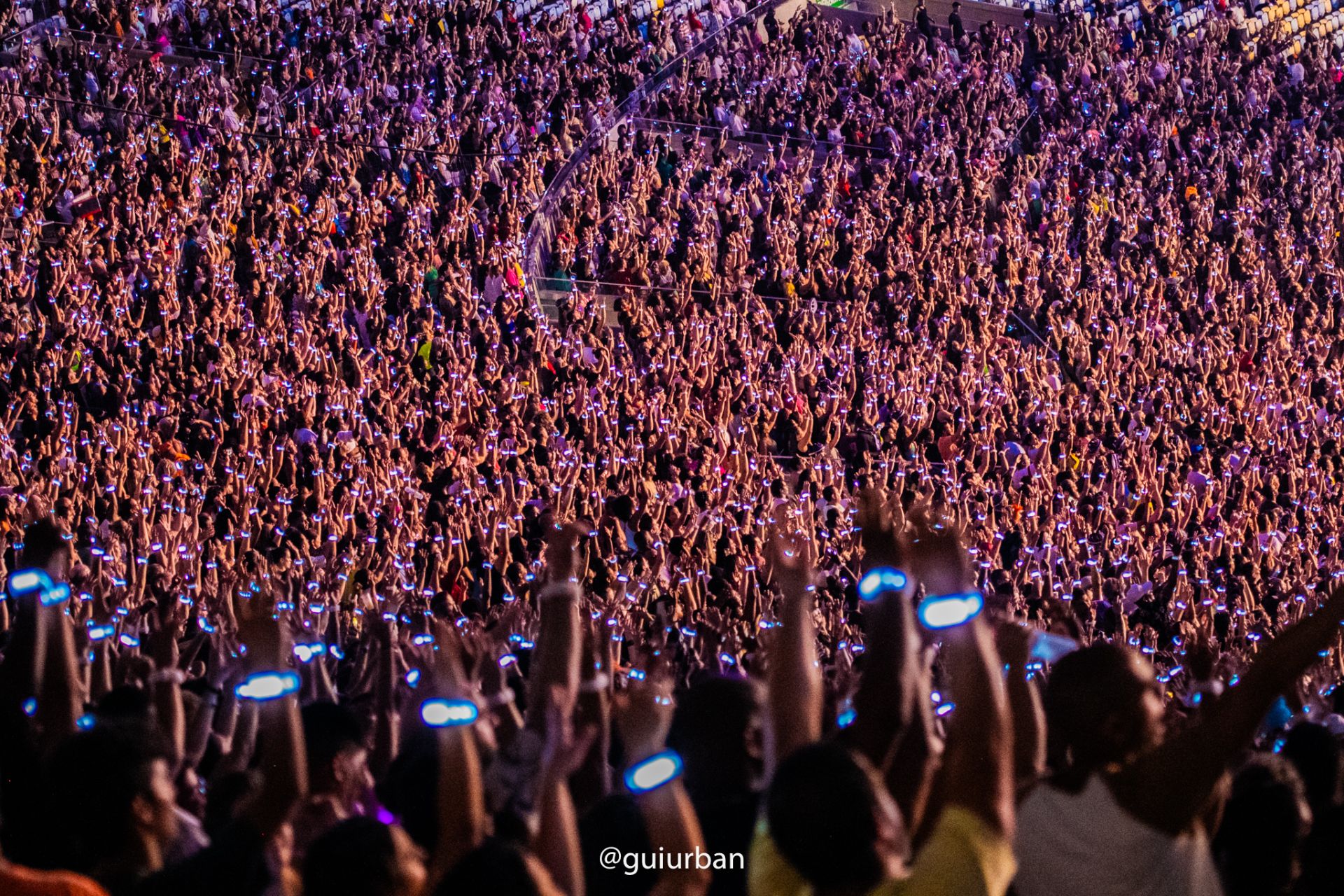
This is a principle we’ve put into practice for years. For Wizkid’s historic, three-night, sold-out run at London's O2 Arena, we deployed 32,000 of our LED wristbands. Critically, these units were collected, topped up, and reused across all three performances. This approach not only minimised waste but also ensured a consistent, high-quality experience for every audience member each night. The same robust system has been used for broadcast productions like Beat The Chasers UK, where the same set of wristbands can be used for an entire series of filming, demonstrating the durability and reusability of the core technology.
“True sustainability in event tech isn’t just about recyclable materials. It’s about designing for longevity, reusability, and responsible recovery from the very first sketch.”
The Technical Challenge of Reusability
Creating reusable wearable LED technology presents a unique set of engineering challenges. Unlike disposable items, these products must be built for durability and logistical efficiency.
- Robust Hardware: Devices must be designed to withstand the rigours of thousands of excited fans, night after night. This means durable casings, secure straps, and resilient electronic components that maintain performance integrity over multiple use cycles.
- Battery and Power Management: The ability to efficiently recharge or replace batteries is paramount. The system must be scalable, whether for a 500-person corporate event activation or a 50,000-seat stadium show.
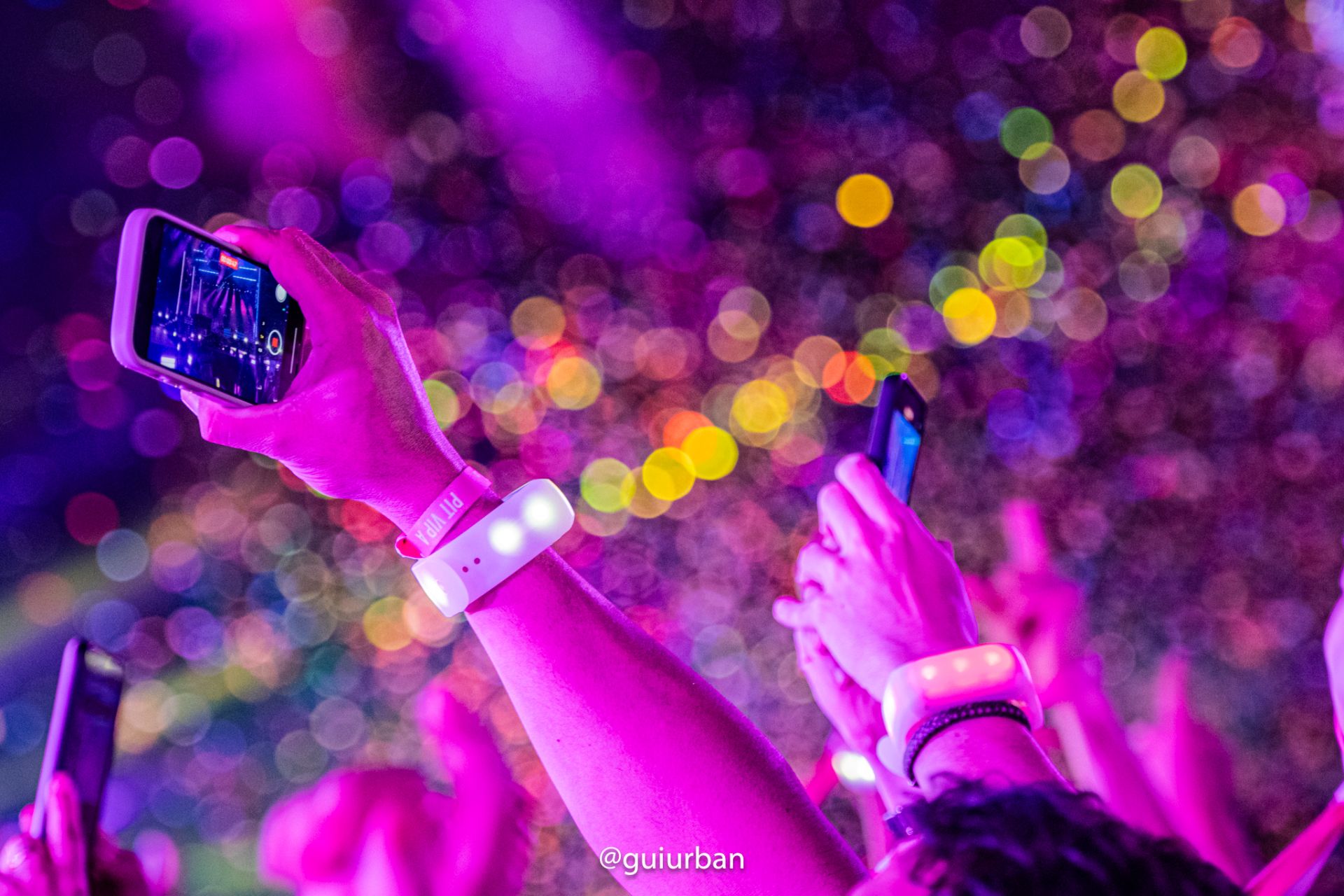
- Logistics of Recovery and Redeployment: Perhaps the most significant challenge is the "reverse logistics" of collecting, processing, and preparing the technology for its next deployment. This requires a sophisticated system for collection at venues, a centralised hub for cleaning and maintenance, and a rigorous testing protocol to ensure every single unit — whether it’s a wristband or one of our LED Lanyards — performs as if it were brand new.
This commitment to a circular model was central to our work with ITV, where our products are used across various shows. The ability to service, update, and redeploy the same core technology for different productions offers a powerful example of resource efficiency. It transforms a single-use expense into a long-term, sustainable asset.
Beyond Wristbands: A System-Wide Approach
A truly sustainable event model looks beyond individual components to the entire ecosystem of production. It’s about making smart, integrated choices that reduce waste at every stage.
Designing for Disassembly and Recycling
While reusability is the primary goal, responsible end-of-life management is a close second. When a Xyloband finally reaches the end of its long, operational life, it is designed for disassembly. Our dedicated recycling programme ensures that plastics, batteries, and circuit boards are separated and processed responsibly. This closed-loop approach is fundamental to minimising landfill waste and conserving raw materials. It turns what would be post-event trash into a resource for the future.
The Power of Data and Efficiency
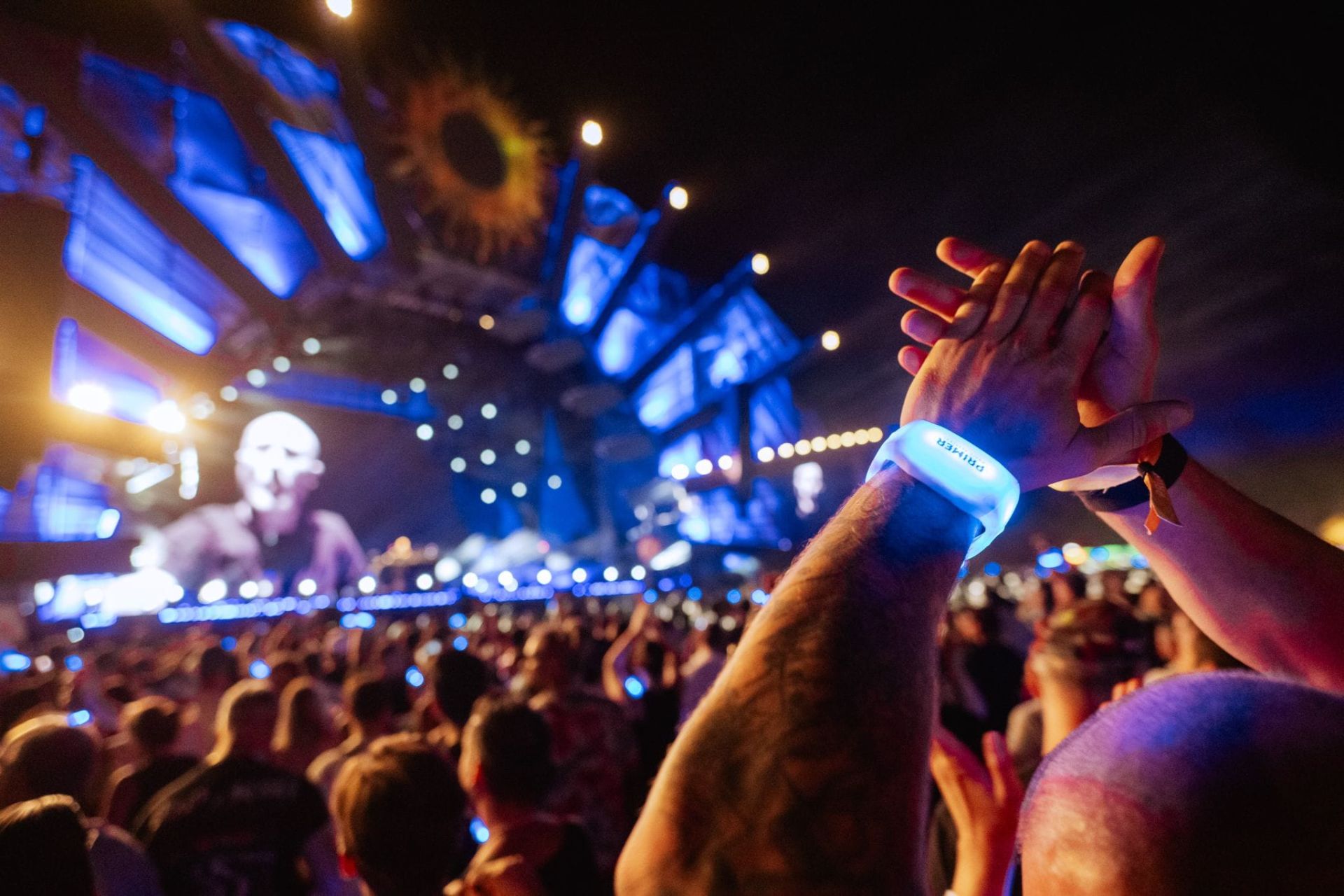
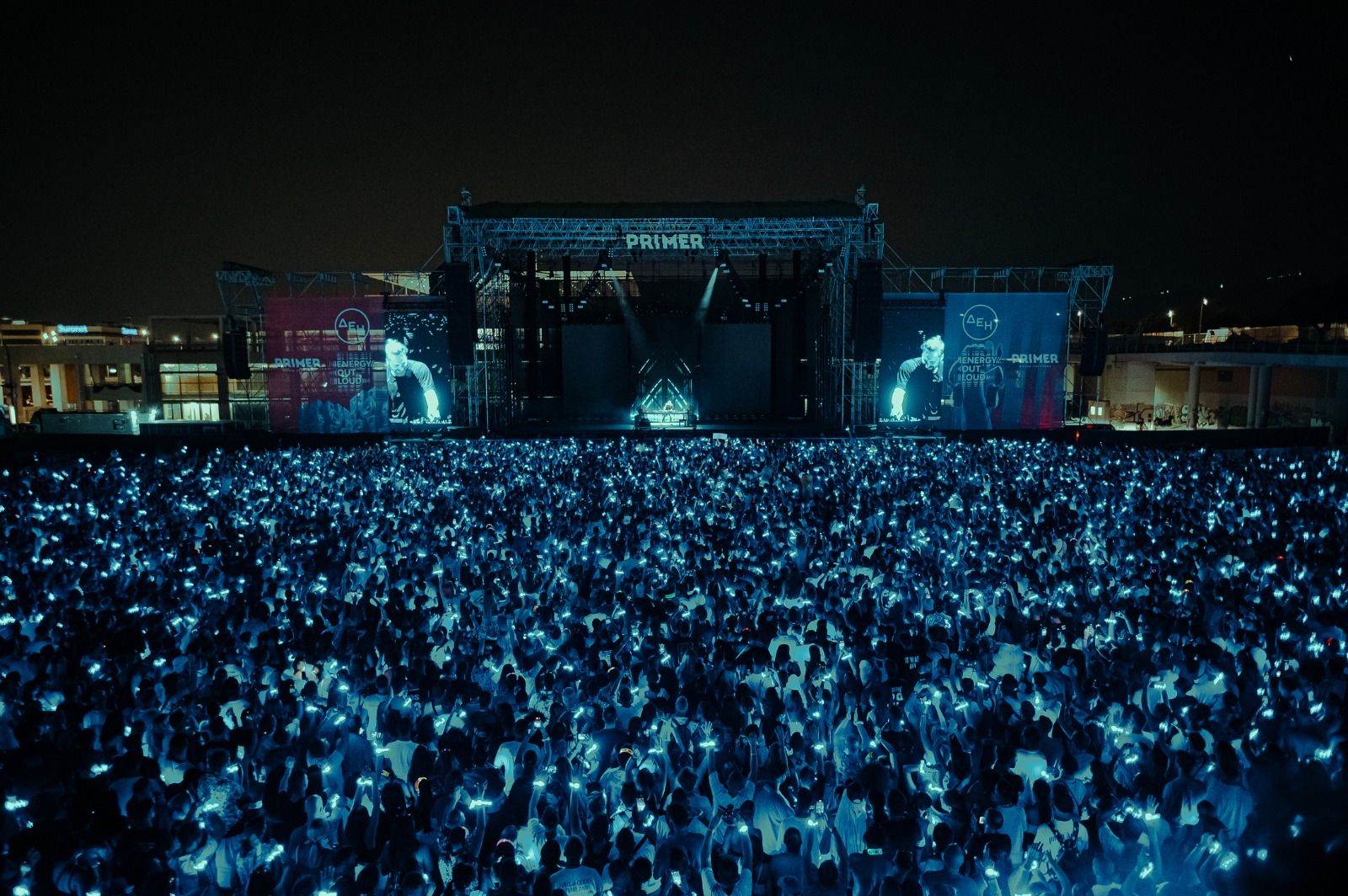
Radio Controlled LED Wristbands do more than just create stunning visuals. The data they provide can lead to smarter, more efficient productions. Understanding crowd flow and engagement patterns allows for better-planned staffing, optimised energy use for other lighting elements, and a more streamlined operational footprint. When we turn the crowd into a canvas of light, we are also creating a feedback loop that can inform more sustainable production choices for future events, from festivals like Primer Music Festival to major sporting events like the Davis Cup.
The Future is Bright, and Green
The demand for immersive, shared experiences is not going away. If anything, it’s growing stronger. The future of live events lies in our ability to create these powerful moments of connection in a way that is responsible, scalable, and sustainable. It requires a shift in mindset — from viewing event technology as a consumable to embracing it as a reusable asset.
By prioritising robust engineering, circular logistics, and responsible end-of-life-cycle management, we can deliver the spectacular LED crowd experiences that audiences crave without compromising the health of our planet. The afterglow of a truly great event shouldn’t be a mountain of waste, but the enduring memory of a shared experience, powered by technology that’s as smart and resilient as the industry it serves.