From Applause to Algorithm: A Technological History of the Shared Experience
The Primal Act of Participation
Stripped to its essence, a live event is a contract of shared experience. It begins with a fundamental exchange: an artist offers a performance, and an audience responds. For centuries, that response was purely analog—a wave, a cheer, a unified chant, the resonant power of thousands clapping in unison. In stadiums and concert halls, the first flicker of mass participation came from the flame of a lighter, a small, defiant spark held aloft during a ballad. This was the primal, human-driven genesis of audience participation: a visceral, unmediated need to connect with the moment and each other.
These were powerful, iconic gestures, yet they were fundamentally individual actions that coalesced into a collective mood. The technology was simple, democratic, and readily available. But the true potential of the audience—as a dynamic, controllable, and integral part of the spectacle itself—remained largely untapped. The leap from thousands of individual lights to a single, synchronized canvas required a technological and philosophical shift, a re-imagining of the relationship between the stage and the seats.
The Spark of a Revolution: The Xylobands Origin
That shift found its catalyst not in a boardroom, but in a field in Somerset, England. In 2011, Jason Regler stood at Glastonbury Festival, watching Coldplay perform "Fix You." As the lyric “Lights will guide you home” washed over the crowd, he envisioned something more. Not just the disconnected points of light from lighters and early mobile phones, but a unified, living spectacle. What if every single person could be transformed into a pixel in a vast, immersive light show, their collective energy given visual form?
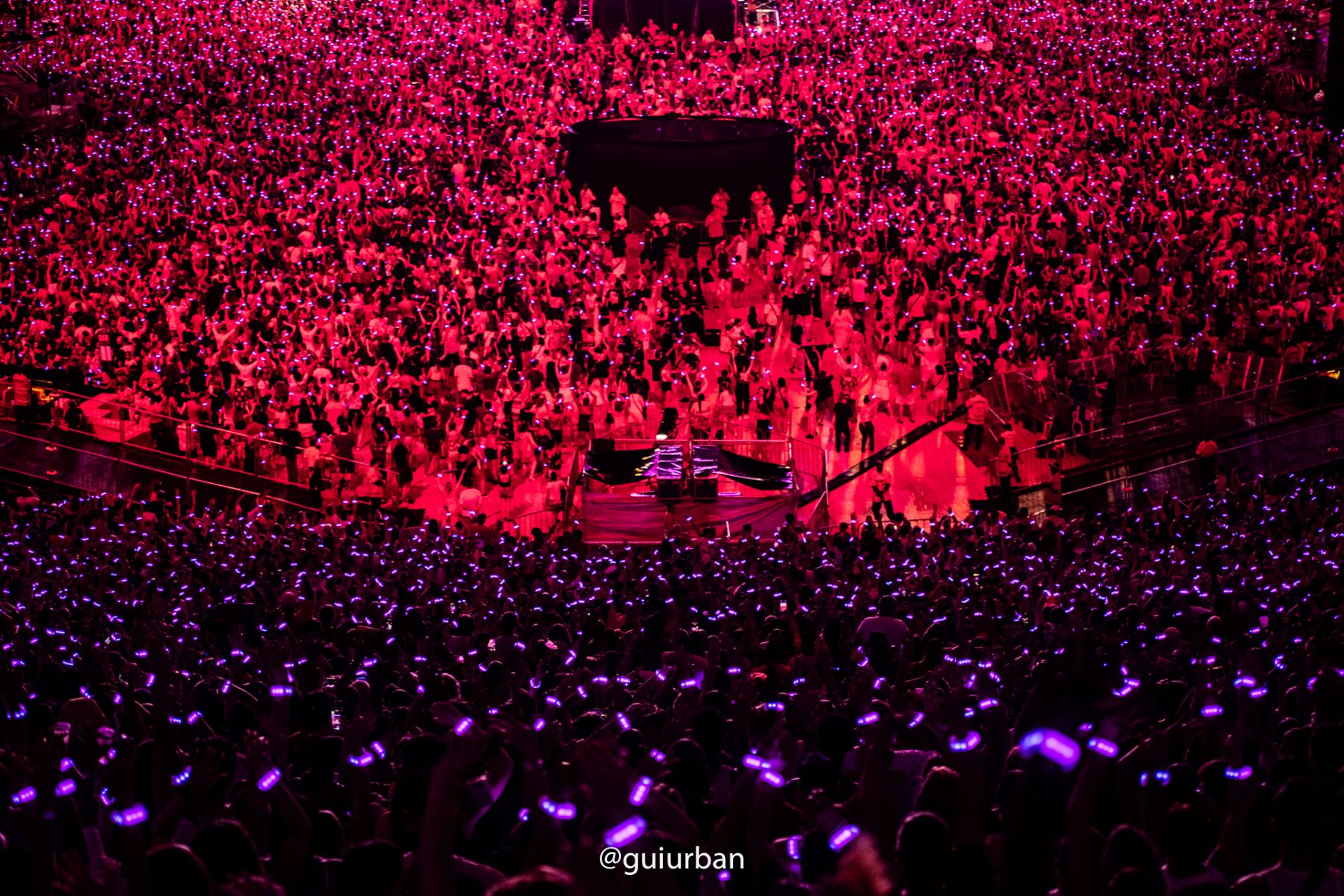
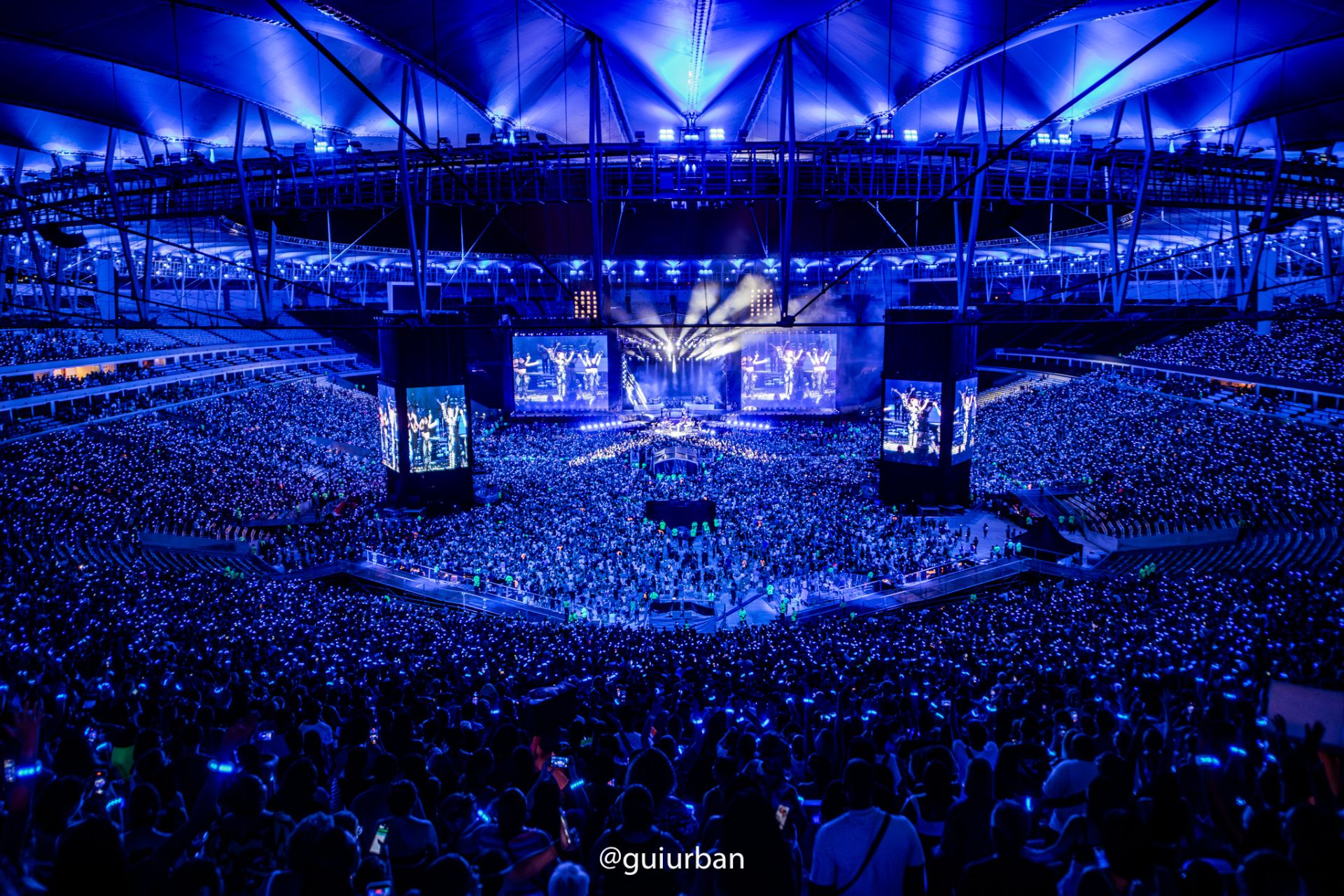
This was the birth of Xylobands. The concept—simple in its goal, complex in its execution—was to equip each audience member with a radio-controlled LED wristband. When Jason presented the idea to Coldplay, the band immediately grasped its potential to dissolve the fourth wall. The subsequent debut of the Coldplay Xylo Band on the Mylo Xyloto World Tour in 2012 was a watershed moment. For the first time, an entire stadium became a single, breathing entity of light and color, perfectly synchronized to the music. The era of passive spectatorship was over. The audience had become the show.
The Cambrian Explosion of Wearable LED Technology
The success of the Coldplay Xylobands proved the concept and opened the floodgates for innovation in Immersive Event Technology. The initial wristband was a brilliant proof of concept, but the underlying technology—using RF signals to control thousands of devices simultaneously—held limitless potential. The question evolved from *if* the audience could be part of the show to *how* they could participate in ever more sophisticated ways.
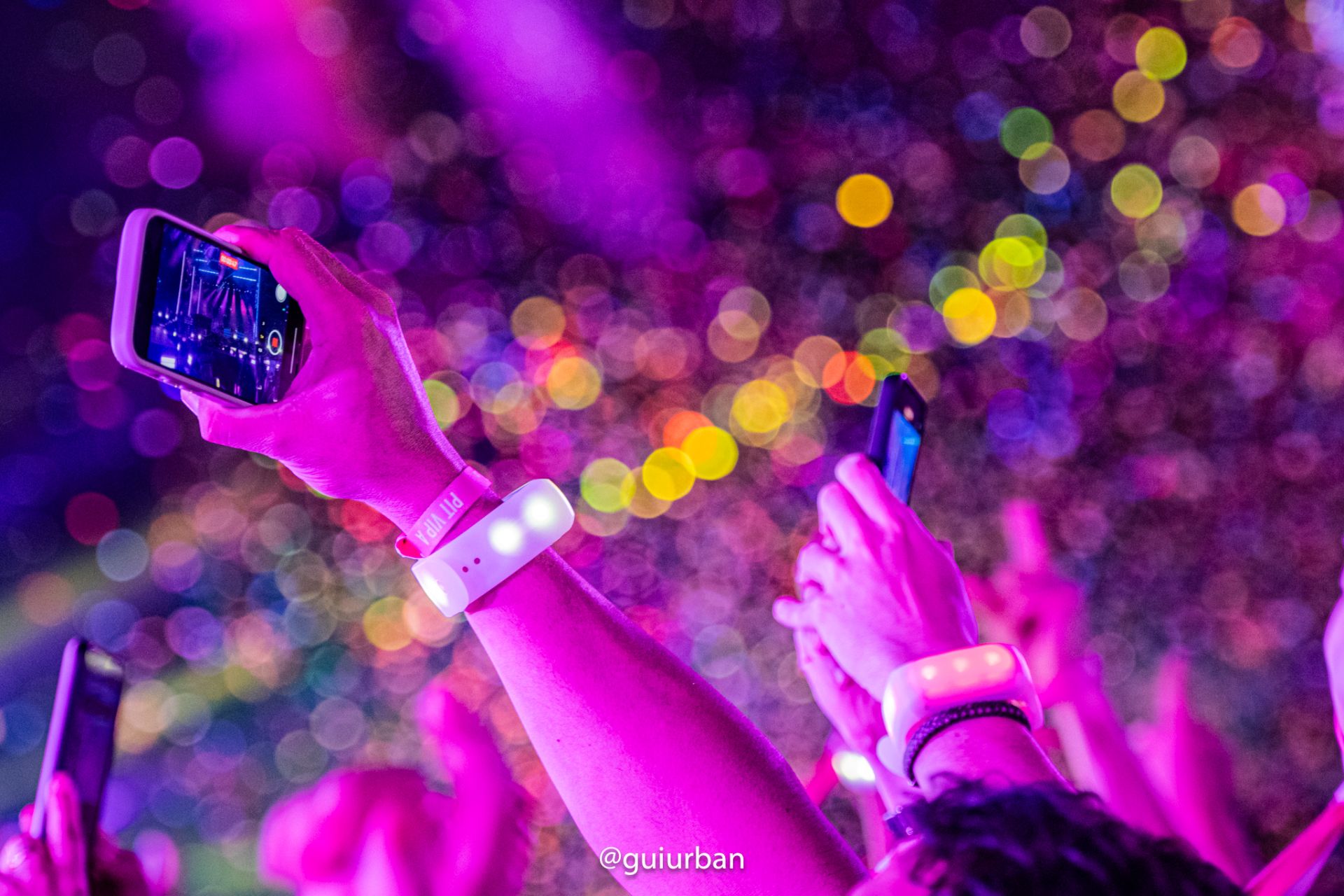
This led to an explosion of new form factors and control methods. Today, the single wristband has evolved into a diverse ecosystem of LED Wearables. We see bespoke Custom LED Wristbands for global tours like those for Maluma and Wizkid, turning tens of thousands of fans into a unified sea of light. For high-profile brand events like the 75th anniversary of Formula One, the technology adapted into custom LED Lanyards and pendants, creating segmented and targeted lighting effects for different hospitality tiers within The O2 Arena.
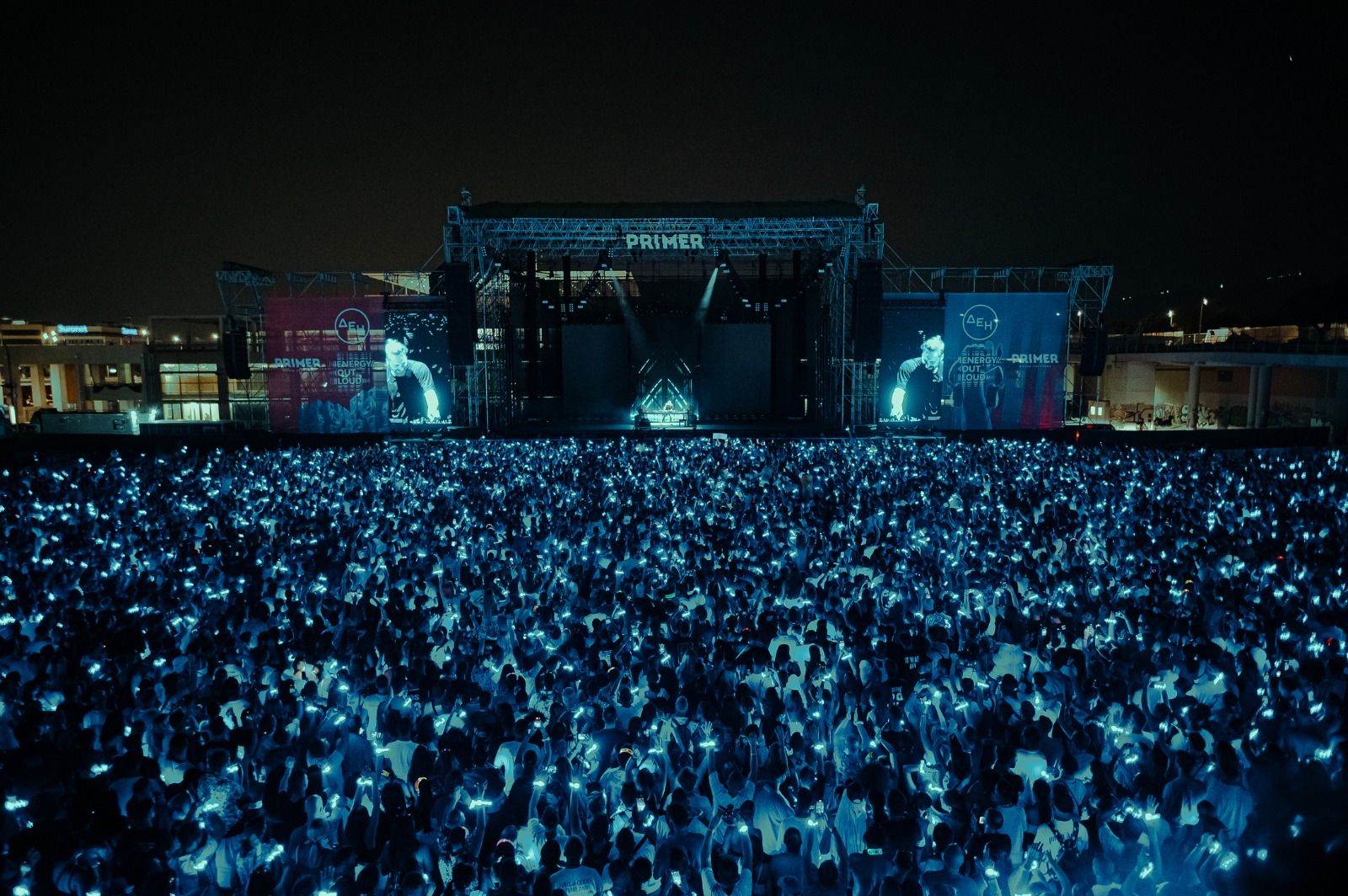
From pulsing LED Bands at music festivals like Greece’s Primer to illuminated LED Orbs that can be thrown among the crowd, the technology has become more versatile. This diversification allows event producers to architect LED Crowd Experiences with incredible precision, painting with light across entire stadiums, festival fields, and arenas. These are no longer just accessories; they are dynamic tools for storytelling and emotional amplification.
Beyond the Concert: Redefining the Audience
While born in the crucible of live music, this Wearable LED Technology quickly migrated into new territories, proving its power to energize any form of collective gathering. The definition of "audience" expanded, and the technology adapted in turn.
In the world of sports, organizations from the Davis Cup to the Chicago Blackhawks have used Xylobands to transform the grandstand itself into a key part of the pre-game spectacle, heightening team spirit and amplifying key moments. This has proven especially powerful in choreographing the crowd, turning passive fans into an active, visual component of the sports entertainment experience.
Simultaneously, the technology has redefined Corporate Event Activations. Brands like Samsung, Google, and Audi have moved beyond passive presentations, using Radio Controlled LED Wristbands to create memorable, shared moments that foster a deep sense of community and brand loyalty among employees and customers. In the broadcast world, shows for clients like ITV use this technology to make the studio audience a vibrant, dynamic backdrop, enhancing the visual energy for the millions watching at home.
The Future is a Shared Algorithm
The journey from a simple clap to a synchronized LED Bracelet is a story about technology in service of a fundamental human need. The desire to belong, to share a moment, to be part of something larger than oneself has not changed. What has changed are the tools at our disposal.
We are entering an era where Immersive Events are the standard. The future lies not just in lighting up a crowd, but in creating truly interactive feedback loops. We are moving from simple, pre-programmed cues to dynamic systems that can respond to the crowd's energy, location, and even individual gestures. The audience is no longer just a canvas; it is an active collaborator in the performance.
As this LED Event Technology continues to evolve, the distinction between artist, environment, and audience will continue to blur, creating a single, unified, and unforgettable experience. The lone flame in the dark has become a sentient sea of light, a testament to how technology, when guided by a human-centric vision, can guide us not just home, but closer to each other.