The Architecture of Awe: Modern Lighting Design for Stadiums and Arenas
The Immensity of the Canvas
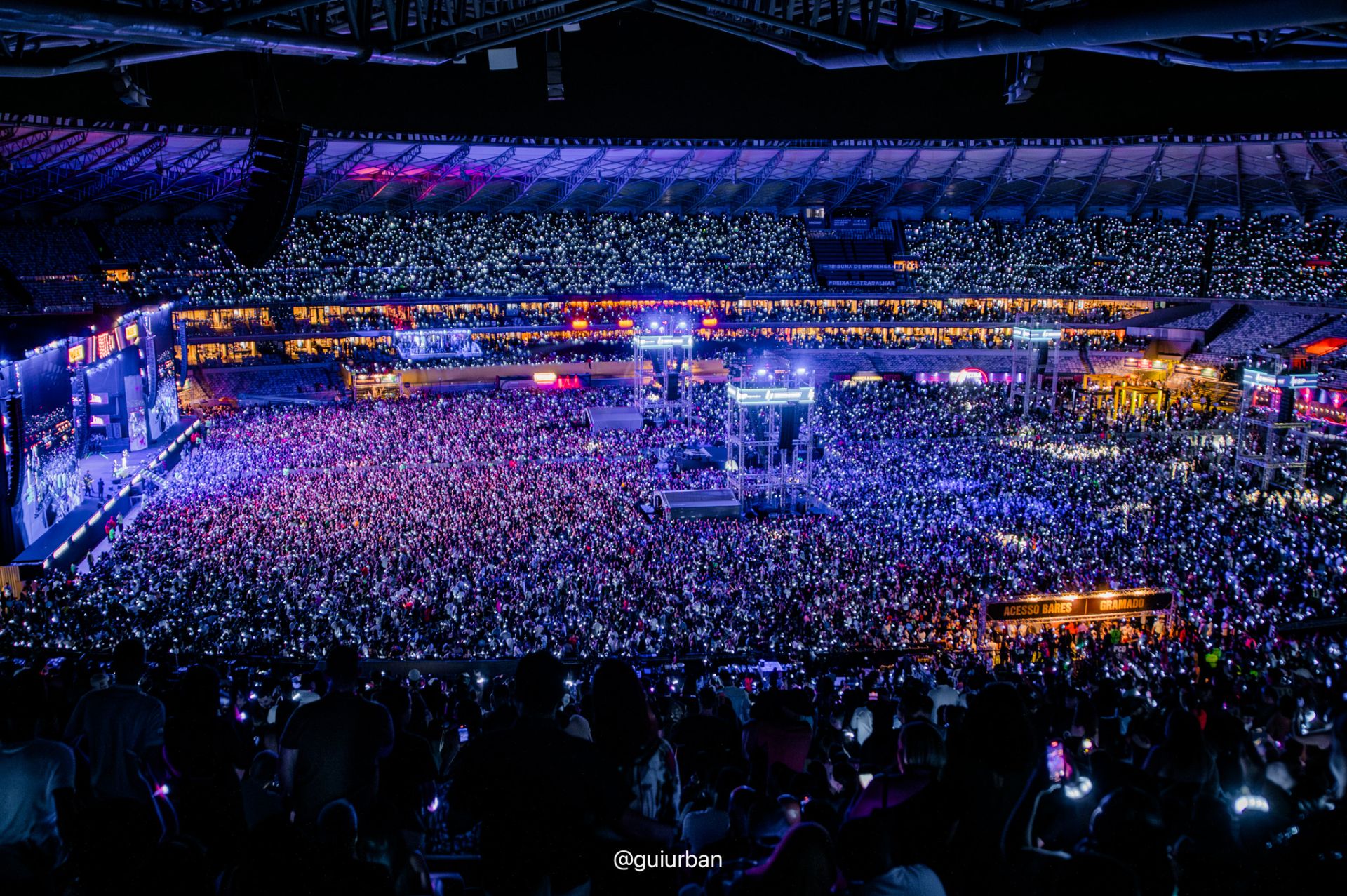
Designing a lighting experience for an arena or stadium tour is an exercise in managing scale. Unlike a theatre or club, the canvas is monumental, the architecture is a character in itself, and the audience numbers in the tens of thousands. Every decision, from the choice of a fixture to the programming of a cue, is magnified a thousand-fold. The challenge isn't just to illuminate a performer; it's to transform a vast, cavernous space into an intimate, emotionally resonant world.
Modern tour lighting is a complex interplay of physics, psychology, and technology. It must guide the eye, build anticipation, reveal and conceal, and ultimately, serve the story of the show. In a stadium, the 'negative space'—the thousands of feet of air between the stage and the last row—is as important as the light itself. It's a volume that has to be sculpted, painted, and energised.
The Three Pillars of Scale Lighting
Mastering the stadium environment requires a systems-thinking approach, balancing three core pillars: the stage, the structure, and the audience.
1. The Stage: The Focal Point
The stage is the narrative anchor. Here, lighting serves its most traditional purpose: ensuring the artist is visible, setting the mood for each song, and creating dynamic backdrops. The design must be robust enough to look spectacular from the front row and the highest tier of seating, and crucially, for the millions watching through a camera lens at home. This dual-purpose design—for the live eye and the broadcast sensor—is a non-negotiable part of modern concert production, as seen in globally streamed events like Maluma’s 2022 homecoming concert in Medellín.
2. The Structure: The Environment as an Instrument
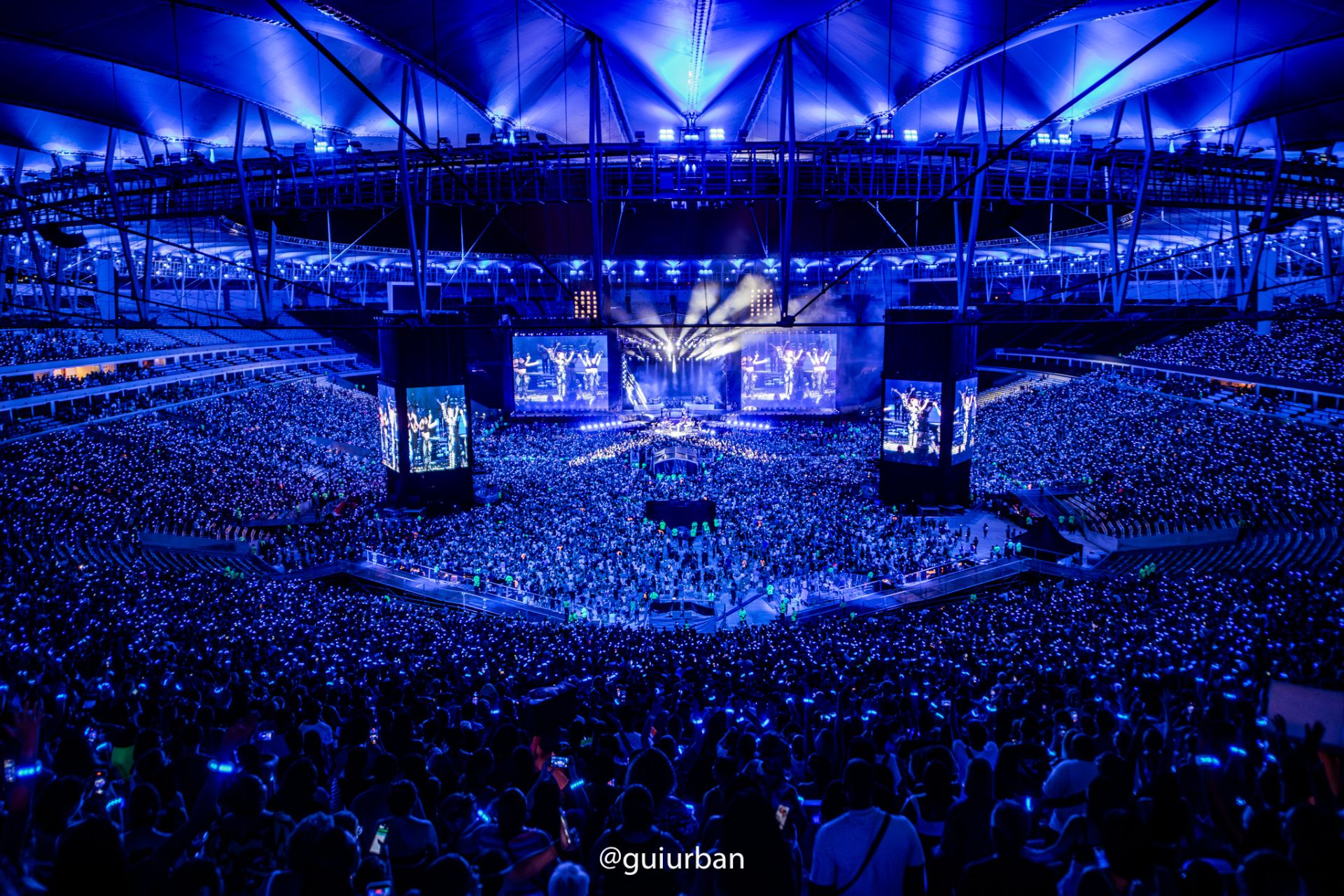
A stadium is not a black box. It has distinct architectural features, reflective surfaces, and a unique atmosphere. The most sophisticated lighting designs don't fight the venue; they incorporate it. Beams of light can be used to trace the curve of a stadium roof, strobes can make concrete pillars disappear and reappear, and colour washes can turn the entire structure into a colossal piece of art. The goal is to make the environment breathe with the music, extending the energy from the stage to the very skin of the building.
3. The Audience: The Human Canvas
For decades, the audience was a passive recipient of the light show. Today, they are an integral part of it. This is the most profound shift in large-scale lighting design—the transformation of the crowd from spectators into a living, breathing, kinetic canvas. This is the world of wearable LED technology.
By turning each audience member into a pixel, we can create visuals on a scale previously unimaginable. It’s no longer just a show you watch; it’s an experience you are a part of.
Pioneered by Xylobands on Coldplay's Mylo Xyloto tour, radio-controlled LED wristbands have become a cornerstone of the modern stadium experience. This immersive event technology allows designers to program tens of thousands of individual light sources, creating waves of colour, synchronised pulses, and complex patterns that flow across the entire audience. Suddenly, the "negative space" is filled with light and human energy.
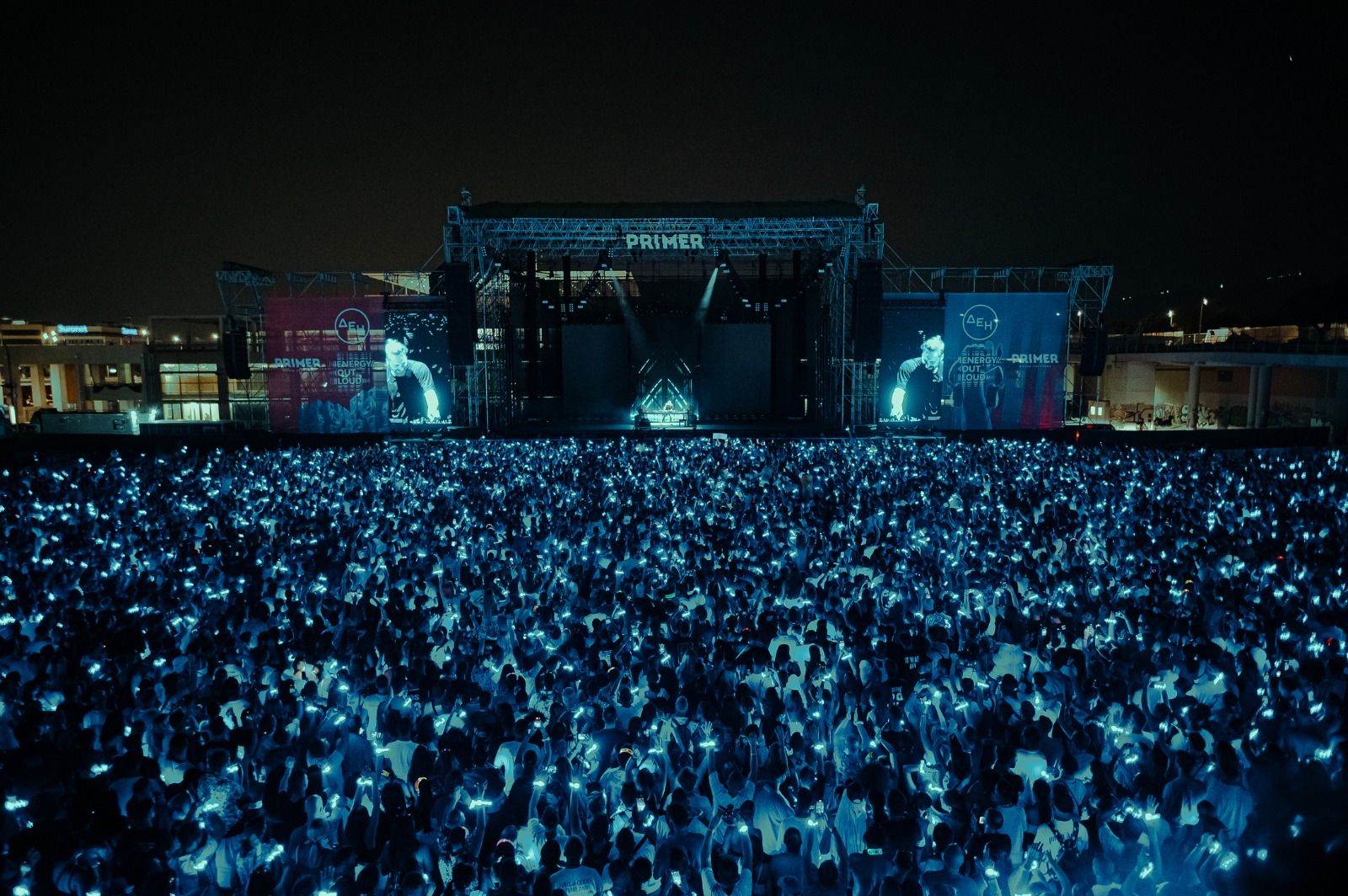
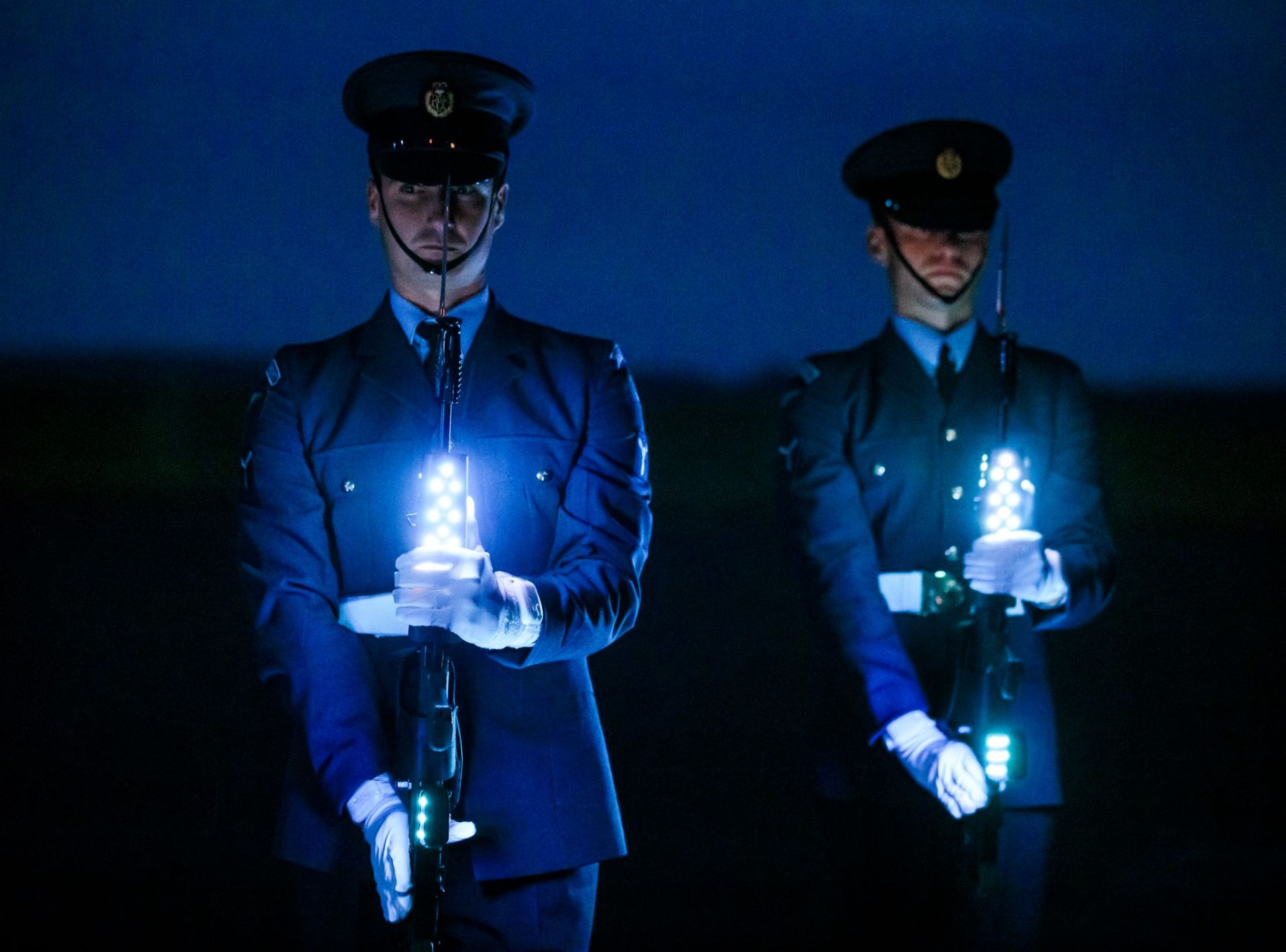
This approach transforms the crowd into a dynamic, visual extension of the performance. We see this not just in music—from festivals like Primer in Greece to Wizkid’s historic sell-outs at The O2—but across the live event spectrum. In sports, it’s about amplifying key moments at events like the Davis Cup. For major brand moments like the Formula One 75th-anniversary show, custom LED lanyards can unite a diverse audience of teams, VIPs, and fans into a single, cohesive experience. The audience becomes the spectacle.
The Choreography of Light
Integrating these three pillars—stage, structure, and audience—is a task of immense technical and creative coordination. The lighting director becomes a choreographer, orchestrating a ballet of photons across a space the size of a city block. This is where the power of modern control protocols like RF, DMX, and Infrared comes to the fore.
- Creating Intimacy in Immensity: During a quiet ballad, the stage lighting can be brought down to a single spotlight, while thousands of Xylo Bands on people's wrists create a soft, warm glow, like a field of digital candlelight. It shrinks the vastness of the stadium to a single, shared moment.
- Building Explosive Impact: For a high-energy chorus, the stage, the stadium architecture, and the crowd can erupt in a perfectly synchronised flash of light and colour. The combined effect is an overwhelming sensory experience that magnifies the music's emotional power.
- Directing Focus and Emotion: Audience lighting allows a designer to guide the crowd's collective focus. A wave of light can travel from the stage to the back of the arena, creating a sense of motion and connection, making 80,000 people feel like part of one unified body.
The Future is Immersive
As technology evolves, the integration of lighting, video, and audience participation will only become deeper. We are moving away from a model where elements are merely synchronised to one where they are truly integrated, creating a holistic sensory world. The rise of immersive events isn't a trend; it's the new paradigm.
For the artists, tour managers, and event producers designing the next generation of stadium and arena tours, the creative potential is limitless. The challenge is no longer just to light a show, but to design an architecture of awe—a temporary, luminous world where, for a few hours, tens of thousands of individuals become a single, spectacular wave of light.