The Arena as Canvas: Choreographing Light for the Modern Sports Spectacle
The Unspoken Contract of the Half-Time Show
For decades, the sports half-time show operated on a simple, unspoken contract: the athletes rest, and the audience receives a temporary diversion. It was a functional intermission, a placeholder filled with marching bands, local performers, or a mega-star performance compressed into a frantic 12-minute window. The spectacle was something to be observed from a distance, a show happening *at* the audience, not *with* them.
But in today’s experience economy, that contract is being rewritten. Modern audiences, accustomed to the immersive and participatory nature of music festivals and blockbuster concerts, expect more. They are no longer content to be passive spectators. The new mandate for sports entertainment is not just to divert, but to immerse; not just to entertain, but to unite. The challenge now is to transform a stadium of individual fans into a single, connected entity, sharing in a moment that transcends the game itself.
From Spectacle to Shared Experience
The paradigm shift lies in viewing the audience not as a collection of passive viewers, but as an active, dynamic canvas. The most forward-thinking event producers are moving beyond the limitations of the center-field stage and embracing technology that integrates every seat, every tier, and every individual into the fabric of the show. This is the domain of immersive event technology, where light, sound, and action are choreographed on a massive scale.
Consider the opening ceremony of a global tennis tournament like the Davis Cup or the electric atmosphere of a Formula One anniversary event. The goal is to create a cohesive, broadcast-ready spectacle that feels just as breathtaking to the fans in the upper tiers as it does to the VIPs courtside. This requires a different kind of choreography—one that extends beyond the performers on stage and into the stands themselves.
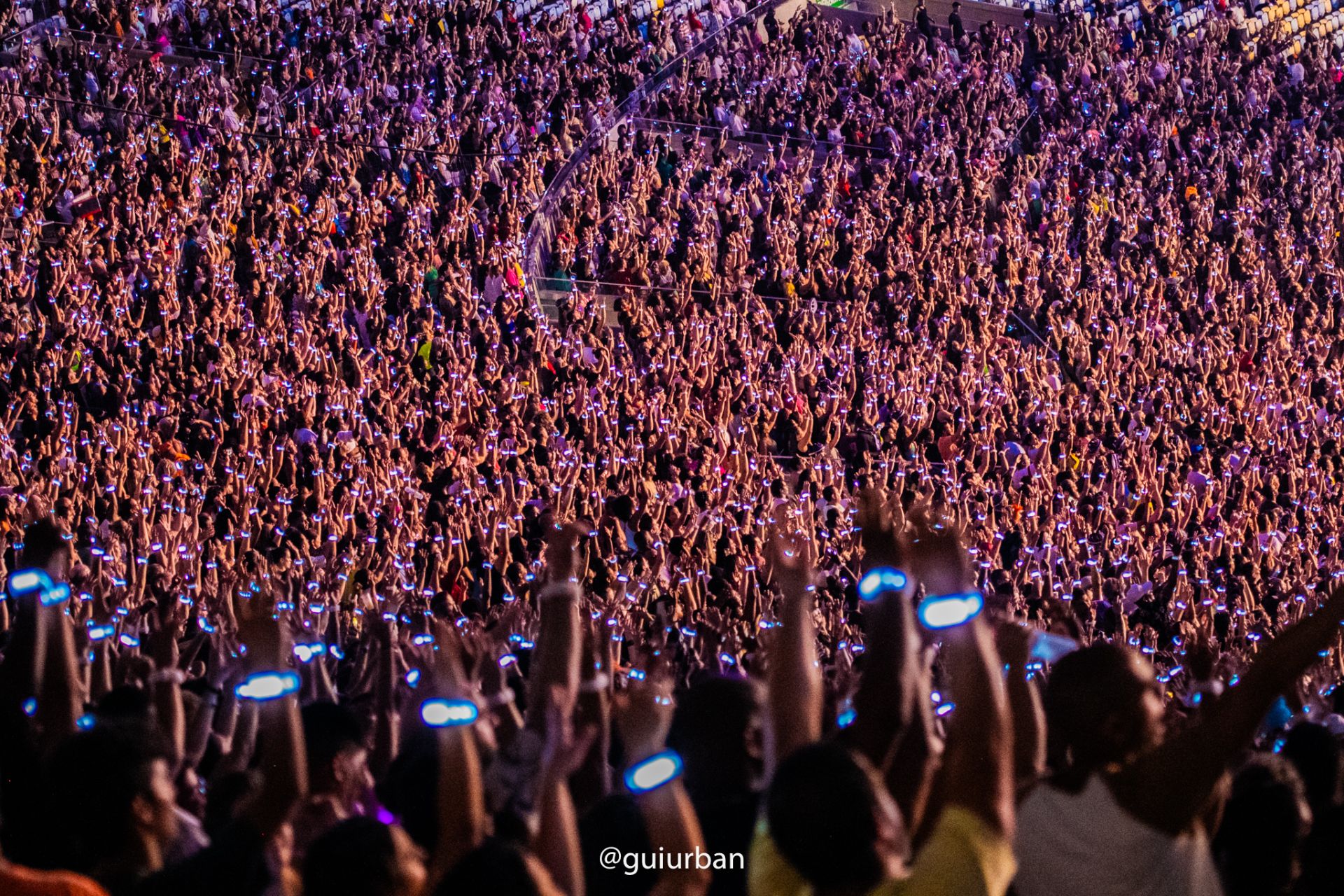
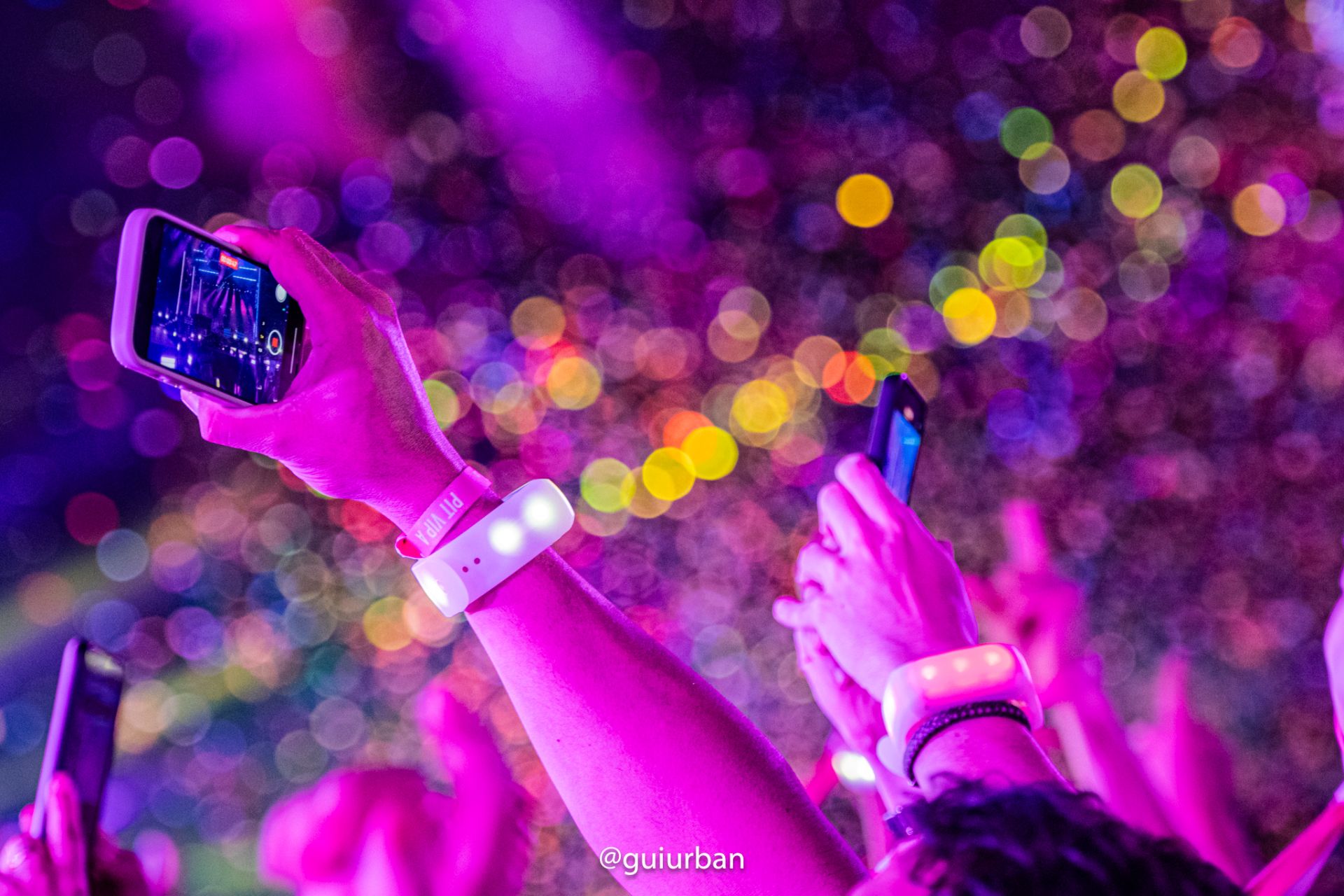
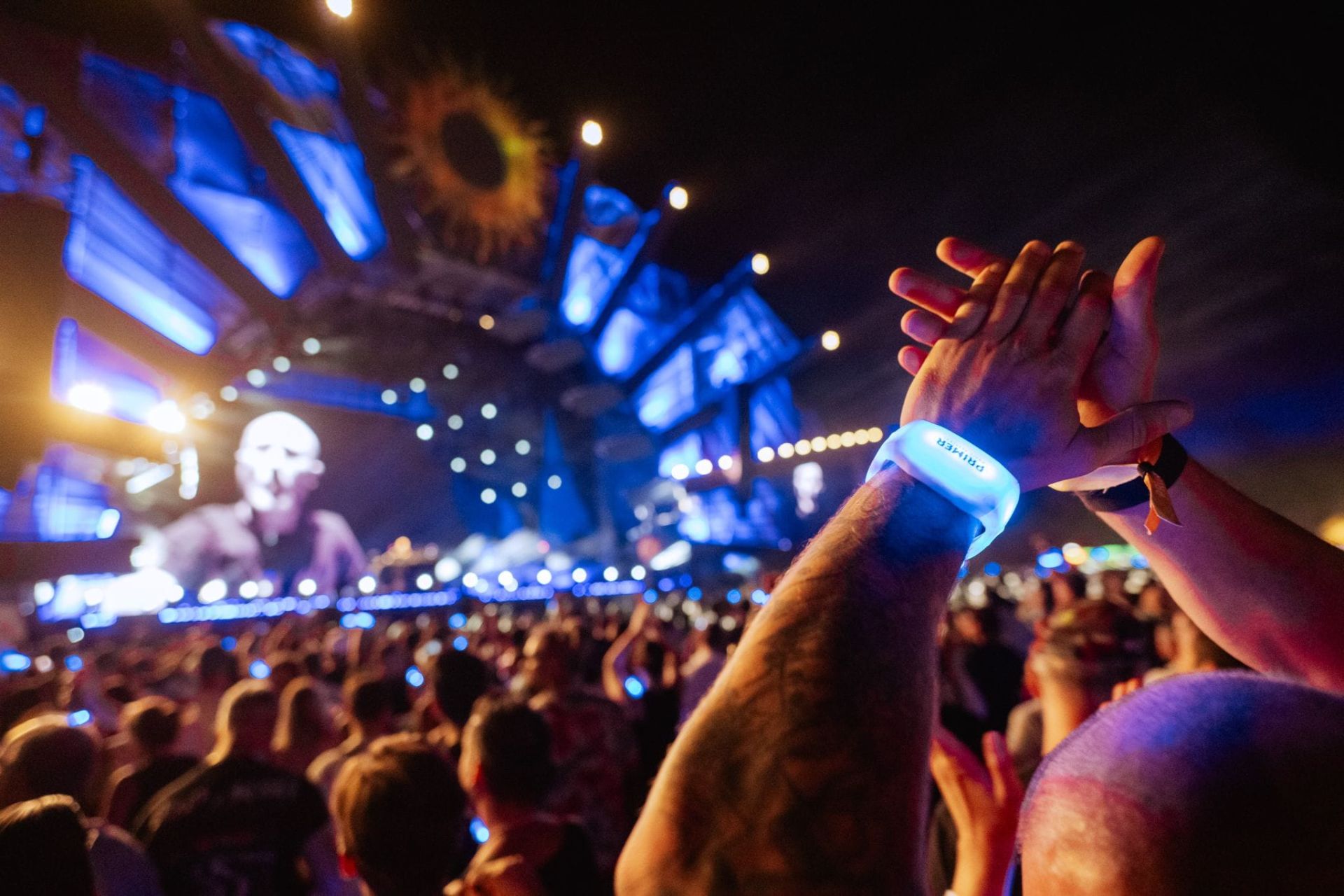
This is where technologies like radio-controlled LED wristbands come into play. By turning each attendee into a pixel in a stadium-sized light show, we can create sweeping, synchronized visuals that flow through the crowd, respond to the action, and amplify key moments. It’s a powerful tool for transforming a passive audience into an illuminated, unified body—a living, breathing part of the entertainment.
The Choreography of Light: A New Technical Discipline
Integrating LED crowd experiences into a high-stakes sporting event is a discipline that blends creative vision with meticulous technical execution. It’s not simply about handing out wristbands; it’s about programming a narrative in light.
1. Designing for the Broadcast and the Bowl
Modern sports events are produced for two audiences simultaneously: the live audience in the arena and the global broadcast audience watching from home. Lighting must serve both. While traditional spotlights and stage effects are directed at the field, wearable LED technology illuminates the crowd itself, making the audience a visually stunning component of the broadcast. This adds a layer of energy and scale that translates powerfully to the screen, as seen in everything from the intensity of a UFC fighter’s entrance to the celebratory flash of a goal at an Arsenal FC match.
2. The Power of Zonal Control
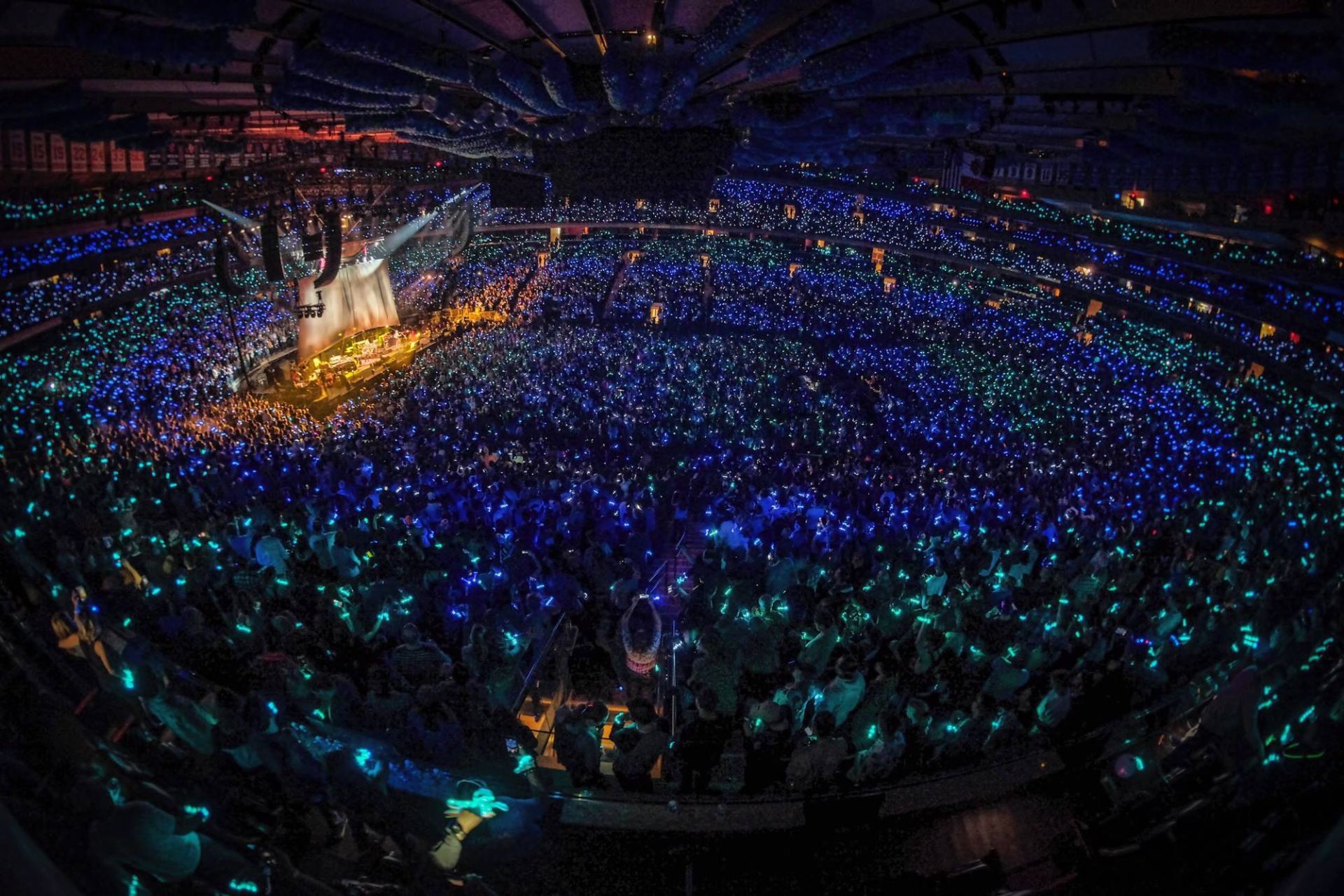
The ability to control lighting effects with granular precision is crucial. Advanced systems allow for the division of a stadium into dozens or even hundreds of zones. This means a lighting designer can send pulses of color chasing each other around the arena, create a shimmering national flag effect during an anthem, or isolate specific sections to build suspense and release. For the F1 75th anniversary event, our team pre-positioned custom LED Lanyards based on seating and hospitality tiers, enabling the creative team to execute dynamic, brand-specific effects across the entire O2 Arena. The crowd became a key part of the show’s visual architecture.
3. Synchronization with the Show’s DNA
The most effective LED experiences are those that are deeply integrated with the event’s core moments. The lighting effects should feel like a natural extension of the action, not an afterthought. This requires seamless synchronization with audio cues, video content on the main screens, and pyrotechnics. Whether it’s pulsing in time with the beat of a half-time performer’s track or erupting in a unified flash of color to celebrate a victory, the timing is everything. It’s this perfect sync that creates those unforgettable, goosebump-inducing moments of collective euphoria.
Beyond the Game: Building a Legacy of Atmosphere
Ultimately, the goal of modern sports entertainment is to create an atmosphere so powerful it becomes part of the event’s legacy. It’s about crafting moments that fans talk about for years to come—the feeling of being part of something bigger than themselves. When an entire stadium lights up as one, it reinforces a powerful sense of community and shared identity, which is the very essence of sports fandom.
From the sold-out concerts of global artists like Wizkid and Maluma to the high-stakes drama of world championships, the principle remains the same: the most memorable spectacles are those that break the barrier between performer and audience. By choreographing light across the entire arena, we are not just putting on a show for the fans; we are inviting them to be part of it. We are turning the passive spectator into an active participant, and in doing so, transforming the very nature of the live sports experience.