The Sync and the Story: A Guide to Artist-Tech Collaboration
The Artist is the Vision. The Tech is the Translator.
At the heart of every unforgettable live show is a story. It might be the narrative of an album, the comeback of a global icon, or the celebration of a national hero. But whatever the story, it’s the artist’s to tell. The role of technology—and the teams behind it—is not to overshadow that narrative, but to translate it into a language the entire audience can feel. This is the art of collaboration, a delicate dance between the creative vision of the artist and the technical execution of their partners.
For tour managers and creative directors, navigating this process is a high-stakes balancing act. You are the bridge between the artist’s core idea and the vast ecosystem of lighting designers, sound engineers, and specialized technology providers. The goal is to create a cohesive, multi-sensory experience where every element feels intentional, unified, and in service of the artist's story. When it works, the result is magic. When it doesn’t, the spectacle can feel disjointed, distracting, or worse, hollow.
Building the Blueprint: From Mood Board to Technical Rider
The most successful collaborations begin long before the first truck is loaded. They start with a conversation, a shared understanding of the emotional arc the artist wants to create. What is the central theme of the tour? What feelings should the audience leave with? Is it euphoria, intimacy, rebellion, or pure, unadulterated joy?
This initial "vision casting" phase is critical. It’s where artists and creative directors can dream without limits. It’s also where technology partners can listen, absorb, and begin to map creative ambitions to technical possibilities. This is where a partner like Xylobands comes in, not as a vendor, but as a creative consultant. We don’t just supply LED wristbands; we provide a palette of light and a system of control that can be tailored to the unique narrative of any performance.
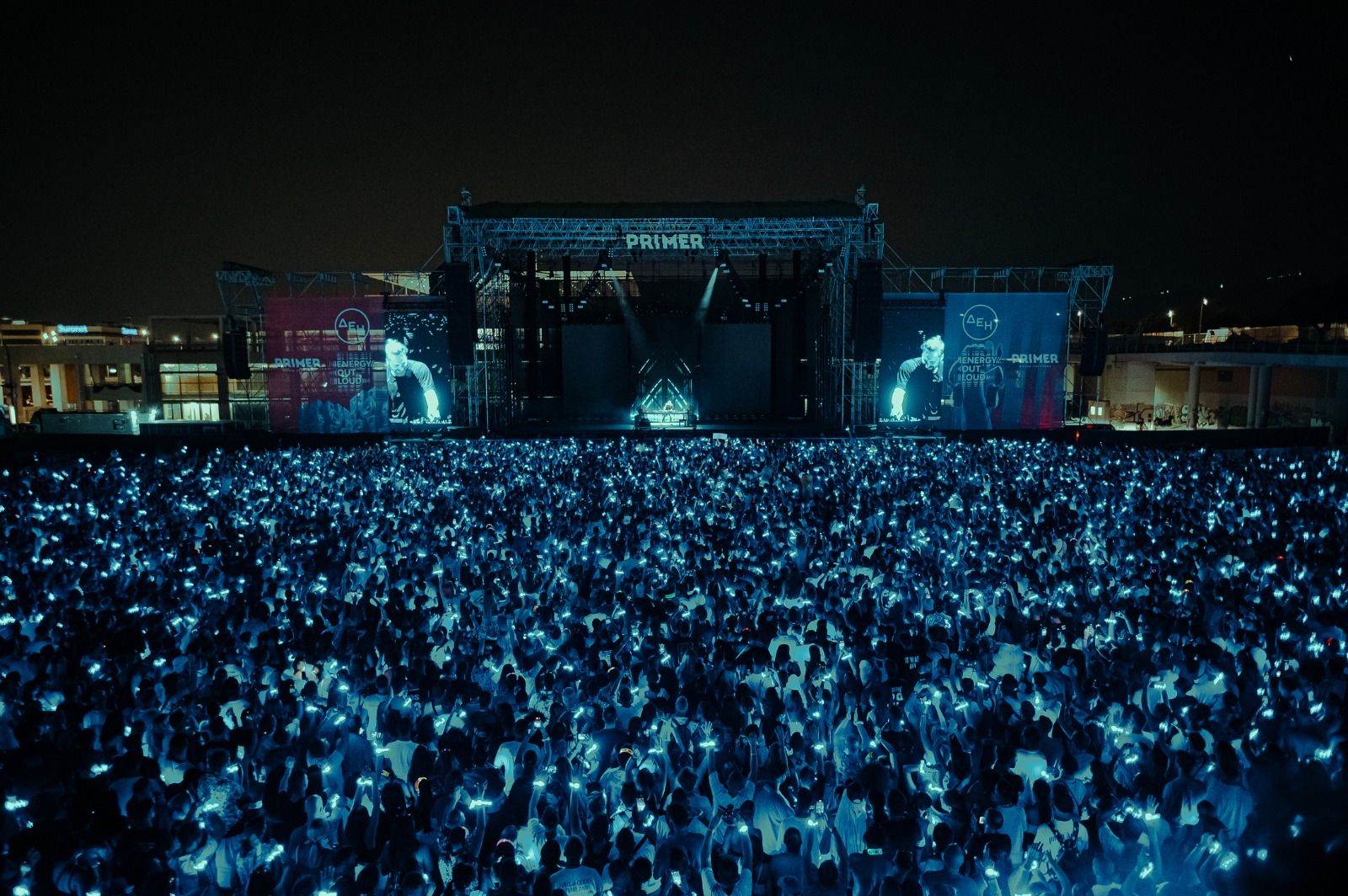
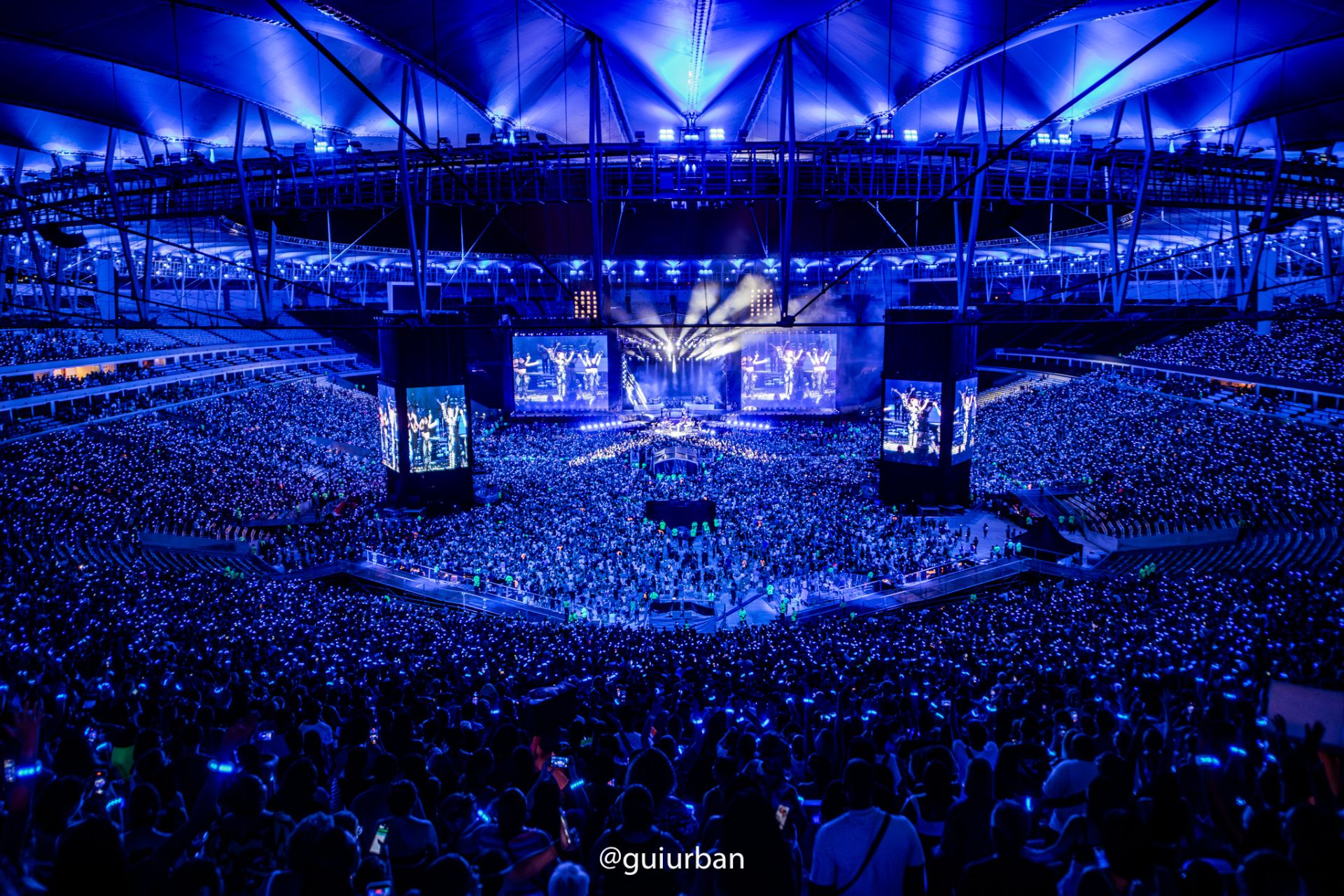
Consider the journey of an artist like Maluma, who in 2022 staged a monumental homecoming concert in his native Medellín. The event, streamed to over 240 countries, wasn’t just a concert; it was a declaration of pride and a celebration of Colombian culture. The creative brief was about scale, energy, and connection—making a stadium of 54,000 people feel like an intimate party. By transforming the crowd into a canvas of synchronized light, the show extended the artist's energy to every seat, making each fan a participant in his triumphant return. The LED bands weren’t just an effect; they were a tool for unification.
The Language of Light: RF, DMX, and Creative Control
Once the creative vision is established, the conversation must turn technical. For tour managers, this means translating abstract ideas into concrete specifications. How will the lighting systems integrate? Who controls what, and when? This is where understanding the fundamentals of technologies like Radio Controlled LED Wristbands becomes essential.
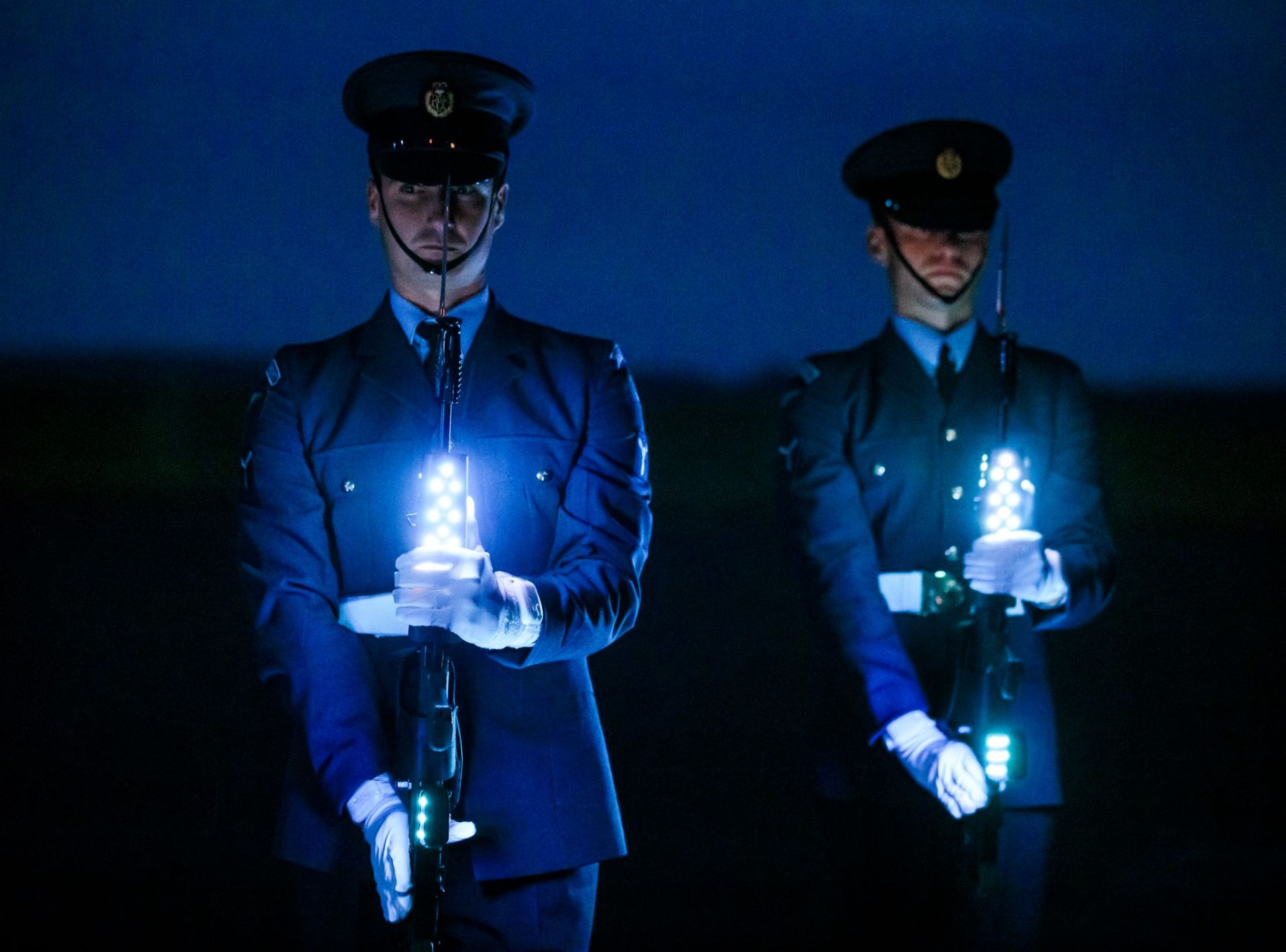
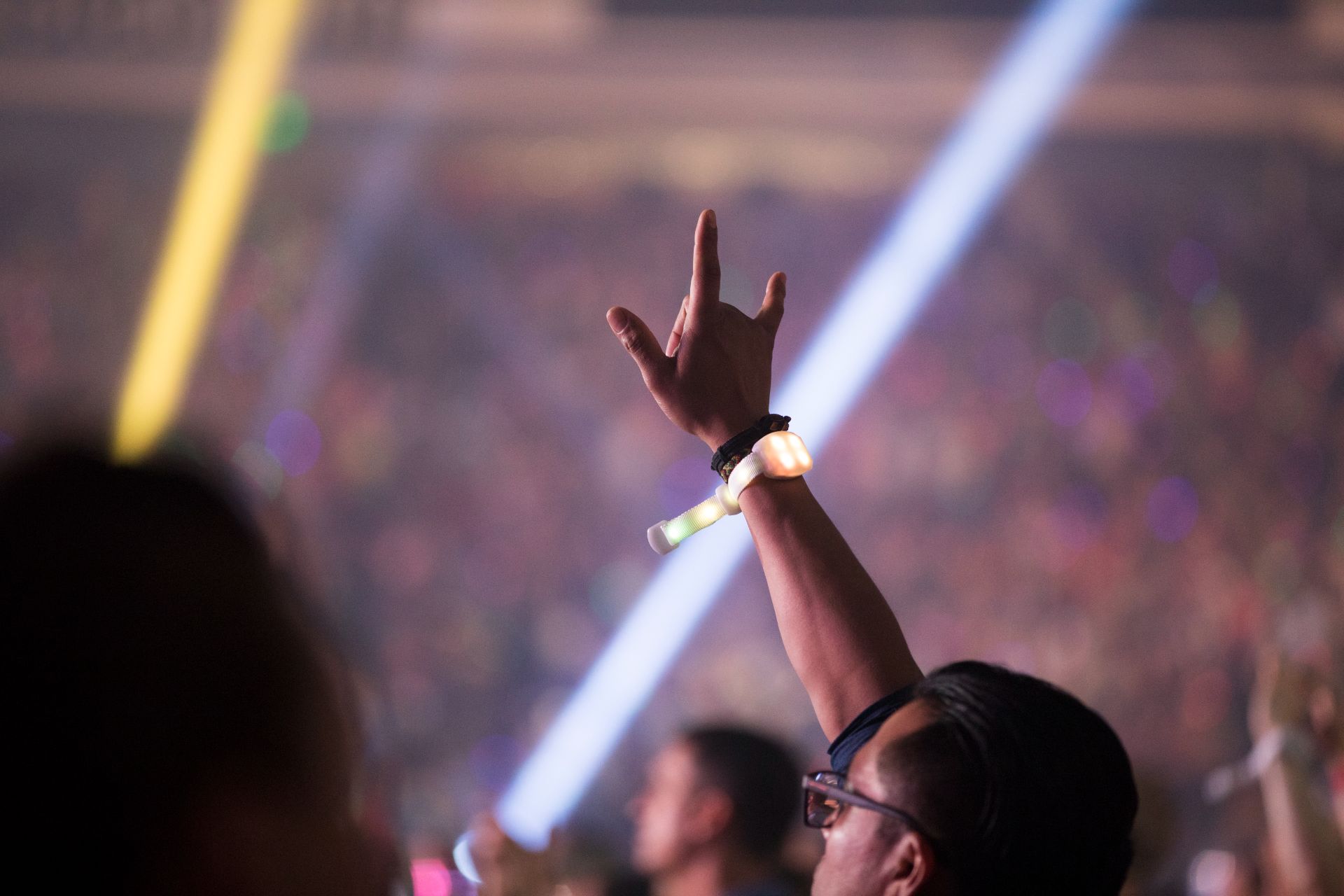
At Xylobands, our systems are designed for seamless integration with existing production workflows. Our technology can be controlled via a dedicated transmitter, or it can be patched directly into the show’s main lighting console. This allows the lighting designer to treat the entire audience as a single, dynamic fixture, programming our LED bracelets with the same precision and creativity as the stage lighting. This level of granular control is what separates a simple gimmick from a powerful storytelling device.
- Zone Control: The ability to divide an arena into dozens of distinct zones allows for complex visual choreography—sweeping patterns, color chases, and targeted pulses that can highlight specific sections or build energy across the entire venue.
- Seamless Integration: Our systems speak the language of professional lighting (DMX), ensuring that the crowd lighting is perfectly in sync with every other visual element of the show.
- Reliability at Scale: From an intimate club to a sold-out stadium, the integrity of the RF signal is paramount. Our proprietary technology ensures that every single wristband responds instantly and reliably, a non-negotiable for any world-class tour.
This technical dialogue is a collaboration in itself. Our team works closely with production managers and lighting designers to understand their workflow and ensure our system is not an add-on, but a fully integrated part of their creative toolkit.
Case Study in Collaboration: The Wizkid O2 Sell-Out
Few moments capture the power of artist-tech collaboration better than Wizkid’s historic three-night residency at London’s O2 Arena. As the first African artist to sell out the venue for three consecutive nights, the pressure was immense. The brief was to create an atmosphere that was both electric and unifying, celebrating a landmark moment for Afrobeats on the world stage.
Working with Wizkid’s creative team, we deployed our Concert Wristbands, branded with his logo, to all 60,000 attendees across the three nights. The wristbands became a key part of the show’s visual identity. During high-energy tracks, they pulsed with vibrant color, amplifying the collective energy. In quieter, more intimate moments, they glowed softly, creating a sea of lights that connected the artist to his fans. It was a perfect example of immersive event technology serving the performance, not dictating it. The decision to reuse and recycle the wristbands across the run also demonstrated a commitment to sustainable production, a growing priority for artists and tours globally.
Beyond the Arena: The Artist’s Brand in the Corporate World
The principles of artist-tech collaboration extend far beyond traditional concert touring. When artists partner with major brands for corporate event activations, the same rules apply. The technology must serve the story, which in this case, is a fusion of the artist’s identity and the brand’s message.
Take, for example, a high-profile event like the F1 75 anniversary, which featured performances from Take That and MGK. The challenge was to create an experience that felt authentic to both Formula 1 and the performing artists. We developed custom LED Lanyards (Xylo Pendants) that were branded for different hospitality tiers and teams, turning the audience itself into a visual representation of the F1 ecosystem. When the artists performed, these same lanyards became part of the light show, bridging the gap between corporate activation and live music spectacle. It allowed the artists to connect with an audience of fans and stakeholders in a way that felt both personal and epic.
Conclusion: The Unseen Partnership
In the world of modern live production, the most powerful tool is not a specific piece of hardware or software. It is the strength of the collaboration between the artist’s team and their technical partners. It’s a relationship built on trust, shared language, and a mutual commitment to serving the story.
For tour managers and creative directors, choosing a technology partner is about more than just a product; it’s about finding a team that understands the pressures of the road, the nuances of creative expression, and the unwavering demand for technical perfection. The goal is always the same: to create a moment in time that feels effortless, magical, and utterly unforgettable. When the artist’s vision is amplified by technology, the entire audience becomes part of the show, and a simple concert transforms into a genuine LED crowd experience—a collective memory etched in light.