The Triumvirate: A Playbook for Artist, Tour Manager, and Creative Director Synergy
The Triumvirate: Forging Unity in the Chaos of Production
At the heart of every legendary tour, festival, or stadium show is a core alliance: the artist, the tour manager, and the creative director. This triumvirate is the engine room of the entire production. When it functions with precision, trust, and a shared vision, the result is magic—an immersive event that feels effortless to the audience. When it misfires, the entire enterprise is at risk. Understanding the delicate choreography between these three roles is essential for anyone aspiring to create world-class LED crowd experiences.
The Three Pillars of Production
Each role within this trio brings a distinct and non-negotiable perspective to the table. The artist is the sovereign, the source of the core creative impulse and the ultimate focal point of the audience's attention. The tour manager is the pragmatist, the master of logistics, budgets, and the physical realities of moving a production across the globe. The creative director is the translator, the one who takes the artist's vision and renders it in the language of light, sound, and space, crafting the narrative of the show.
The challenge lies in aligning these often-competing priorities. The artist’s desire for a groundbreaking visual effect must be reconciled with the tour manager's freight limitations and the creative director's technical schematics. It’s a constant negotiation between the possible, the practical, and the poetic.
The Artist: The Vision's Anchor
The artist's vision is the north star for the entire production. Whether it's Maluma wanting to create a landmark hometown stadium show in Medellín, or Wizkid celebrating his global success in London, the creative intent begins with them. Their brand, their music, and their connection with the audience are the raw materials. The most successful artists understand that their role extends beyond performance; they must effectively communicate their abstract ideas and desired emotional impact to their team, trusting them to execute it technically.
The Tour Manager: The Master of Reality
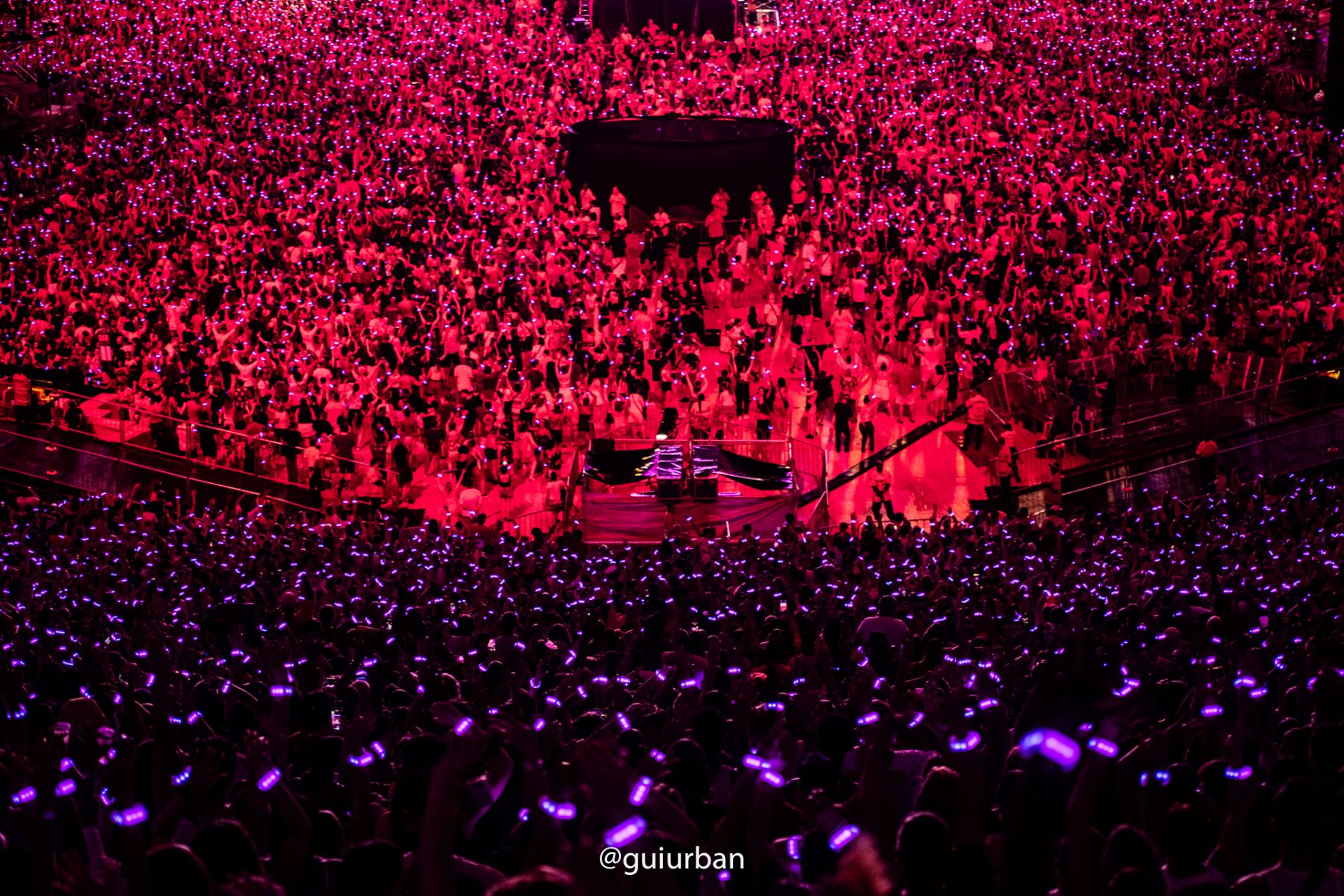
While the artist and creative director dream, the tour manager builds the foundation upon which those dreams can be realised. They are the architects of the possible. Their world is one of spreadsheets, timelines, and contingency plans. They ask the hard questions: Can the gear clear customs in time? Does the venue’s power output support the lighting rig? Is there a plan for collecting and recycling 32,000 LED Bracelets after a three-night run? They are the essential counterbalance, ensuring that the creative ambition doesn’t collapse under the weight of logistical failure.
The Creative Director: The Architect of Immersion
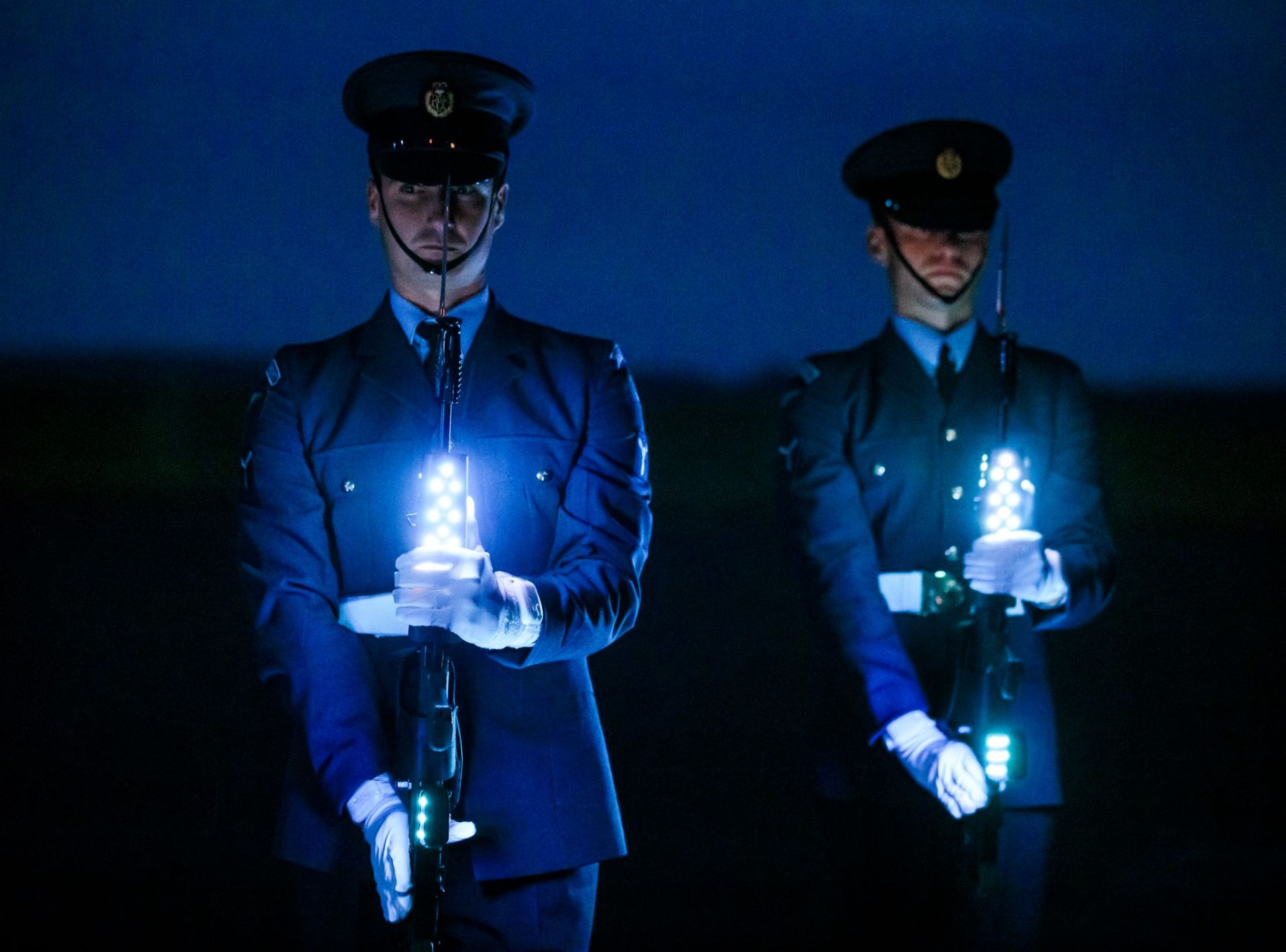
The creative director is the bridge between the artist’s vision and the audience’s experience. They are tasked with transforming a feeling or a musical concept into a tangible, multi-sensory reality. This involves orchestrating every element—from the grand sweep of a lighting design to the precise timing of a Coldplay Xylo Band effect. They work with specialists like Xylobands to integrate immersive event technology, turning the passive crowd into an active, breathing part of the show itself. For a broadcasted event like Formula One's 75th anniversary, this role becomes even more complex, designing a spectacle that works both for the LED Orbs in the arena and for the millions watching at home.
A Playbook for Synergy
Achieving a state of flow within this triumvirate isn’t accidental. It requires a deliberate framework built on communication and respect.
- Establish a Shared Vocabulary: The creative director must be able to translate technical specifications into terms the artist can understand emotionally. The tour manager must articulate logistical constraints in a way that informs, rather than stifles, creativity.
- Define swim lanes, but encourage collaboration: Clear roles prevent chaos, but rigid silos kill innovation. The tour manager might see a logistical solution that unlocks a creative idea. The artist might have a surprisingly practical thought on deploying wearable LED technology. Create forums for cross-disciplinary input.
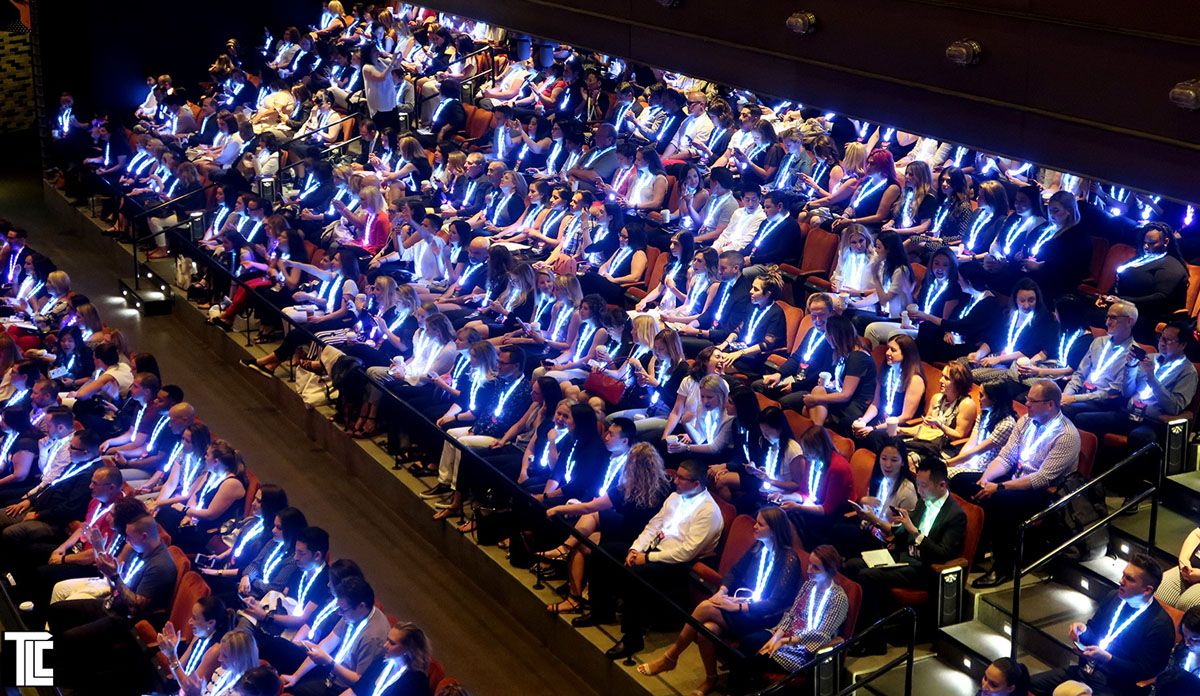
- Bring in Technical Partners Early: Don’t design in a vacuum. Engaging a company like Xylobands during the conceptual phase, not just before load-in, allows for true innovation. We can offer solutions—like custom-branded LED Lanyards for a corporate event or specific programming for radio controlled LED wristbands to match a beat-drop—that might shape the creative direction itself. The conversation shifts from “Can we do this?” to “What becomes possible if we use this technology?”
- Embrace Creative Friction: Disagreement is not dysfunction. The friction between the artist’s ambition, the creative director’s vision, and the tour manager’s pragmatism is often where the best ideas are forged. The key is a foundation of mutual respect that allows for robust debate without damaging the relationship.
The Result: A Unified Spectacle
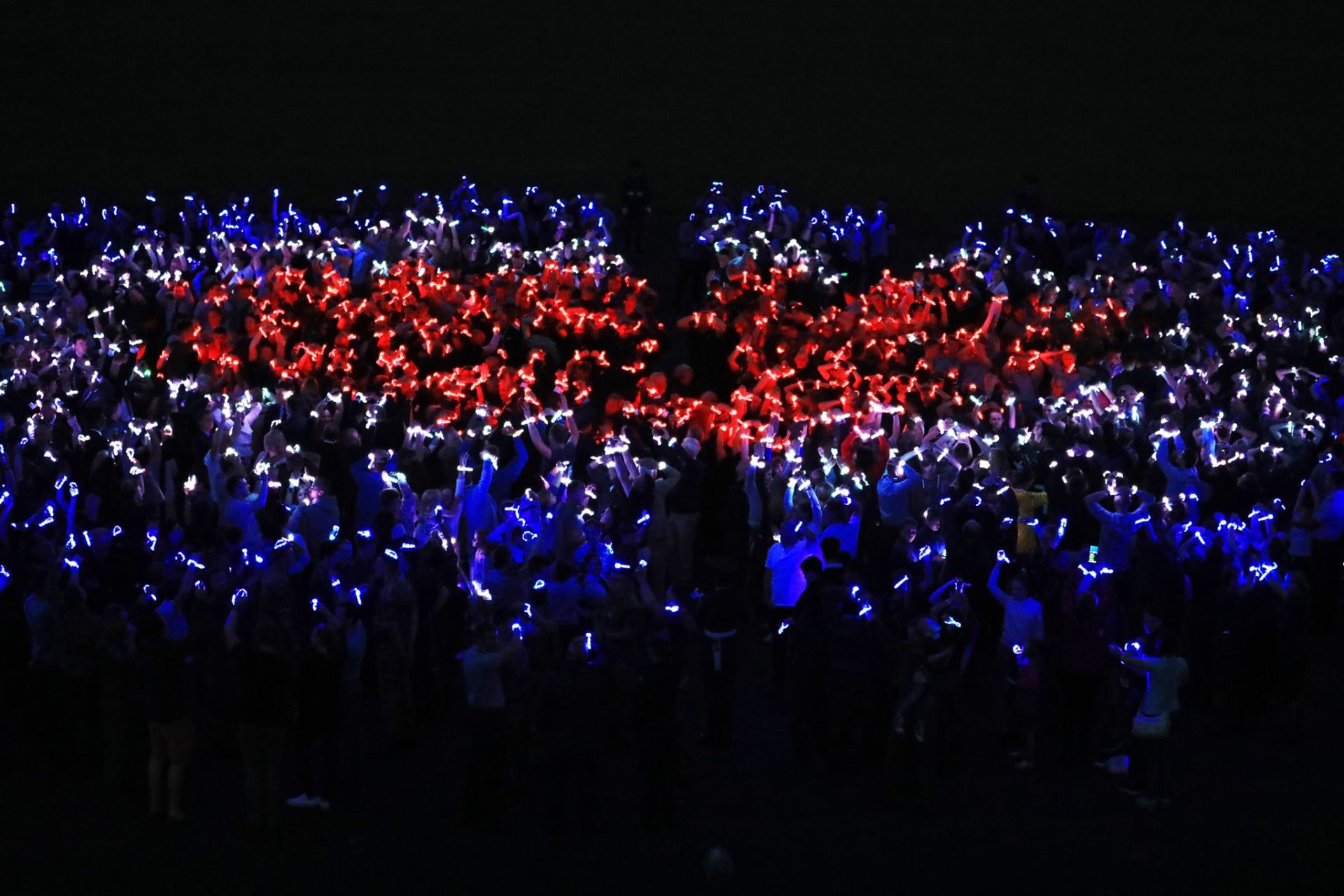
When this collaboration works, the impact is profound. The audience doesn’t see the spreadsheets, the technical diagrams, or the tense production meetings. They experience a single, unified story. They feel the surge of a thousand Concert Wristbands lighting up in unison during a chorus, the intimacy of a single spotlight, the collective energy of a stadium transformed into a canvas of light. That unity is the direct result of the trust and synergy forged by the artist, the tour manager, and the creative director—the unseen conductors of the modern live spectacle.