The Atlas of Atmosphere: A Playbook for Unforgettable Sports Spectacles
From Competition to Spectacle: The New Playbook for Sports Entertainment
The whistle blows. The game pauses. For decades, the half-time show was a welcome, if often simple, intermission—a marching band, a local celebrity, perhaps a modest pyrotechnic display. Today, it represents something far more ambitious. The modern sports spectacle, from opening ceremonies to championship celebrations, has evolved into a sophisticated, multi-layered production engineered to captivate a global audience, both in the stadium and across millions of screens.
This transformation isn’t just about bigger budgets or brighter lights. It’s about a fundamental shift in design philosophy. Event producers, tour managers, and brand marketers are no longer just filling a pause in the action; they are creating a self-contained universe of immersive experience. They are choreographing not just performers on a stage, but the entire stadium environment, turning every seat, every fan, and every pixel into a potential instrument of the show.
The Stadium as a Living Canvas
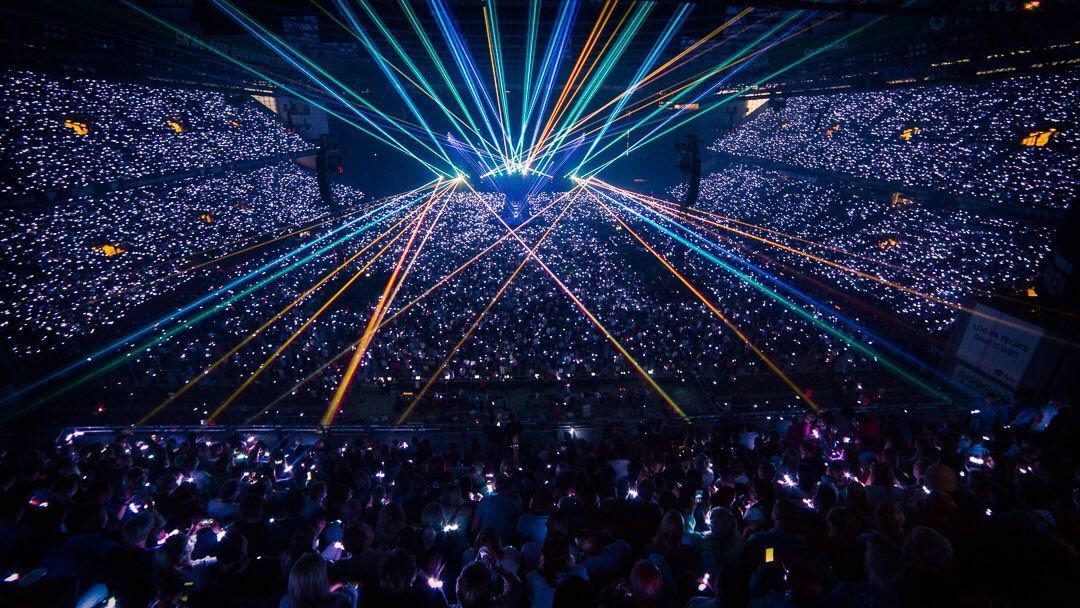
The core challenge of any large-scale sports event is one of focus. How do you unify the attention of 50,000 individuals, each with their own perspective, into a single, shared moment? The answer lies in treating the entire stadium as a canvas. This requires a sophisticated understanding of sightlines, broadcast camera angles, and the psychology of crowd dynamics.
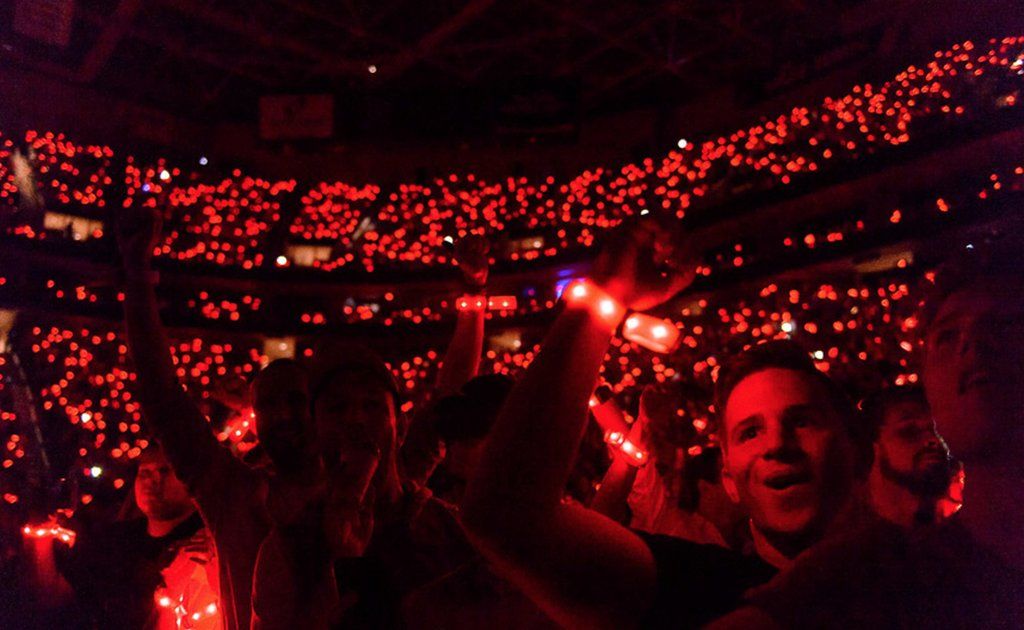
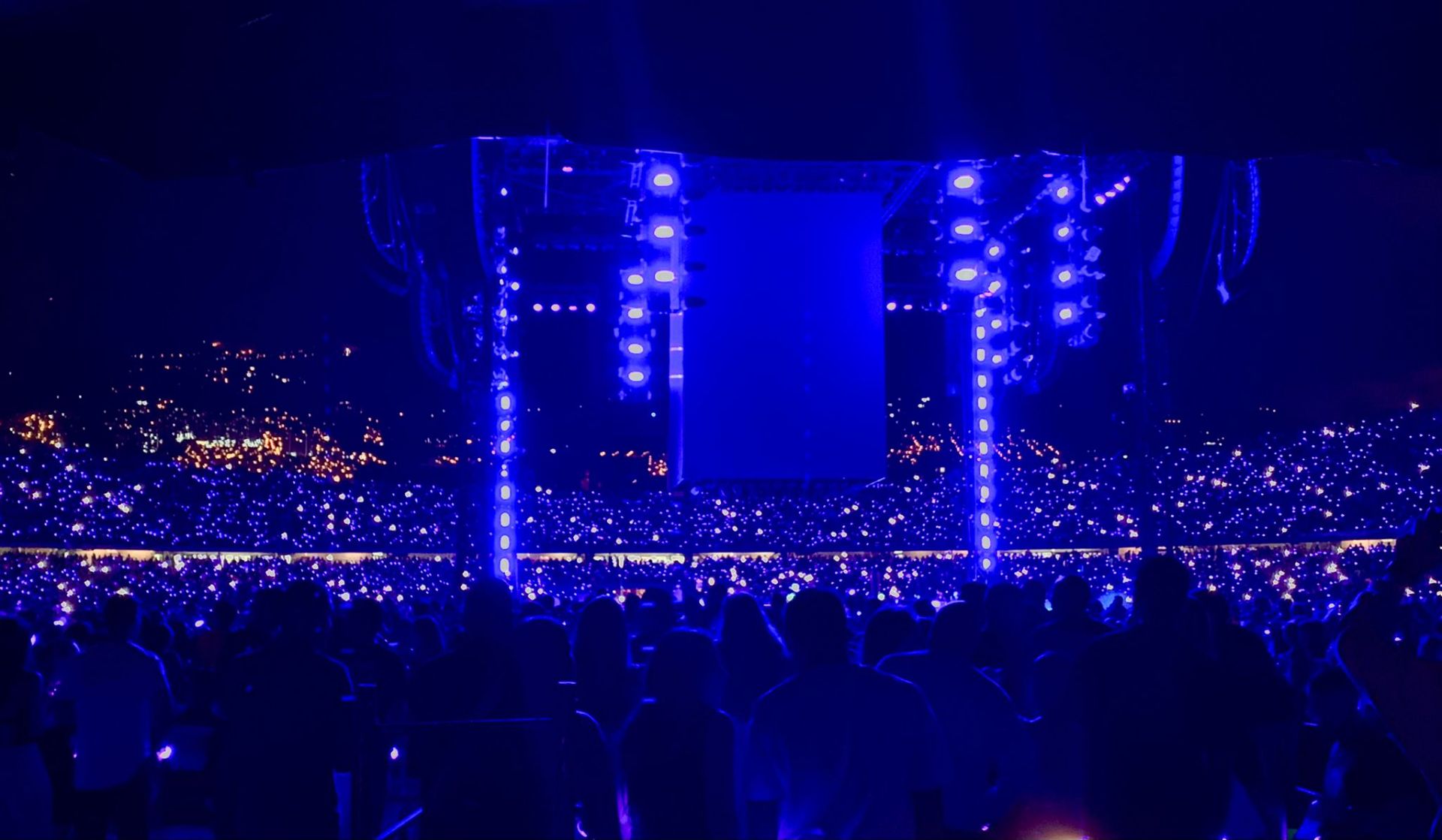
This is where Immersive Event Technology comes into play. Traditional stage lighting, however powerful, creates a focal point. But technologies like radio-controlled LED wristbands—famously known as Xylobands—decentralise the light show, distributing it across the entire crowd. Suddenly, the audience is not just watching the spectacle; they are the spectacle.
At major sporting events like the Davis Cup or for global brands like Formula One, this technology allows for breathtaking visual choreography. Entire sections of a stadium can pulse with a team’s colours after a goal. A wave of light can ripple through the stands, perfectly synchronised with a musical crescendo. This turns passive spectators into an active, illuminated part of the performance, creating a powerful sense of unity and collective energy that translates both in-person and on-camera.
Choreographing for Two Audiences: The Room and the World
A modern sports event has two distinct audiences: the thousands of fans in the seats and the millions watching the broadcast. Designing for one often means compromising the other. A lighting effect that looks spectacular in the arena can appear chaotic or blown-out on television. Conversely, a moment crafted for the perfect close-up can feel distant and underwhelming to those in the upper tiers.
The solution is a dual-focus approach. Production design must serve both the human eye and the camera lens. This involves:
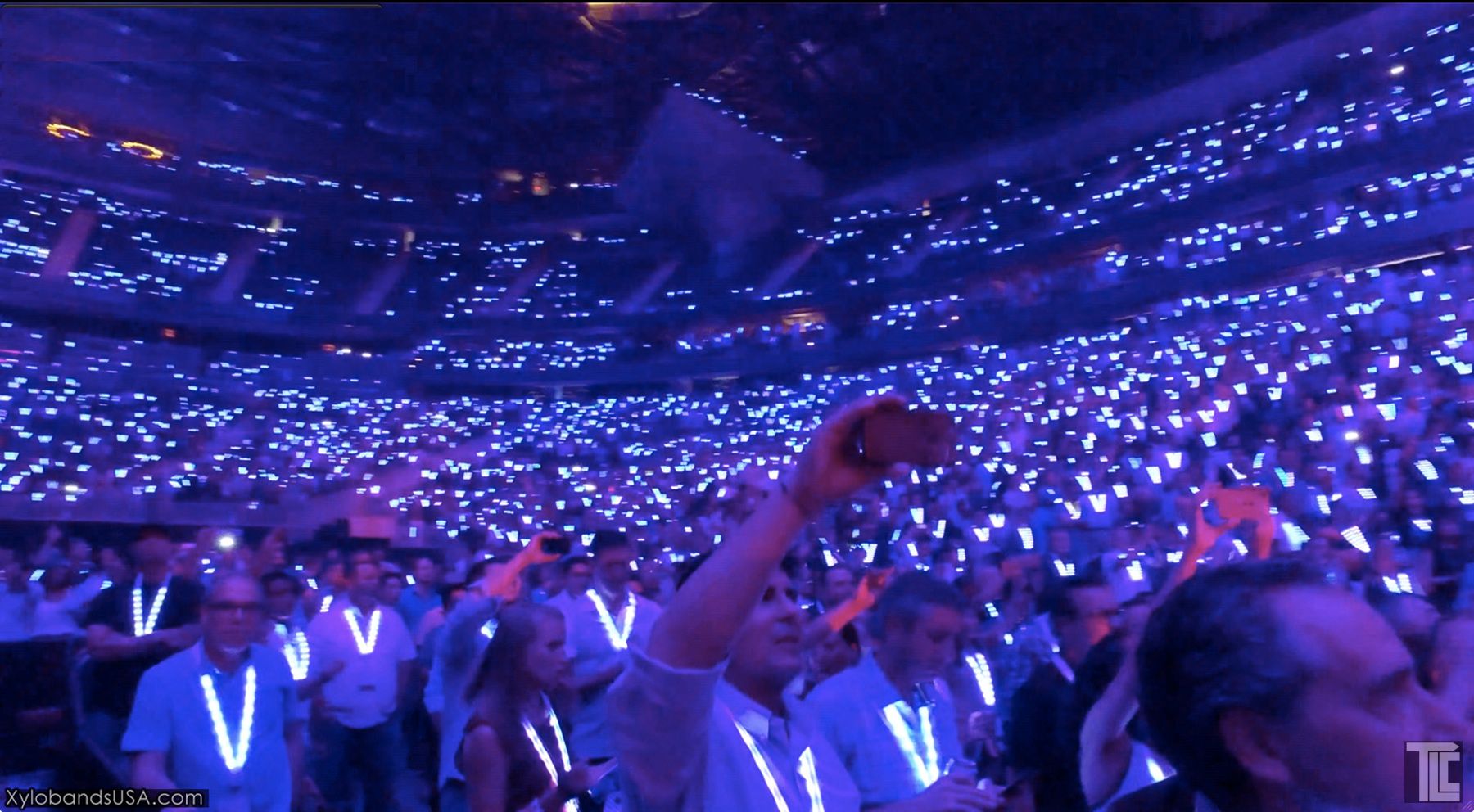
- Strategic Light Mapping: Deploying lighting elements, such as LED Lanyards or wristbands, in specific seating sections to create large-scale images or patterns that are only fully legible from broadcast camera positions.
- Dynamic Contrast: Using darkness as strategically as light. By plunging the stadium into momentary blackness before a massive, crowd-wide pulse of light, the visual impact is magnified tenfold for both audiences.
- Broadcast Integration: Working directly with the broadcast director to sync camera cuts and movements with pre-planned lighting cues. This ensures that the most stunning visual moments are captured perfectly for the viewing audience at home.
This was exemplified during the F1 75 celebration, where custom Xylo Pendants were distributed based on seating to create specific, dynamic effects designed for both the live attendees and the global broadcast, making the crowd a key part of the show’s visual architecture.
The Human Element: Turning 50,000 People into a Single Organism
Technology is the engine, but human psychology is the fuel. The most effective sports spectacles are those that tap into the primal desire for connection and shared experience. When thousands of LED Wristbands illuminate in unison, it does more than just create a pretty picture. It creates a biological response. It fosters a sense of belonging, of being part of something larger than oneself.
“The goal is to dissolve the boundary between the performer and the audience. The moment a fan’s wristband lights up in sync with the action on the field, they are no longer just a spectator. They are part of the team, part of the celebration, part of the light.”
This psychological engagement is the hallmark of truly Immersive Events. It’s a principle we’ve seen play out time and again, from massive concerts with artists like Coldplay and Maluma to high-stakes sporting events for clients like the Chicago Blackhawks and Arsenal FC. By making each fan a node in a living network of light, you create a powerful, emotional, and unforgettable experience.
The Final Whistle: Engineering the Unforgettable
As the game concludes, the lights come up, and the crowd begins to disperse, the final impression is what lingers. The ultimate measure of a successful sports spectacle is not the complexity of the technology or the volume of the music, but the emotional resonance it leaves behind.
By choreographing light, sound, and human energy with precision and purpose, we can elevate a sporting event from a simple contest into a unifying cultural moment. We can create memories that last long after the final score is forgotten, turning every fan into a living, breathing part of the spectacle itself. The playbook is written, the technology is here, and the stadium canvas is waiting.