The Audience as Ally: A Brief History of Participation in Live Events
From Acclamation to Interaction: The Enduring Quest for Collective Experience
The desire for an audience to be more than a passive observer is not a new phenomenon. It’s a primal thread woven through the history of live performance. In the grand amphitheatres of the ancient world, the roar of the crowd was a powerful force, a collective voice that could sway outcomes and signal approval. This was participation in its rawest form: a visceral, human-powered feedback loop. For centuries, this was the primary mode of engagement — applause, chants, and the sheer energy of a mass gathering.
The advent of theatre and structured performance brought with it new, albeit limited, forms of interaction. The call-and-response of pantomime, the chorus in Greek tragedy, and even the timely throwing of rotten fruit were all early indicators of a fundamental truth: people don’t just want to watch; they want to be part of the story. Yet, for generations, the technology to facilitate true, dynamic, large-scale interaction simply didn’t exist. The audience was a powerful but blunt instrument.
The Analogue Shift: Lighters, Singalongs, and the Dawn of Mass Participation
The 20th century, particularly the post-war era of rock and roll, marked a significant shift. The sheer volume of stadium concerts created a new kind of spectacle, and with it, new rituals of participation emerged. The singalong became a staple, turning tens of thousands of individual voices into a unified choir. Then came the iconic image of the lighter held aloft during a ballad — a sea of tiny flames creating a moment of shared, analogue beauty. It was a visual metaphor for the collective soul of the audience, a precursor to the LED crowd experiences of today.
These moments, however beautiful, were largely spontaneous and uncontrolled. They were expressions of collective will, but they were not tools for the artist or producer. They were a one-way communication from the crowd to the stage. The dream of a two-way dialogue, where the show’s creators could harness and direct that collective energy, remained just that — a dream.
The Digital Dawn: Pixels, Bracelets, and the Birth of Immersive Events
The true revolution in audience participation began with the convergence of wireless technology and LED lighting. The first inklings appeared in niche applications, but the seed of an idea was planted: what if every member of the audience could become a pixel in a vast, moving canvas? What if their energy could be visualized, synchronized, and woven directly into the fabric of the performance?
This was the question that led to the invention of Xylobands. Inspired by the crowd during Coldplay's performance of "Fix You" at Glastonbury, our founder imagined a future where the lyric “lights will guide you home” could be made literal. The subsequent collaboration with the band on their Mylo Xyloto tour debuted radio controlled LED wristbands to the world, and in doing so, created a new language for live production. The era of passive observation was officially over.
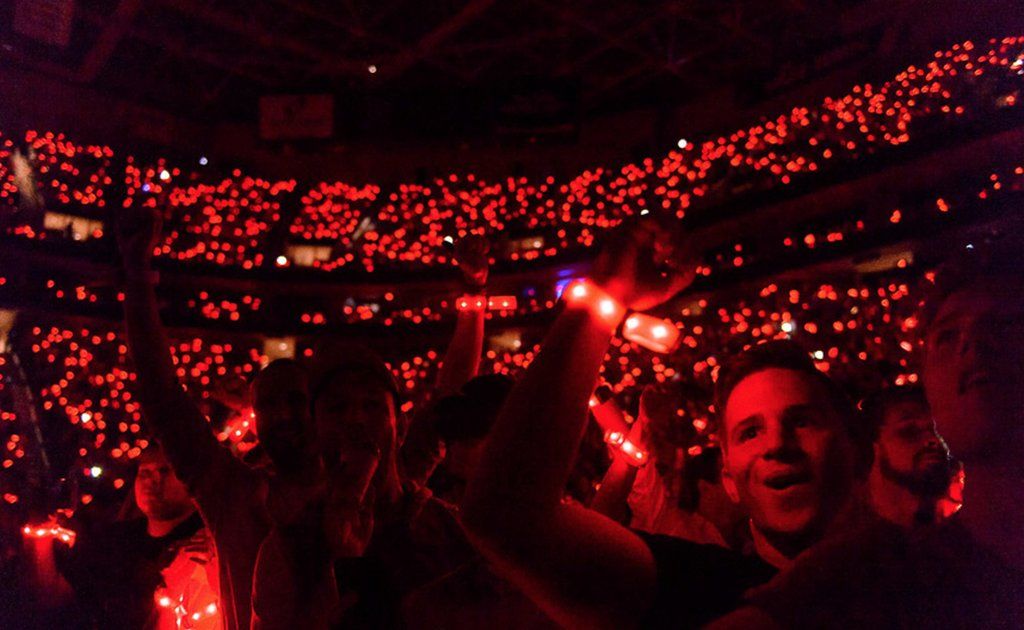
Suddenly, the audience was not just a collection of spectators; they were a living, breathing part of the light show. This wearable LED technology transformed the dynamic of arenas and stadiums, turning static crowds into vibrant, pulsating landscapes of light. The Coldplay Xylobands phenomenon was more than just a gimmick; it was the birth of a new artistic medium.
The Modern Canvas: From Corporate Activations to Global Spectacles
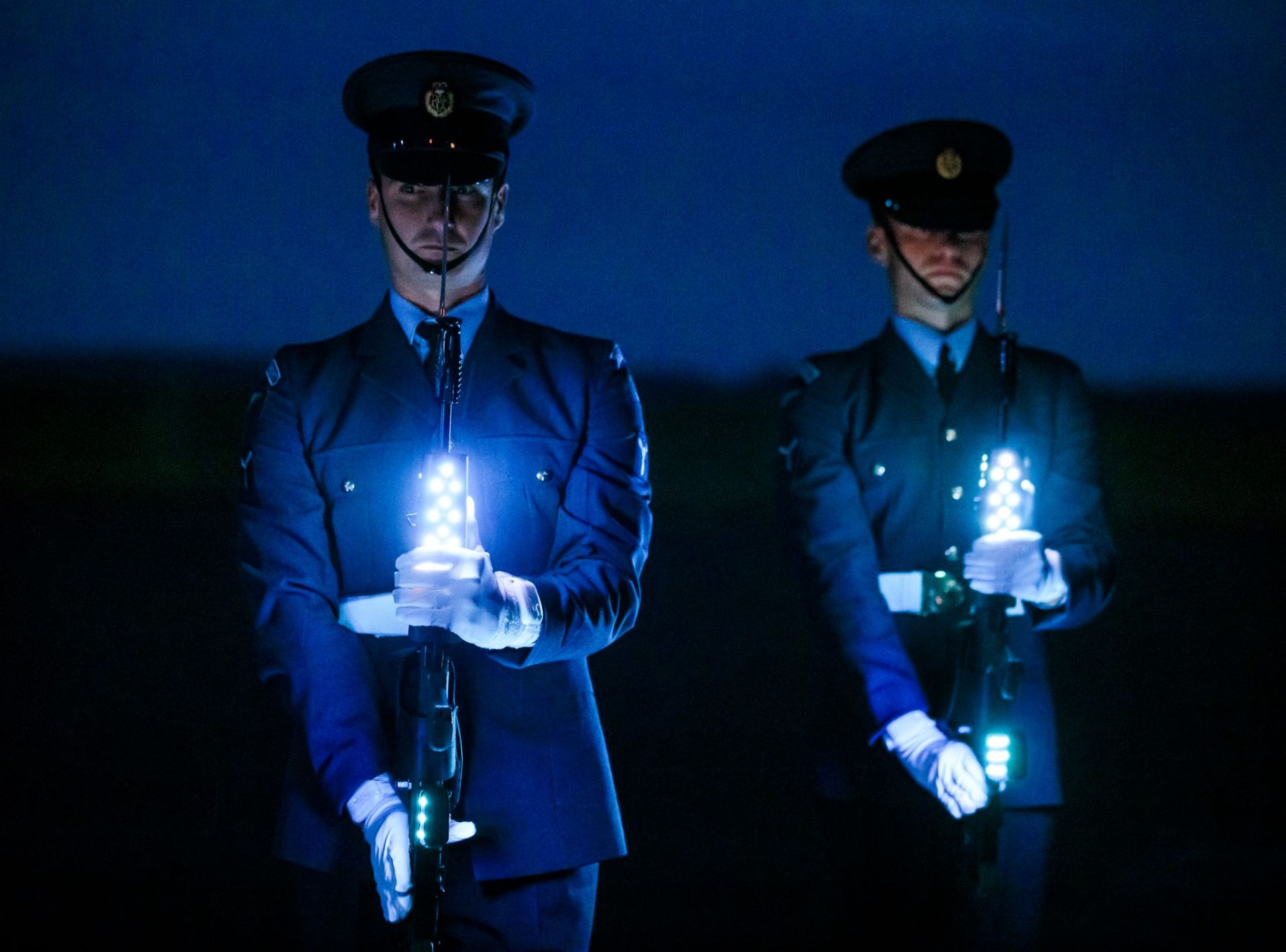
Today, the technology has evolved into a sophisticated toolkit for creating truly immersive events. It’s a technology that has been embraced far beyond music concerts. Major brands and organizations now leverage this power for corporate event activations, turning product launches and conferences into unforgettable shared moments. We’ve seen this firsthand, working with global brands like Formula One to celebrate its 75th anniversary, where custom LED Lanyards united fans of every team into a single, cohesive spectacle.
The applications are as diverse as the events themselves:
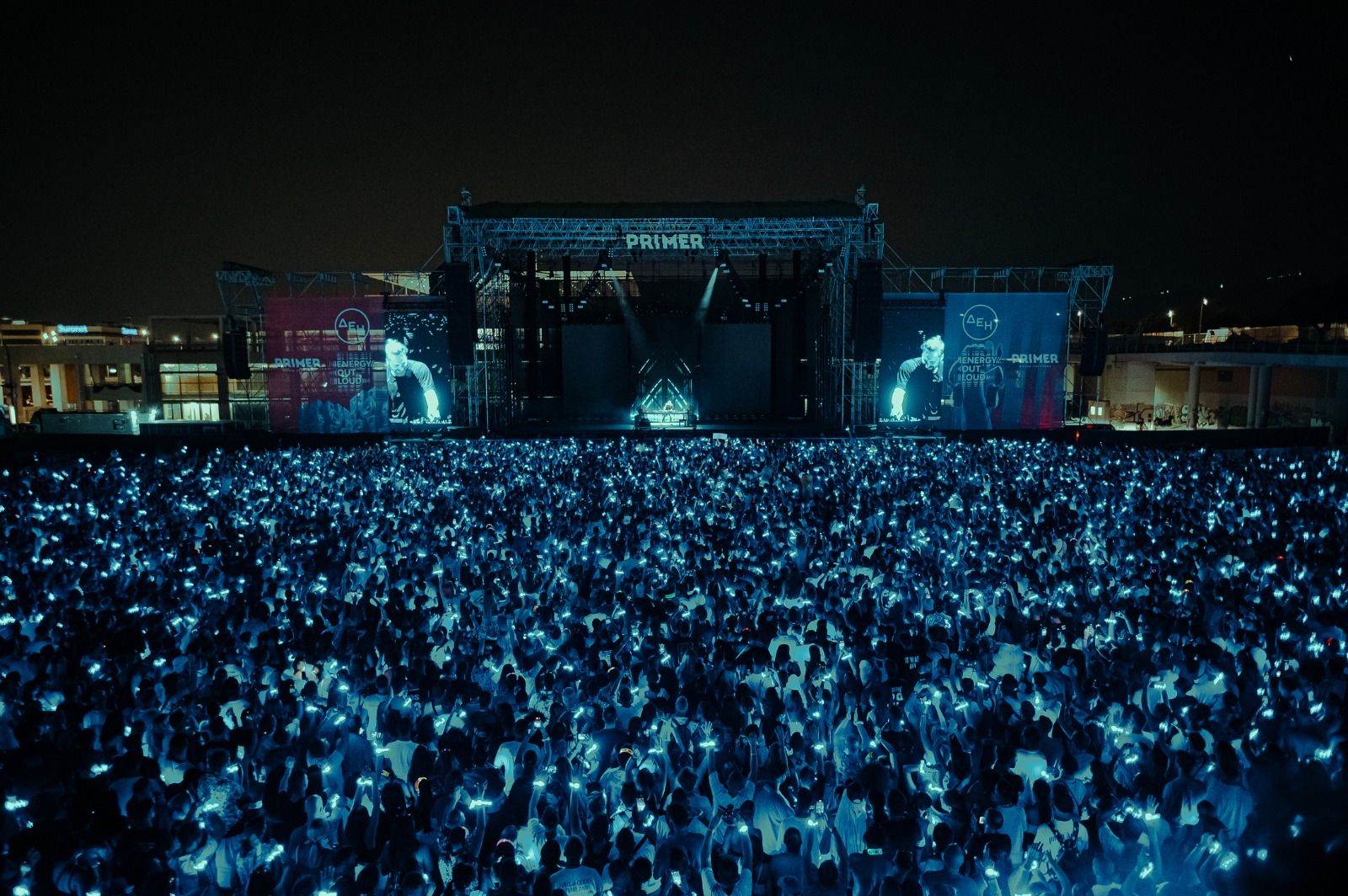
- Music Festivals: At events like Greece's PRIMER Music Festival, festival wristbands are no longer just for entry; they are central to the sensory experience, pulsing with the beat and uniting thousands of fans.
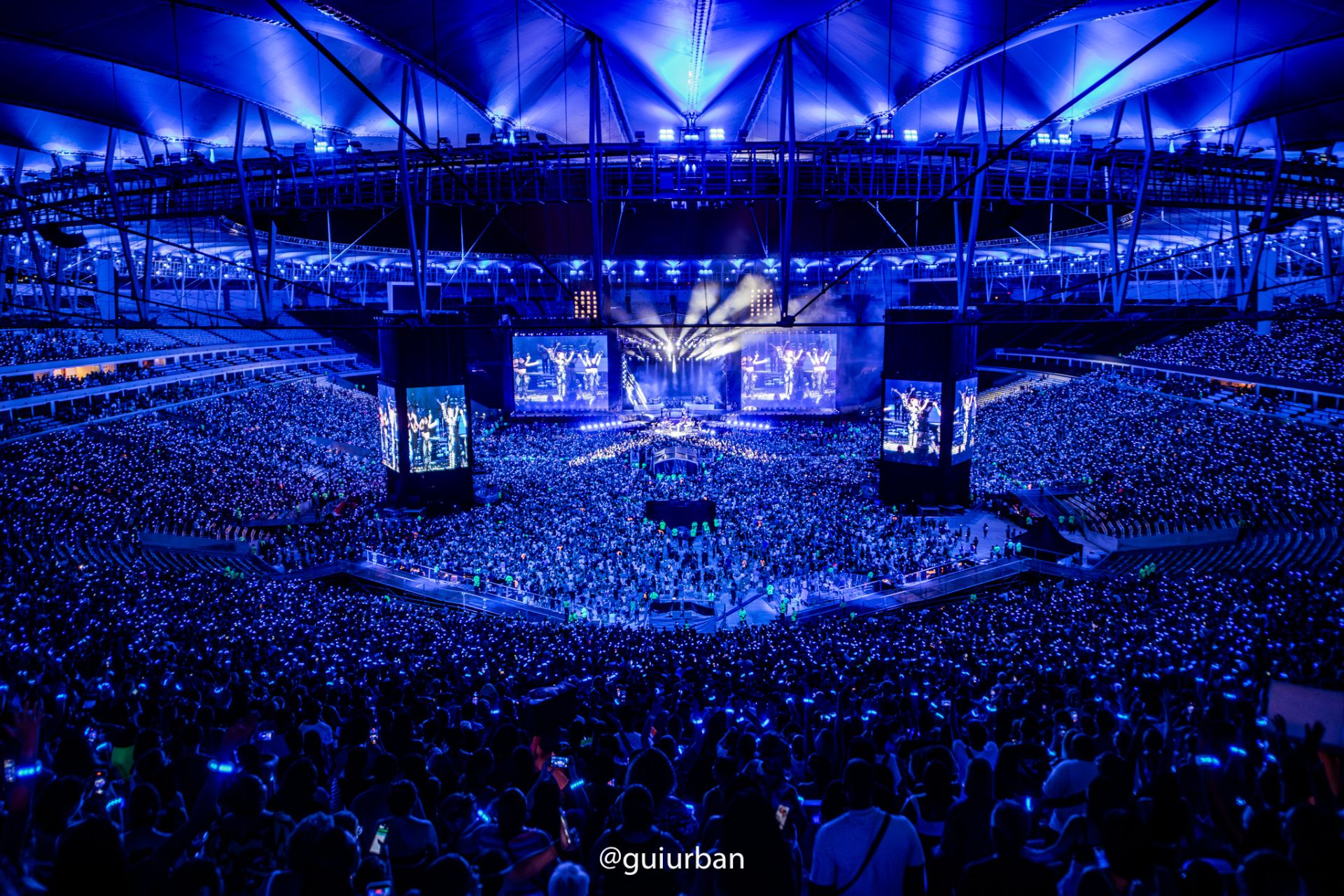
- Major Tours: Artists like Maluma and Wizkid have used LED bands to amplify the energy of massive stadium shows, creating a powerful connection with every single audience member, whether they're in the front row or the back.
- Broadcast Television: In the world of live television, such as with our work for ITV on shows like 'Beat The Chasers', the audience becomes an integral part of the set design, enhancing the experience for viewers both in the studio and at home.
This evolution from simple wristbands to a full suite of LED wearables, including orbs and lanyards, marks the maturation of immersive event technology. The ability to control these devices via RF or DMX allows for intricate choreography, painting with light across a canvas of thousands of people.
The Future is Collective
The journey from the Colosseum’s roar to the synchronized glow of a stadium full of LED bracelets is a testament to the enduring human desire to connect and participate. Technology has finally caught up with this ancient impulse, providing tools that empower artists, producers, and brands to co-create experiences with their audiences. The crowd is no longer just watching the show; they are the show. They are the canvas, the chorus, and the energy that makes the moment unforgettable. The future of live events is not just about what happens on the stage, but about the shared, collective journey we all take together.