Beyond the Broadcast: The New Playbook for Live Sports Entertainment
The Two-Audience Game
The whistle blows, the halftime siren sounds, and the field transforms. For decades, the halftime show was a welcome intermission—a brief spectacle designed to keep stadium audiences engaged while the teams regrouped. But in the modern era of sports entertainment, it’s a main event in its own right, a high-stakes performance engineered for two distinct, yet equally important, audiences: the thousands of fans in the stands and the millions watching on screens around the world.
Mastering this dual-front spectacle is the new frontier for event producers and tour managers. It’s no longer enough to simply fill the silence. The goal is to create a seamless, story-driven experience that translates flawlessly from the stadium seats to the living room sofa. This requires a new kind of choreography—one that extends beyond the performers on the field and into the stands themselves, turning the entire stadium into a canvas for light, story, and emotion.
The Stadium as a Stage, The Crowd as a Canvas
For the live broadcast, every element must be camera-ready. The macro view is king. Broadcasters need bold, sweeping visuals that fill the frame and convey the scale and energy of the event. This is where large-format lighting, pyrotechnics, and drone shows have traditionally excelled. But these elements, while powerful, often create a passive viewing experience. They happen *at* the audience, not *with* them.
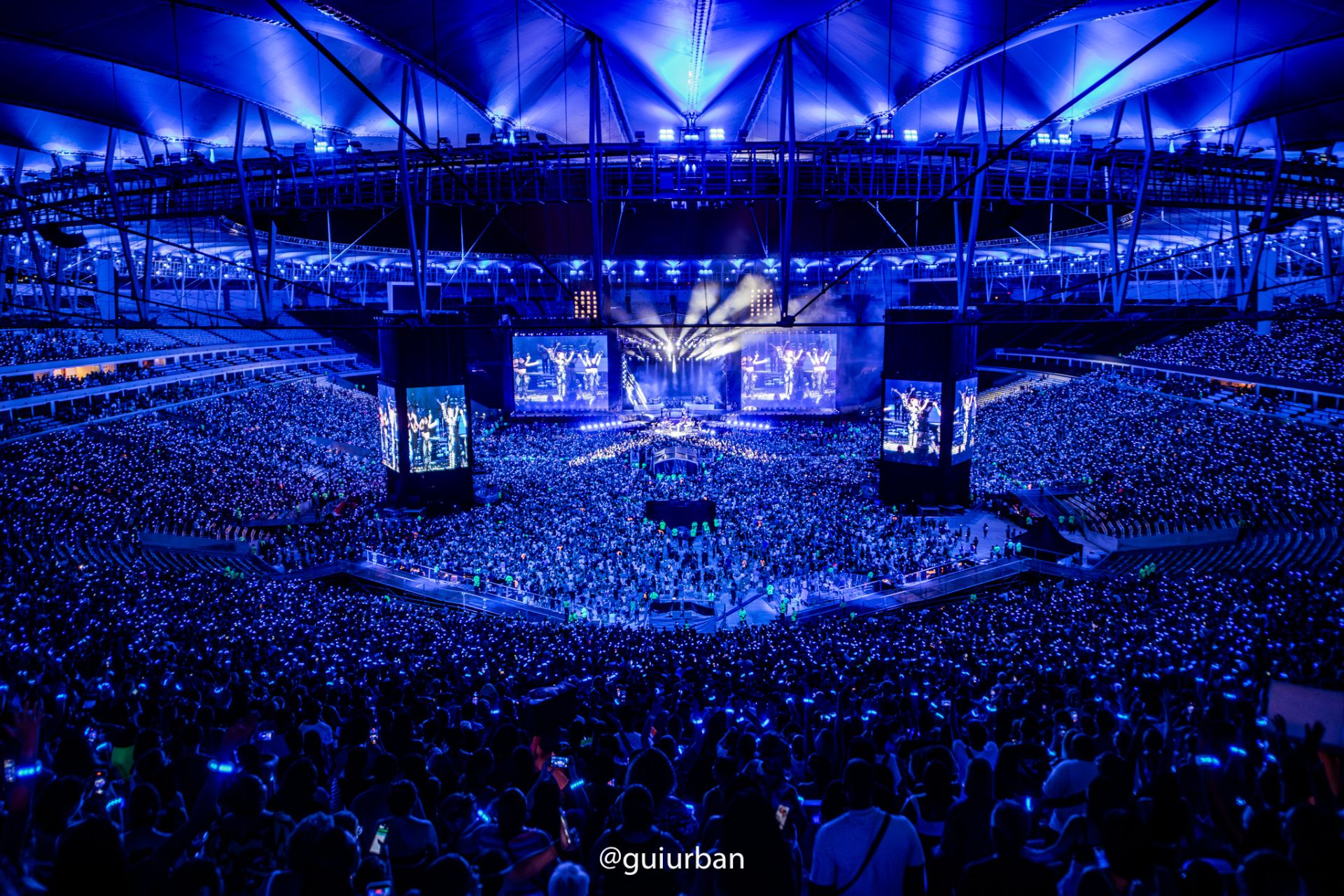
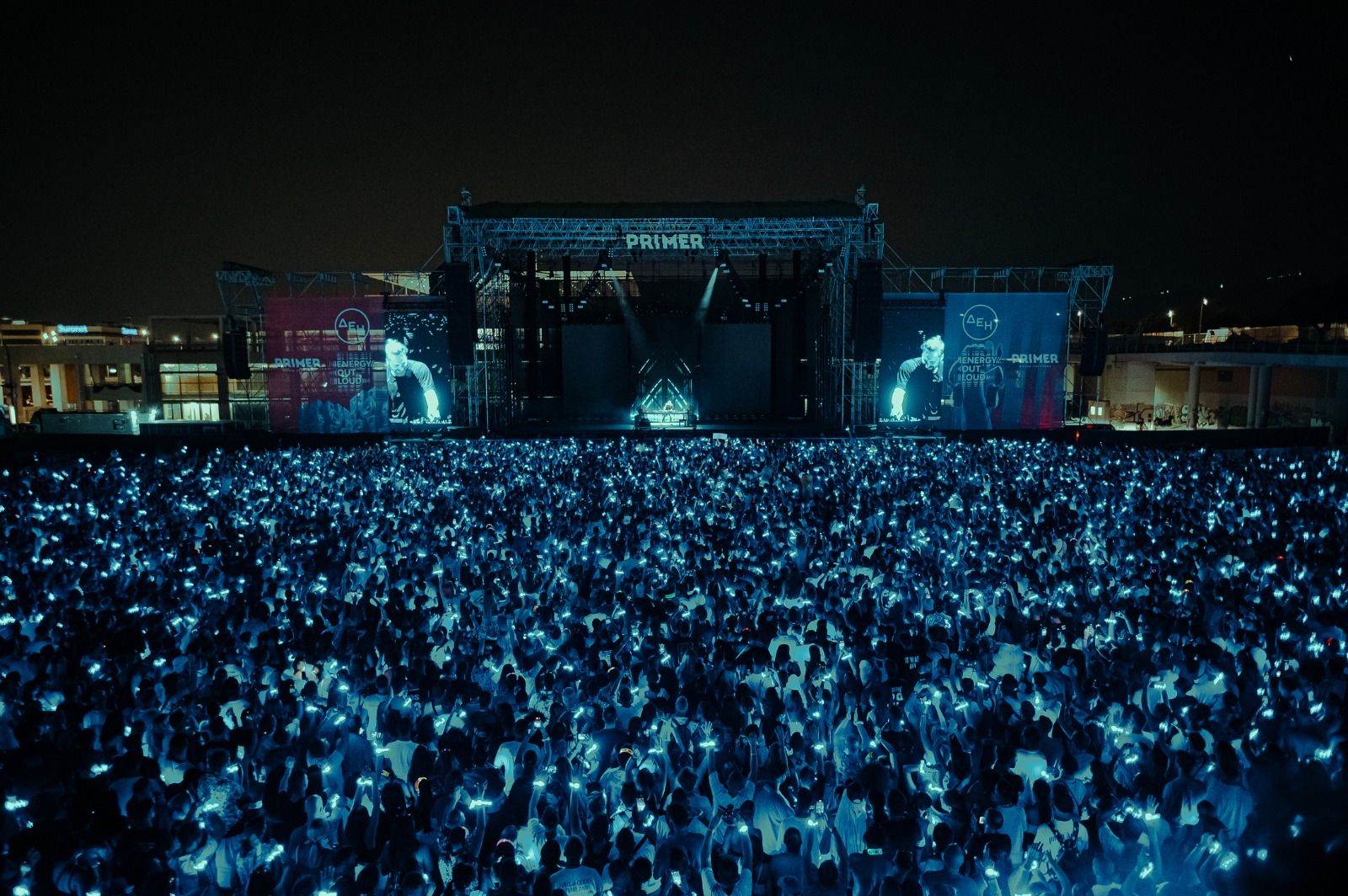
The true revolution in sports entertainment is the integration of the crowd into the performance itself. By equipping spectators with wearable LED technology, choreographers can transform the audience from passive observers into active participants. Suddenly, the stands are no longer a static backdrop; they are a living, breathing entity, a dynamic canvas of synchronized light.
This approach was powerfully demonstrated at major global events like the FIFA World Cup and the Rugby World Cup, where entire stadiums were united in light. Using radio controlled LED wristbands, show designers can paint with the crowd, creating waves of color, pulsing rhythms, and intricate patterns that are perfectly synced to the music and on-field action. For the camera, this creates an unparalleled sense of scale and immersion—a visual shorthand for collective energy and excitement.
The Human-Scale Experience: Lighting for the Lens and the Soul
While the broadcast demands scale, the in-stadium experience is all about the individual. The fan who paid for a ticket deserves more than just being a pixel in a larger picture. They crave a sense of connection, a feeling of being part of something bigger than themselves. This is where the magic of immersive event technology truly shines.
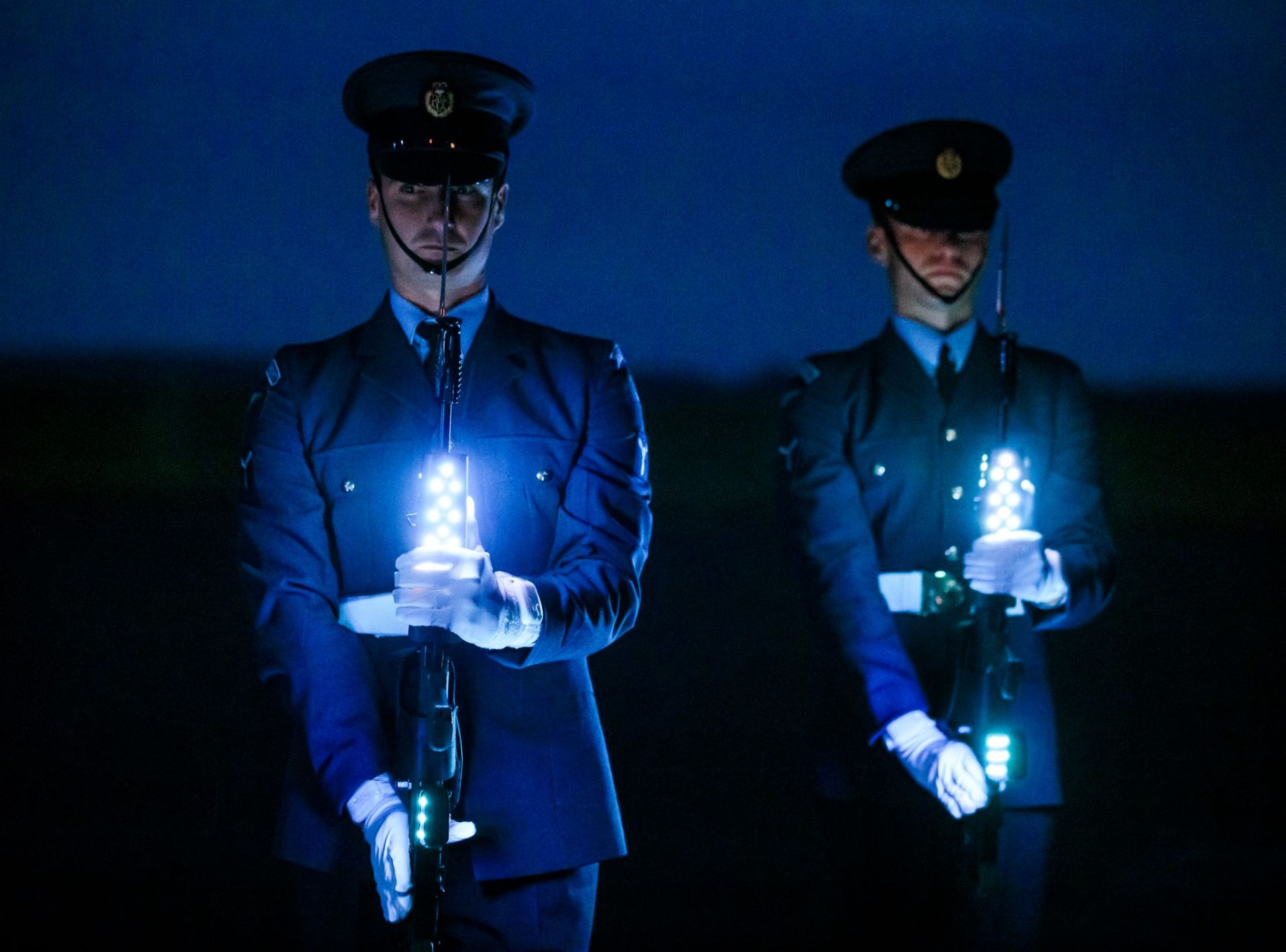
When an entire stadium lights up in your team’s colors after a crucial score, or when your wristband pulses in time with the halftime show’s headliner, the experience becomes personal. It’s a tactile, visceral connection to the event unfolding around you. Xylobands, for instance, are designed to create these moments of collective effervescence. Whether it’s concert wristbands for a global music tour or custom LED wristbands for a major sporting final, the effect is the same: it bridges the distance between the spectacle and the spectator.
This technology allows for incredible choreographic detail:
- Zoning: Light up specific blocks, tiers, or seating sections to create shapes, flags, or team logos across the stadium.
- Color Dynamics: Instantly switch between team colors, flash for dramatic effect, or create gentle fades that build emotional tension.
- Audience Cues: Use light to guide audience participation, signaling when to cheer, applaud, or engage in a call-and-response.
From the Davis Cup to Formula One, these techniques transform the crowd from a passive sea of faces into an integral component of the show’s design. The same technology that provides a stunning wide shot for the broadcast delivers a powerful, personal moment for the fan in their seat.
The Production Playbook: Sync, Story, and Zero-Failure Operations
Executing a production of this complexity, especially during the tight timeframe of a halftime show, demands flawless technical integration and collaboration. The lighting, sound, video, and broadcast teams must operate in perfect harmony, all driven by a singular creative vision.
The control systems are the unseen heart of the operation. Modern LED experiences are typically controlled via RF (Radio Frequency) or DMX, systems that allow a single lighting operator to command tens of thousands of individual devices with precision and reliability. An operator can trigger pre-programmed sequences that align perfectly with the live performance and broadcast cues, ensuring every flash of light hits its mark.
This was the challenge at events like the F1 75 celebration, where 13,000 custom LED Lanyards were distributed to fans. The creative team needed to integrate dynamic lighting effects that resonated with both the live audience and the global broadcast. This required meticulous planning and a robust technical backbone to ensure every lanyard responded instantly, contributing to a cohesive and immersive spectacle.
Ultimately, the new playbook for sports entertainment is about duality. It’s about creating a show that feels massive on screen and intimate in person. It’s about recognizing that the most powerful visuals are not just the ones happening on the field, but the ones reflected in the faces—and on the wrists—of every single fan. By choreographing the crowd, we don’t just create a better show for the camera; we create a more memorable, more human, and more powerful experience for everyone.