Beyond the Fourth Wall: Immersive Light in the Modern TV Studio
The Controlled Chaos of the Broadcast Studio
The television studio is a place of managed magic. Every camera angle, sound cue, and lighting state is meticulously planned and executed with split-second precision. It's a high-stakes environment where the primary audience isn’t the few hundred people in the seats, but the millions watching through a lens, miles away. This creates a fundamental challenge for producers: how do you generate authentic, palpable energy within a controlled space, and how do you make the viewer at home feel a part of it?
For decades, the answer was applause signs and canned laughter. The studio audience was a backdrop, their reactions a necessary but passive component of the production. Today, a new model is emerging, one that blurs the line between the set, the audience, and the broadcast itself. At the heart of this transformation is immersive event technology, turning the live audience from a passive group of spectators into a dynamic, living part of the show’s design.
Engineering for Two Audiences: The Studio and The Screen
Unlike a sprawling festival field or a cavernous arena, the TV studio is an intimate, constrained environment. Every piece of equipment and every person must serve a purpose, and often, a dual one. This is especially true of lighting. A lighting design must look brilliant on camera—rendering colours accurately and sculpting presenters—while also creating an engaging and comfortable atmosphere for the people in the room.
This is the "two-audience problem" in its most concentrated form. Xylobands has been working with major broadcasters like ITV on high-energy productions such as 'Beat The Chasers,' where the pace is relentless and the stakes are high. In this context, lighting is more than just illumination; it's a narrative device. It can build tension, celebrate a victory, or reflect the frantic pace of a ticking clock. The challenge is ensuring this narrative is felt equally by the contestant under the lights, the family in the studio seats, and the viewer on their sofa.
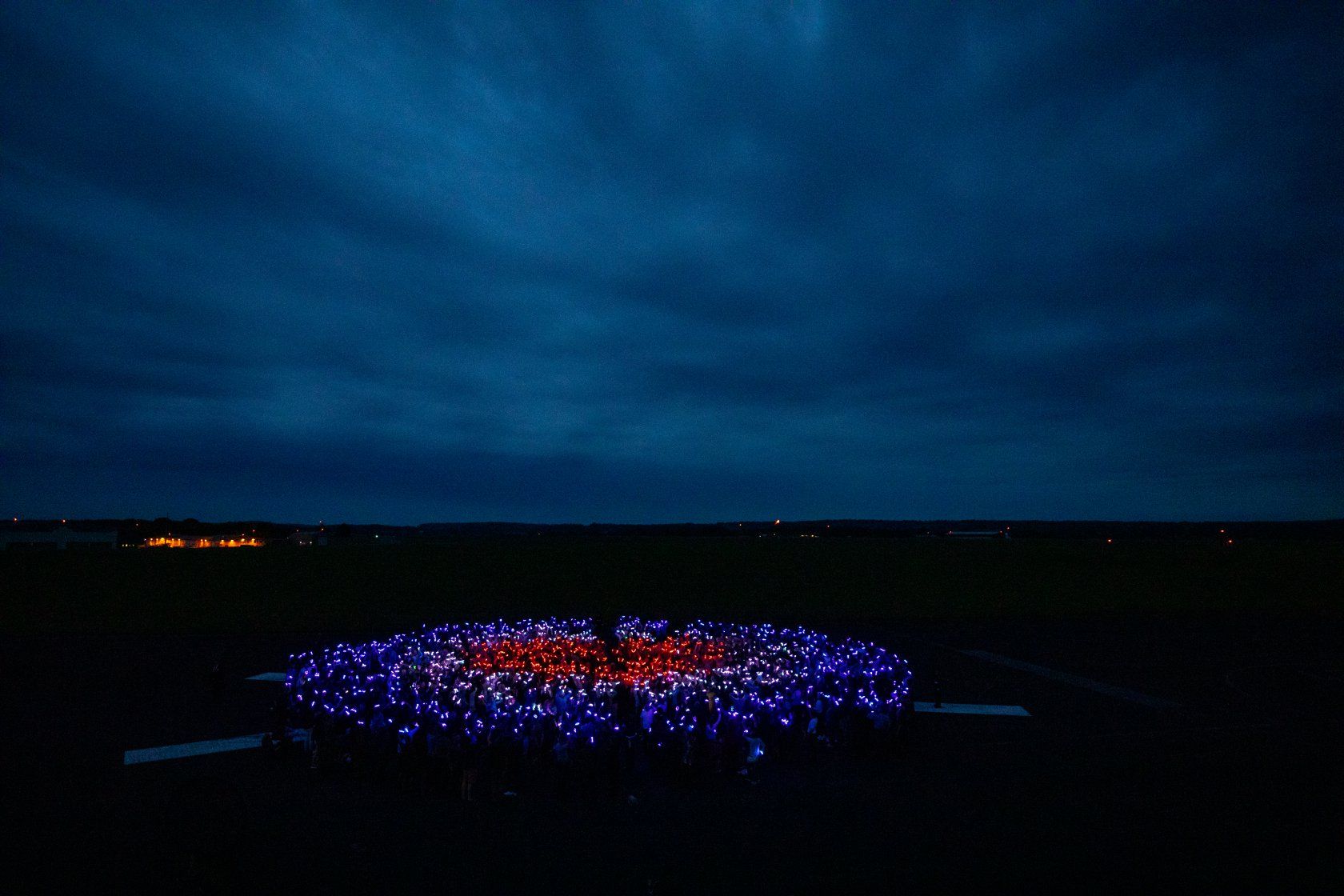
By extending the lighting design into the crowd itself, productions can create a 360-degree environment that envelops the studio audience and translates into a more visually explosive experience on screen.
The Audience as a Living Set
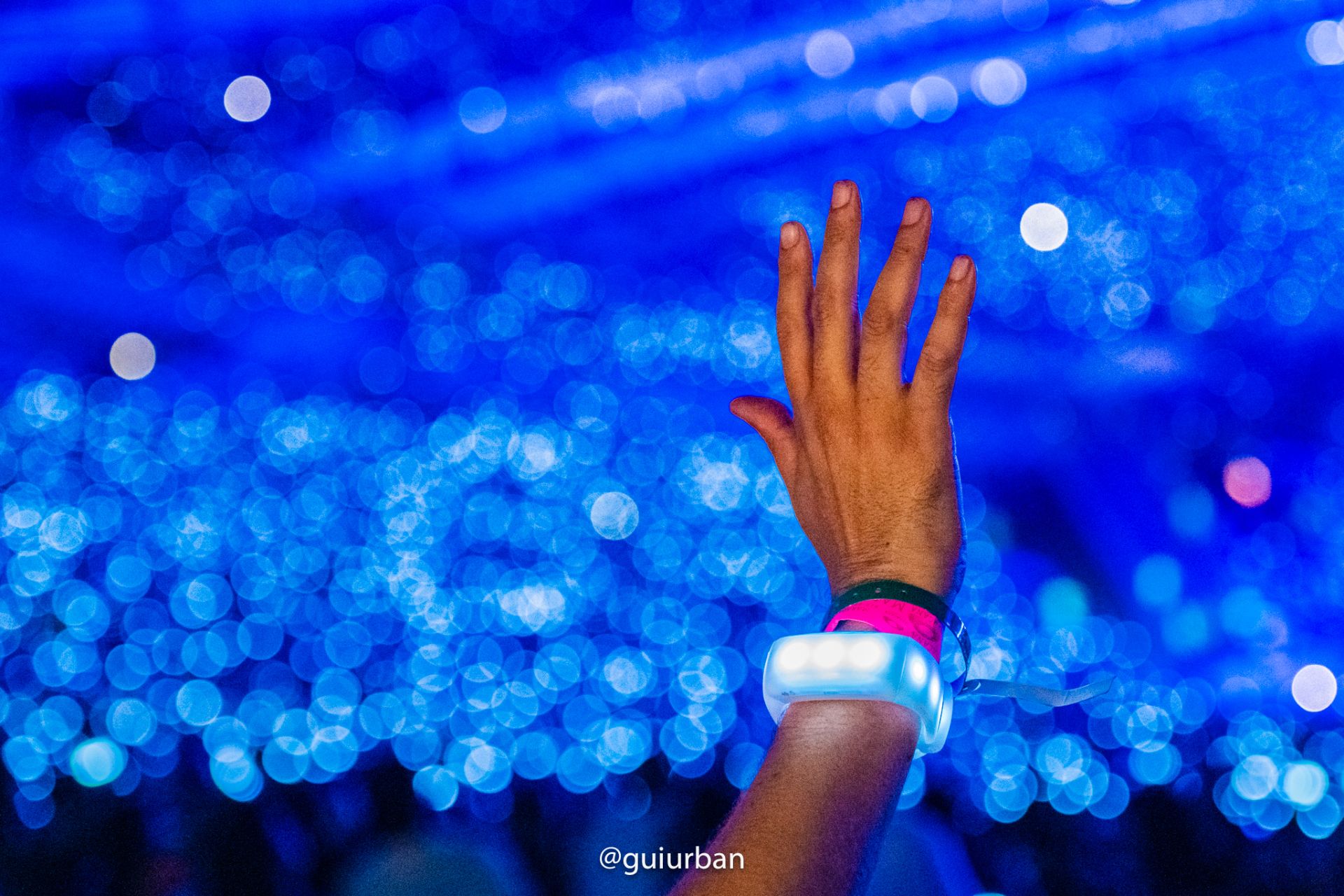
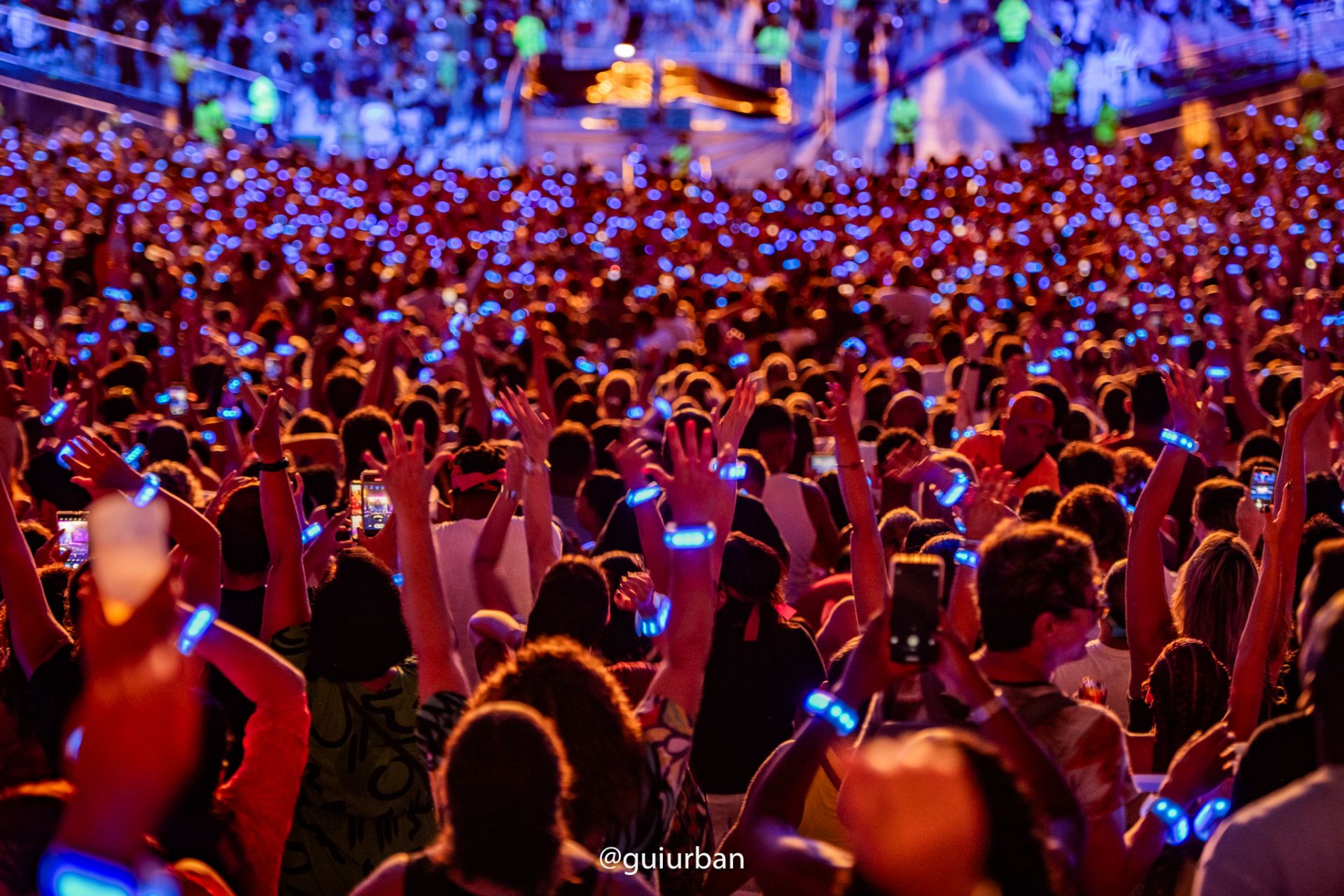
This is where wearable LED technology becomes a game-changer. By equipping the studio audience with radio controlled LED wristbands, the production team gains a dynamic new canvas. Suddenly, the crowd is no longer a dark silhouette but a living, breathing extension of the set, capable of changing colour, pulsing in time with music, or erupting in a flash of light at a key moment.
Imagine a tense quiz show final. As the clock ticks down, the wristbands of every audience member pulse in a frantic, synchronised red. The final answer is given. A moment of silence. Then, as the host confirms the win, the entire studio erupts in a cascade of glittering gold light. This isn't just a visual effect; it's a moment of collective effervescence, a shared emotional peak that the home viewer can see and feel. The energy becomes visible, tangible, and undeniably real.
This level of control is made possible through robust RF technology, allowing a single operator to trigger complex, pre-programmed lighting cues across hundreds or thousands of individual devices with zero latency. It’s a powerful tool for creating layered, immersive LED crowd experiences that are perfectly timed to the second.
Broadcast-Grade Execution: The Formula One Blueprint
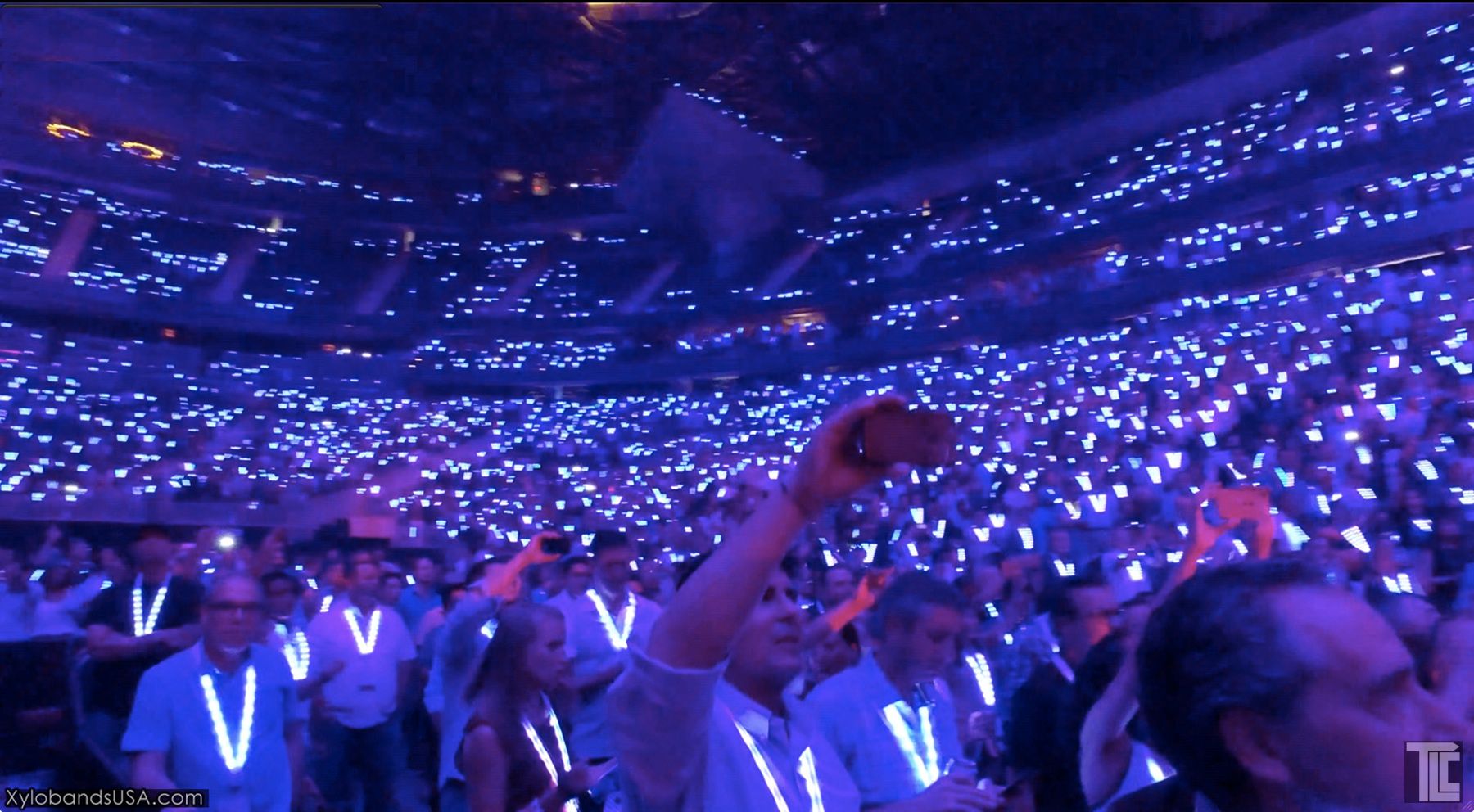
The principles of lighting a studio audience are magnified when the event is a globally broadcast, one-off special. For the Formula 1 75th Anniversary show at London's O2 Arena—a live, 2-hour broadcast—we were tasked with creating an immersive experience that worked both for the 13,000 fans in attendance and the global broadcast audience.
The solution involved custom LED Lanyards (our Xylo Pendants), created with multiple unique branding designs for each F1 team, hospitality level, and general admission. This was more than just swag; it was a core part of the show’s creative vision. Our deployment team strategically positioned attendees around the arena based on their specific pendant. This allowed the show's creative team to design visual moments with incredible precision, like isolating the fans of a specific team in their signature colour or creating massive, sweeping patterns that flowed across the entire venue. It demonstrates a key principle: integrating the audience into the fabric of the broadcast itself, making them a crucial part of the spectacle.
Beyond the Studio: Unifying the Hybrid Experience
The lessons learned in the contained world of the TV studio have profound implications for the growing world of hybrid events. From major tech launches to global sales kick-offs, corporate event activations now frequently involve a live "hero" event being streamed to a distributed global workforce.
Here, the challenge is identical: making the remote viewer feel connected to the energy of the live experience. By transforming the in-person audience into a vibrant light show, companies can create a broadcast that is more dynamic, engaging, and emotionally resonant. The palpable excitement of the room is transmitted through the screen, fostering a sense of unity and shared purpose that a standard video stream simply cannot replicate.
From the first spark of an idea watching Coldplay at Glastonbury to engineering an integrated light show for clients like NASA, Google, and the BBC, our mission has been to use light to create moments of human connection. In the modern TV studio, that mission finds one of its most technically demanding and visually rewarding expressions. By breaking the fourth wall and inviting the audience to become part of the story, we are not just lighting a show; we are amplifying a shared experience, broadcasting it from the studio to the world.