Beyond the Proscenium: A Modern Philosophy of Arena and Stadium Lighting
The Tyranny of Distance
For decades, the fundamental challenge of the arena or stadium concert has been the tyranny of distance. The sheer scale that makes these venues so epic also creates a vast physical and psychological gap between the artist on stage and the fan in the last row. For the lighting designer, the traditional task was simple, if monumental: illuminate the performers. The audience resided in the darkness, a passive sea of observers. But the philosophy of modern lighting design has undergone a seismic shift. It is no longer about simply conquering the darkness; it’s about weaponizing it, painting on it, and ultimately, unifying the entire architectural volume into a single, cohesive, emotional territory.
Today, the goal is to collapse that distance. The new benchmark for a world-class production is an experience that feels as intimate and electric in seat 40,000 as it does in the front row. This requires a reimagining of the venue itself—not as a container for a show, but as an instrument to be played. And the primary means of playing that instrument is light, increasingly extending beyond the stage to activate the most critical component of the show: the crowd.
The Audience as the Canvas
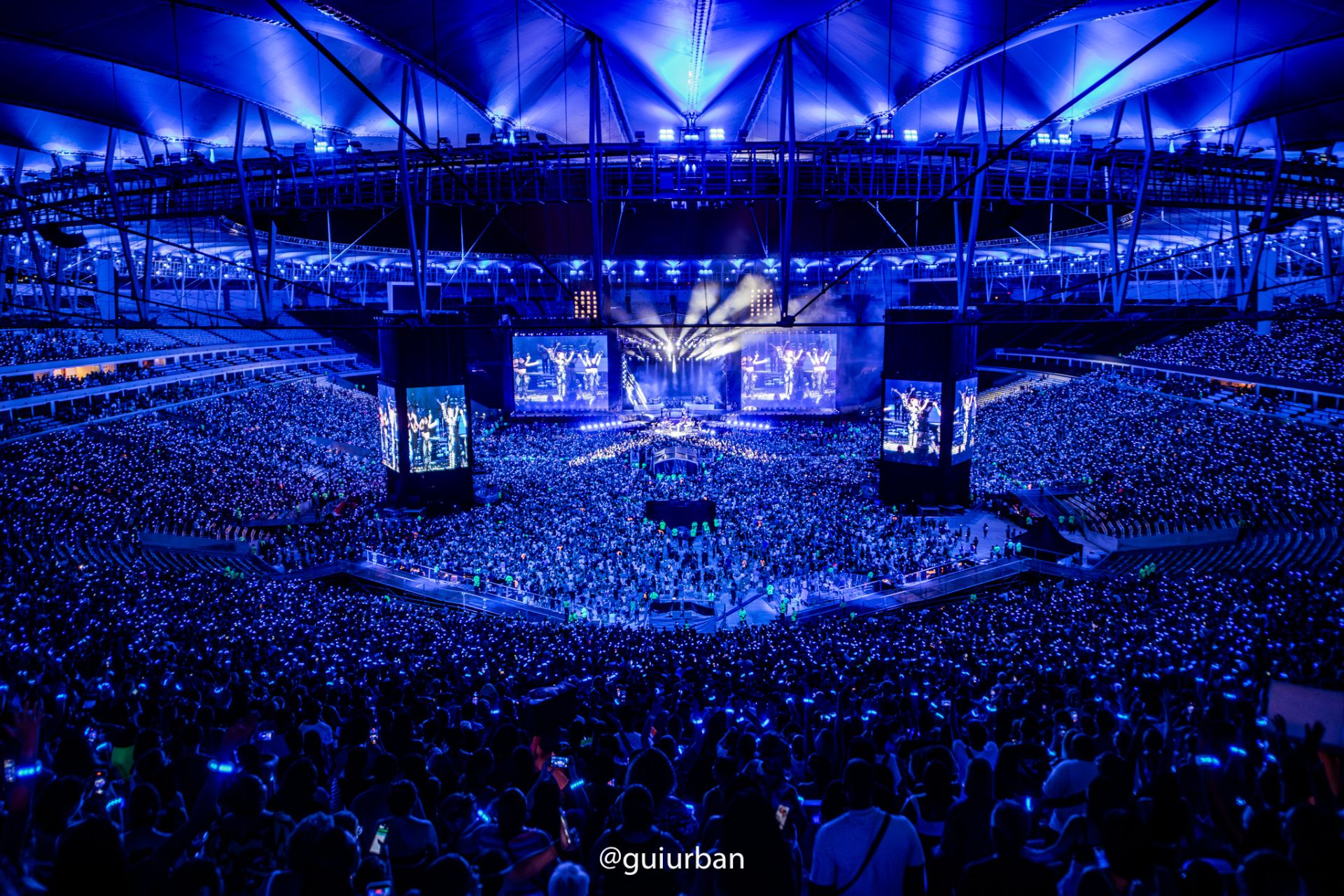
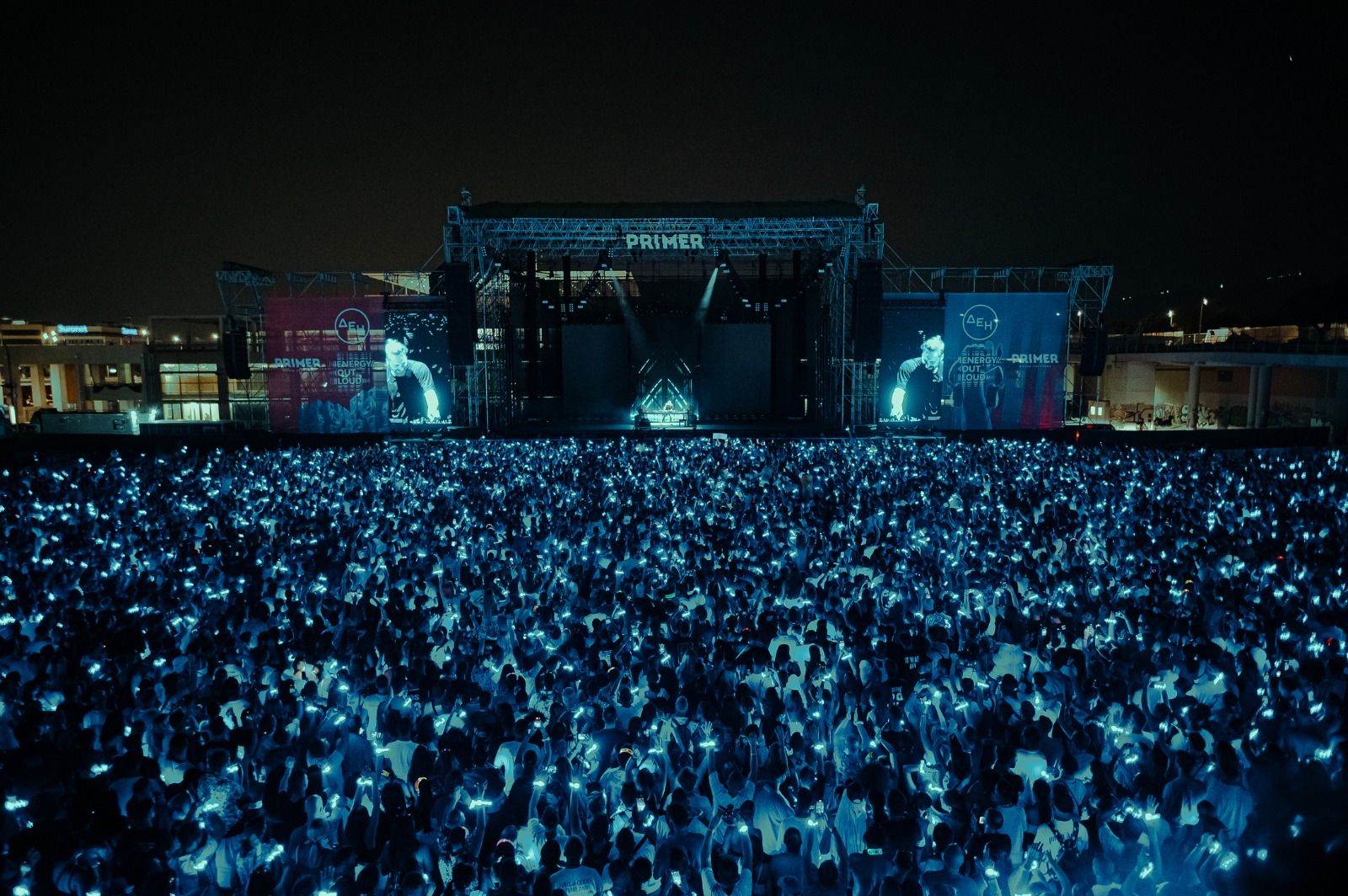
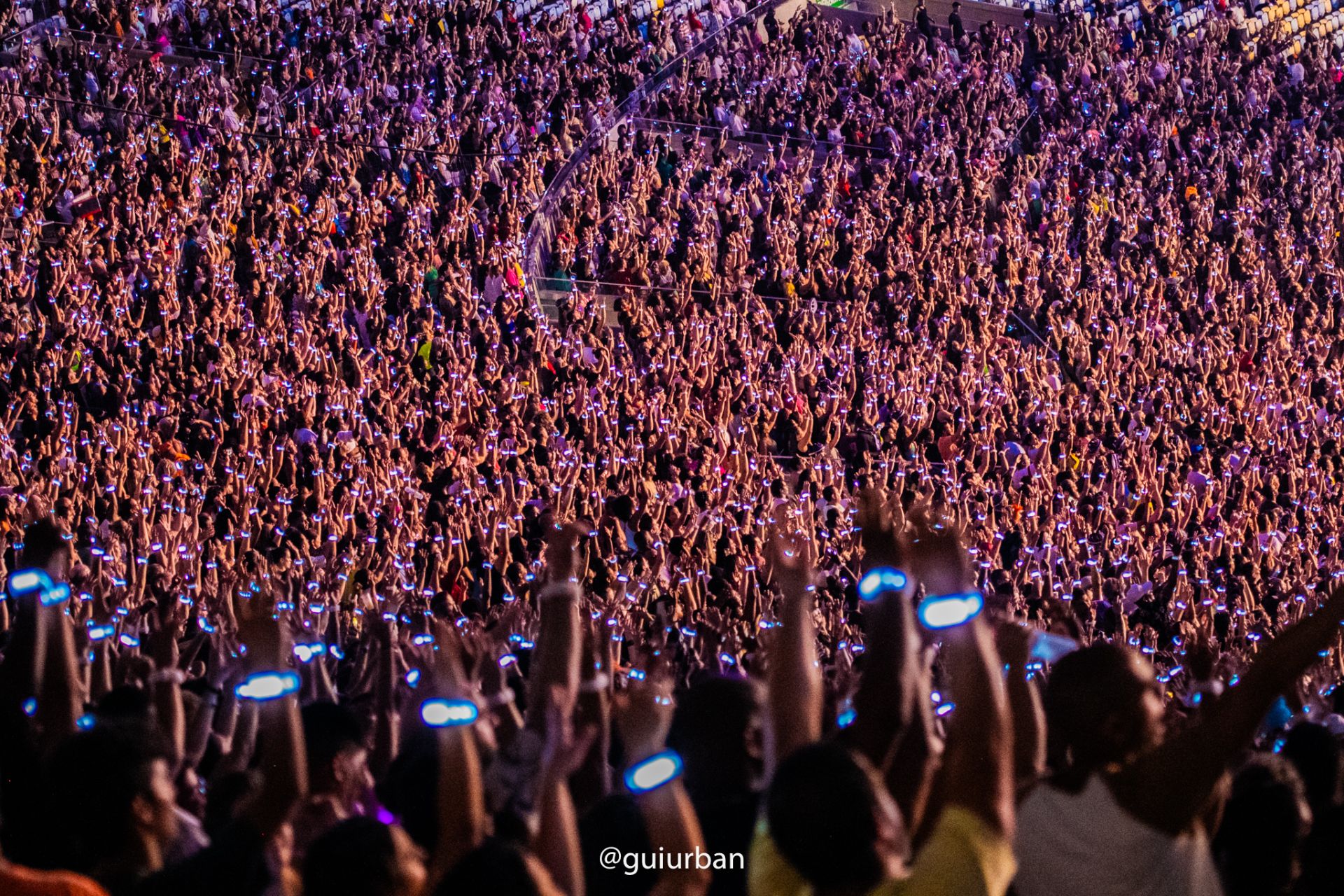
The most profound evolution in large-scale lighting design is the shift from viewing the audience as spectators to viewing them as a canvas. The proscenium arch, the traditional frame of performance, has been conceptually demolished. The show is no longer just happening *on stage*; it’s happening in every seat, on every wrist, and in every corner of the building. This is the foundational principle behind today’s most powerful LED Crowd Experiences.
This idea was famously crystallized with the debut of Coldplay Xylobands on their Mylo Xyloto tour. The concept, born from a vision of turning a passive audience into a dynamic light show, revolutionized what was possible. Suddenly, every individual held a pixel. The grand, sweeping gesture of a lighting cue was no longer confined to the rig—it could ripple through tens of thousands of people, creating waves of color and synchronized pulses that were inextricably linked to the music. This application of Wearable LED Technology transformed the scale of the stadium from a challenge into an asset. It provided a new, deeply human texture for designers to work with.
Whether it’s a crowd of 54,000 unified in light for Maluma’s landmark hometown show in Medellín or the sold-out nights at London’s O2 Arena for Wizkid, turning the audience into an active part of the visual design creates undeniable moments of collective effervescence. This is the core of modern Immersive Event Technology: not just showing the audience something amazing, but making them part of it.
Designing for Two Audiences: The Eye and the Lens
Every major tour production is now designed for two distinct audiences: the human eyes in the room and the camera lens broadcasting to the world. A visual moment that feels epic in person can appear blown-out or chaotic on a phone screen. Conversely, a subtle effect optimized for broadcast might be lost entirely in the vastness of an arena. The modern lighting director must serve both masters.
This dual focus influences everything from fixture choice and color palettes to the very structure of a lighting cue. Rich, saturated colors that envelop the live audience also create a stunning, shareable visual language for social media and live streams. When Xylobands created custom LED Lanyards for a major Formula One broadcast event, the design wasn’t just about the live experience; it was engineered to look spectacular on camera, creating a dynamic, branded backdrop for the global feed.
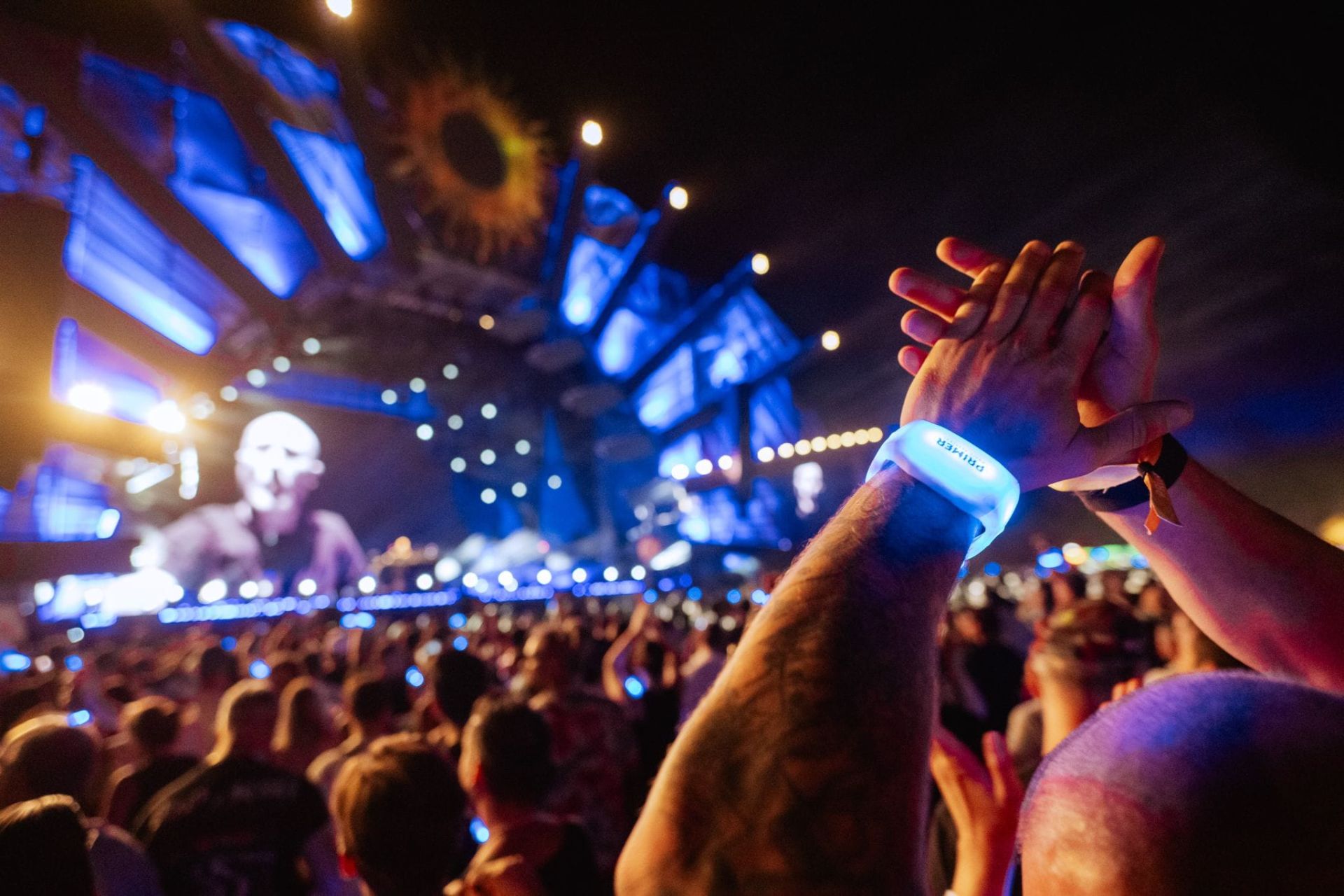
Concert Wristbands and other forms of LED Wearables are inherently camera-friendly. They provide points of controllable light that render beautifully on screen, outlining the scale of the crowd and adding a layer of professional polish that fan-shot footage rarely captures. The best designs create moments that are not only felt in the room but are deliberately composed to be captured and shared.
The Architecture of Emotion
A great light show is a narrative. It has a grammar, a rhythm, and an emotional arc that mirrors the artist’s performance. It is not a relentless two-hour assault of brightness and color, but a carefully paced journey of dynamics. The loudest visual moments are only effective when contrasted with moments of near-total darkness and intimacy. Modern lighting design is the architecture of emotion, using light and shadow to build tension, release, and catharsis.
This is where the precision of the control system becomes paramount. With Radio Controlled LED Wristbands, a designer has granular control over the entire venue. A single command can trigger a venue-wide blackout, followed by a slow, gentle pulse on every wrist, creating a breathtaking moment of shared quiet. The next song might call for a chaotic, strobing frenzy. This ability to modulate the energy of 80,000 people—to go from a unified sea of light to thousands of individual, twinkling stars—is an incredibly powerful storytelling tool.
This level of control allows the lighting to breathe with the music, to underscore a delicate piano intro or amplify a thunderous chorus. It moves beyond simple illumination and becomes a responsive, emotional layer of the performance itself, making the LED Bands an extension of the lead singer’s voice or the drummer’s beat.
The Unified Field
Ultimately, the modern philosophy of arena and stadium lighting is about the creation of a unified field of experience. It’s about leveraging technology not for its own sake, but as a means of dissolving the barriers between the artist and the audience. The complex infrastructure of LED Event Technology—the RF transmitters, the DMX integration, the software that allows a single operator to conduct a symphony of light—all serves one simple purpose: to make every single person feel like they are part of a singular, unrepeatable moment.
By extending the design canvas to include every seat, we transform the audience from passive consumers into active participants. They are no longer just watching the show; they *are* the show. From the front row to the highest tier, a shared current of light connects everyone, collapsing distance and creating a spectacle that is both monumental in scale and profoundly human. This is the new architecture of awe, engineered for the modern super-crowd, creating truly Immersive Events that resonate long after the final note has faded.