The Art of the Arena: Choreographing Light for Modern Sports Entertainment
From Touchdowns to Light Shows: The New Era of Sports Entertainment
The final whistle of the first half blows. The players retreat to the locker rooms, but the energy in the stadium doesn't dip. It transforms. What was once a field of athletic competition becomes a stage for a spectacle of light and sound—a high-stakes, technically complex production that now rivals any major concert tour. This is the modern halftime show, an art form in its own right, where choreographing light is as critical as the athletes' performance.
For event producers and tour managers, the sports arena presents a unique canvas. It's a 360-degree environment where the audience isn't just watching the show; they are the show. The challenge is to bridge the distance between the on-field performance and the spectator in the highest tier, making tens of thousands of individuals feel like part of a single, unified experience. This is where the strategic deployment of immersive event technology becomes a game-changer.
The Stadium as a Living Canvas
Traditionally, stadium lighting was purely functional: illuminating the field of play. Today, it’s a dynamic tool for storytelling. The architectural lighting of the venue, the LED ribbons on the tiers, the on-field projection mapping, and the mobile stages are all layers of a complex visual symphony. But a new layer is redefining the spectator’s role entirely: wearable LED technology.
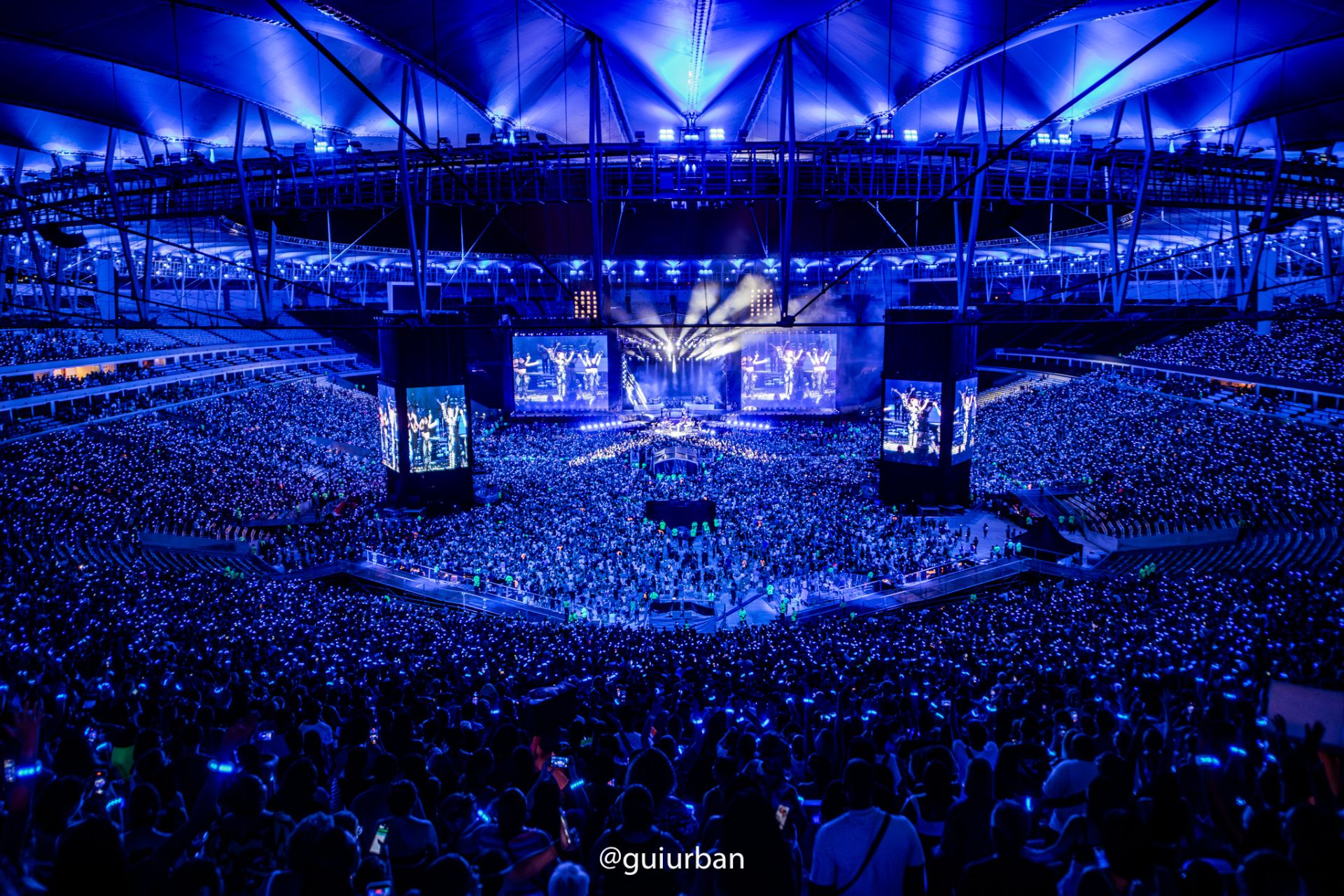
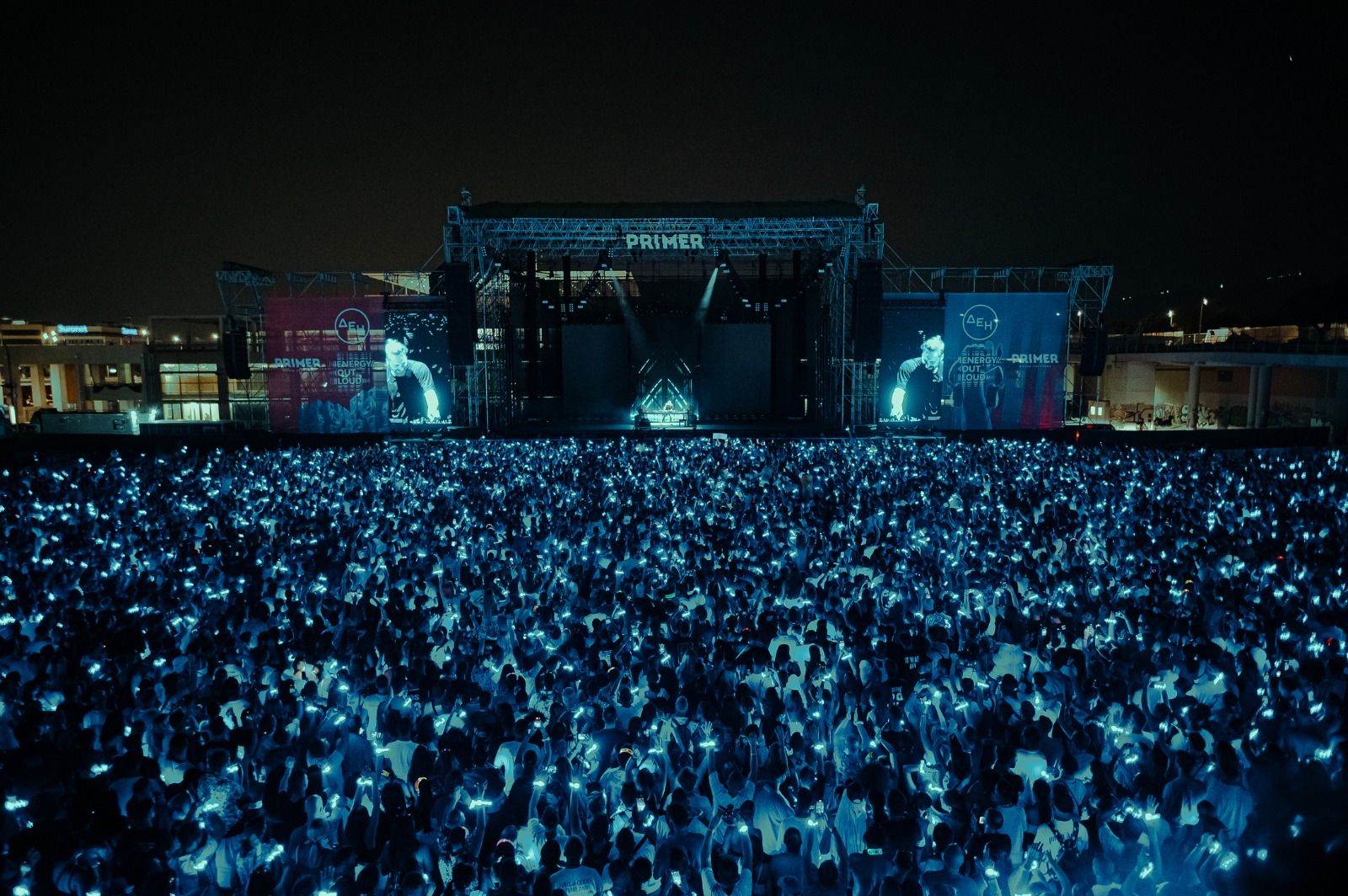
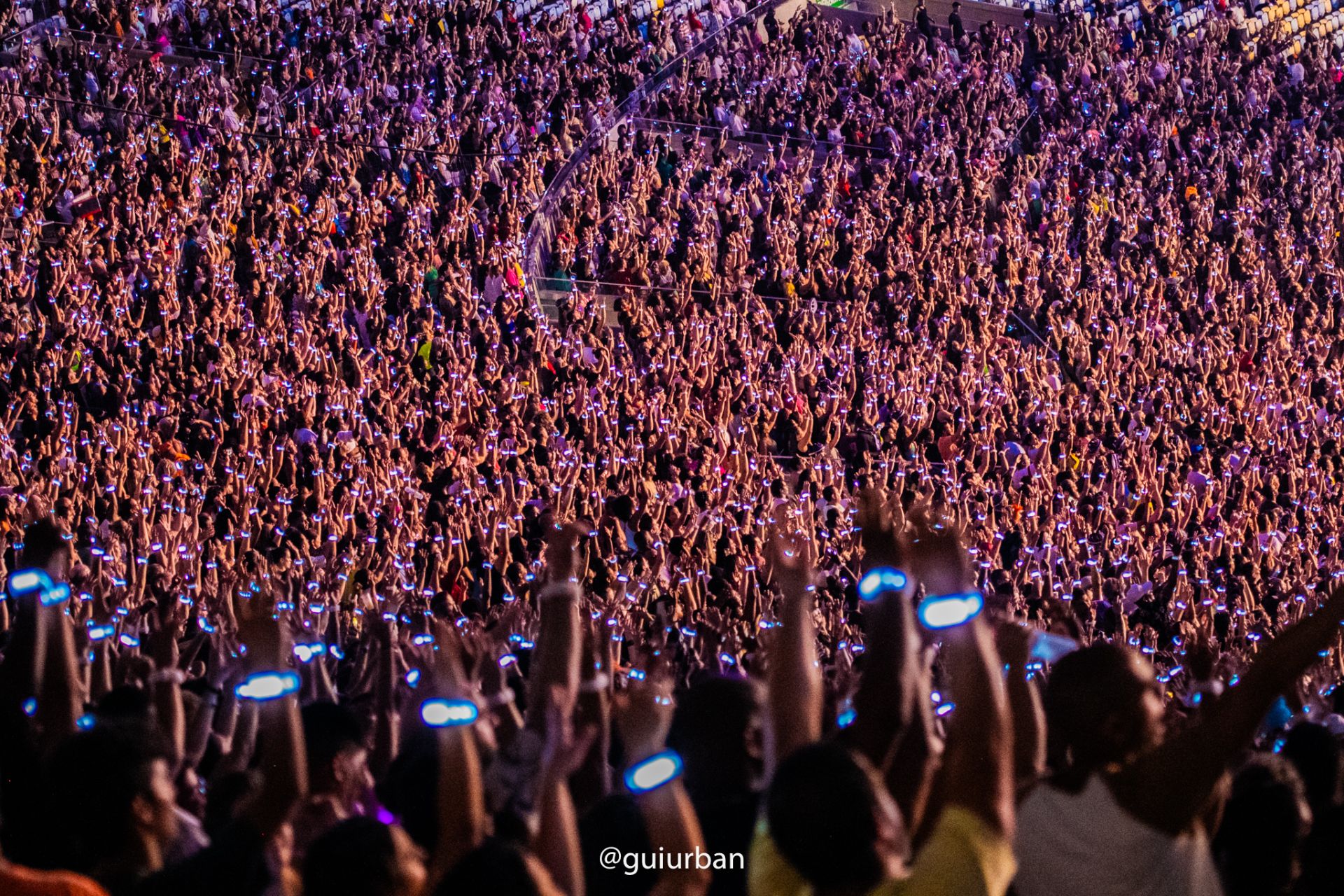
When each fan is given an LED wristband or lanyard, they are no longer a passive observer. They become a pixel in a vast, living canvas. This is the core principle behind the Xylobands phenomenon. These radio controlled LED wristbands allow lighting designers to extend their creative vision beyond the stage and into the stands, painting with light across the entire stadium bowl. Suddenly, the crowd isn’t just watching the light show; they are an integral, kinetic part of it.
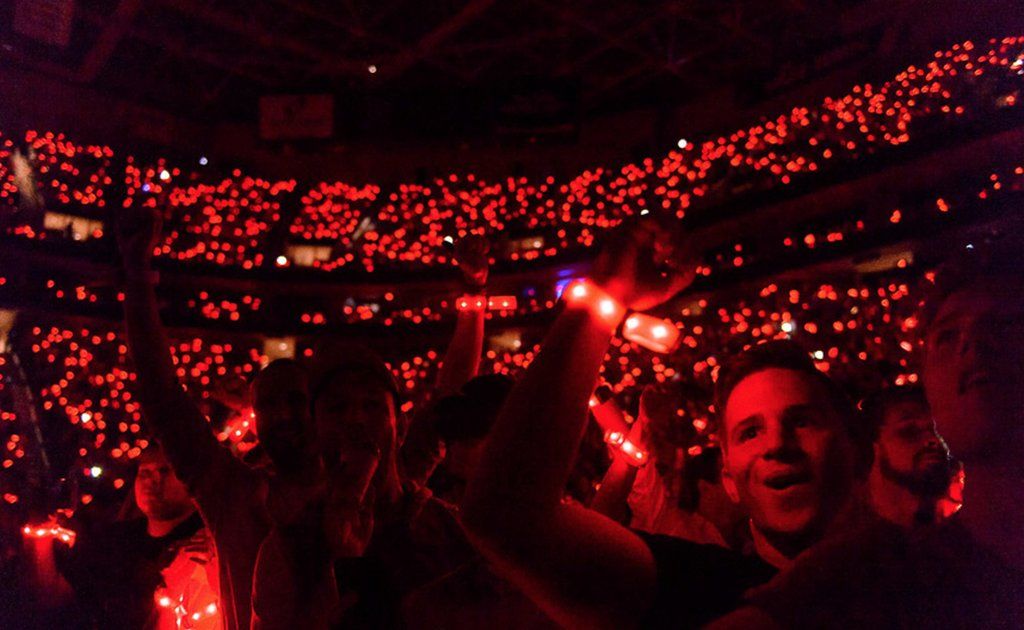
Imagine a team’s signature color pulsing from the center of the field outwards, engulfing the stadium in a wave of light. Picture a ripple effect chasing a key moment in a song, or the entire crowd strobing in unison to a beat drop. This is the power of choreographing the crowd itself, turning 50,000 individual spectators into a single, cohesive entity. It’s a powerful tool for amplifying emotion and creating unforgettable moments of collective energy, as seen at major events from the Davis Cup to halftime shows for clients like the Chicago Blackhawks.
Choreography in the Control Room: The Technical Execution
The magic of these LED crowd experiences is born in the control room, where a team of programmers and designers execute a precisely timed sequence of cues. This is not simply about turning lights on and off; it’s a sophisticated process of zoning, layering, and timing.
The Art of Zoning
Before the show, the stadium is mapped into dozens or even hundreds of zones. These zones can be based on seating blocks, tiers, or custom shapes that align with the creative concept. By grouping wristbands into these zones, designers can create complex patterns, chases, and color gradients across the audience. For the Formula 1 75th Anniversary event, custom LED Lanyards were distributed based on hospitality levels and seating areas, allowing for targeted effects that made each section of the O2 Arena part of a bespoke visual design.
Synchronization is Everything
The system relies on a powerful transmitter sending radio frequency (RF) signals to every individual wristband. The operator uses software to send commands that control the color, effect (fade, flash, strobe), and timing for each zone. The result is perfect synchronization. Whether it’s 500 wristbands in a television studio like for ITV's Beat The Chasers or 54,000 at a stadium concert like Maluma’s historic Medellín show, every single unit responds instantly and in unison. This zero-latency execution is what makes the effect so impactful.
Integrating with the Wider Show
The most powerful halftime shows integrate wearable tech with all other production elements. The LED bands become a bridge between the stage lighting, the video content on the screens, and the audio. A flash of pyro on stage can be echoed by a burst of white light across the crowd. A color sweep on the LED screens can continue seamlessly into the stands. This holistic approach ensures that every element is working in concert to serve the overall vision, creating truly immersive events.
Beyond the Halftime Show: Engaging Fans at Every Moment
While the halftime show is often the centerpiece, the technology offers engagement opportunities throughout the entire event. LED bracelets can be programmed to light up for player introductions, celebrate a goal or a touchdown, or create a unified moment during the national anthem. These small touches build a constant thread of engagement, making the live experience more dynamic and interactive from start to finish.
This is the new frontier of sports entertainment. It’s about more than just the game; it’s about creating a multisensory spectacle that captivates fans, amplifies brand activations, and delivers unforgettable shared experiences. By choreographing light with the same precision as the action on the field, we can transform any stadium into a monumental canvas for connection and awe.