The Choreography of Trust: A Leadership Blueprint for High-Stakes Production
The Unseen Architecture of Command
In the ecosystem of a major tour, festival, or broadcast event, leadership is a misunderstood concept. The casual observer sees a pyramid, a hierarchy with the artist or director at the apex. But those inside the machine—the tour managers, production designers, and technical supervisors—know the reality is far more complex. It’s not a pyramid; it’s a neural network. It’s a complex, interconnected web of dependencies where command is not about barking orders, but about the quiet, earned authority that comes from competence, foresight, and, above all, trust.
In this high-stakes environment, the cost of failure is absolute. There are no do-overs in live television, no second takes when you have 50,000 fans in a stadium. The machine either works, flawlessly and in perfect synchronicity, or it spectacularly collapses. The difference between the two often comes down to the unseen architecture of leadership—a framework built not on ego, but on a distributed model of empowerment and expertise.
The Myth of the Single Point of Failure
A common pitfall in production leadership is centralizing decision-making. A director who insists on approving every lighting cue, a tour manager who micromanages every logistical detail—these figures, while seemingly in control, are in fact creating a bottleneck. They become a single point of failure. When the inevitable chaos of a live show erupts, their capacity is overwhelmed, and the entire production falters.
Effective leadership in this space is about designing a system that is resilient to chaos. It’s about hiring brilliant, specialized teams and then trusting them to execute. Your lighting director understands the nuances of how beams will render on a broadcast camera. Your head of rigging knows the precise load tolerances of the venue’s ceiling. Your tech partner for LED crowd experiences understands the radio-frequency environment of a stadium. The role of a leader is not to replicate this expertise, but to orchestrate it. It’s to ensure that each specialist has the information, resources, and autonomy they need to make critical decisions in real-time.
The Trust Protocol: Empowering Specialists
Building this culture of trust is a deliberate act. It begins with a shared understanding of the creative vision, a North Star that aligns every department. When every team member—from the artist to the audio engineer to the wristband technician—is working towards the same experiential goal, their individual actions become inherently cohesive.
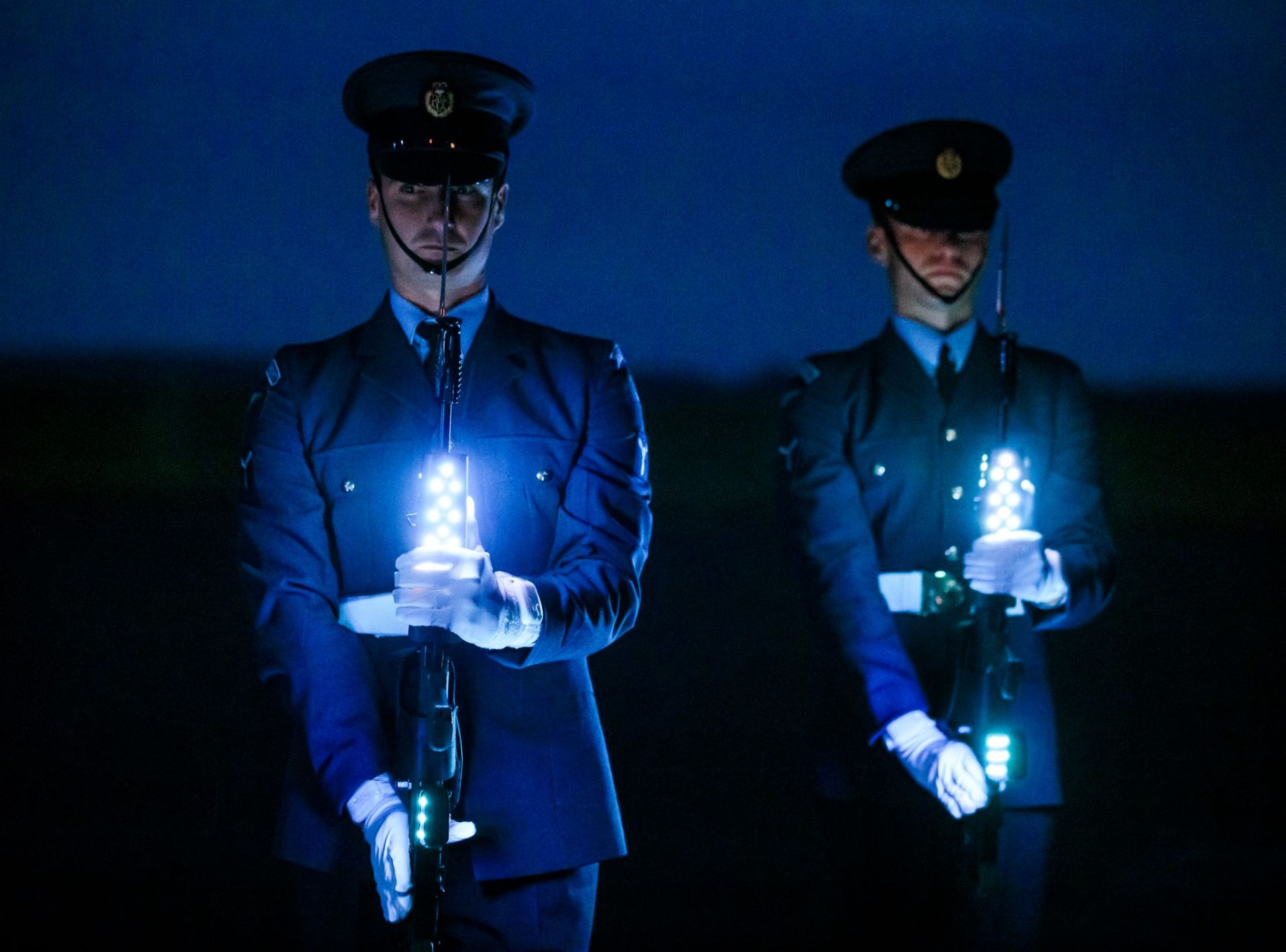
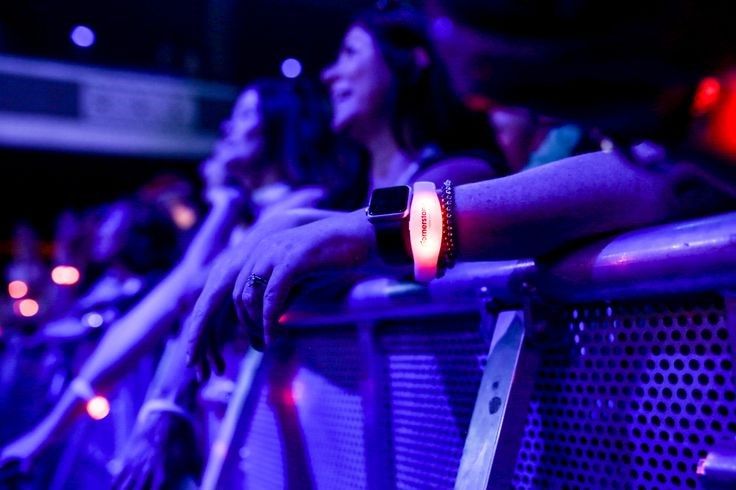
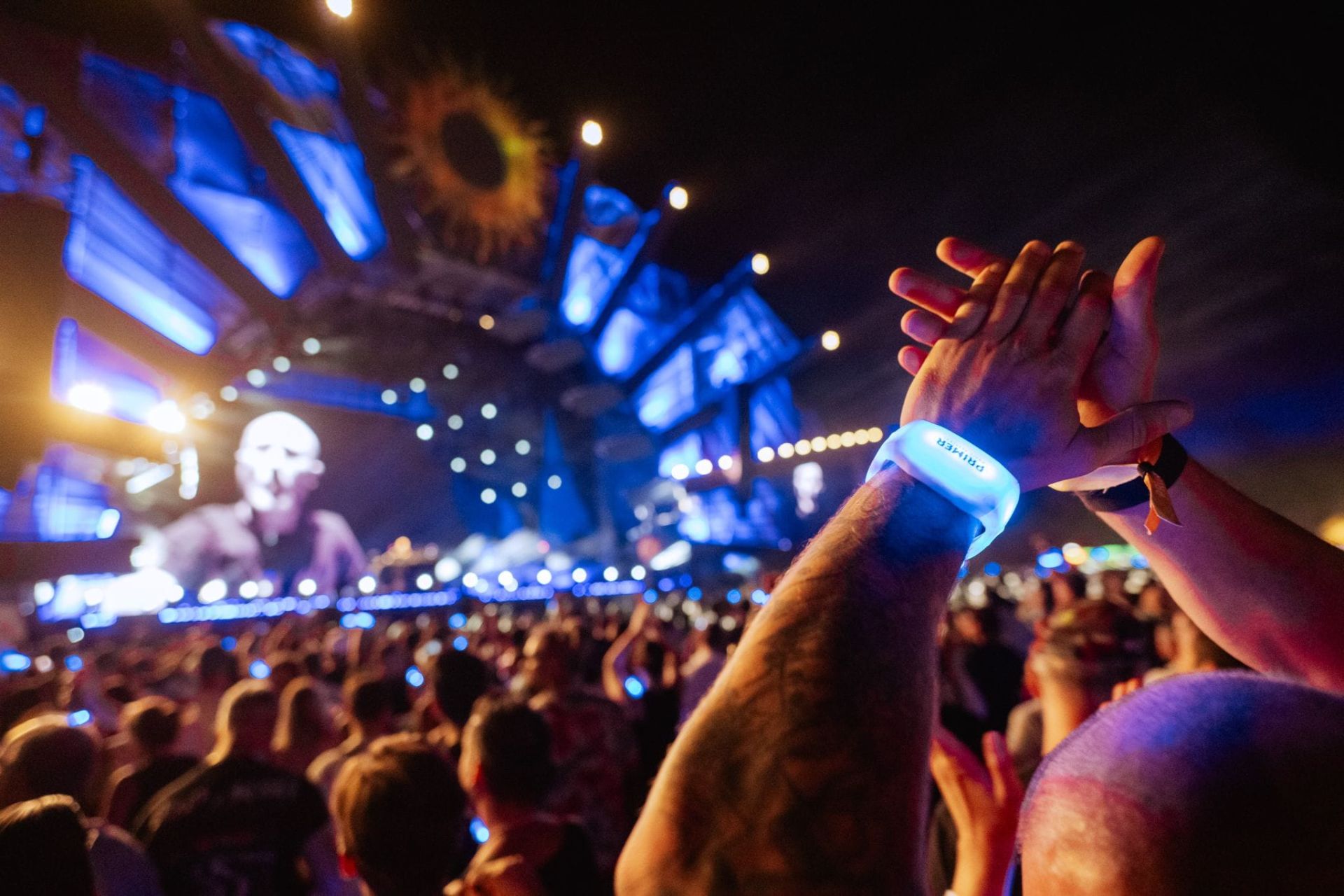
This is where technology partners become extensions of the core team. When we at Xylobands partner with an event like the Formula One 75th Anniversary show or a major artist’s tour, our role isn’t just to supply Concert Wristbands. It is to integrate our technology and our team into the creative and operational fabric of the show. Our technicians become part of the production dialogue, advising on how wearable LED technology can best serve the narrative, how to map out zones in an arena for specific visual effects, and how to manage deployment and recycling logistics. This level of integration is only possible when a foundation of trust has been established. The production team trusts us to deliver a flawless technical performance, and we trust them to provide the creative and logistical framework for us to succeed.
“Leadership is the art of giving people a platform to make decisions, and a framework to make the right ones.”
Leading Through Scenarios, Not Scripts
A live show is not a script; it’s a collection of potential scenarios. A piece of equipment might fail. A medical emergency might occur in the crowd. The artist might go off-script. A leader’s job is not to write a perfect script, but to game out the scenarios. What is our protocol if the primary lighting console goes down? How do we communicate a show-stop to 80,000 people? How do we adapt the visual narrative if a song is cut?
This form of leadership is about pre-computation. It’s about spending the calm of pre-production thinking through the potential storms of the live performance. It’s working with each department lead to build their own internal contingency plans, which then plug into the master plan. The result is a production that is not brittle, but elastic. It can absorb shocks and adapt without breaking. This is the essence of creating truly immersive events—the technology and the team behind it are so robust and well-rehearsed that they become invisible, allowing the audience to remain completely lost in the moment.
The Choreography of Trust in Action
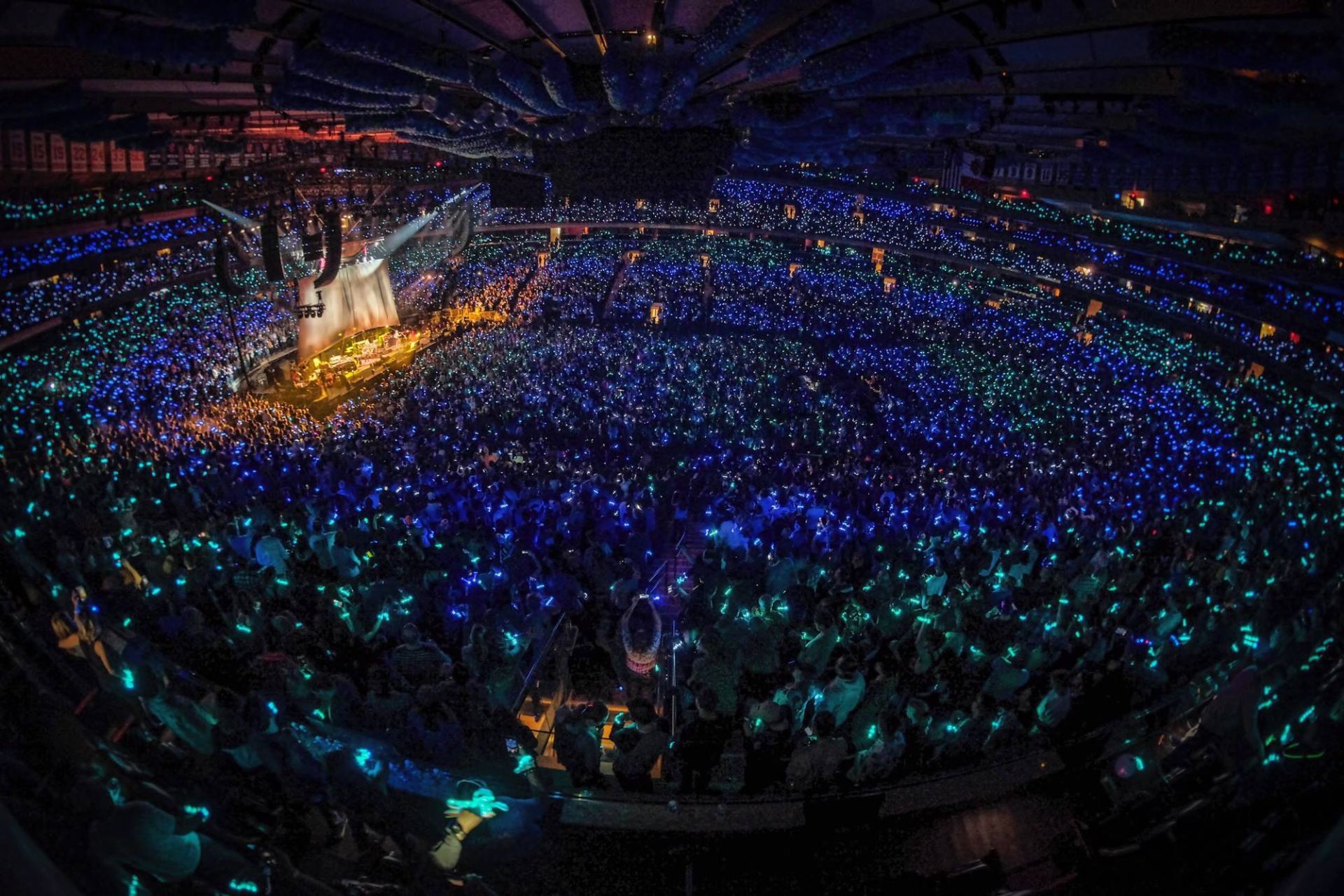
Consider the complex technical ballet of a stadium show. The lighting, video, audio, and special effects are all cued with sub-second precision. Often, this includes turning the audience into a canvas of light using radio controlled LED wristbands. This requires a deep, implicit trust between the show caller, the lighting designer, and the Xylobands operator. The show caller trusts that when they call “Cue 37,” the operator is ready. The operator trusts that the RF environment has been managed correctly and that the Xylobands will respond instantly. The designer trusts that the effect will match their vision. This entire chain of trust is what creates a single, breathtaking moment of unity for the audience.
This is the modern model of production leadership. It is a quiet, confident choreography of trust. It’s about building a team of masters, aligning them to a single vision, and then empowering them to perform their art. The leader is not the star of the show, but the unseen conductor, whose success is measured by the flawless, seemingly effortless symphony they produce.