The Choreography of Trust: A New Leadership Paradigm in Live Production
The Unseen Handshake: Trust as the Cornerstone of Command
In the ecosystem of a major tour, festival, or broadcast, the final spectacle is the tip of the iceberg. Beneath the surface lies a sprawling architecture of logistics, technology, and human collaboration. For decades, the default leadership model was borrowed from the military: a rigid, top-down hierarchy. The creative director or tour manager was the general, issuing commands to be executed without question. But in today's hyper-technical, creatively ambitious landscape, that model is failing. The sheer complexity of modern productions—from the intricate RF environments of LED crowd experiences to the global logistics of moving tonnes of gear—demands a more fluid, adaptive, and collaborative approach.
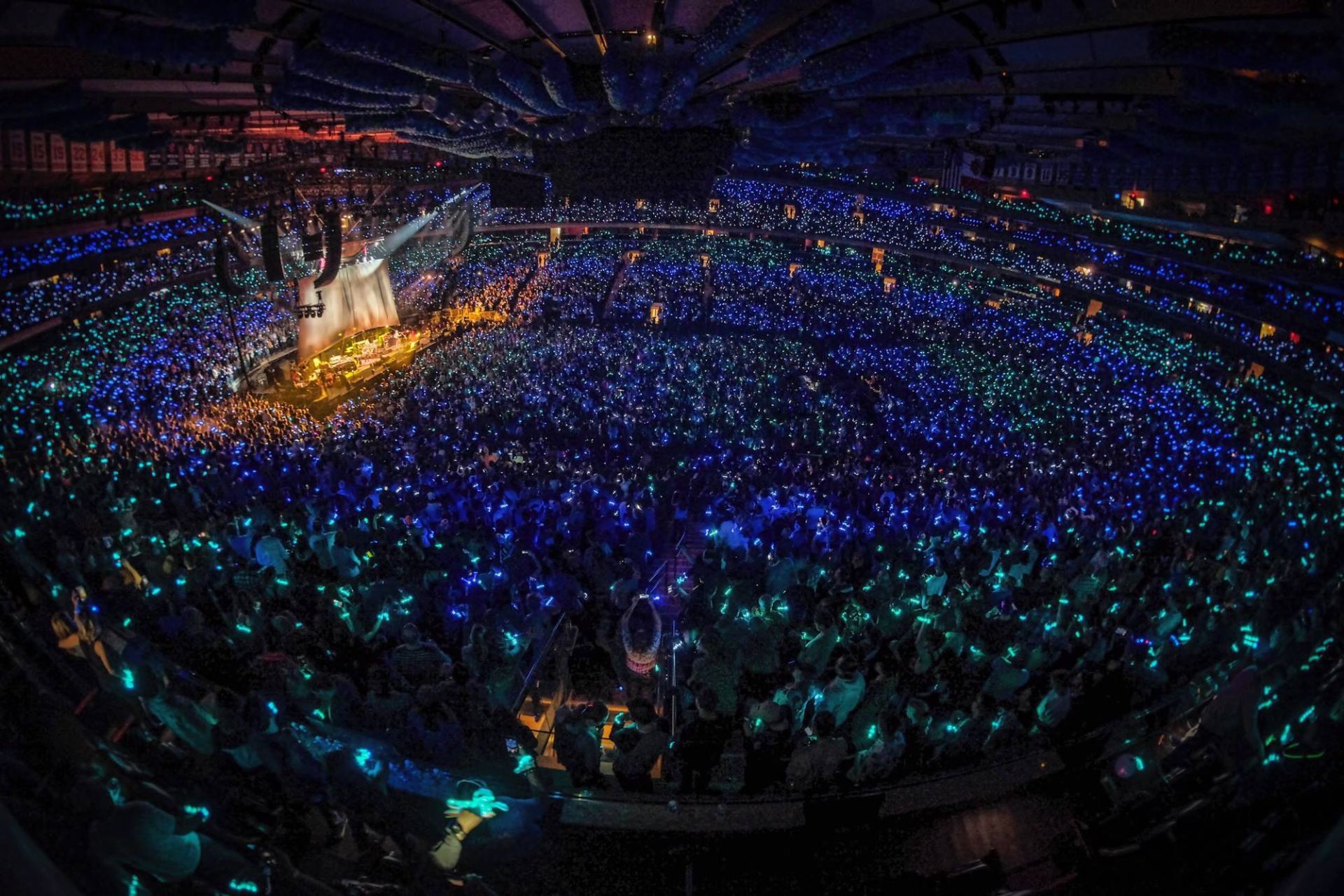
This new paradigm is built on a simple but powerful principle: trust. Not a blind, assumed trust, but a cultivated, earned trust that flows in every direction. It's a model where leadership isn't about having all the answers but about empowering the right people to find them. It’s the quiet confidence a production manager has in their lighting director, who in turn trusts their crew to deploy hundreds of radio controlled LED wristbands flawlessly. It’s the unspoken agreement between an artist and their technical team that the vision conceived in a studio will be perfectly translated to a stadium of 50,000 people.
Distributing Authority: From Command to Collaboration
The modern live production environment is a network of specialists. You have experts in RF engineering, immersive lighting, broadcast video, and crowd dynamics. A single leader, no matter how experienced, cannot possess deep expertise in every domain. The role of leadership, therefore, has shifted from dictating execution to defining intent. The objective is to create a framework of trust so robust that authority can be safely and effectively distributed.
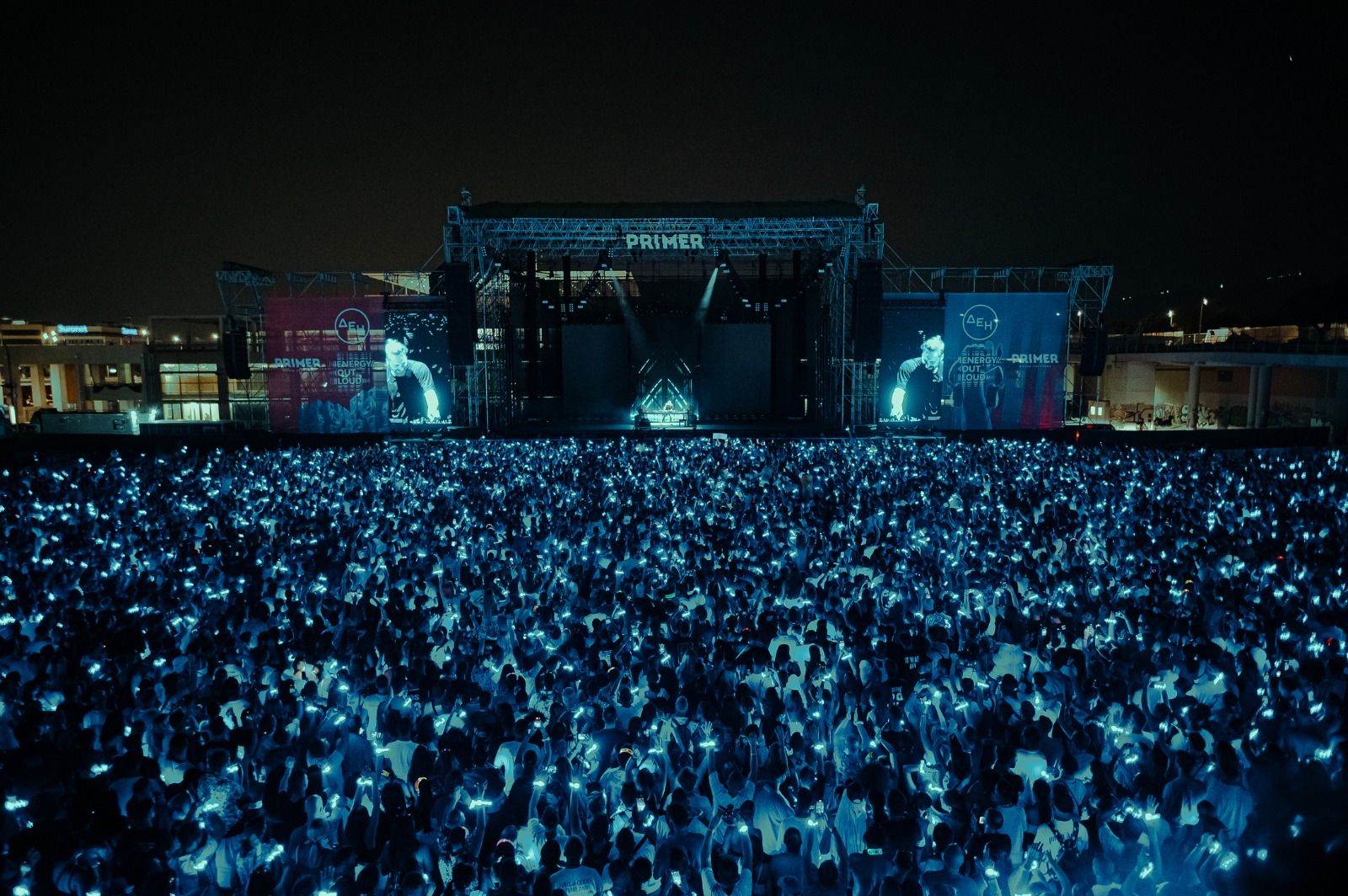
Consider the production of a global sporting event like the Davis Cup or a major music festival like Primer. The core leadership team sets the creative and operational goals: what is the story we are telling? What is the feeling we want the audience—both live and at home—to experience? Once that vision is established, the "how" is delegated to the domain experts. The lighting designer, working with a company like Xylobands, has the autonomy to design an immersive event technology system that serves the narrative, whether it involves sweeping waves of light across festival wristbands or pixel-mapping intricate logos onto a sea of LED lanyards.
"Leadership in this context is about curating a team of world-class experts and then having the courage to get out of their way. It’s about building a culture where a crew member on the ground feels empowered to flag a potential RF conflict, knowing their concern will be heard and acted upon, not dismissed."
The Architecture of Accountability
This distributed model doesn’t mean an absence of accountability; it means a redefinition of it. Accountability is no longer a tool for assigning blame but a mechanism for ensuring shared ownership. When a team is trusted, they are also implicitly accountable for the outcome. This fosters a powerful sense of collective responsibility that a top-down structure can never replicate.
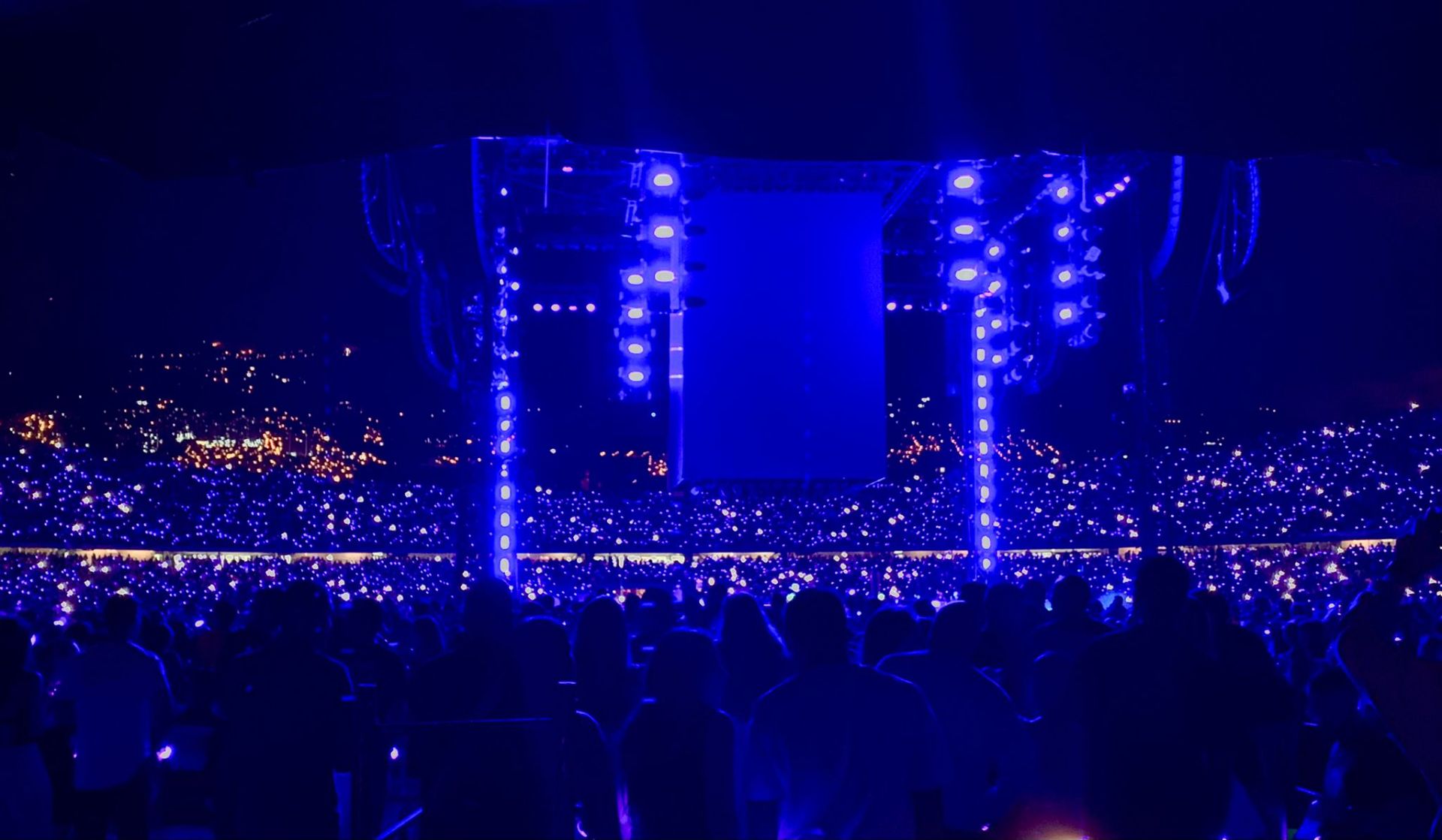
This is where technical partners become extensions of the internal team. When a creative agency brings in Xylobands for a major corporate event activation, they are not just hiring a supplier; they are onboarding a specialist partner. The trust extends beyond the core team to every vendor and technician. The detailed work of pre-production—site surveys, frequency allocation, and programming the LED experiences—is handled by specialists who are fully integrated into the production’s chain of trust. This was evident in complex broadcasts like those for ITV or the multi-artist lineup for Maluma’s historic Medellín concert, where seamless integration was non-negotiable.
Key Pillars of a Trust-Based Production Model:
- Clear Intent, Flexible Execution: Leaders define the "what" and the "why," but empower their teams to determine the "how." This allows for real-time problem-solving and innovation on the ground.
- Radical Transparency: Information flows freely between departments. The lighting team understands the broadcast requirements; the logistics team understands the creative priorities. This prevents the formation of silos that can cripple a complex production.
- Competence Over Credentials: Teams are built based on proven skill and reliability, not just titles or tenure. A culture of excellence is self-policing; the A-players want to work with other A-players.
- Psychological Safety: Team members at every level must feel safe to innovate, ask questions, and even fail without fear of retribution. This is how breakthroughs happen, whether in developing new forms of wearable LED technology or finding a more efficient way to manage logistics.
The Human Element in a Technological World
As live events become more technologically sophisticated, the human element becomes more, not less, important. The technology—from the Coldplay Xylobands that started a revolution to the advanced LED orbs and pendants used in arena shows—is merely a tool. Its effective deployment is entirely dependent on the quality of the human team behind it.
Ultimately, the choreography of trust is the unseen art form at the heart of every great live experience. It’s the invisible framework that allows thousands of moving parts to coalesce into a single, breathtaking moment of unity. It’s the understanding that the person programming the concert wristbands, the rigger high above the stage, and the artist at its center are all bound by a shared commitment. In the high-pressure, zero-margin-for-error world of live production, this trust is not a soft skill; it is the most critical asset on the balance sheet.