The Circular Showcase: Redefining Value in Live Event Production
The End of the Throwaway Experience
For decades, the live event model was linear: build, experience, discard. From single-use plastics to the carbon footprint of global tours, the industry has long wrestled with a paradox: creating unforgettable, transient moments often leaves a very permanent mark on the planet. The confetti settles, the lights go down, and truckloads of waste are hauled away. But as producers, designers, and artists, we are beginning to ask a critical question: what if the spectacle itself could be sustainable?
This isn’t about diminishing the experience. It’s about deepening it. It’s a shift from a disposable mindset to a circular one, where every element, from stage construction to audience interaction, is designed with its entire lifecycle in mind. Responsible production is no longer a niche concern; it’s a core tenet of operational excellence and a powerful new dimension of the story we tell our audiences.
Designing for Disassembly, Not Disposal
The circular economy offers a powerful blueprint for this new era of live production. Instead of the traditional "take-make-waste" model, a circular approach prioritizes regeneration, reuse, and recycling. In the context of immersive events, this means designing every component for longevity and multiple uses.
Consider the lifecycle of a piece of event technology. A conventional approach might see it used for a single tour or event series before being retired or discarded. A circular approach, however, begins at the R&D phase. It asks:
- Can this product be refurbished and redeployed?
- Are its components modular and easily replaceable?
- What is the end-of-life plan for every material used?
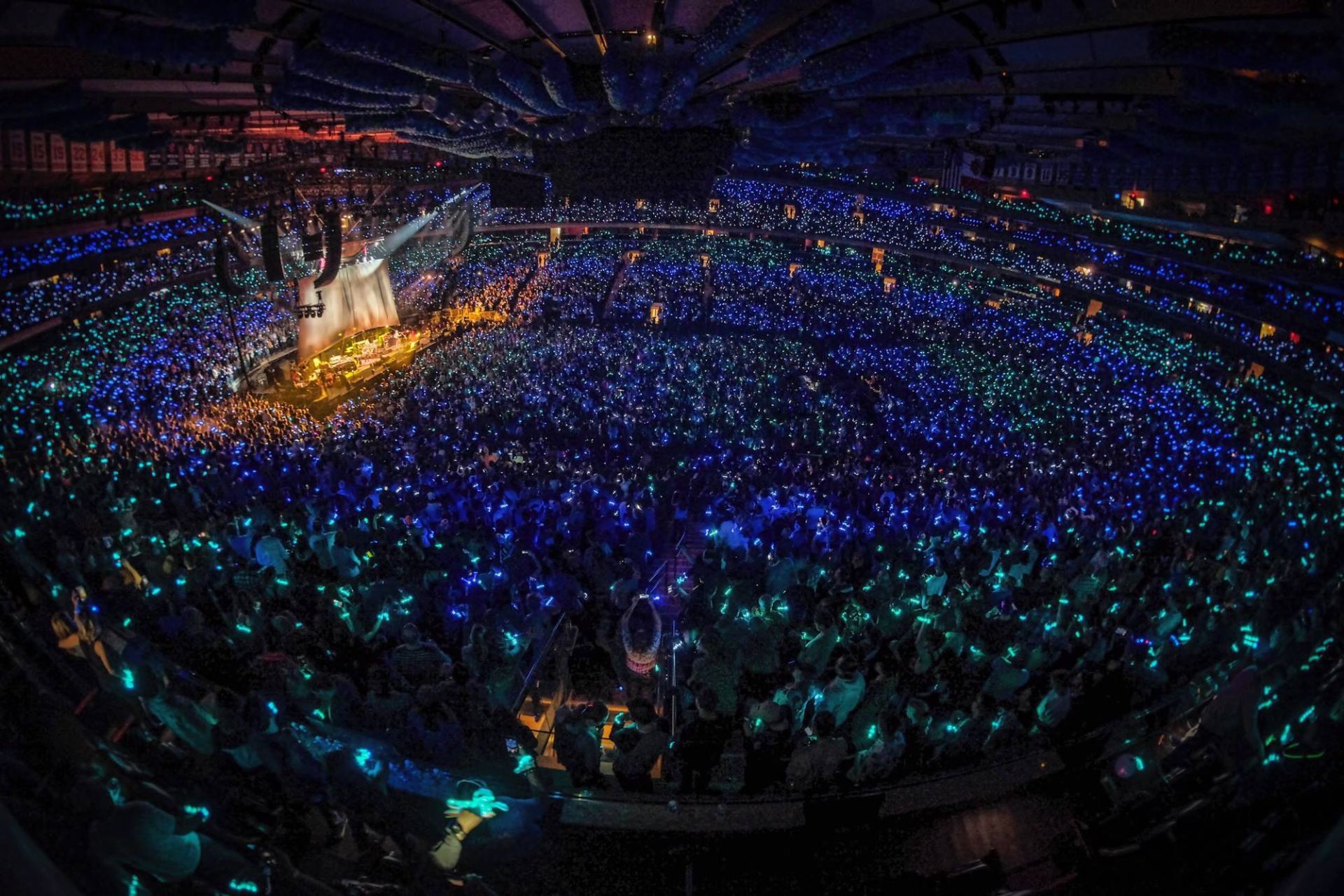
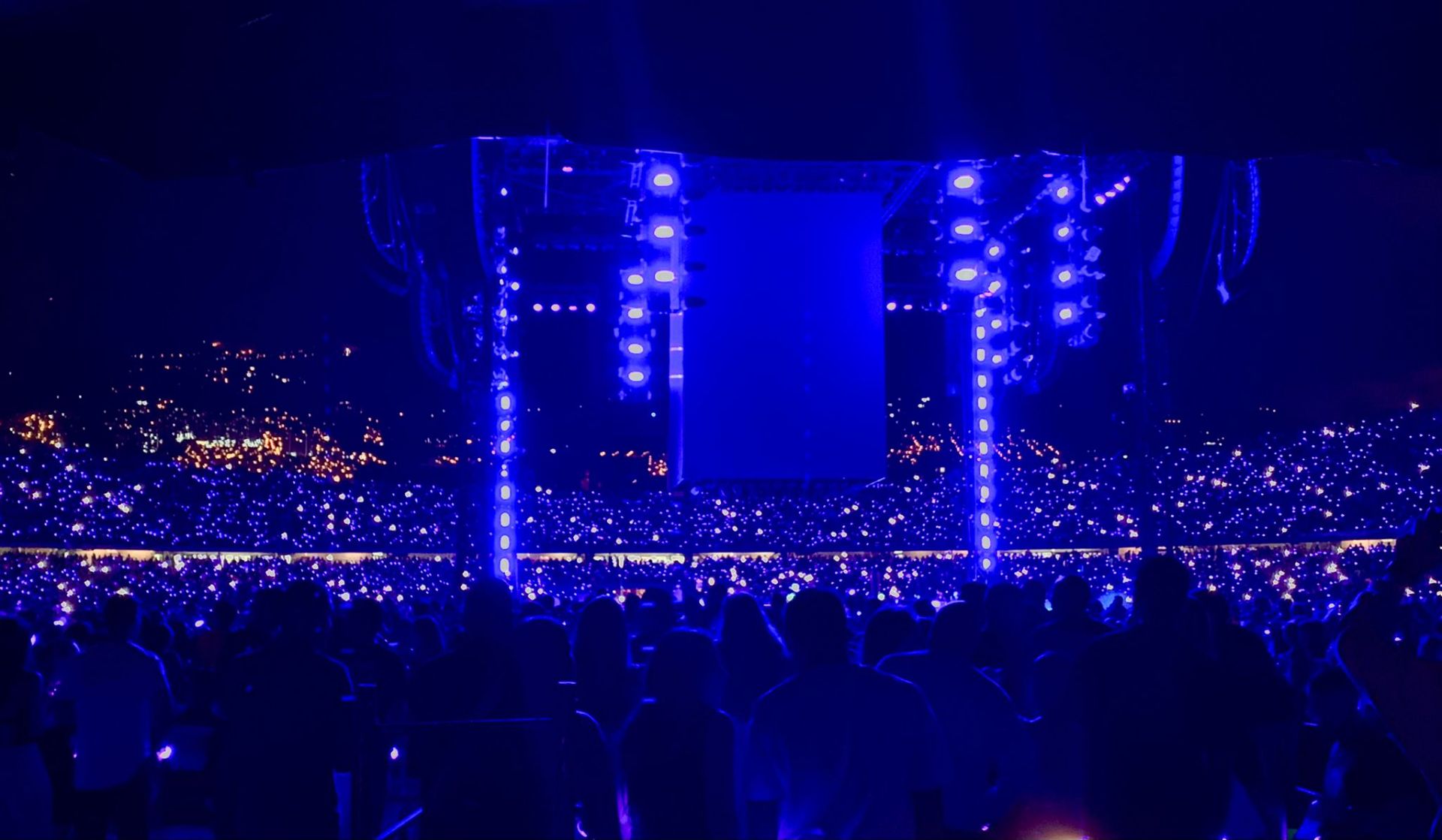
This is a philosophy we have embedded deep into our own design and operational processes at Xylobands. Our LED wristbands are engineered not for a single flash of brilliance, but for a long and vibrant life. After a show, our teams are on-site to collect, refurbish, and prepare them for their next performance. It’s a complex logistical operation that is invisible to the audience but integral to our commitment to sustainability. This model was put to the test during Wizkid’s historic three-night, sold-out run at London's O2 Arena, where wristbands were reused across all three shows, ensuring tens of thousands of fans could be part of the spectacle with minimal waste.
The Audience as Partners in Sustainability
A truly sustainable event ecosystem requires the participation of everyone, including the audience. The most successful initiatives are those that are seamless, intuitive, and add value to the attendee experience rather than detracting from it. Simple, well-communicated collection and recycling points are essential. But we can go further, transforming the act of returning a reusable item into a positive and engaging part of the event narrative.
For large-scale events like festivals or major sporting spectacles, this is paramount. When audiences feel they are active participants in a collective effort, the impact is magnified. This is where Immersive Event Technology can play a dual role: creating the shared experience itself, and then guiding that same audience toward a responsible conclusion. Clear signage, incentivization, and designated drop-off points managed by trained staff can achieve return rates of over 95%, dramatically reducing the environmental footprint of an event.
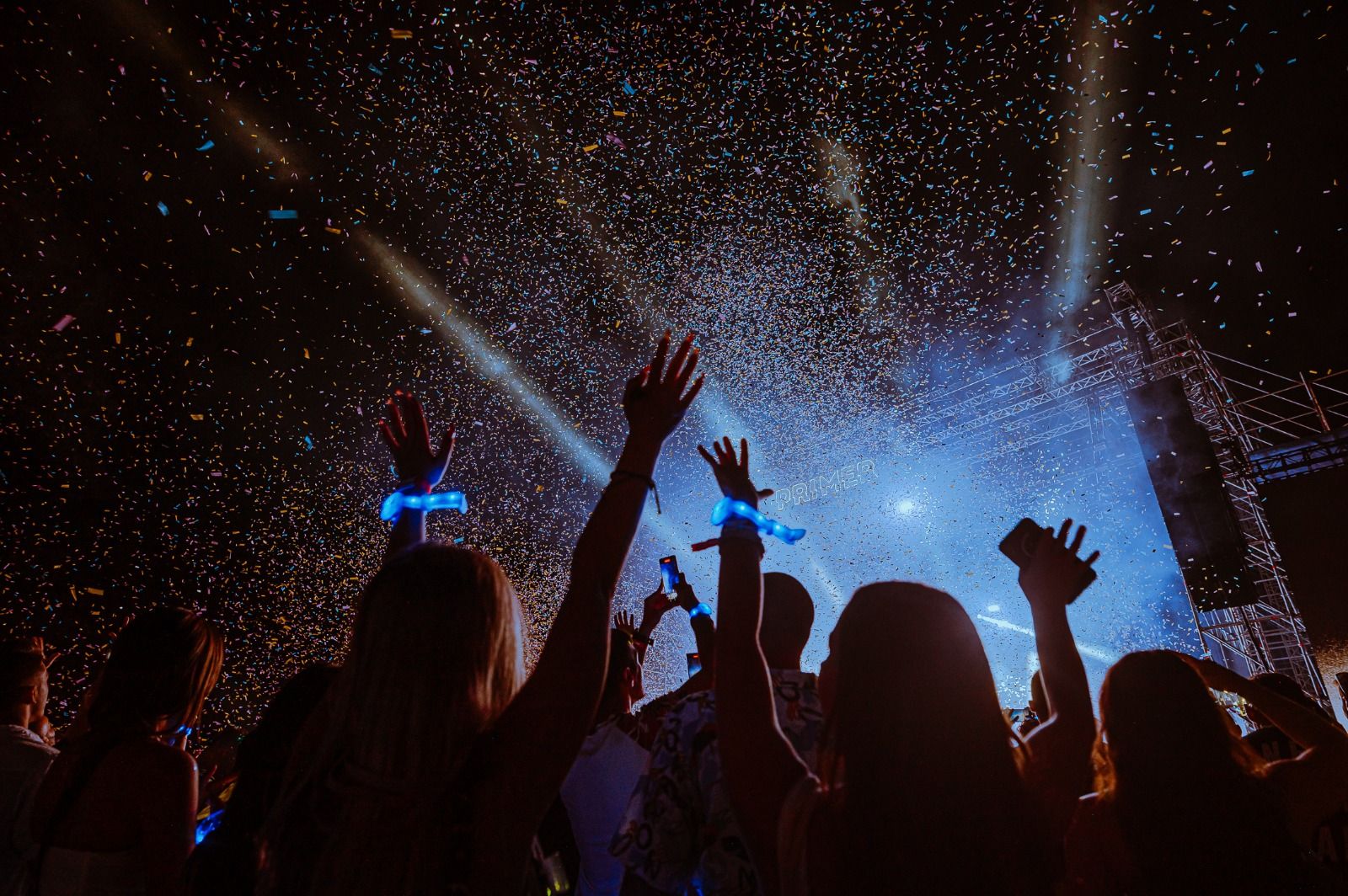
We saw this principle in action at events for clients like Primer Music Festival and Formula One, where large crowds, dynamic energy, and high production values coexisted with a responsible operational backbone. The goal is to make sustainability an invisible, effortless extension of the premium experience.
Beyond Wristbands: A Holistic Approach
While Wearable LED Technology is our specialty, the principles of circular design apply across the entire production landscape.
- Staging and Set Design: Modular set pieces that can be reconfigured for different venues and tours are replacing bespoke, single-use constructions.
- Lighting and Power: The shift to energy-efficient LED lighting has been transformative. The next frontier is intelligent power management and the integration of renewable energy sources.
- Logistics and Transport: Optimizing freight, sourcing locally where possible, and consolidating shipments are critical levers in reducing the carbon footprint of a global tour or multi-date festival.
This holistic view is what separates performative gestures from genuine impact. It’s the understanding that every single element of the production — from the LED Lanyards at a corporate conference to the grand-scale lighting of a stadium show — is part of an interconnected system. The challenge, and the opportunity, lies in making that system a regenerative one.
The New Bottom Line: People, Planet, Performance
For too long, sustainability was viewed as a cost center — a compliance issue or a "nice-to-have." Today, it is a driver of innovation and a core component of brand identity. The world’s biggest artists and brands, from Coldplay to the organizers of the Davis Cup, recognize that their audiences expect more. They want to know that the experiences they love are not contributing to a problem, but are part of a solution.
The future of live events isn’t just about bigger, brighter, and louder. It’s about smarter, more conscious, and more connected. It’s about building circular showcases that thrill in the moment and endure in their impact, leaving behind nothing but memories and a positive legacy. By embracing a circular model, we don’t just reduce waste; we redefine value, proving that the most spectacular moments can also be the most responsible ones.