The Circular Spectacle: Rethinking Waste in Live Events
The Morning After the Spectacle
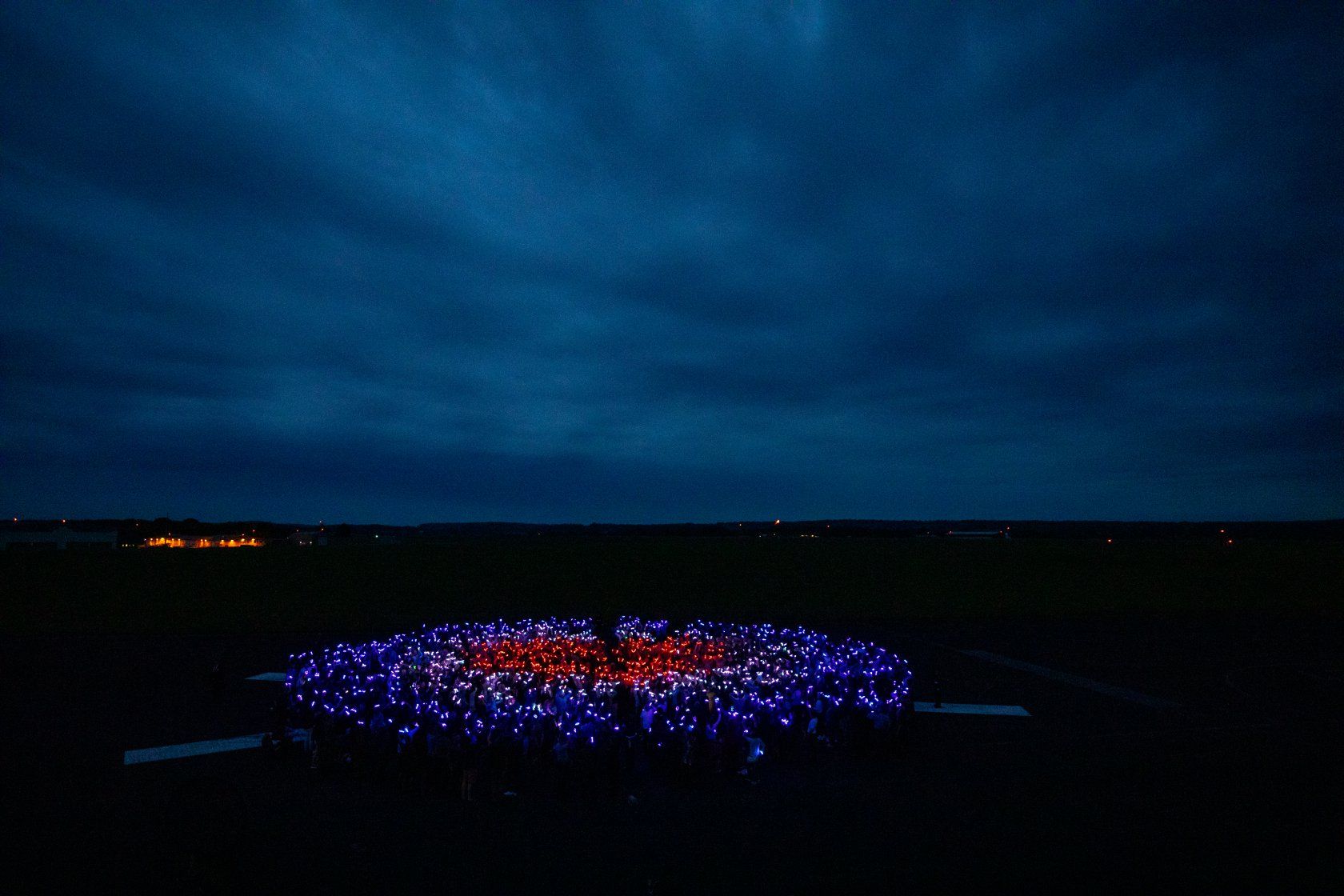
The roar of the crowd, the pulse of the bass, the explosion of light — the magic of a large-scale event is undeniable. For a few hours, thousands of individuals merge into a single, unified entity, sharing a collective experience that will echo in their memories for years. But what about the morning after? When the last truck is loaded out and the crew heads home, what remains is often a less glamorous reality: a sea of single-use plastics, discarded materials, and a significant environmental footprint. It’s the unspoken hangover of our industry.
For too long, the live events world has operated on a linear model of consumption: create, use, discard. While this approach allows for incredible creative feats, it’s fundamentally at odds with the growing global demand for sustainability. Event producers, tour managers, and brand marketers are now facing a critical challenge: how do we deliver the immersive, high-impact experiences our audiences crave without compromising our environmental responsibilities?
The answer lies not in diminishing the spectacle, but in redesigning it. It requires a shift from a linear mindset to a circular one, focusing on reusability, responsible resource management, and innovative technology that delivers both impact and integrity.
Beyond the Bin: A New Mandate for Production
The conversation around sustainability in live events often begins and ends with recycling bins. While important, this is a surface-level solution to a deep, systemic issue. True sustainability requires a production-wide ethos, embedding responsible practices into every stage of the event lifecycle, from initial design to post-show logistics.
This is where the concept of a circular spectacle comes into play. It’s about creating closed-loop systems where materials are not just used and discarded but are recovered, refurbished, and redeployed. This model doesn’t just reduce waste; it creates new efficiencies and demonstrates a powerful commitment to corporate and social responsibility—a factor that resonates deeply with modern audiences, sponsors, and artists alike.
Consider the lifecycle of a piece of event technology. In a traditional model, a custom-branded item might be seen as a single-use souvenir. In a circular model, it becomes an asset. This is a principle we’ve put into practice with our LED wristbands and other wearable LED technology.
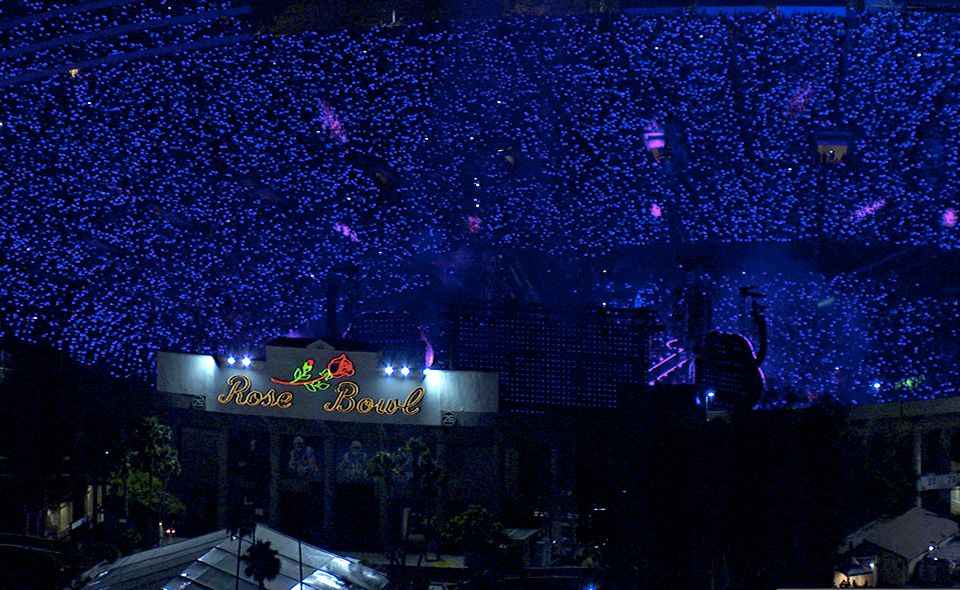
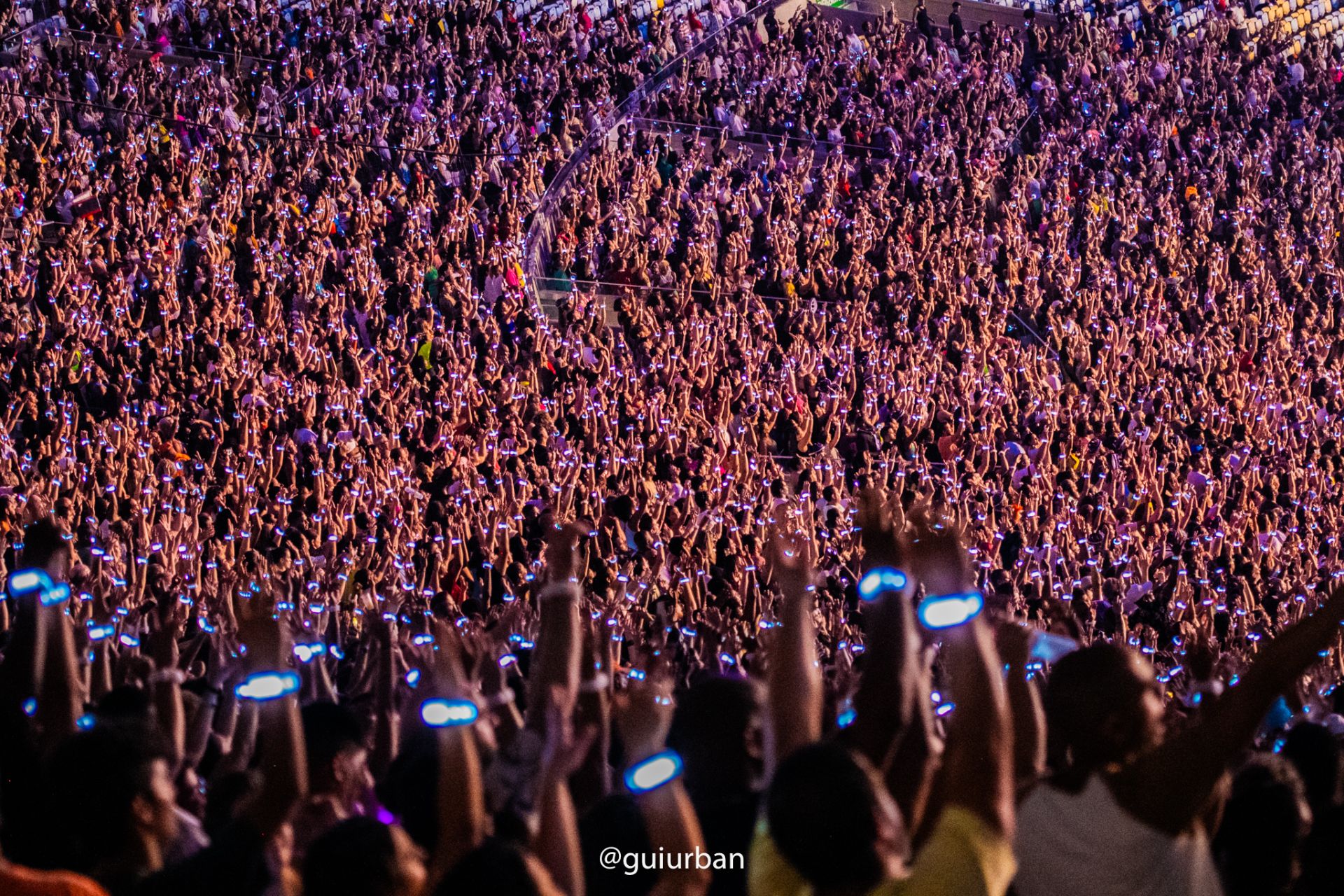
For all three of Wizkid’s sold-out nights at London's O2 Arena, for instance, Xylobands were reused, collected, and topped up as needed before being responsibly recycled. This simple but effective system ensured that 32,000 wristbands delivered the full visual impact for three consecutive shows while dramatically minimising the environmental cost.
Designing for Durability and Redeployment
The foundation of a circular event model is designing for longevity. It means moving away from disposable components and investing in robust, modular, and reusable systems. This philosophy is at the core of our R&D at Xylobands. Our radio controlled LED wristbands are engineered not for a single moment of glory, but for a long life of high-performance use.
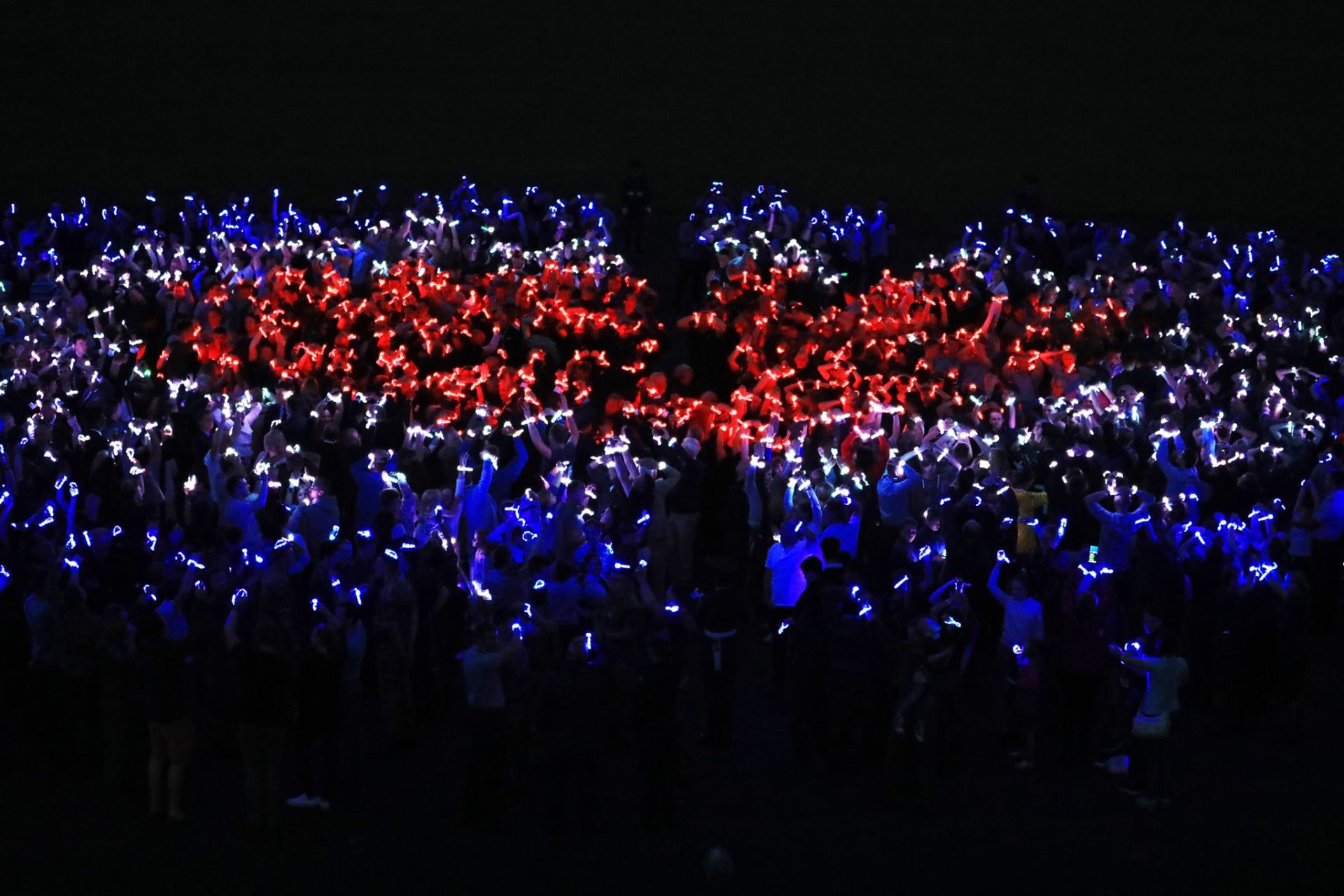
Key to this is our post-event retrieval and refurbishment process. We’ve developed a robust system for collecting, sanitising, and reprogramming our LED bands and LED lanyards. This allows the same hardware to be used across multiple events, from corporate conferences to global music tours. When ITV needs to light up a studio audience for a show like Beat The Chasers, the same core technology can be deployed that illuminated a music festival just weeks before. This has profound implications for the industry:
- Reduced Material Waste: The most obvious benefit is a drastic reduction in the plastic and electronic waste that would typically head to landfill after an event.
- Lower Carbon Footprint: Manufacturing new products is energy-intensive. By extending the life of each wristband, we reduce the cumulative carbon emissions associated with production and shipping.
- Maintained Creative Impact: Reusability does not mean a compromise on quality. Our refurbishment process ensures every wristband performs like new, ready to be programmed for the unique creative demands of the next show, whether it's a halftime performance at the Davis Cup or a brand activation for Formula One.
The Logistical Loop: Collection as Part of the Experience
A common objection to reusable models is the logistical challenge of collection. How do you efficiently retrieve tens of thousands of items from an energized crowd? The solution is to integrate collection into the event design itself. Strategically placed and clearly marked drop-off points, gamified return processes, and clear on-screen messaging can turn the act of returning a wristband into a final, positive interaction.
Our teams have refined this process at events globally, from Glastonbury wristbands becoming a feature of the festival landscape to our work at massive electronic music events like Greece's PRIMER Music Festival. The key is to make the process seamless and to communicate the "why" behind it. Audiences are more than willing to participate when they understand they are contributing to a more responsible event.
The Future is Circular
The demand for powerful, immersive event technology is only growing. Audiences come to live events to feel part of something bigger, to share in a moment of collective energy. Technologies like Xylobands are designed to amplify that feeling, turning the crowd itself into a canvas of light.
However, the future of our industry depends on our ability to create these LED crowd experiences responsibly. The circular model isn’t a trend; it’s an imperative. It’s a smarter way to do business, a better story to tell our clients and their audiences, and a more responsible way to treat our planet. It proves that a breathtaking spectacle doesn't have to leave a devastating footprint. The most enduring light is the one that’s designed to shine again and again.