Beneath the Light: Deconstructing the Technology of Immersive Crowd Experiences
The Unseen Engine of Immersion
At the heart of every major concert, festival, or brand activation lies a paradox: the most impactful technologies are often the ones we notice the least. When tens of thousands of individuals are united in a single moment of light and sound, the effect feels like magic. But beneath that magic is a sophisticated architecture of radio frequency (RF), DMX, and infrared (IR) signals working in perfect harmony. This is the world of wearable LED technology, a field that Xylobands pioneered and continues to perfect, transforming passive audiences into living, breathing canvases of light.
For event producers, tour managers, and creative directors, understanding this technology is no longer a luxury—it's essential. It opens up a new palette for storytelling, a way to deepen the connection between artist and audience, and a method to create unforgettable brand moments. Let's deconstruct the technical protocols that make these immersive events possible.
The Workhorse: Radio Frequency (RF) Control
The most common method for controlling large-scale LED crowd experiences is Radio Frequency. Imagine a central transmitter, not unlike a radio station, broadcasting signals over a designated area. Each wristband, lanyard, or orb contains a tiny receiver, programmed to listen for these specific signals. When the command is sent—say, "turn all wristbands blue"—every device in range responds instantly and in unison.
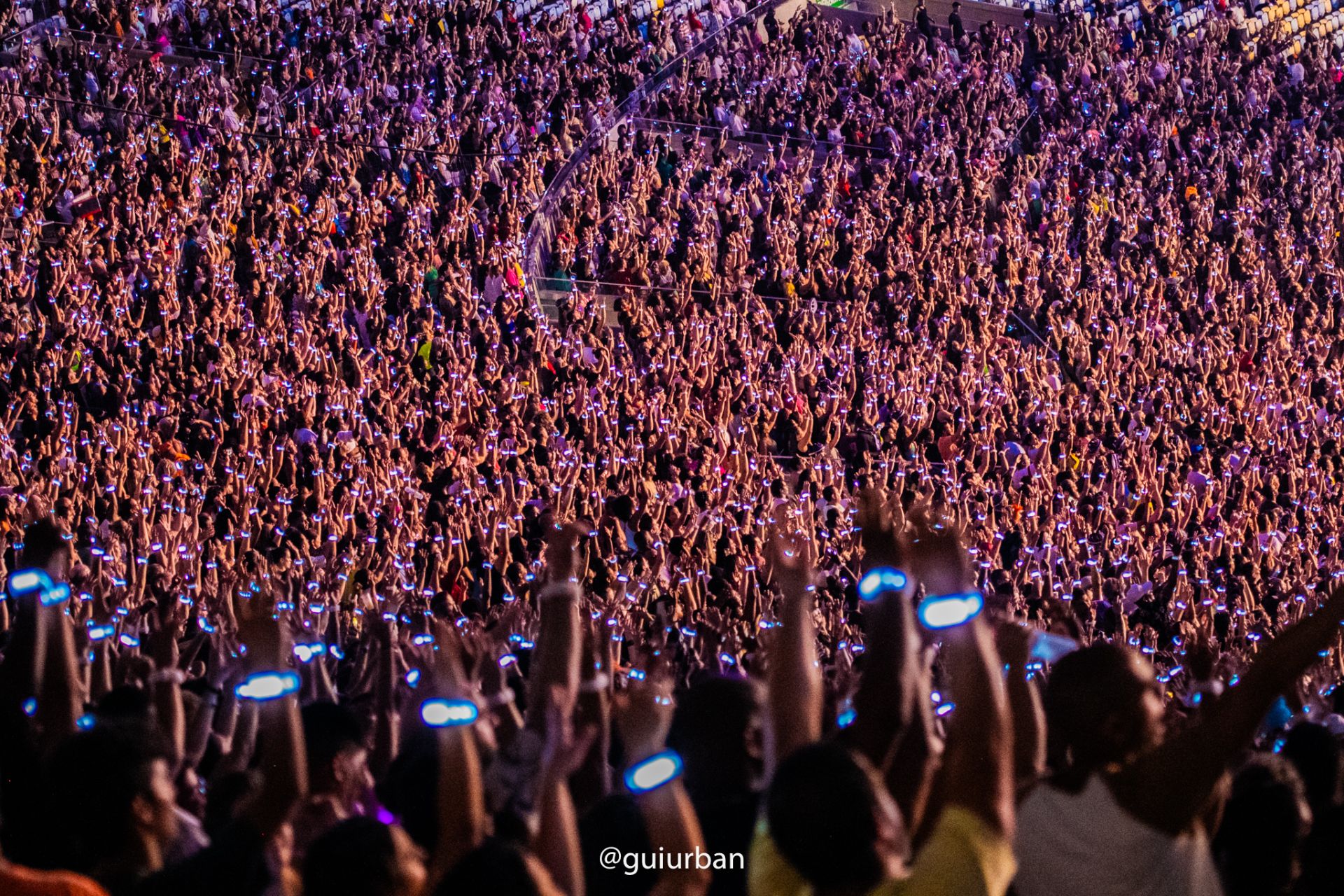
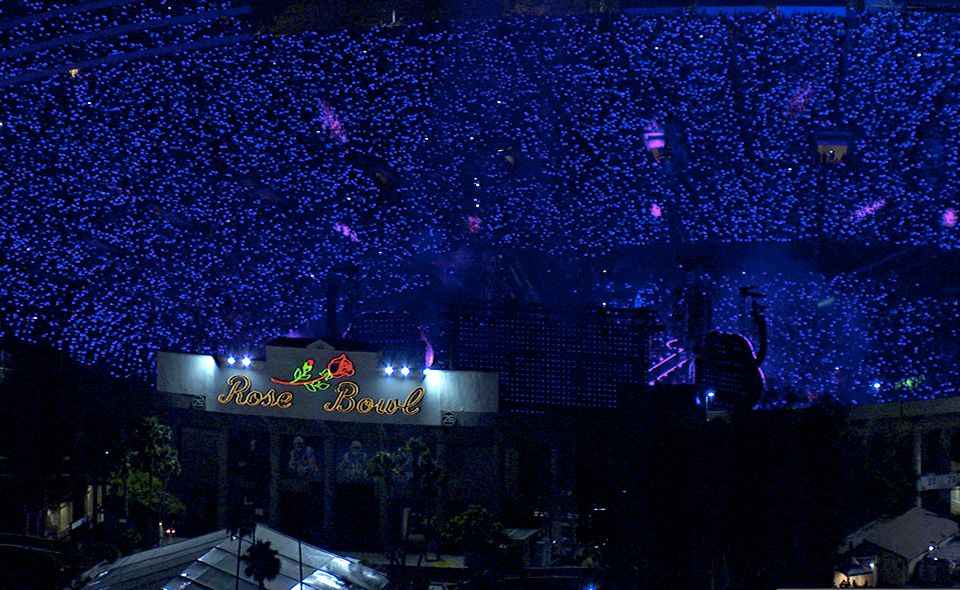
This is the technology that powers the massive, stadium-wide moments synonymous with artists like Coldplay and major sporting events. At a festival like Greece's PRIMER, where thousands of fans converge, an RF system ensures every single attendee is part of the same visual symphony, pulsing in time with the DJ's set. The system's strength lies in its scalability and range.
Key RF System Components:
- Transmitter: The central command unit, operated by a lighting technician. This can be a powerful, rack-mounted system for an arena tour or a more compact, mobile unit for smaller corporate events.
- Software Interface: The creative hub where a designer can program complex sequences, color palettes, and strobe effects, often mapping them to a show's timeline or musical cues.
- Receiver: The chip embedded within each Xyloband, which receives and executes the commands from the transmitter.
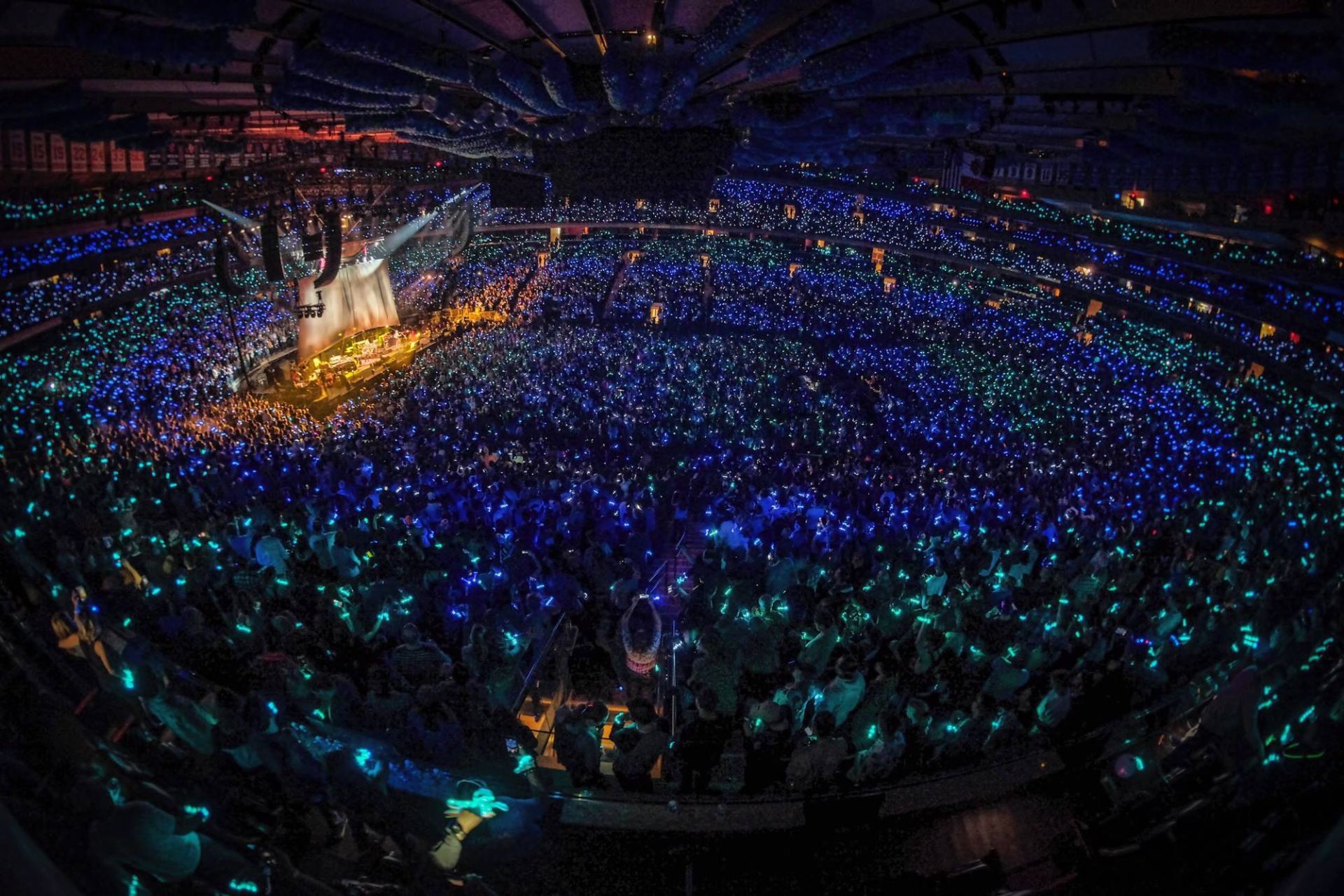
The power of RF is its ability to segment the audience. A skilled operator can divide a stadium into dozens of zones, creating intricate patterns, waves of color, and dynamic chases that flow across the crowd. It’s not just about on/off; it’s about choreographing light with the same precision as a dance troupe.
The Standard of the Stage: DMX Integration
While RF excels at broad, macro-level control, DMX (Digital Multiplex) is the language of the professional lighting world. It’s the protocol that has controlled stage lights, strobes, and fog machines for decades. Many high-profile productions choose to integrate their LED wristbands directly into the show’s main DMX lighting board.
Why? It allows for flawless synchronization. When a lighting director triggers a dramatic red wash on stage, the wristbands in the crowd can simultaneously flood the entire venue with the same color, dissolving the barrier between the stage and the audience. This is crucial for live-to-broadcast events, such as those we’ve powered for ITV or the Formula One 75th Anniversary show, where the visual cohesion between the performance and the crowd is paramount for the at-home viewer.
By patching the Xylobands system into the main DMX controller, the wristbands become just another fixture in the lighting designer's toolkit, as controllable as any PAR can or moving head light. This creates a truly unified and immersive event technology ecosystem.
The Power of Proximity: Infrared (IR) Triggers
If RF is the wide-angle lens and DMX is the prime lens, then Infrared is the macro lens. IR technology offers highly localized, short-range control, perfect for creating interactive zones and personalized experiences. Small, low-power IR transmitters can be placed strategically throughout a venue—at entrances, within specific sponsor zones, or along a concourse.
As an attendee wearing a wristband walks past one of these transmitters, their device can be triggered to light up in a specific color, flash a unique pattern, or even store a piece of data. This has powerful implications for corporate event activations and fan engagement:
- Interactive Welcome: A wristband illuminates with a brand's color the moment a guest enters the venue.
- Zoned Experiences: At a multi-stage festival, wristbands could change color as attendees move between different performance areas.
- Gamification: Guests could be prompted to visit several IR-enabled stations to "collect" different light patterns on their wristbands, driving traffic and engagement.
This proximity-based activation turns the event space itself into an interactive landscape, adding a layer of discovery and personalization to the experience. It transforms a passive piece of wearable LED technology into an active participant in the attendee's journey.
The Synthesis: A Multi-Layered Approach
The true artistry of modern event production lies in using these technologies in concert. An event might use a primary RF system for the big, all-in moments, integrate it via DMX for perfect stage sync, and deploy IR triggers for targeted, interactive activations. It is this seamless blending of technologies that elevates a live event from a performance to be watched into an experience to be felt.
From the sweeping waves of light at a Maluma stadium show to the intricate, branded moments at a corporate launch, the technology is merely the tool. The goal, as ever, is to forge a deeper human connection, create a lasting memory, and make tens of thousands of people feel like they are part of something bigger—a single, unified wave of light.