Beyond the Ramp: Designing for the Sensory Spectrum in Live Events
The Overload by Design
Picture the perfect show. The house lights drop, a roar builds from twenty thousand people, and the opening chord strikes like a physical force. Lasers slice through the manufactured haze, and strobes fire in perfect time with the kick drum. It’s a sensory overload by design — a meticulously crafted assault on the senses intended to generate awe, excitement, and collective effervescence. For many, this is the very essence of the live experience.
But for a significant portion of the population, this very overload is not a thrill; it’s a barrier. In the relentless pursuit of creating ever-more spectacular live events, are we inadvertently designing experiences that exclude? The conversation around accessibility in our industry has rightly focused on physical access — ramps, accessible seating, and other crucial accommodations. But a truly inclusive event landscape requires us to look further, beyond the physical, and into the realm of the sensory.
Redefining Access: The Sensory Spectrum
For individuals on the autism spectrum, or those with sensory processing disorders, anxiety, or PTSD, the typical concert environment can be an insurmountable hurdle. The intense volume, unpredictable flashing lights, and crushing proximity of the crowd can trigger overwhelming sensory distress. Similarly, for the millions of people who are D/deaf or hard of hearing, an experience predicated almost entirely on sound can feel exclusionary.
Inclusive design isn’t about diluting the experience for the majority. It’s about providing pathways for everyone to participate. It challenges us as creators, producers, and technologists to think more empathetically and to use our tools more creatively. The goal is not to eliminate intensity, but to offer choice and translation — to build layers into the experience that allow attendees to self-regulate and engage on their own terms. This is a design philosophy that moves from a monolithic model of a single, shared experience to a more nuanced, multi-layered one.
Light as a Universal Language
This is where immersive event technology, particularly in the domain of light, presents a profound opportunity. What if light could be more than just spectacle? What if it could be a language, a tool for translation, and a medium for inclusion?
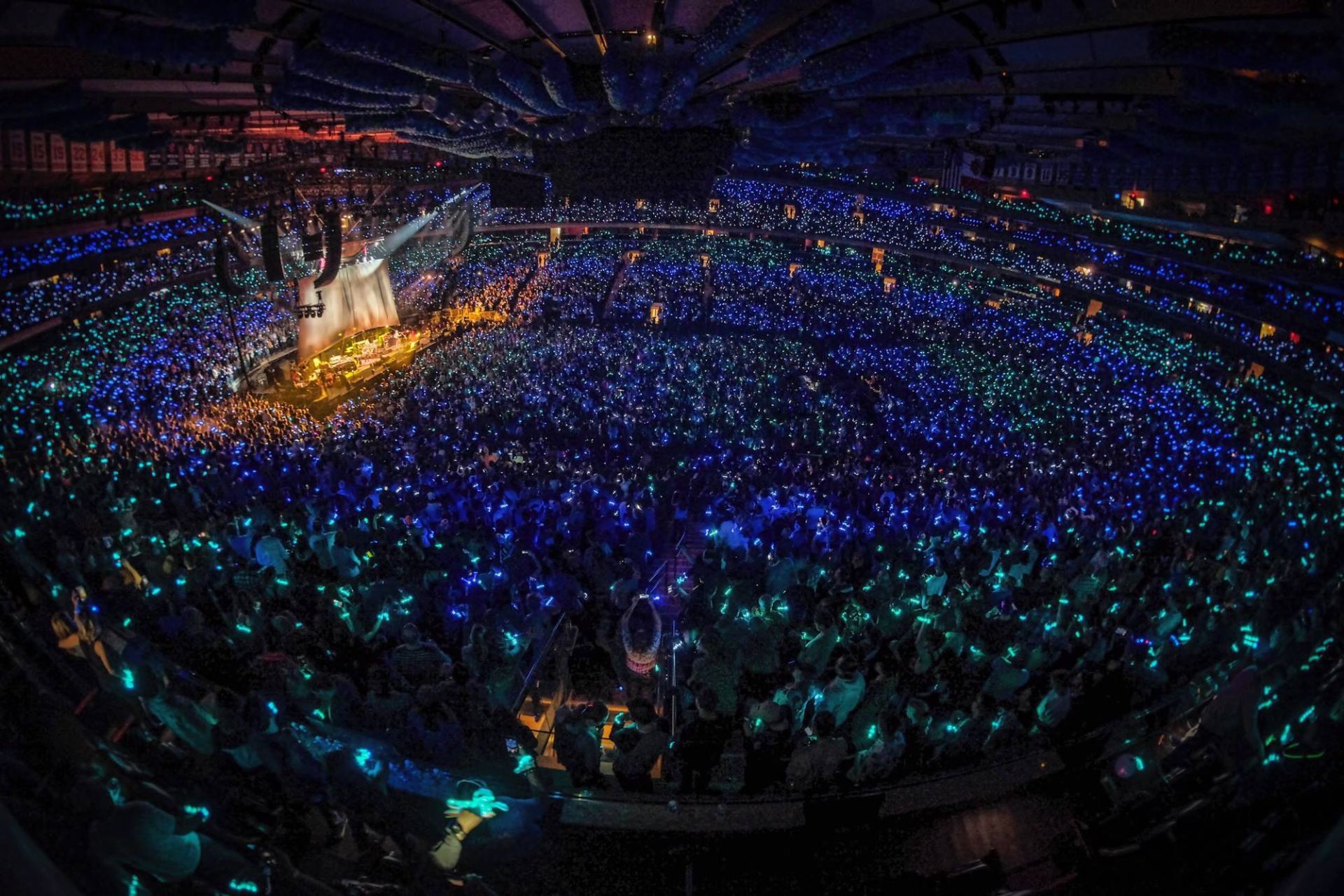
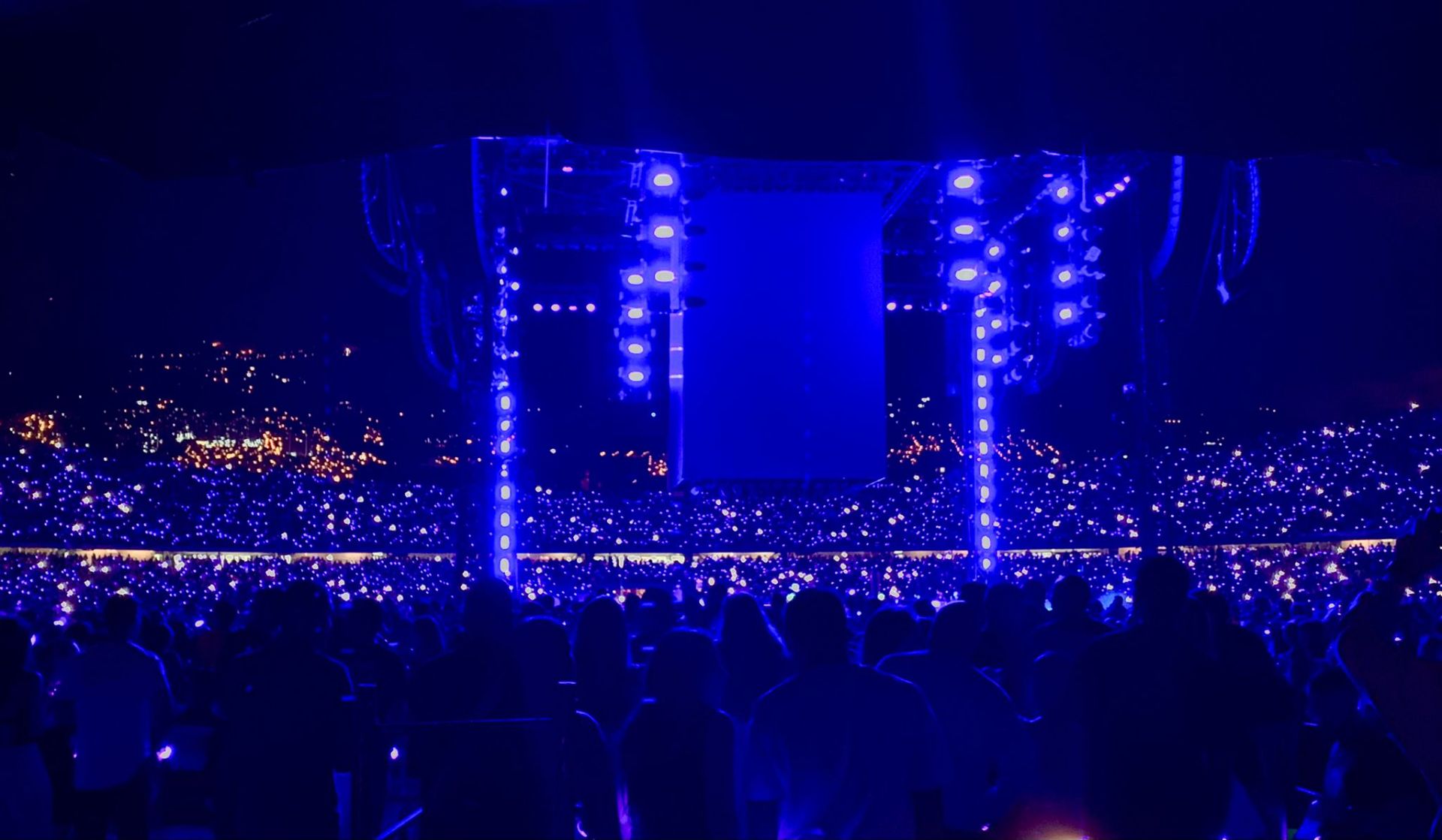
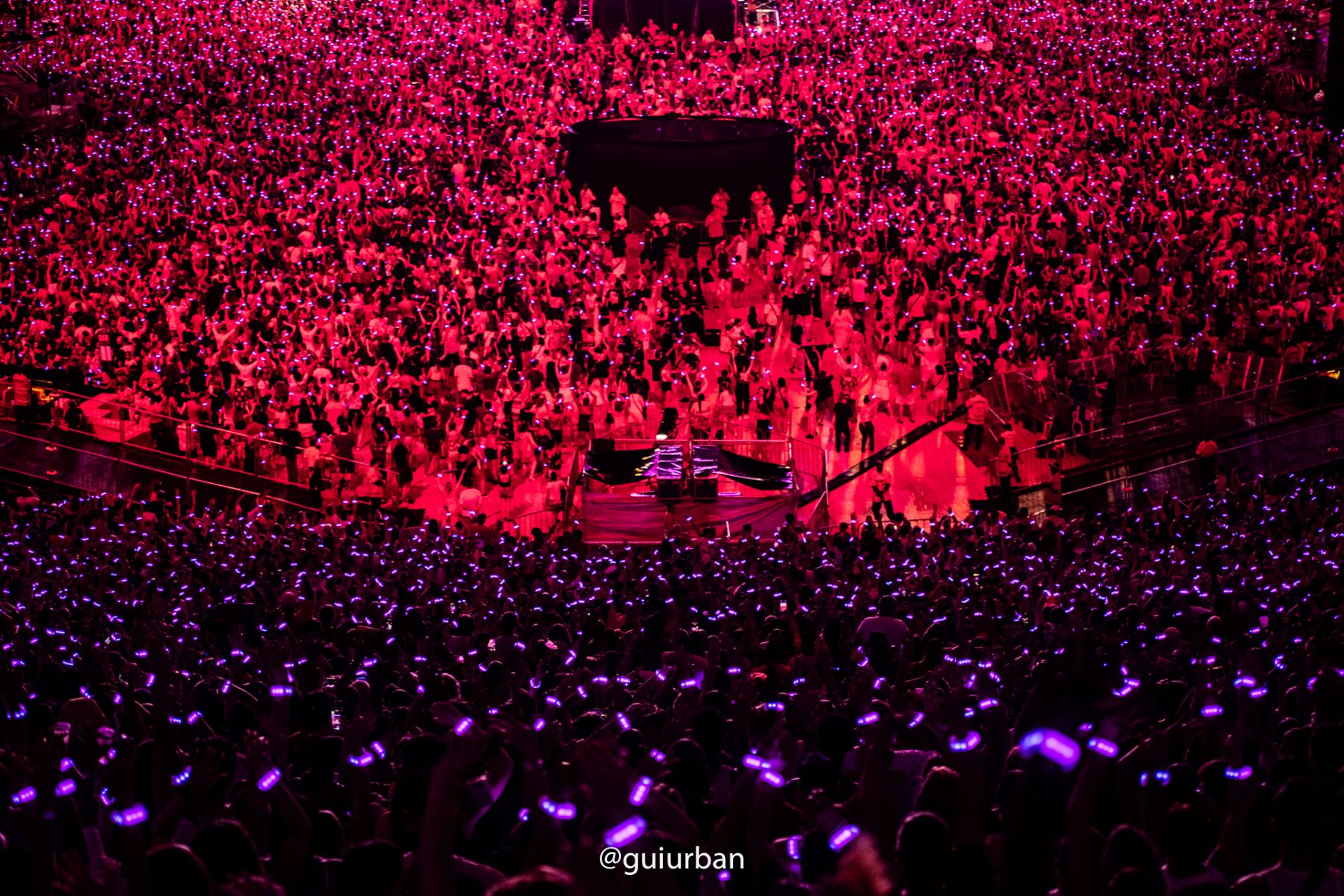
Consider the role of technology like Xylobands. By turning every audience member into an illuminated pixel in a grand canvas, we create a powerful, shared visual narrative. For a fan who is hard of hearing, this is revolutionary. The rhythm is no longer just something to be heard; it can be seen and felt. The swell of a chorus is visualized as a wave of color washing over the arena. The staccato beat of a drum solo pulses on their own wrist. This is wearable LED technology acting as a real-time translator, converting auditory energy into a deeply felt visual and kinesthetic experience.
This synchronized ecosystem forges a new channel of communication between the artist and the audience — one that transcends hearing and speaks directly to our visual and emotional senses. It ensures that the core emotional arc of the show is accessible to all.
The Power of Choreographed, Controlled Immersion
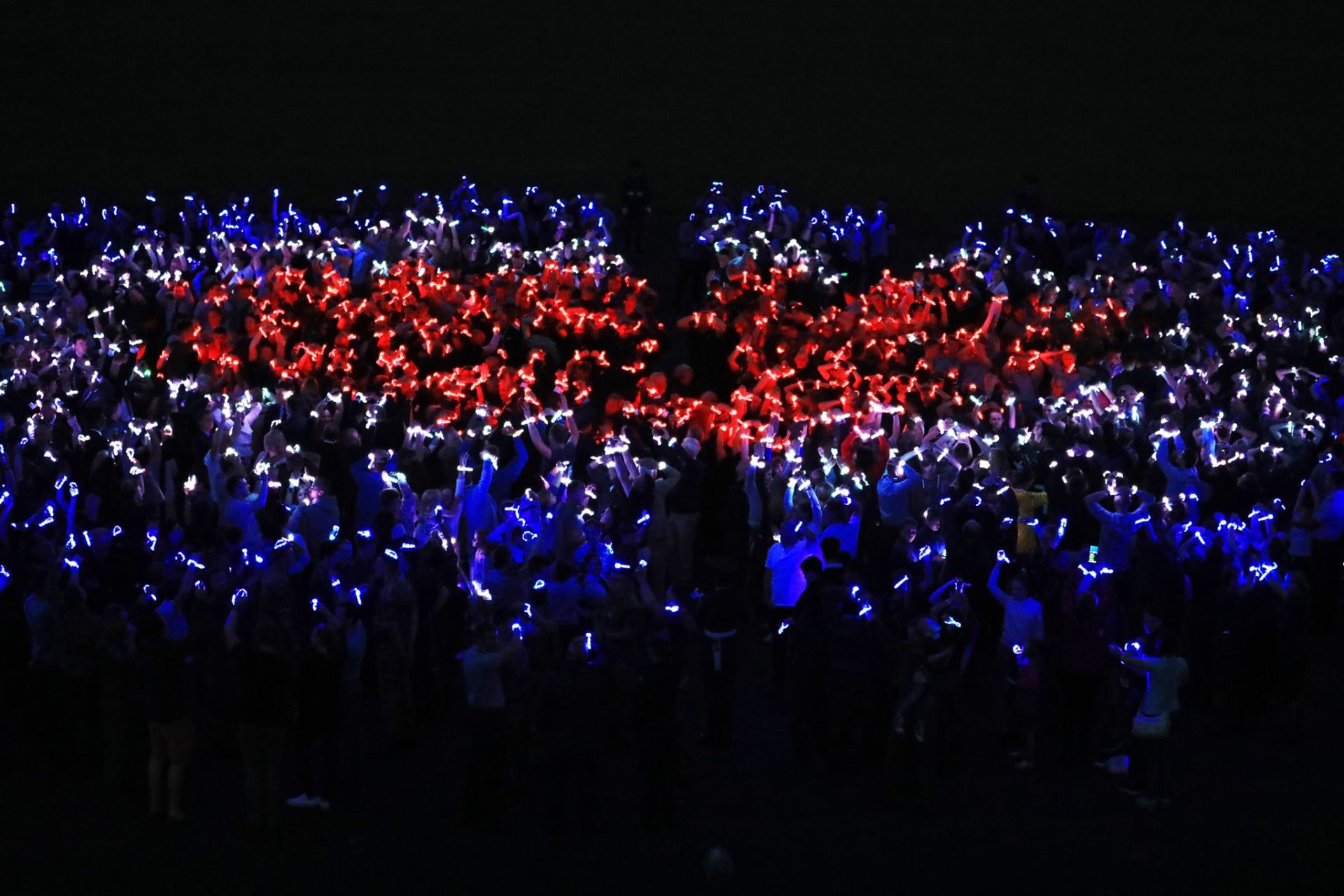
For neurodivergent fans, one of the greatest challenges of a live show is unpredictability. Erratic, high-contrast strobing and chaotic lighting can be disorienting and distressing. The beauty of modern radio controlled LED wristbands and other forms of LED crowd experiences is the element of control. The entire light show, from the stage to the stands, can be a single, cohesive, choreographed piece of art.
This centralized control allows for the creation of more intentionally designed visual environments. Instead of chaotic sensory input, event designers can create moments of soft, ambient glow, slow-breathing pulses, or unified, single-color states that build a sense of calm and togetherness. It also opens the door to creating designated sensory-friendly zones within a venue. Imagine if tickets in a certain section came with LED bands programmed to a lower intensity, with softer transitions, giving attendees a greater degree of control over their experience without removing them from the collective atmosphere.
This level of granular control over the audience environment is something we’ve honed in complex broadcast environments for clients like ITV. Engineering light for both the studio audience and the millions watching at home requires a deep understanding of how to shape visuals to create a specific mood. Applying that same intentionality to the diversity of needs within a live audience is the next logical frontier for immersive event technology.
A Blueprint for a More Inclusive Future
Building more sensorially inclusive events isn’t a simple checklist; it’s an ongoing commitment to empathetic design. But the path forward is becoming clearer.
- Design with Intent: Treat the sensory experience of the audience as a core part of the creative process from day one, not as an afterthought.
- Leverage Technology as a Tool for Connection: Use tools like custom LED wristbands, LED lanyards, and other wearables not just for the "wow" factor, but as a way to communicate the show’s story through multiple sensory channels.
- Offer Choice and Control: Explore the potential for sensory-friendly zones, quiet rooms, and technology settings that allow attendees to moderate their level of stimulation.
- Collaborate and Listen: Engage with accessibility consultants and community members to understand their needs and co-design solutions that make a genuine difference.
From massive stadium shows like those for Maluma to multi-act festivals like Primer, the fundamental goal is the same: to foster a moment of collective joy. The future of live events isn’t just about being bigger or louder. It’s about being smarter, more empathetic, and more human. By designing for the full sensory spectrum, we don’t diminish the spectacle; we deepen it, creating a more profound and universal sense of belonging. The most awe-inspiring show is the one where everyone is invited to be part of the light.