The Human Signal: Designing Live Events for Every Body and Mind
The Unseen Audience
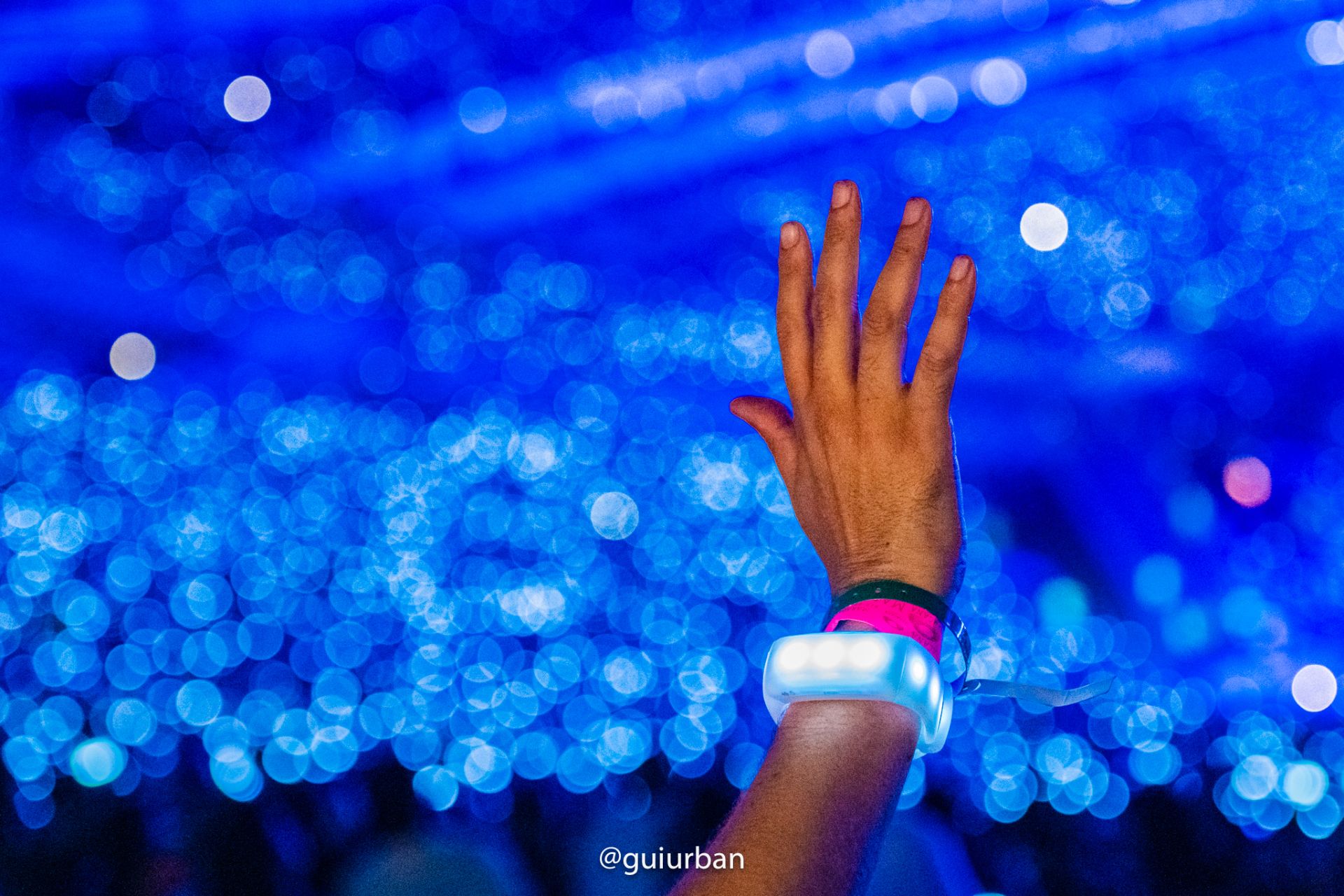
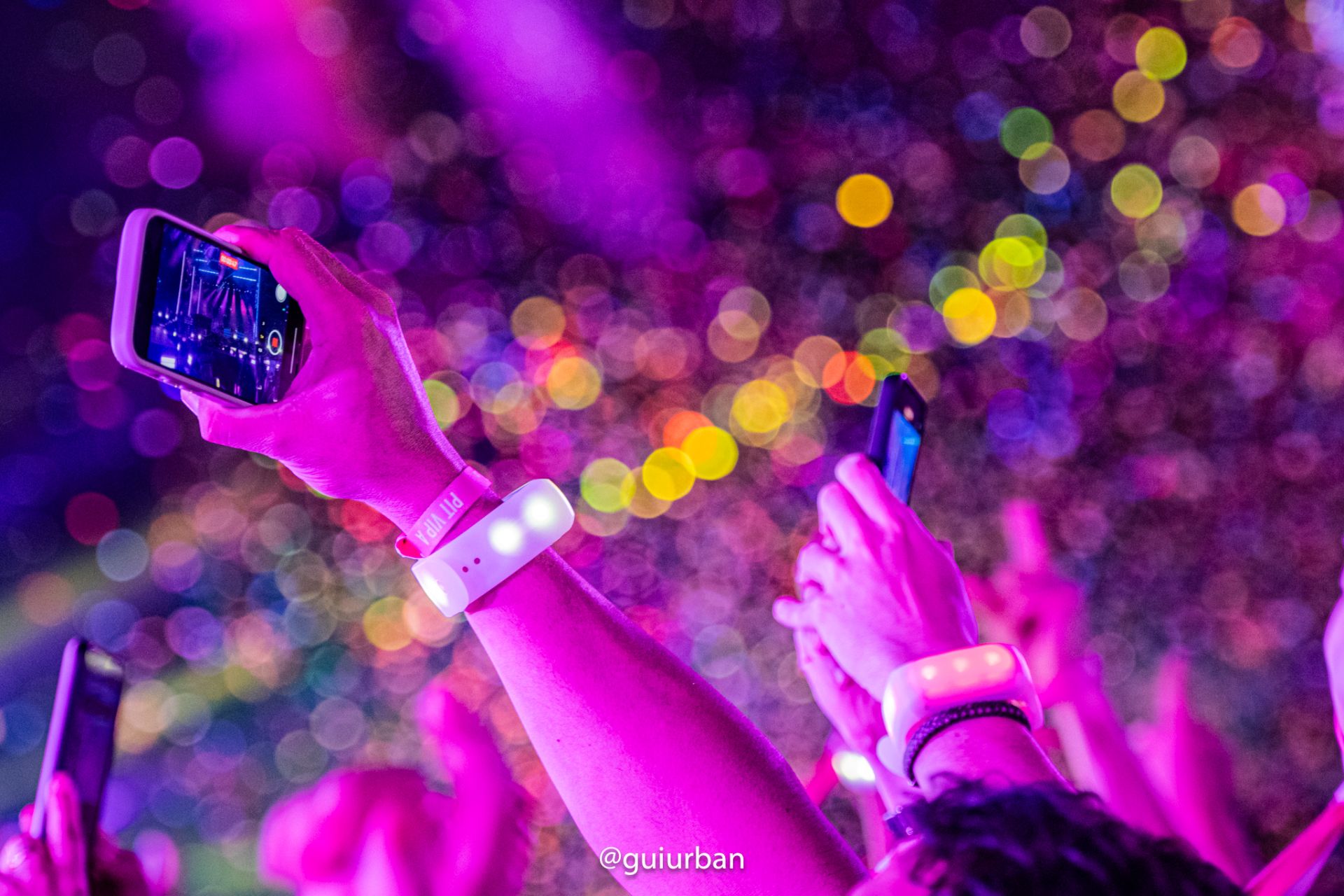
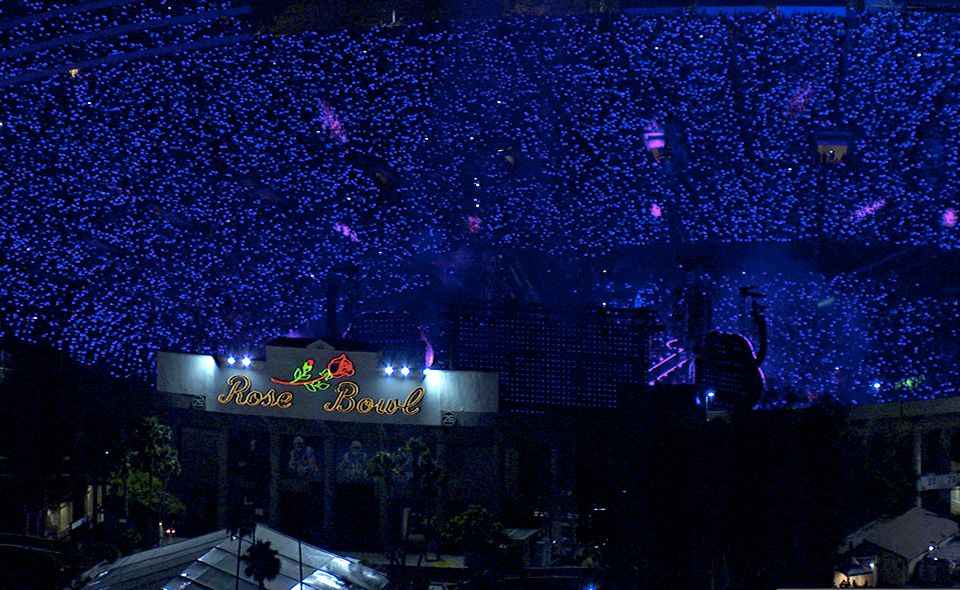
An arena pulses with light. Tens of thousands of individual wristbands flash in perfect sync, transforming a roaring crowd into a single, unified canvas. It’s a powerful, collective moment—a testament to the unifying magic of live events. But for a segment of the audience, this experience can be overwhelming, exclusive, or altogether inaccessible. For event producers, tour managers, and brand marketers, the new frontier of innovation isn’t just about creating bigger spectacles; it’s about designing more inclusive ones.
Historically, accessibility in live events has centered on physical infrastructure: ramps, accessible seating, and basic services. While essential, these are merely the foundation. True inclusivity requires a deeper, more holistic approach, considering a spectrum of sensory, cognitive, and physical needs. It challenges us to move beyond compliance and into the realm of genuine human-centered design, asking a fundamental question: How can we ensure that the profound sense of connection at a live event is available to every single person in the room?
Beyond the Physical: Sensory and Cognitive Inclusivity
The modern live event is a sensory feast—a carefully orchestrated assault of light, sound, and visual data. For most, this is exhilarating. For individuals with sensory processing disorders, autism, epilepsy, or PTSD, it can be a significant barrier to entry. Strobe effects, sudden loud noises, and overwhelming visual information can trigger anxiety, seizures, or sensory overload.
This is where immersive event technology can be reimagined as a tool for inclusion. Rather than a monolithic experience delivered to all, technology allows for personalization and control. Imagine a world where attendees can use a mobile app to opt into a "low-sensory" mode. In this mode, their LED wristbands might glow instead of flash, or shift through calmer color palettes. Audio streams could offer lower-volume, compressed-range alternatives, while on-screen visuals could be simplified. This isn’t about diluting the experience, but about providing alternative, parallel versions of it.
"Inclusivity isn't about creating a single experience that tries to please everyone. It’s about building a flexible framework that can adapt to the diverse needs of the individuals within the crowd."
Case Study in Concept: A New Vision for Accessibility
While not a formal case study in accessibility, our work with partners like ITV on shows such as Beat The Chasers highlights the precision control possible with modern wearable LED technology. Each light source in the studio audience is an individual pixel that can be controlled with surgical accuracy. Now, apply that same principle to inclusivity. A designated seating area for guests with photosensitivity could be programmed to receive a different, gentler lighting sequence than the rest of the stadium, without compromising the wider visual spectacle for broadcast. The technology to create these differentiated experiences exists today; what’s needed is the creative and ethical will to implement it.
Light as a Universal Language
For guests who are deaf or hard of hearing, the typical live music or corporate event experience can feel incomplete. While lyrics and speech can be conveyed through sign language interpreters or on-screen captions, the emotional nuance of the music itself—the swell of a chorus, the drop of a beat—is often lost. This is where synchronized light offers a powerful bridge.
Radio controlled LED wristbands can translate sound into a visceral, visual language. A thumping bassline can become a pulsing red glow across the arena. A soaring melody can be a wave of cool blue light. A sudden silence can be a dramatic blackout, felt by every single person simultaneously. For the first time, the music becomes something that is not just heard, but seen and felt collectively. It adds a rich, haptic layer to the experience, creating a more profound sense of shared emotion and participation for all.
Wayfinding and Safety for All
Navigating a large-scale festival, stadium, or corporate campus can be disorienting for anyone. For individuals with mobility challenges, visual impairments, or cognitive disabilities, it can be a source of significant stress and a barrier to full participation. Here again, smart, connected wearables like LED lanyards or wristbands can play a crucial role in creating a safer, more navigable environment.
By integrating with a venue’s app, these devices can provide personalized haptic or visual cues. Imagine a wristband that gently vibrates and flashes a specific color to guide a user toward the nearest accessible restroom, a quiet room, or their pre-booked seat. This technology can transform a confusing space into a responsive, intelligent environment that actively assists its guests. In emergency situations, this same system can provide clear, universally understandable instructions, using color-coded light patterns to guide people toward the safest exits, supplementing traditional auditory alarms that may not be accessible to all.
The Future is Flexible and Human-Centric
From the high-energy crowds at Greece's PRIMER Music Festival to the global fanbase of artists like Maluma and Wizkid, audiences are hungry for connection. Creating truly immersive events means ensuring that no one is left on the sidelines. The future of live experience design lies in its ability to be fluid, personal, and profoundly human.
The tools are already in our hands. Xylobands and other forms of LED event technology offer a powerful platform for creative expression and logistical control. The next step in this evolution is to consciously apply that power to the principles of inclusive design. By doing so, we don't just build better events; we build more empathetic, accessible, and ultimately more powerful human experiences. We turn the spectacle into a signal—a beacon of belonging for every single fan, in every seat, from every walk of life.