The Pattern Finders: Dyslexia and the Architecture of the Big Idea
The Misunderstood Algorithm
In the linear, text-based architecture of traditional business, the dyslexic mind is often framed by its challenges. It’s a narrative of deficits, focused on the struggle with sequential processing, reading, and spelling. But this is a profoundly incomplete story. To define dyslexia by its friction with the written word is like defining a grandmaster by their inability to play checkers. It misses the point entirely. To truly understand its power, we must reframe it not as a disorder, but as a different cognitive algorithm—one that excels in processing the very things that linear systems often miss: patterns, connections, and the sprawling, multi-dimensional space of the big picture.
For entrepreneurs, creative directors, and innovators, this different way of seeing isn’t a handicap; it’s a strategic advantage. In a world saturated with information, the ability to zoom out, identify distant connections, and visualize complex systems is a superpower. This is the world of the pattern finder, where the most groundbreaking ideas are born not from meticulous, step-by-step assembly, but from a sudden, holistic flash of insight.
From a Lyric to a Global Light Show
History is filled with dyslexic innovators who changed the world precisely because they saw it differently. In the universe of live events, our own story is a testament to this principle. The concept for Xylobands was born from such a moment. Our founder, Jason Regler, was standing in a field at the Glastonbury Festival, watching Coldplay perform "Fix You." As the line "Lights will guide you home" washed over the crowd, a powerful, non-linear connection was made. It wasn’t just a lyric; it was a blueprint.
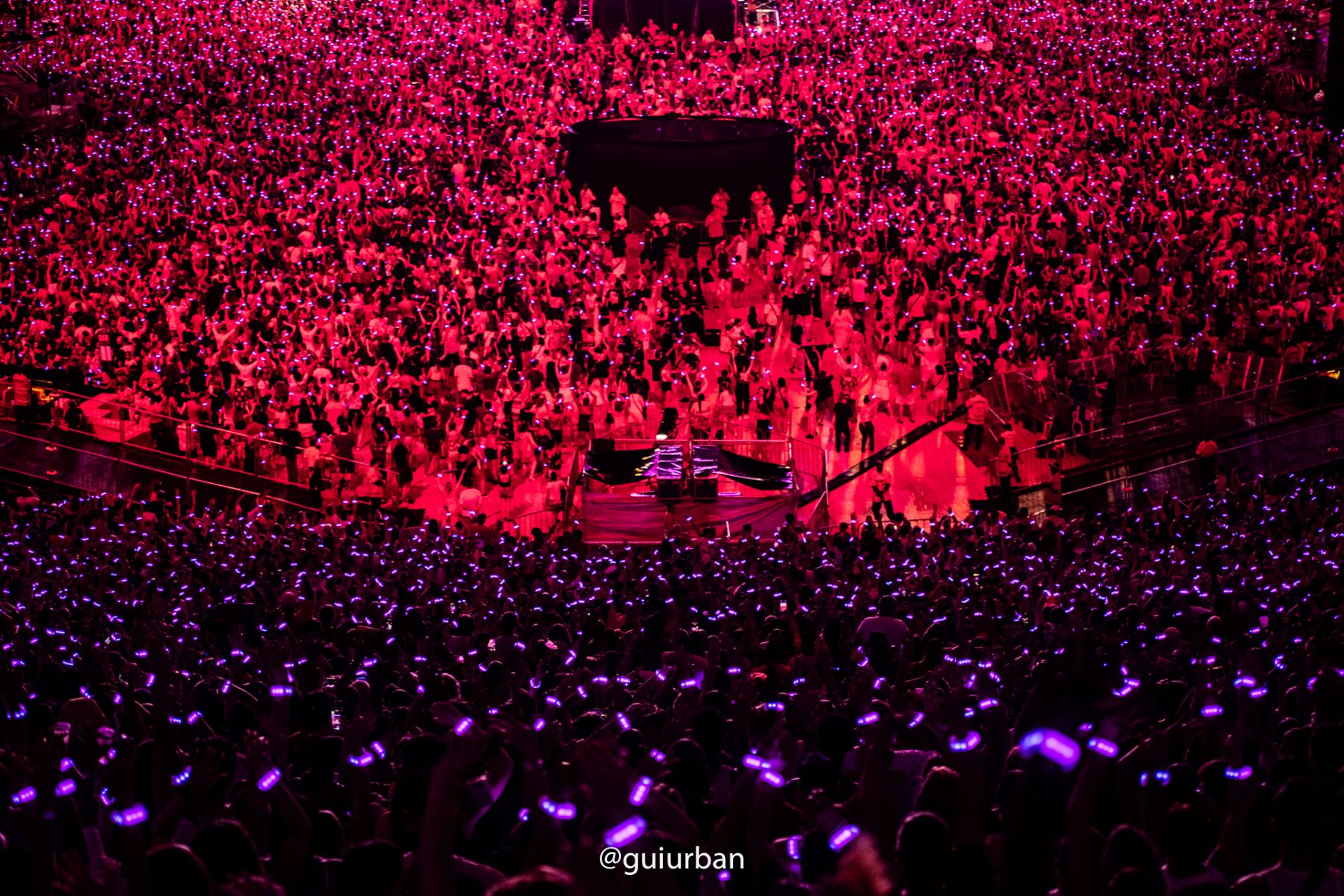
In that shared, emotional moment, he envisioned the audience itself becoming the light show—a living, breathing canvas of synchronized light, uniting tens of thousands of individuals into a single, immersive spectacle.
This wasn’t a linear deduction. It was a dyslexic leap of faith: connecting the emotional resonance of a song to the technical potential of radio-frequency technology. It required the ability to hold a feeling, a technical concept, and a massive spatial environment in the mind at once. The result was the genesis of what the world now knows as Coldplay Xylobands, a technology that fundamentally reshaped the concert experience and created an entirely new category of Immersive Event Technology.
That single spark of insight has since evolved into a global language of light, deployed for artists like Maluma and Wizkid, and at monumental events for Formula One, FIFA, and the Davis Cup. It all began with a mind that was wired to connect disparate ideas and see the bigger picture.
The Cognitive Toolkit of the Visionary
The dyslexic advantage in business isn’t an anomaly; it’s a collection of powerful cognitive tools that are perfectly suited for the chaos and complexity of modern entrepreneurship.
1. Exceptional Spatial Reasoning
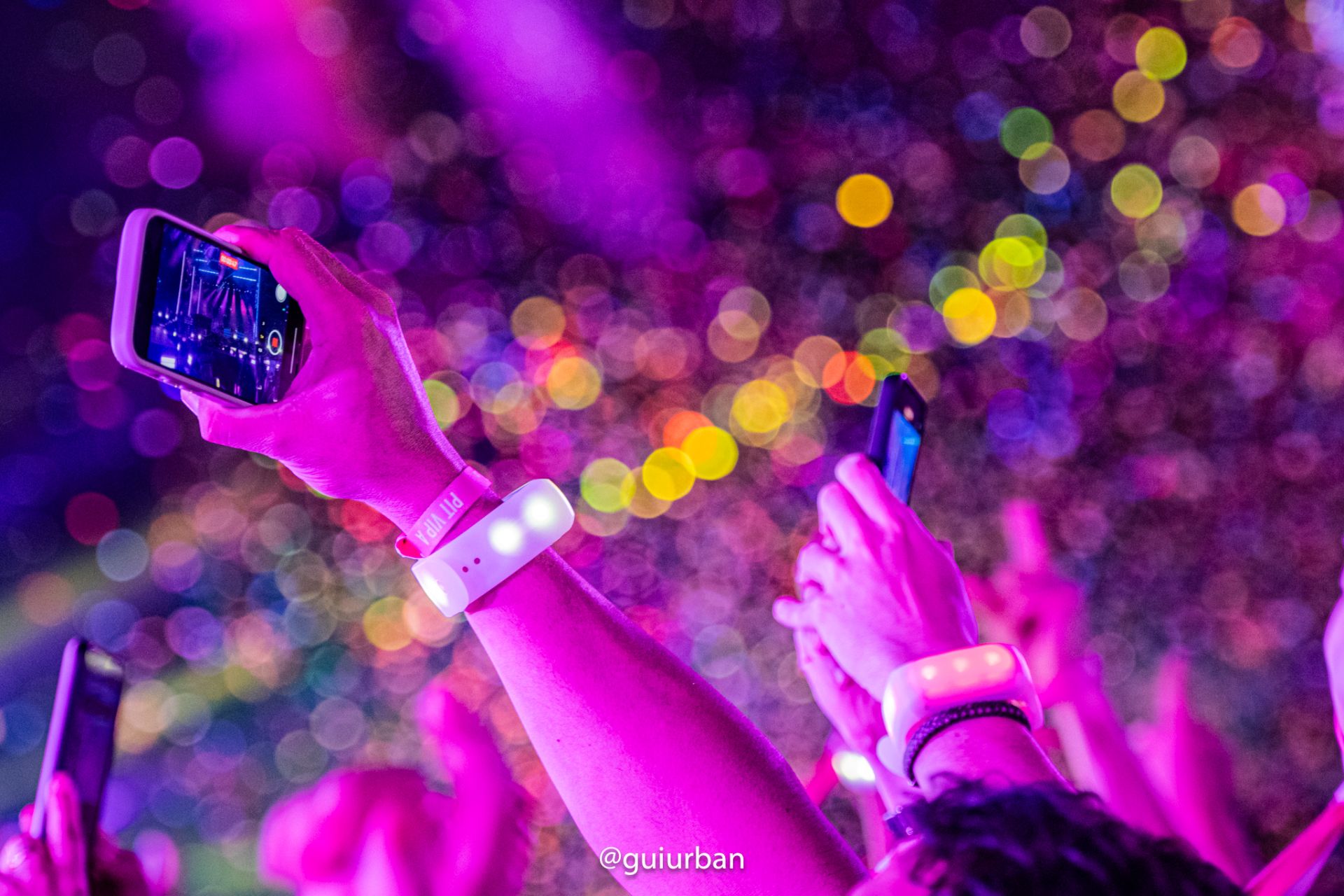
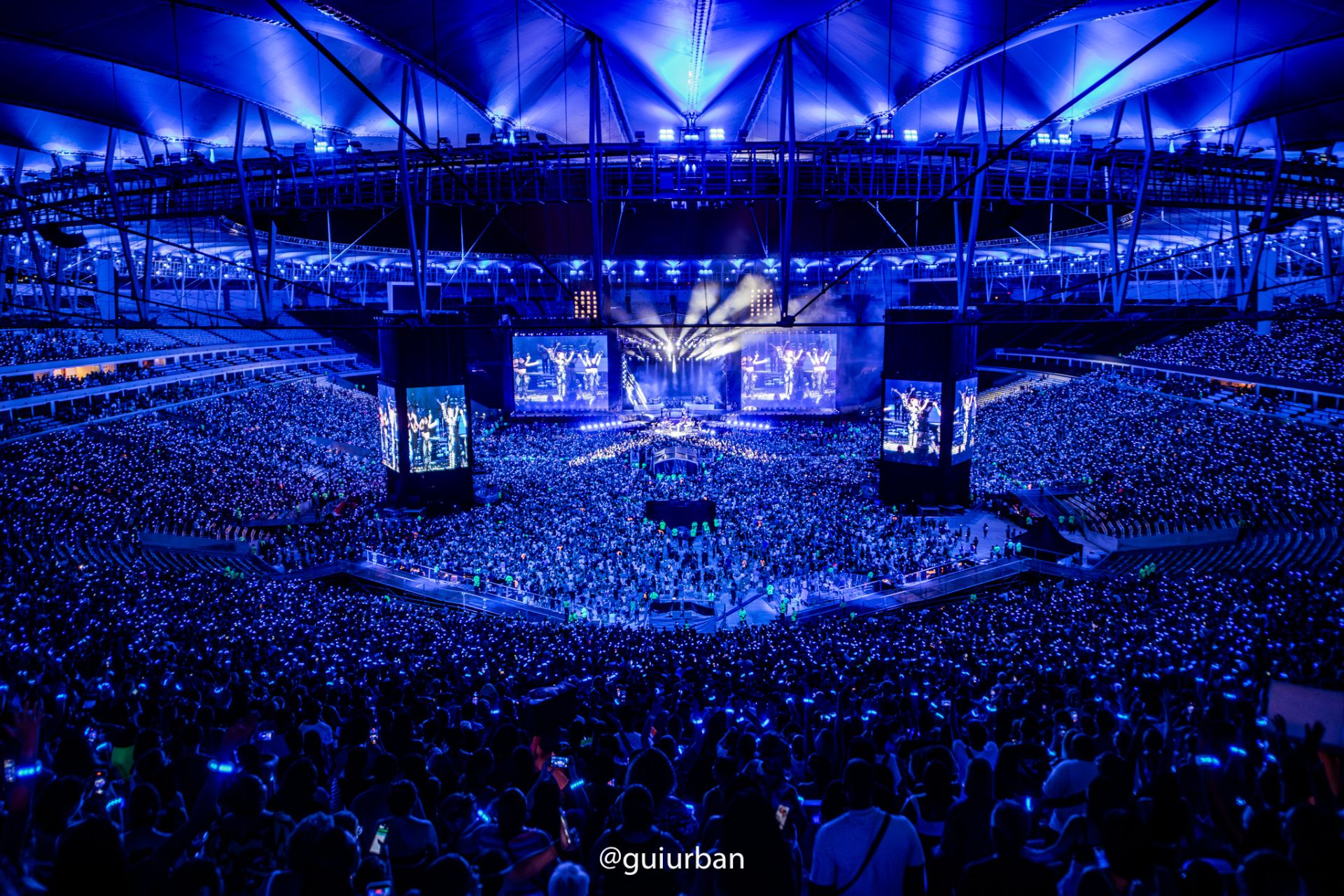
Many dyslexic individuals possess a remarkable ability to think in three dimensions. They can manipulate, rotate, and view complex objects and systems within their minds. For an industry built on transforming empty spaces—arenas, stadiums, conference halls—into unforgettable environments, this is an invaluable skill. It’s the ability to see the finished show before the first flight case is opened. It’s about choreographing LED Crowd Experiences not as a series of individual lights, but as a single, fluid entity moving through space—turning a crowd into a kinetic sculpture.
2. Big-Picture Thinking and Pattern Recognition
While others may get lost in the details of a spreadsheet, the dyslexic brain is often soaring at 30,000 feet, spotting trends and connections invisible from the ground. This holistic perspective is crucial for strategy and vision. It allows a leader to anticipate market shifts, identify new opportunities, and build a business that is resilient and adaptable. Creating a global logistics network to reliably deliver Wearable LED Technology to over 70 countries requires seeing the entire chessboard, not just the next move.
3. Narrative-Based Reasoning
Dyslexic minds often process information through stories and experiences rather than abstract facts. This can be a profound asset in leadership, marketing, and sales. An entrepreneur doesn’t just sell a product; they sell a vision, a story. Whether pitching for investment or designing Corporate Event Activations, the ability to craft a compelling narrative that connects with people on an emotional level is paramount. It’s how you turn attendees into brand ambassadors and a one-time event into a lasting memory.
Building a Neurodiverse Future for Live Events
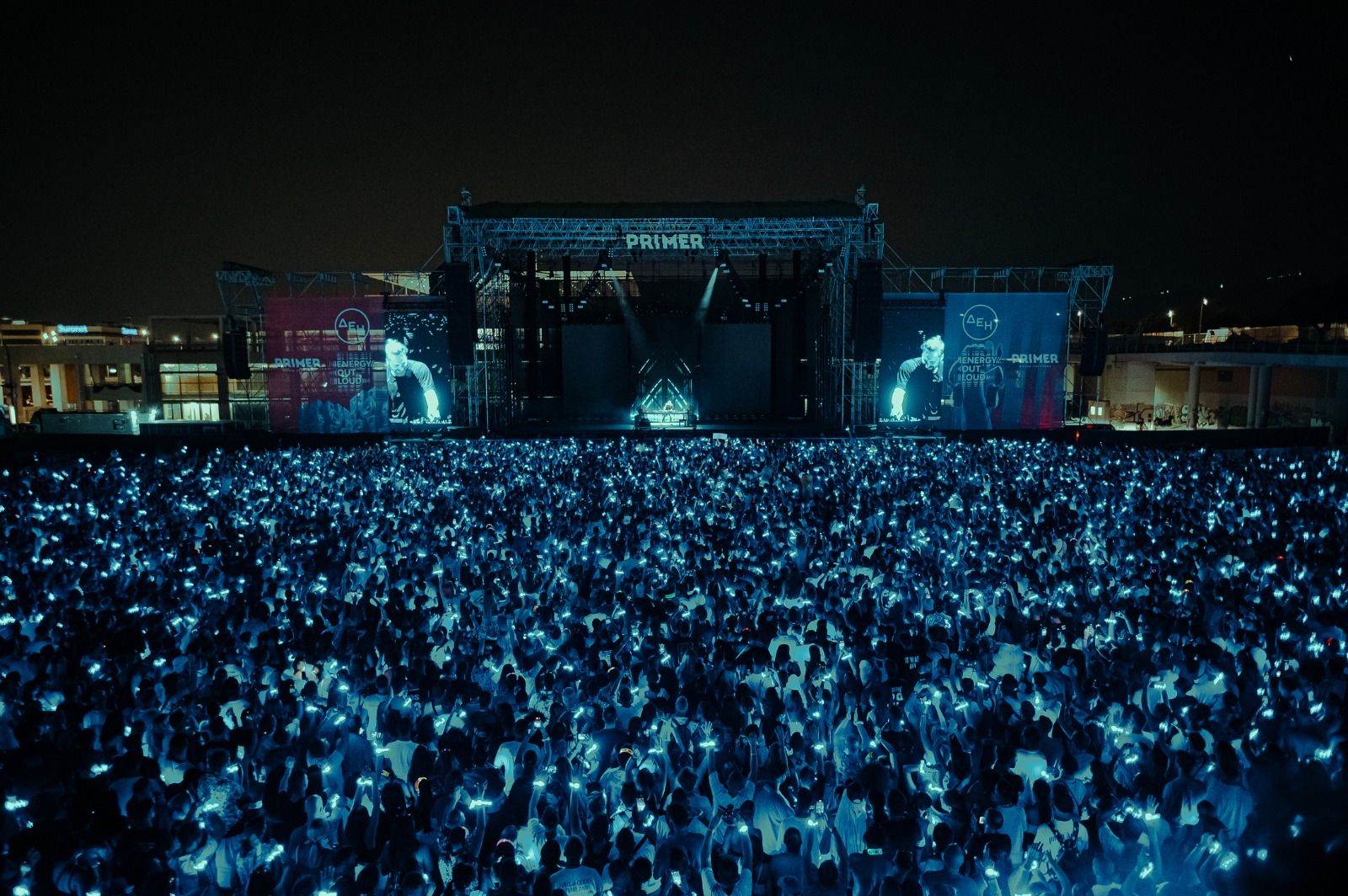
The future of the live experience—from music festivals like Primer to global sporting events—will be defined by ever-more breathtaking and ambitious applications of technology. Creating the next generation of Immersive Events will demand more than just technical skill; it will demand a diversity of thought. It will require teams that blend the meticulous, linear-thinking producer with the sprawling, pattern-finding visionary.
Fostering an environment where neurodiversity is recognized as a creative and strategic asset is no longer a "nice to have." It’s a competitive necessity. The most innovative companies are those that empower individuals to leverage their unique cognitive strengths. By doing so, we unlock new solutions, from custom LED Lanyards at a corporate gala to perfectly synchronized Concert Wristbands that make an arena feel intimate.
The story of dyslexia in business is not one of overcoming a deficit. It’s the story of harnessing a different, powerful way of thinking. It’s about recognizing that the mind that struggles with the fine print is often the same mind that can architect a masterpiece. In the business of spectacle and wonder, we need the pattern finders, the dreamers, and the visionaries. We need the people who don’t just see the world as it is, but as it could be—illuminated, connected, and unforgettable.