The Unseen Advantage: Dyslexia and the Entrepreneurial Mindset
The Architecture of an Idea
In the world of business, we lionize the linear path. The meticulously crafted business plan, the logical progression from A to B, the straight line on a growth chart. But true disruption rarely follows a straight line. It often emerges from a different kind of mind—one that sees connections others miss, perceives patterns in chaos, and solves problems by reframing them entirely. This is the world of the neurodiverse entrepreneur, and it’s a space where a condition like dyslexia can become a formidable creative and strategic advantage.
The conventional narrative frames dyslexia as a deficit, a hurdle centered on the processing of written language. While the challenges are real, this perspective misses the other side of the cognitive coin. Many dyslexic individuals develop powerful compensatory skills in spatial reasoning, big-picture thinking, and narrative intelligence. They become adept at connecting disparate concepts and visualizing complex systems. Unable to rely on linear note-taking, they build intricate mental models. It’s a way of thinking that doesn’t just work around a problem; it creates an entirely new lens through which to see the world.
A Spark in the Crowd
This cognitive framework is the quiet backstory to some of the most significant innovations. Consider the origin of Xylobands. Our director, Jason Regler, was at the Glastonbury Festival, standing in a vast crowd watching Coldplay perform. During the resonant climax of "Fix You," the line ‘Lights will guide you home’ sparked an idea. It wasn’t a linear, analytical thought. It was a sudden, visceral vision: what if the crowd itself became the light show? What if every individual in that field of thousands could be connected, transformed from a passive spectator into a unified, illuminated whole?
This wasn’t just an idea for a product; it was a fundamental reimagining of the relationship between the artist, the audience, and the atmosphere. It was a spatial, emotional, and systemic concept—a hallmark of dyslexic thinking.
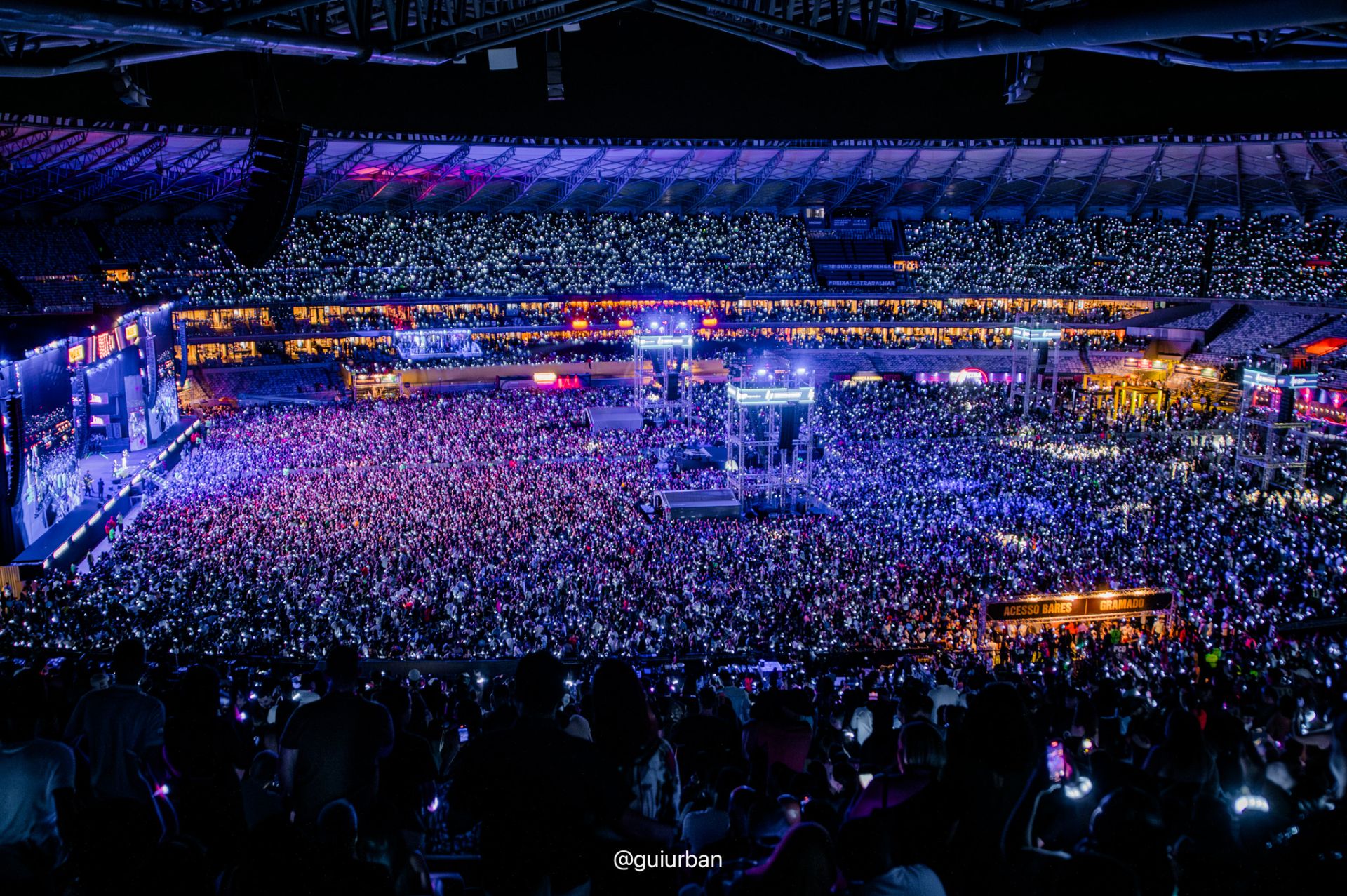
The challenge was immense: to create a reliable, wirelessly controlled system that could synchronize tens of thousands of individual light sources in perfect harmony. It required translating a creative vision into a robust technical reality, a journey that led to the first Coldplay Xylobands on the Mylo Xyloto tour. The result was a paradigm shift in live entertainment, creating the blueprint for large-scale LED Crowd Experiences that are now a staple of major tours, broadcasts, and sporting events.
The Neurodiverse Edge in Event Production
The live events industry is a natural home for this kind of thinking. A tour manager orchestrating global logistics is navigating a complex, multi-dimensional puzzle of freight, customs, and personnel. A lighting designer doesn’t just hang lights; they sculpt space and emotion, creating an architectural and psychological journey for the audience. These are not linear tasks. They demand an ability to hold and manipulate a vast, dynamic system in one’s mind.
This is where the strengths associated with neurodiversity shine. The ability to see the entire system—from the warehouse to the encore—is crucial. It’s about understanding how Immersive Event Technology doesn’t just add to a show but fundamentally alters its DNA. It’s about foreseeing the fan experience not as a series of isolated moments but as a complete emotional arc.
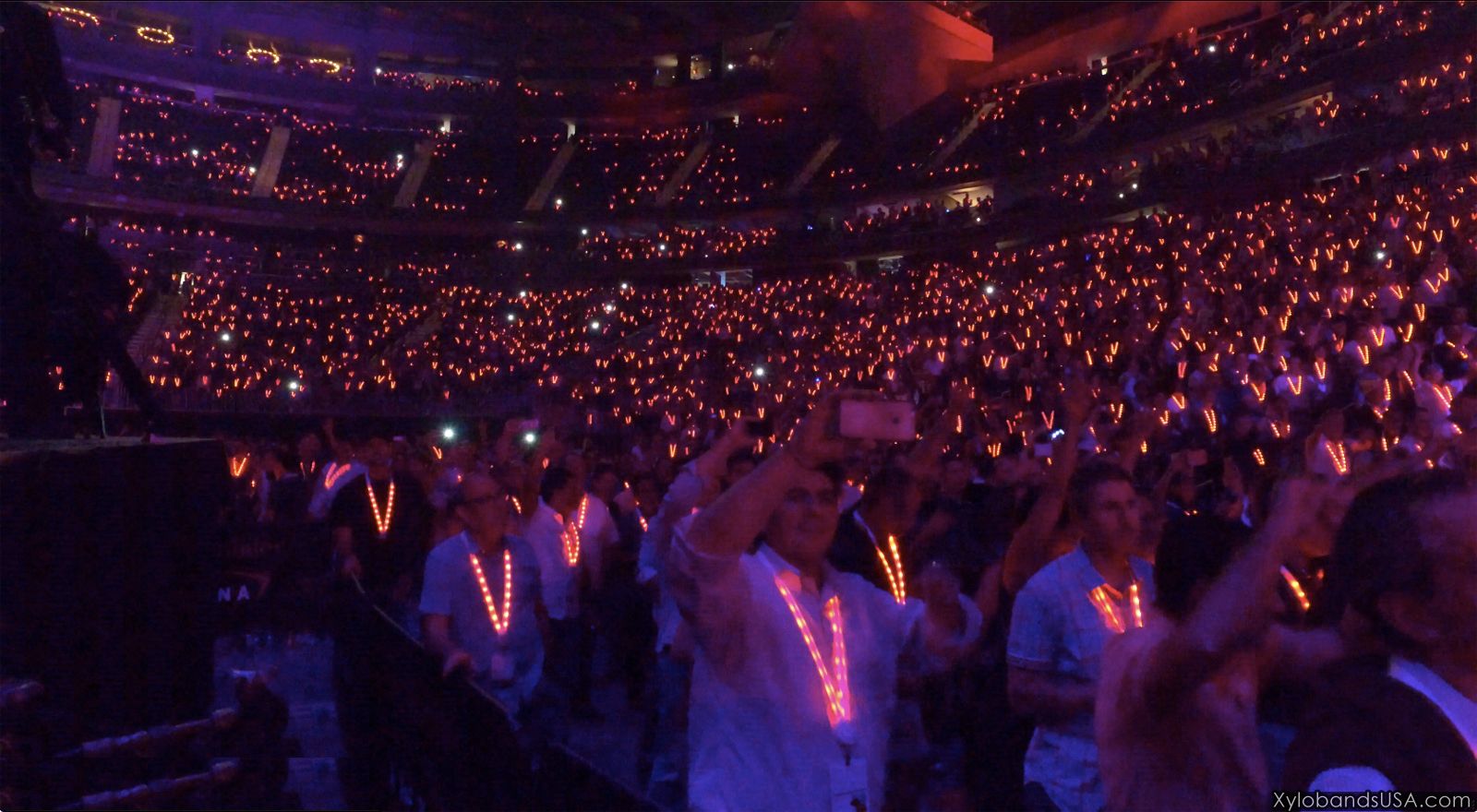
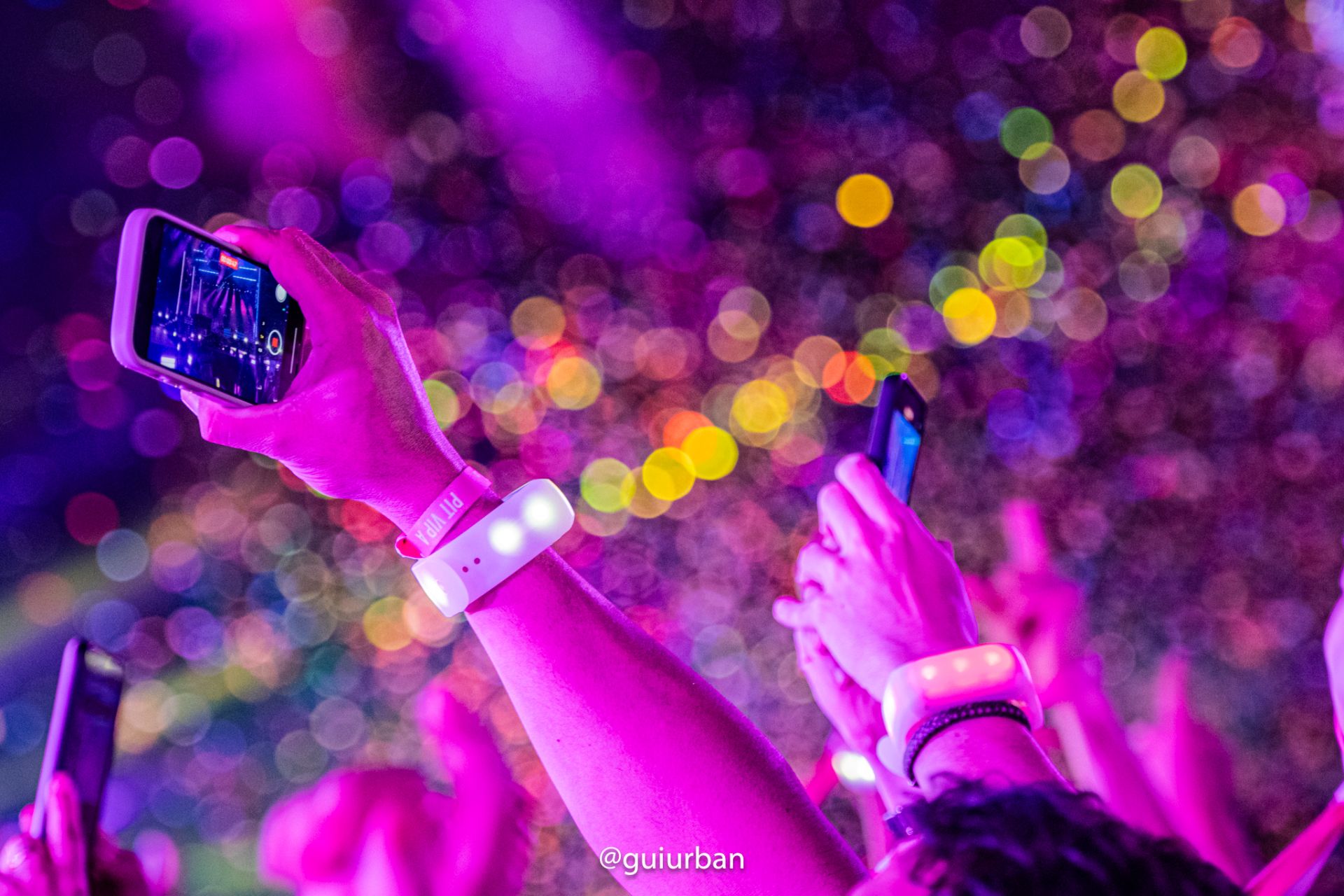
Products like our Radio Controlled LED Wristbands and LED Lanyards are the physical manifestation of this systems-based thinking. They are nodes in a network, individual points of light that come together to form a grand, kinetic canvas. The technology is sophisticated, but the core idea is deeply human: connection, unity, and shared experience. It’s a concept that resonates from a massive music festival like Primer in Greece to high-stakes Corporate Event Activations where brands aim to create a lasting emotional imprint.
Building a Culture of Cognitive Diversity
Harnessing this advantage requires a conscious effort to build cognitively diverse teams. The industry needs both the linear, detail-oriented thinkers who can execute a plan with flawless precision, and the non-linear, big-picture visionaries who question the plan’s underlying assumptions. The artist and the engineer, the dreamer and the pragmatist—it’s the dynamic tension between these modes of thinking that fuels true innovation.
When you create an environment where different cognitive styles are understood and valued, you unlock a more resilient and creative organization. You build a team that can not only solve existing problems efficiently but can also anticipate and define the next frontier. This is how a simple idea for Concert Wristbands evolves into a sophisticated platform for fan engagement, audience analytics, and broadcast-ready spectacles.
The story of Xylobands is a testament to this principle. It began with a moment of non-linear, associative thought—a dyslexic spark. It became a global phenomenon through the rigorous application of engineering, logistics, and operational excellence. That initial vision, however, could only have come from a mind wired to see the world not as a series of words, but as a web of interconnected possibilities. In an age demanding constant innovation, the unseen advantage of the neurodiverse mind is no longer a peripheral asset; it is the central engine of progress.