Seeing Around Corners: The Dyslexic Advantage in a World of Linear Thinking
The Limits of a Linear Script
Modern business, for all its talk of disruption, is still largely built on a linear foundation. We write reports, follow project plans, and climb corporate ladders, all in a sequential, text-driven fashion. It’s a framework that rewards a specific A-to-B-to-C mode of thinking. But the most profound challenges and opportunities—choreographing a global stadium tour, launching a new technology, or designing truly immersive events—are rarely linear. They are complex, dynamic systems of interconnected variables, where the winning move is often found by seeing the whole board at once.
For those who think differently, particularly those with dyslexia, this non-linear landscape isn’t chaotic; it’s native territory. Dyslexia is often misunderstood as a simple reading disorder, a deficit to be overcome. This view is not only outdated, but it misses the point entirely. It is more accurately described as a different cognitive processing style, one that often favors holistic, big-picture thinking over rote memorization and sequential processing. In a world demanding constant innovation, this isn't a weakness. It’s a strategic advantage.
The Pattern-Finding Mind
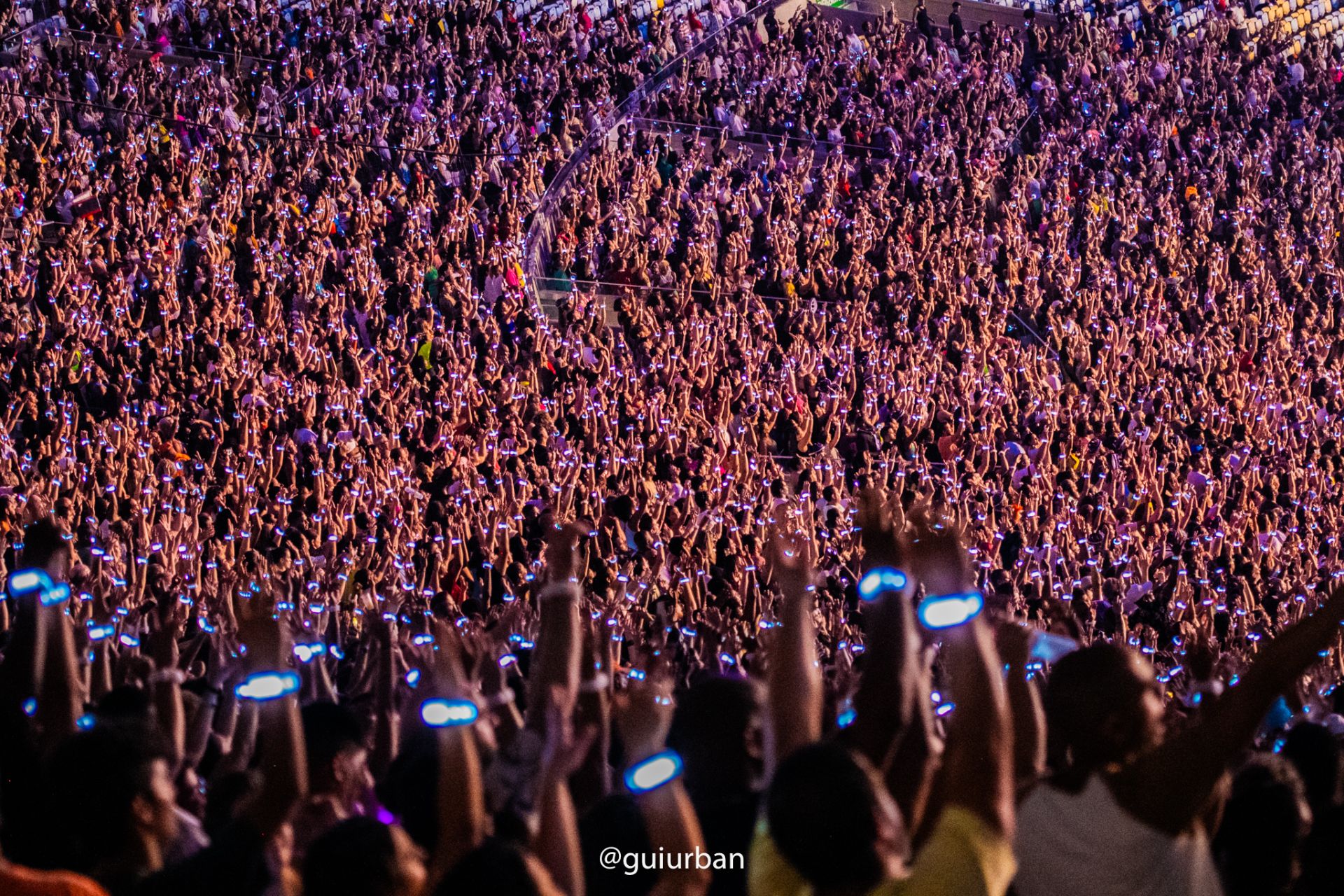
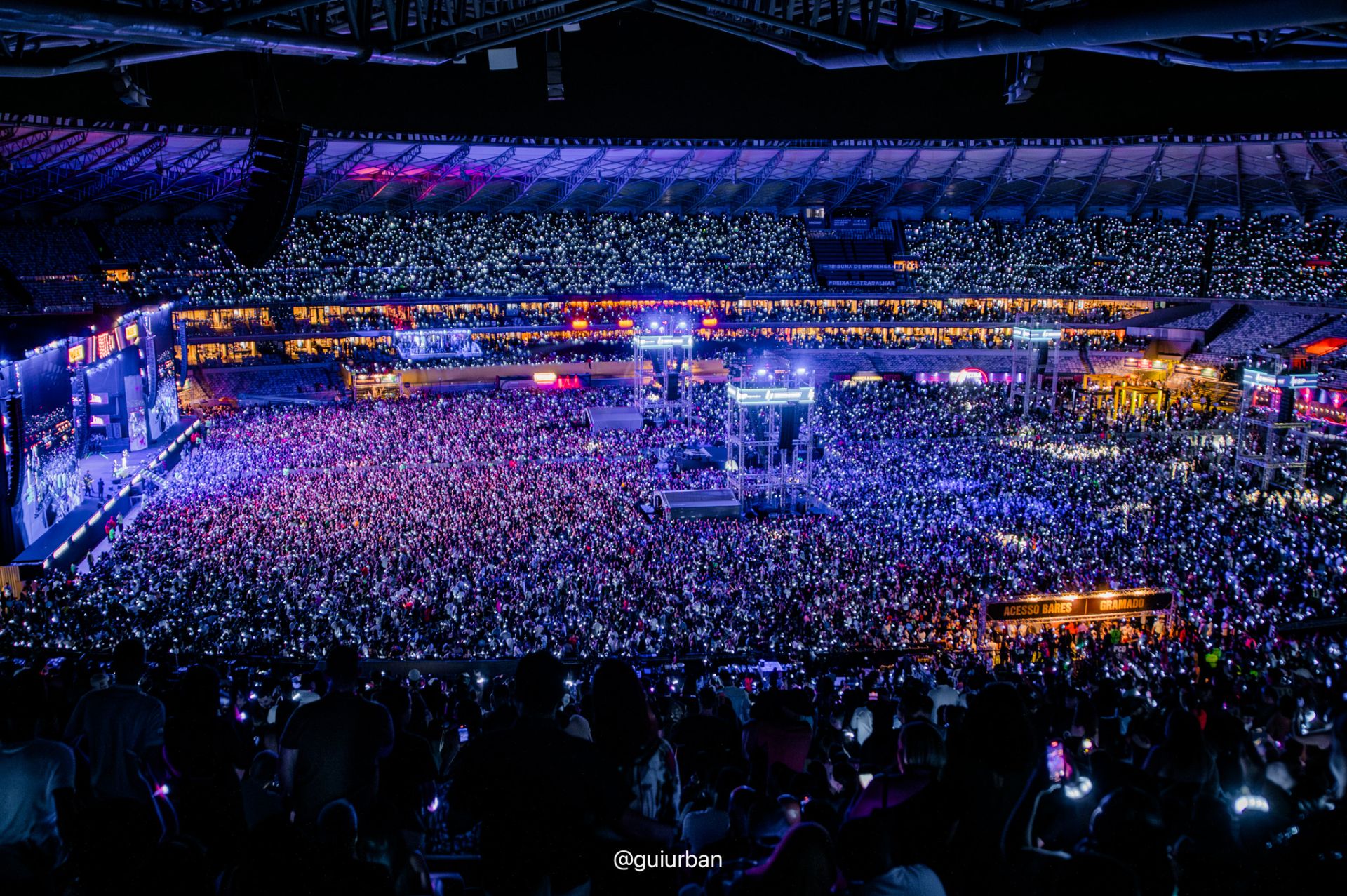
The story of Xylobands is, at its core, a story about the power of dyslexic thinking. In 2011, our founder, Jason Regler, was at the Glastonbury Festival watching Coldplay. As the band played "Fix You" and the lyrics “Lights will guide you home” washed over the crowd, he didn’t just see tens of thousands of individual fans. He saw a system. He visualized a single, unified canvas of light and emotion, a shared experience where every single person became a pixel in a colossal light show. He saw the pattern, the connection between technology and collective effervescence that no one else had yet fully realized.
Holistic Vision and Systems Thinking
This ability to perceive the whole—not just the parts—is a hallmark of many dyslexic entrepreneurs. While linear thinking excels at optimizing a single component, holistic thinking redesigns the entire system. The idea wasn’t to give people a better lighter or a brighter phone screen. The idea was to transform the audience itself into the spectacle. This conceptual leap is what gave birth to a new category of immersive event technology, turning passive crowds into active participants through radio-controlled LED bands.
Connecting Disparate Concepts
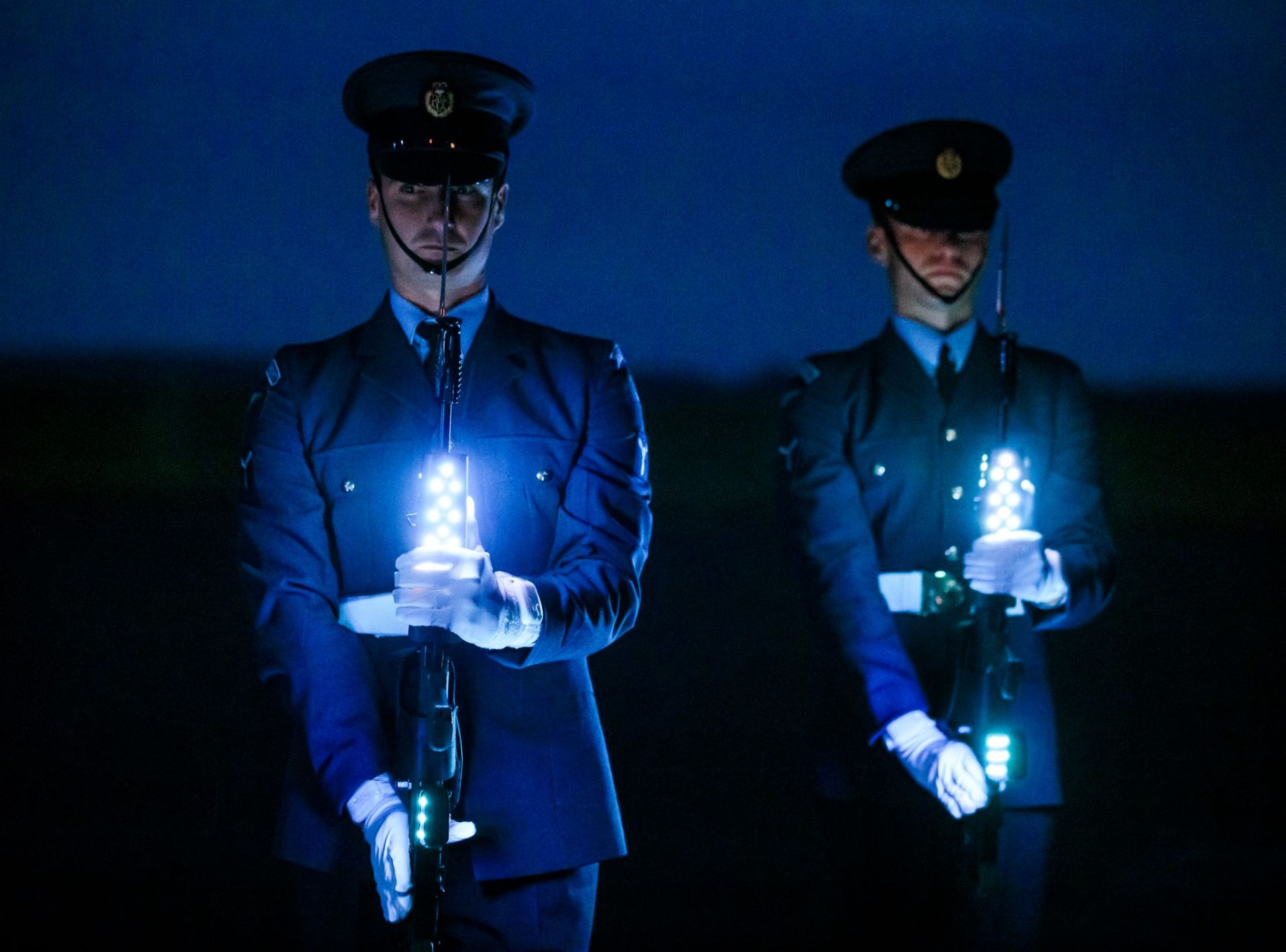
Innovation rarely emerges from a single discipline. It’s born at the intersection of many. The dyslexic mind often excels at making these novel connections. To create Xylobands, you had to connect RF and DMX control protocols with LED hardware, battery logistics, large-scale event production, and the fundamental psychology of crowds. You had to see how a piece of wearable LED technology, something as simple as a wristband, could solve a complex emotional and artistic problem for a performer on stage. This cross-pollination of ideas is the engine of invention. It’s what enables the scaling of the experience from a concert to sophisticated corporate event activations or the detailed, broadcast-ready deployment of custom LED Lanyards for a massive event like the Formula One 75th anniversary.
"My dyslexia has been a massive advantage. I don't read rulebooks. I don't see obstacles; I see challenges. I see the world in a different way, and that has been the most important tool I have." - Jason Regler, Inventor of Xylobands
From Resilience to a Creative Edge
Navigating an educational system and a professional world built for linear minds instills a unique form of resilience. It forces the development of alternative problem-solving strategies—visualizing solutions, creating mind maps, and relying on collaborative dialogue. This isn’t about “overcoming” dyslexia; it’s about sharpening a different set of cognitive tools that prove incredibly effective in the ambiguous, high-stakes environment of entrepreneurship.
Building a company that has powered over 10,000 events in more than 70 countries requires more than a good idea. It requires a relentless ability to adapt, to solve three-dimensional problems of logistics, manufacturing, and creative execution on a global scale. This resilience, forged in the experience of thinking differently, becomes a powerful and durable competitive advantage.
Building a Neurodiverse Creative Engine
For event producers, tour managers, and brand marketers, the lesson is clear: building a team of cognitively diverse individuals isn’t just an HR initiative; it’s a creative and commercial imperative. A production team that blends meticulous, linear planners with dyslexic, big-picture visionaries is an unstoppable force. The planners ensure the train runs on time. The visionaries ensure the train is going to an entirely new and exciting destination.
When you design LED crowd experiences, you need both. You need the technical precision to ensure tens of thousands of radio controlled LED wristbands fire at the exact microsecond. And you need the creative vision to see how that moment of light can forge an unforgettable emotional bond between an artist and their audience. True innovation happens when these different ways of thinking don’t just coexist, but collaborate.
The next time you’re tasked with creating a moment of mass spectacle, don’t just look for people who follow the playbook. Look for the ones who can see the unwritten rules, who can spot the patterns in the noise, and who can visualize a future no one else has had the imagination to build. The world is filled with complex, dynamic systems waiting to be understood and reimagined. And more often than not, the breakthrough will come from those who were never designed to see it in a straight line.