The Pattern Finders: How Dyslexic Entrepreneurs Are Rewriting the Rules of Business
The Standard Narrative is Incomplete
In the rigid architecture of the modern business world, we are taught to build careers on a foundation of linear thought. We write crisp, grammatically perfect emails. We absorb dense reports and act on their conclusions. We follow established paths. It’s a model that has its merits, but it’s also a model that can inadvertently filter out some of the most potent and disruptive thinkers among us: the dyslexic entrepreneur.
Dyslexia is too often framed as a disadvantage — a hurdle to be overcome. The narrative focuses on the challenges with reading, writing, and rote memorization. But this is a one-dimensional view. It ignores the remarkable cognitive advantages that often accompany this different way of processing information. For a subset of visionary leaders, dyslexia isn’t a bug; it’s a feature. It’s a neurological operating system optimized for creativity, pattern recognition, and big-picture thinking.
Seeing the World in Systems, Not Sentences
The dyslexic mind tends to be highly skilled at spatial reasoning, holistic processing, and connecting seemingly disparate concepts. Where a neurotypical brain might get bogged down in the minutiae of a spreadsheet, the dyslexic brain is often soaring at 30,000 feet, seeing the entire landscape. It’s a profound strategic advantage.
This is precisely the story behind the genesis of Xylobands. Our founder, Jason Regler, was at the Glastonbury Festival, watching one of his favorite bands, Coldplay. During the anthemic peak of "Fix You," as the lyric “Lights will guide you home” washed over the massive crowd, he didn’t just hear a song; he saw a system. He envisioned a network of light, a living, breathing organism of shared experience where every single person became a pixel in a grand, unified canvas.
“The idea wasn’t born from a business plan or a market analysis,” Jason has often reflected. “It was a feeling, a visual, a complete picture that dropped into my head. The challenge wasn’t the idea; it was translating that visceral image into a tangible reality.”
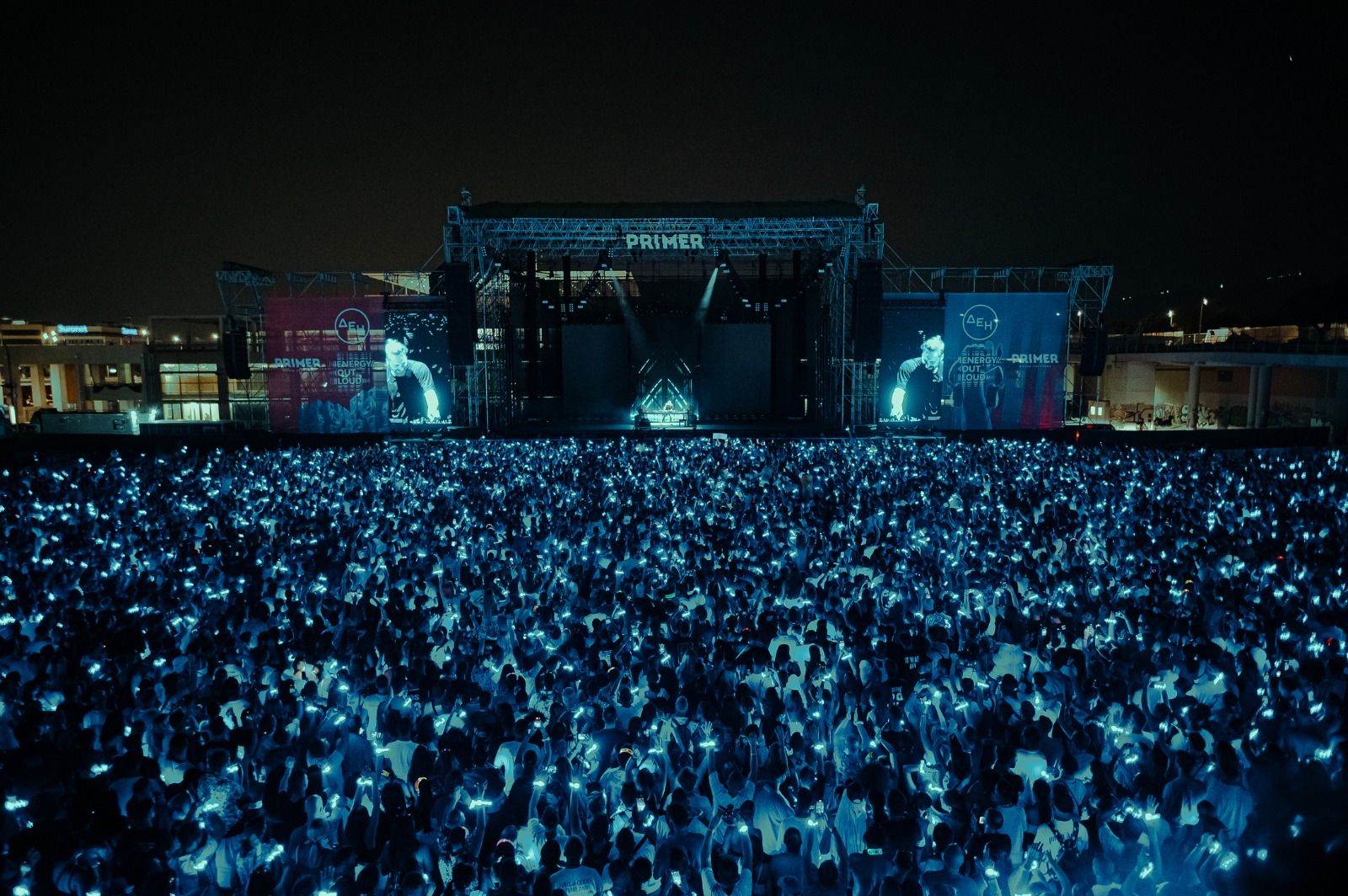
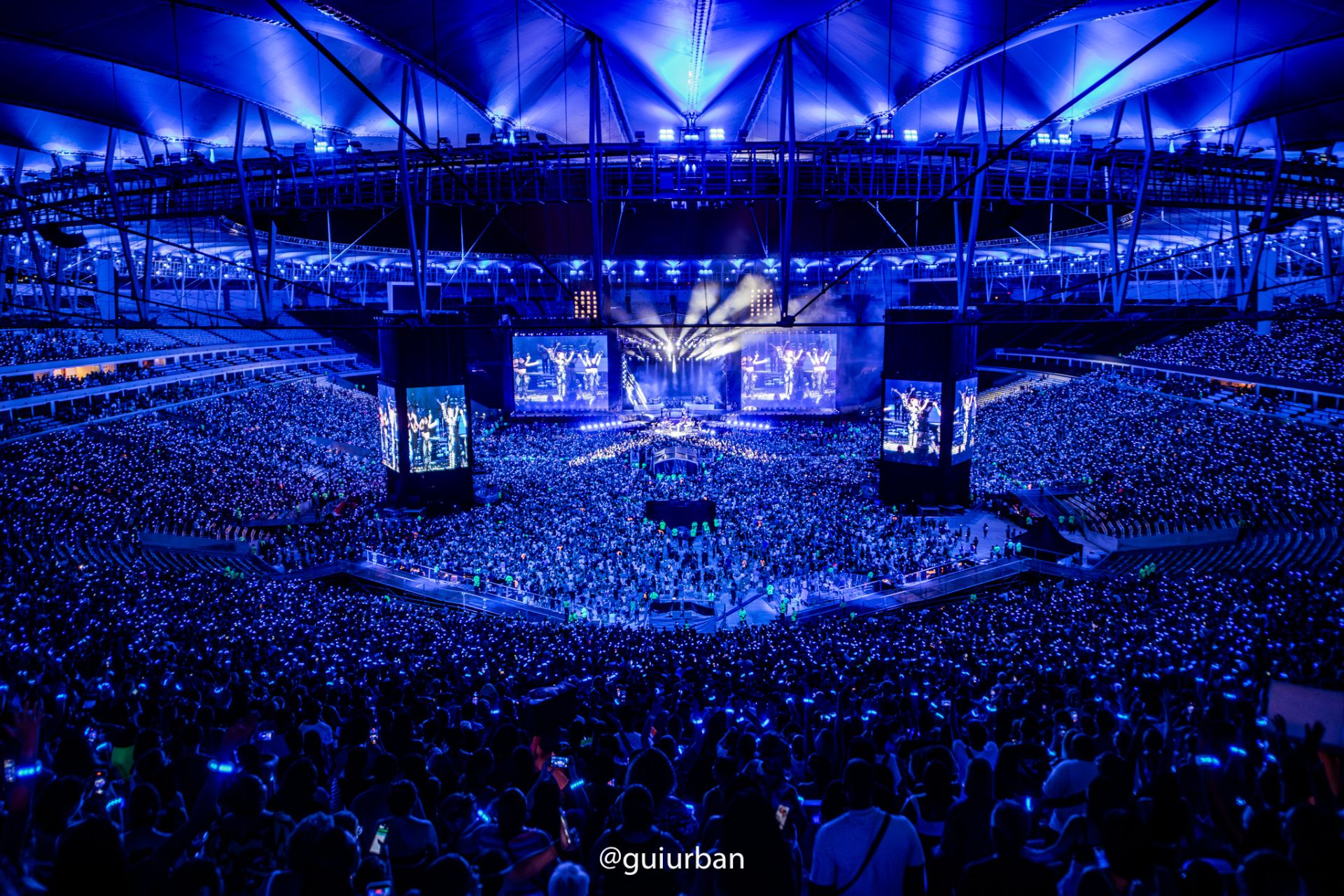
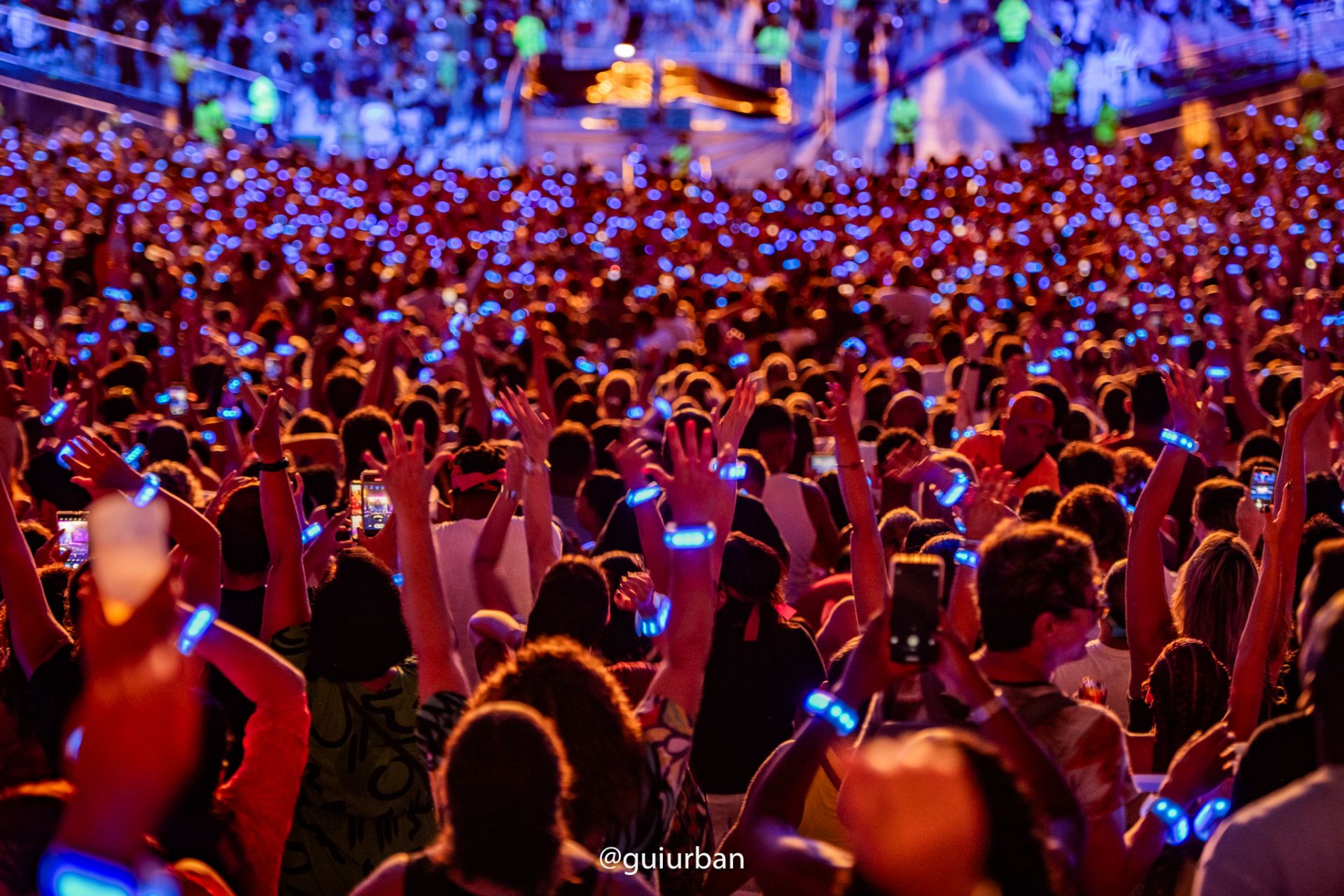
This is the dyslexic process in action. It’s not about following a linear, text-based instruction manual. It’s about reverse-engineering a powerful vision. It is the core of what allows us to create breathtaking LED Crowd Experiences, turning tens of thousands of individuals into a single, cohesive light show.
The Superpowers of the Dyslexic Entrepreneur:
- Exceptional Problem-Solving: By not being bound to conventional, step-by-step thinking, dyslexic leaders often find novel solutions to complex problems. They attack challenges from unexpected angles, leading to true innovation rather than incremental improvements.
- Enhanced Pattern Recognition: They possess an uncanny ability to spot trends, anomalies, and opportunities that others miss. This allows them to anticipate market shifts and pioneer new categories.
- Superior Spatial and 3D Thinking: This is critical in fields like design, engineering, and architecture. For us, it’s the intuitive understanding of how light, space, and human emotion will interact during a stadium show or a corporate event activation. It’s the mental modeling that precedes the physical deployment of our radio controlled LED wristbands.
- Big-Picture Vision: Dyslexic entrepreneurs are natural visionaries. They excel at holding a complex, long-term goal in their minds and inspiring a team to build toward it, even if the path isn’t immediately clear.
From Vision to Global Spectacle
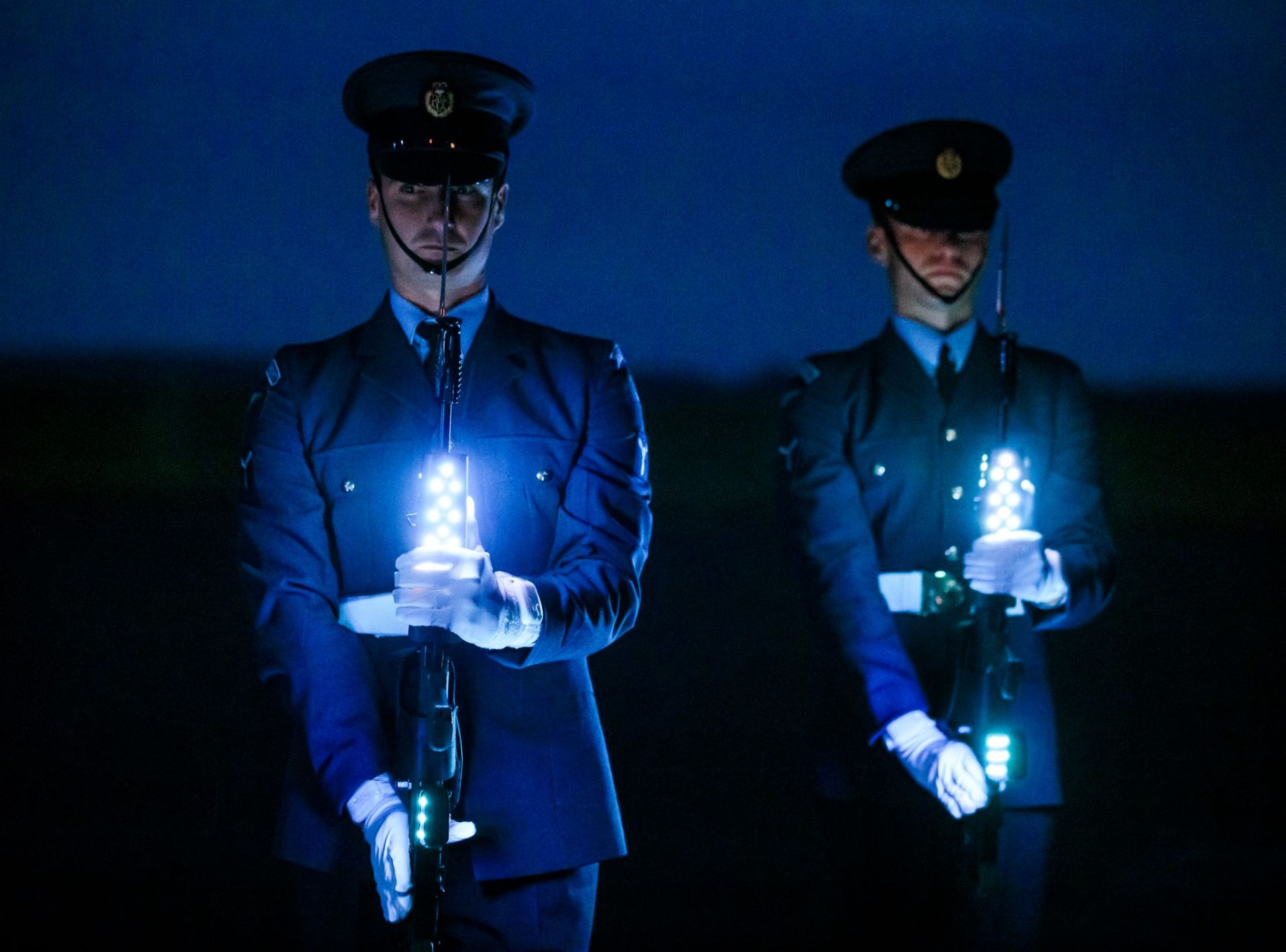
The journey from that moment at Glastonbury to deploying Coldplay Xylobands on the Mylo Xyloto tour was a testament to this unique way of thinking. It required building a team that could translate a powerful visual concept into robust immersive event technology. It involved mastering the complex languages of RF, DMX, and infrared to control thousands of individual light sources in perfect synchrony.
This process of translation is a key skill for successful dyslexic leaders. They learn to surround themselves with brilliant people who can handle the executional details that might not be their core strength. They become masters of communication, not necessarily through perfect prose, but through passion, storytelling, and a clear, unwavering articulation of the final vision. They paint the picture of the destination, and empower their team to navigate the terrain.
Today, this same visionary DNA fuels everything we do. Whether we are designing custom LED wristbands for a global brand, creating dynamic light shows for artists like Wizkid and Maluma, or transforming a sporting arena for Formula One or the Davis Cup, the objective is the same: to build a moment of collective effervescence. To use wearable LED technology to dissolve the space between the performer and the audience, making everyone part of the spectacle.
Redefining the Innovation Playbook
The success of entrepreneurs who think differently sends a powerful message to the business community. It challenges us to look beyond standardized metrics and embrace cognitive diversity as a strategic asset. The next world-changing idea may not come from a perfectly polished business school graduate, but from a visual thinker, a pattern-finder, a systems-level innovator who has spent their life decoding the world in a different way.
These are the minds that architect immersive events. They don’t just plan an event; they feel its emotional arc. They don’t just hang lights; they choreograph moments of human connection. From festival wristbands that pulse with the beat to LED lanyards that guide attendees through an experience, the technology is merely the tool. The true innovation is the understanding of how to use it to evoke a feeling, to create a memory, to make tens of thousands of people feel like one.
The story of dyslexia in business is not a story of overcoming deficits. It is the story of leveraging a different kind of brilliance. It’s a reminder that those who see the world differently are often the ones who change it for the better. They don’t just read the map; they redraw it.