The Zigzag Line: How Dyslexic Thinking Fuels Breakthrough Innovation

The Cognitive Edge of the Unconventional Mind
In the linear, structured world of modern business, we are taught to think in straight lines. A leads to B, which leads to C. Data points are plotted, and predictable paths are forged. But breakthrough innovation rarely emerges from this kind of linear thinking. It comes from the peripheries, from the minds that see the world differently — connecting disparate ideas, spotting hidden patterns, and imagining possibilities where others see only obstacles.
This is the world of the dyslexic thinker. Often miscategorised simply as a "learning disability," dyslexia is more accurately described as a different cognitive processing style. While it can present challenges with linear, text-based information, it often comes with a powerful suite of compensating strengths: enhanced spatial reasoning, big-picture thinking, creative problem-solving, and a natural ability to connect seemingly unrelated concepts.
These are not just "soft skills"; they are potent strategic advantages in a business landscape defined by constant change and disruption. The ability to simplify complex systems, to visualize outcomes, and to approach problems from unconventional angles is precisely what allows companies to outmaneuver competitors and create entirely new markets.
From a Field in Somerset to a Global Phenomenon
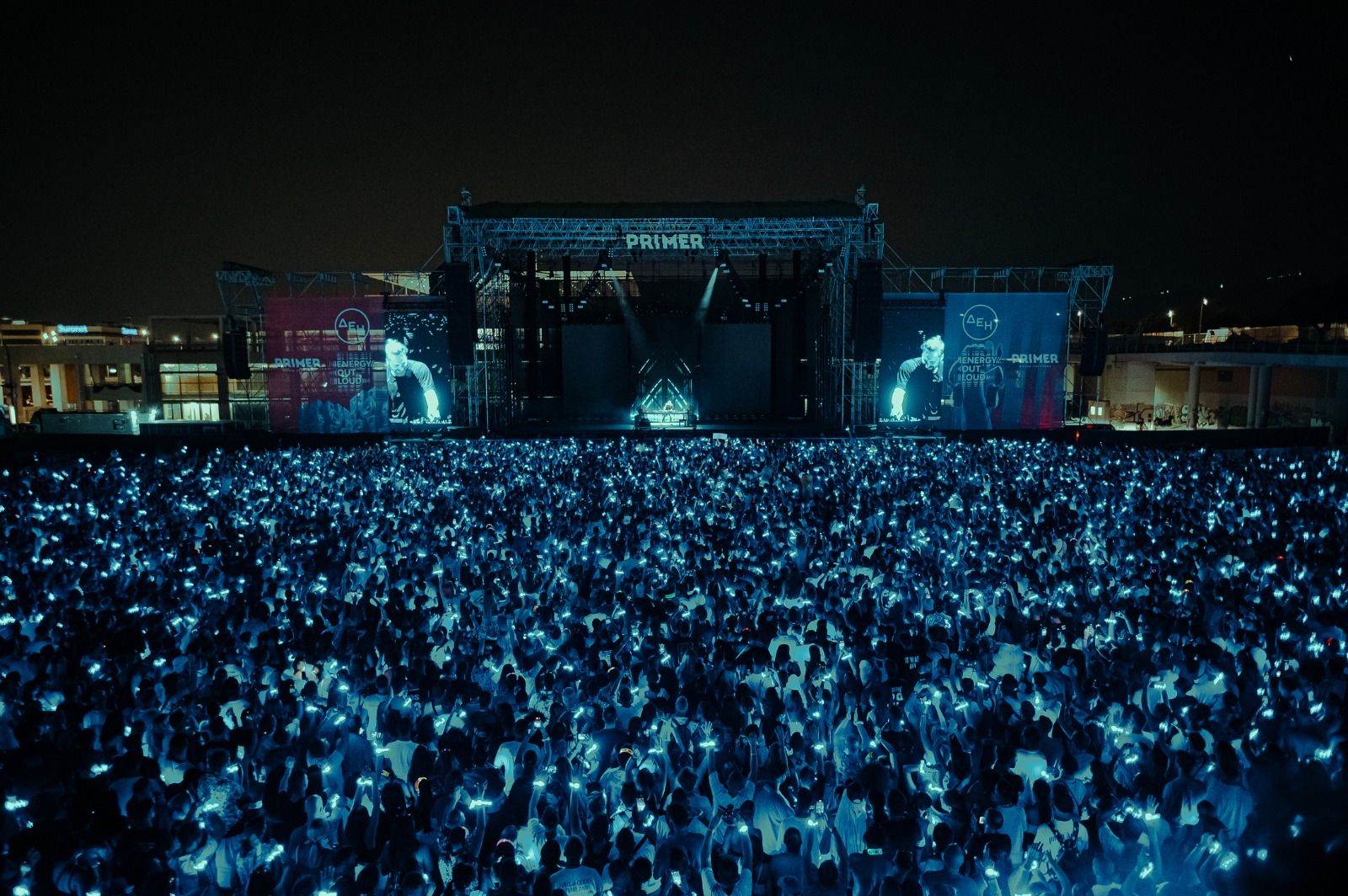
The story of Xylobands is, at its core, a story about the power of this kind of thinking. Our founder, Jason Regler, had the spark of inspiration for what would become a global phenomenon not in a boardroom, but in a field at Glastonbury Festival. Watching Coldplay perform "Fix You," he heard the lyric "Lights will guide you home" and didn’t just hear a song; he saw a vision. He pictured an entire audience transformed into a living, breathing light show, a unified canvas of human energy.
This wasn't a linear, data-driven conclusion. It was a moment of profound, intuitive connection — a synthesis of music, emotion, and technology. It was the dyslexic mind at work, making a leap from an abstract concept to a tangible, world-changing idea: wearable LED technology that could unite a crowd. This ability to see the whole picture, to feel the emotional resonance of an idea and then work backwards to engineer the solution, is a hallmark of the dyslexic advantage.
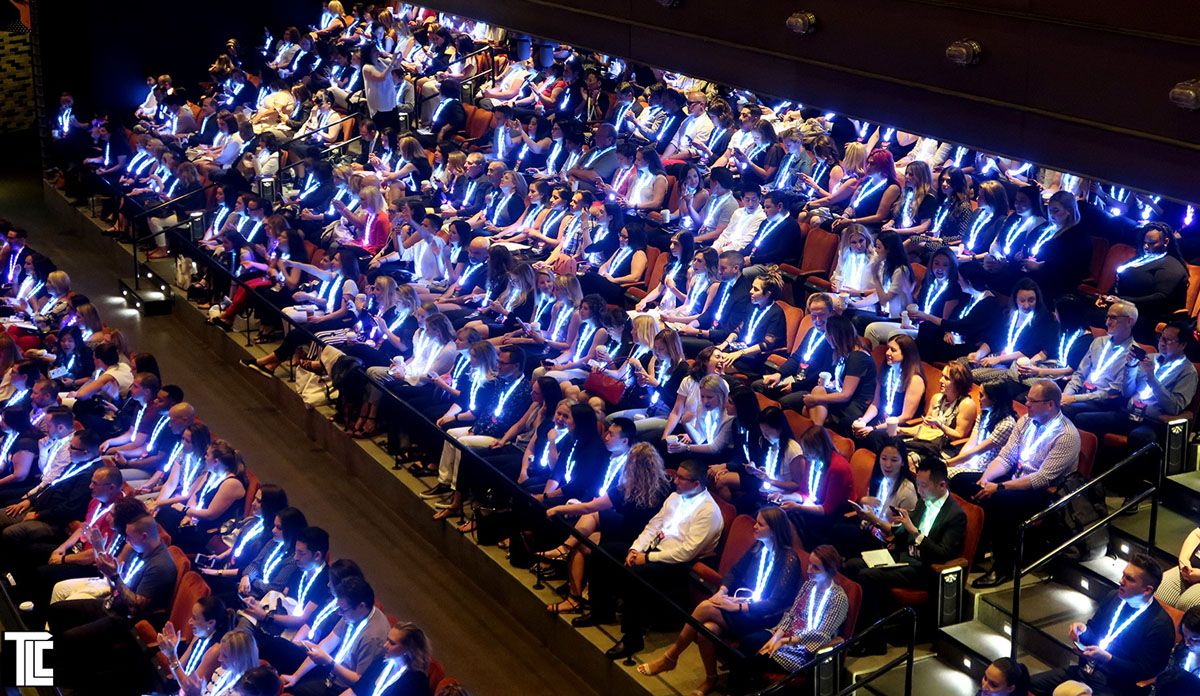
The result was the world's first radio-controlled LED wristbands, which debuted on Coldplay’s Mylo Xyloto tour and have since powered over 10,000 events in more than 70 countries. From the opening ceremonies of the FIFA World Cup to corporate event activations for brands like Google and NASA, the vision born in that field has become a staple of immersive events worldwide.
The Architecture of an Idea: Why Different Thinking Builds Better Businesses
Dyslexic entrepreneurs often excel at building systems and seeing the architecture of a business. Because they struggle with the minutiae of linear processing, they are forced to develop a strong "big picture" perspective. They instinctively know how the pieces of a puzzle fit together without needing to see them in sequential order.
"It's about seeing the connections that others miss. While many people are focused on the individual bricks, the dyslexic mind is often already visualizing the entire cathedral."
This is crucial for scaling a business, especially one as logistically complex as a global event technology company. Delivering millions of custom LED wristbands, lanyards, and orbs to major international events like the Davis Cup or Formula One requires more than just good project management. It demands a holistic understanding of supply chains, client creative goals, and the intricate choreography of live production. It requires the ability to hold a complex, multi-faceted operation in your mind as a single, cohesive entity.
Strengths commonly associated with dyslexic thinking include:
- Exceptional Spatial Reasoning: The ability to mentally manipulate 3D objects and environments. This is invaluable in designing physical products like our LED bands and planning their deployment across complex venues like The O2 Arena for a Wizkid concert.
- Novel Problem Solving: A tendency to approach challenges from unexpected angles, leading to highly original solutions. When faced with a roadblock, the dyslexic brain is more likely to find a "zigzag" path around it rather than trying to force its way through.
- Connecting Disparate Ideas: Finding hidden relationships between different domains. This is the essence of creating truly immersive event technology — it’s not just about the hardware, but about its connection to the music, the artist’s performance, and the collective psychology of the crowd.
Cultivating Neurodiversity as a Strategic Asset
For too long, the business world has been engineered by and for a specific type of linear, neurotypical mind. This has not only excluded a vast pool of talent but has also stifled the very creativity companies claim to cherish. To build genuinely innovative organizations, leaders must move beyond paying lip service to diversity and actively cultivate environments where different thinking styles can thrive.
This means rethinking recruitment processes, which often filter out dyslexic candidates through text-heavy applications and standardized tests. It means designing workflows that play to strengths, pairing big-picture thinkers with detail-oriented implementers. It means creating a culture where asking "What if?" is valued more than reciting "This is how it's always been done."
The future of business, particularly in creative and technology-driven sectors like LED crowd experiences, belongs to those who can harness the full spectrum of human intelligence. The next great leap forward won’t come from a spreadsheet; it will come from a spark, a connection, a different way of seeing. It will come from the minds that think in zigzags, turning perceived disadvantages into the engine of breakthrough innovation.