The Unseen Advantage: How Dyslexic Thinking Shapes the Future of Business
The Misunderstood Mind
In the landscape of modern business, we are conditioned to believe that success is forged from a specific set of skills: linear thinking, rapid processing of written information, and a memory for granular detail. Business schools and corporate structures are built on this foundation. But what if one of the most powerful assets in business isn’t found in a textbook, but in a different way of seeing the world?
Dyslexia is often framed as a learning disability, a disadvantage to be overcome. This perspective, however, misses the bigger picture entirely. While it can present challenges in traditional academic and administrative environments, it is also associated with a powerful and distinct cognitive style—one that fosters creativity, problem-solving, and a remarkable ability to see connections that others miss. For entrepreneurs and innovators, these are not just soft skills; they are the very currency of progress.
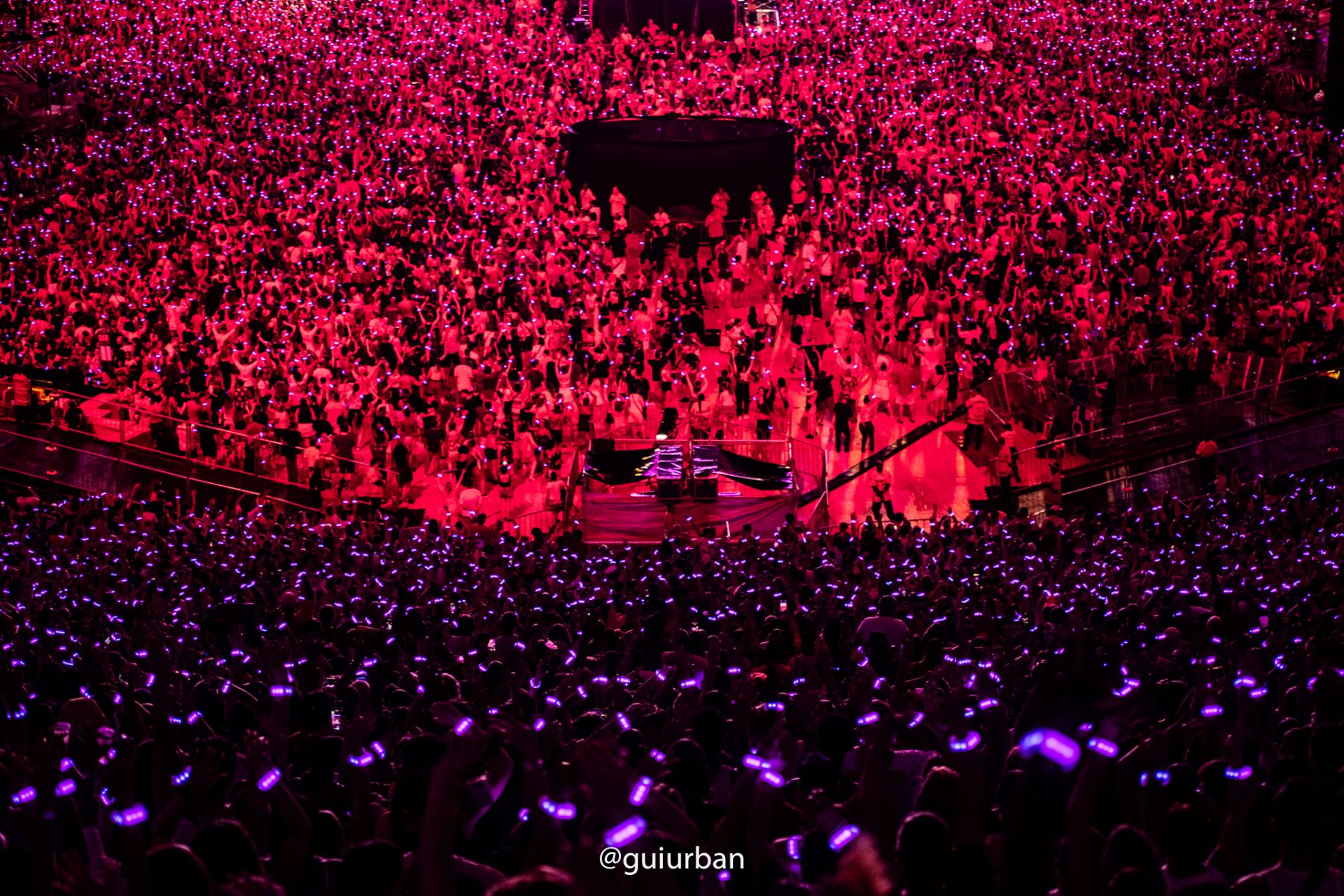
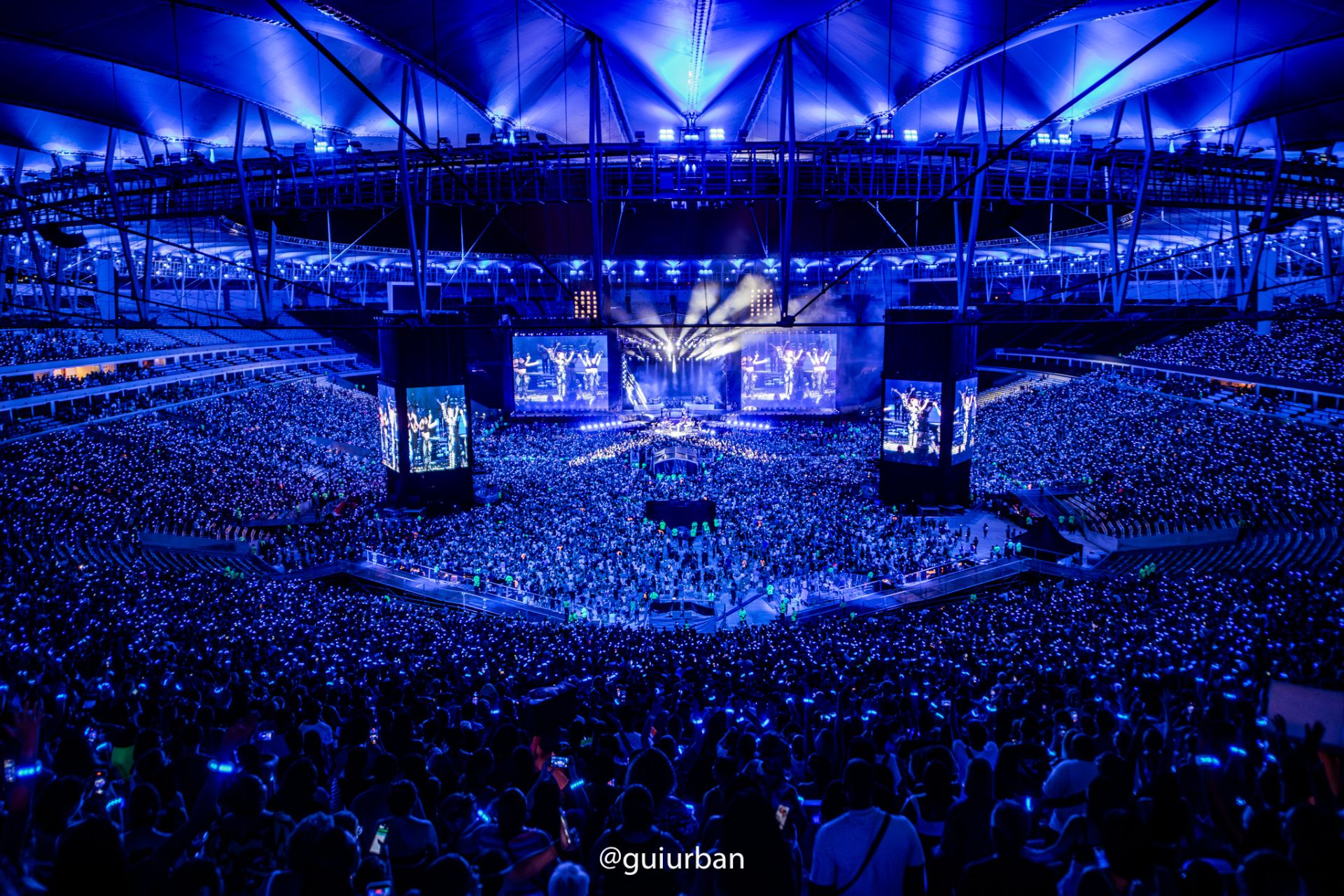
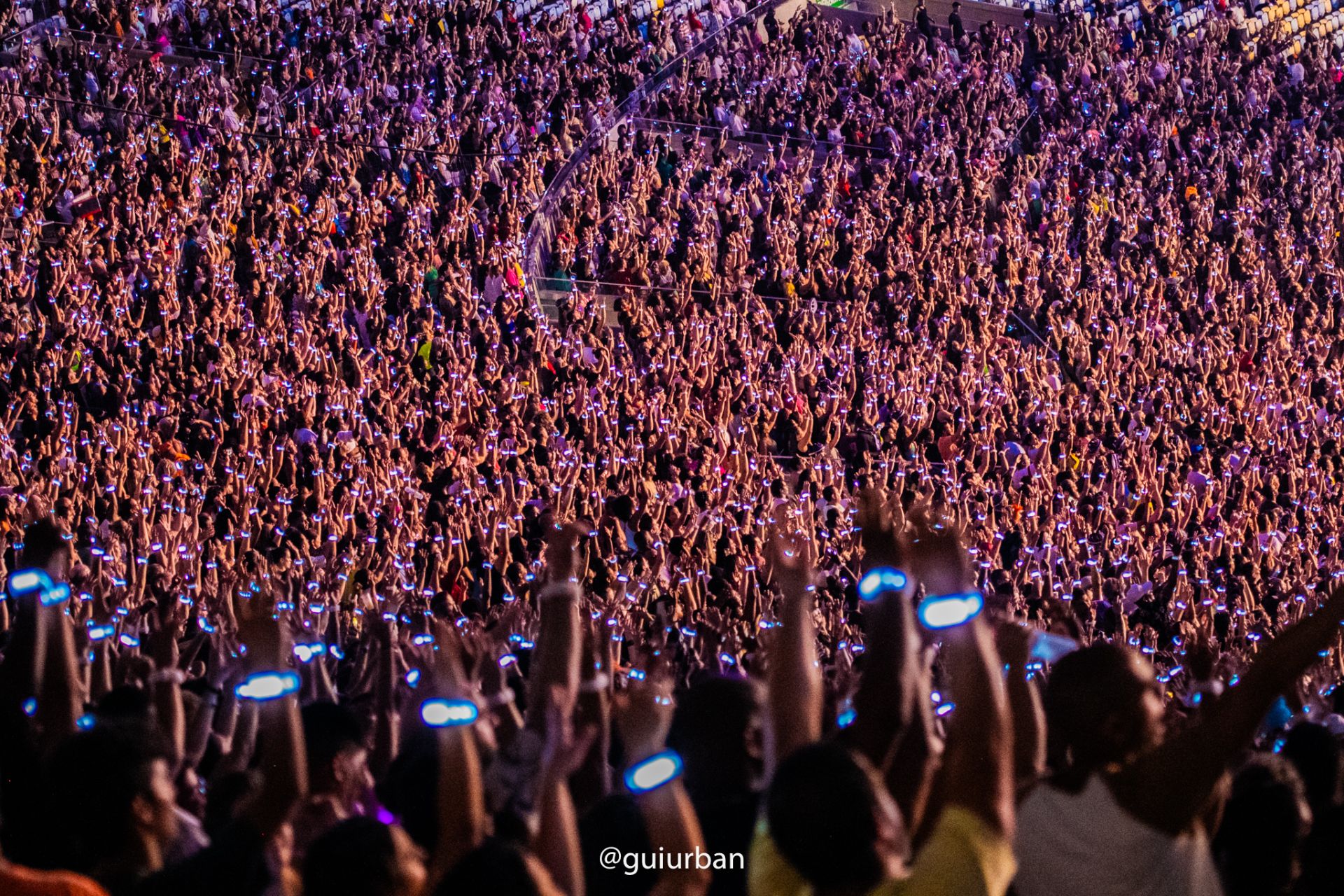
Jason Regler, the founder of Xylobands and inventor of the original radio-controlled LED wristbands, is a prime example. His journey is a testament to the power of dyslexic thinking in a creative industry. The idea for Xylobands wasn’t born from a spreadsheet or a market analysis report. It was a spark of pure visual and emotional connection, famously occurring during a Coldplay performance at Glastonbury. As the band played "Fix You," the lyrics “lights will guide you home” triggered a vision: an entire audience transformed into a canvas of light, a shared, immersive experience binding thousands of individuals into one.
The Strategic Advantage of a Different Brain
Dyslexic thinkers often excel in areas where conventional minds falter. Their brains are wired to favour holistic, big-picture thinking over rote memorization and sequential processing. This manifests in several key business advantages:
- Enhanced Pattern Recognition: Dyslexic individuals often have a heightened ability to spot trends, anomalies, and connections within complex systems. Where others see chaos or disparate data points, they can perceive underlying patterns. This is invaluable for identifying market gaps, predicting industry shifts, and conceptualizing groundbreaking products like wearable LED technology.
- Superior Spatial Reasoning: Many people with dyslexia are highly visual thinkers. They can manipulate 3D objects in their minds, visualize complex processes, and see how different components fit together. This was fundamental to the invention of Xylobands—not just as a product, but as a system of immersive event technology involving radio frequencies, programming, and the spatial dynamics of a stadium.
- Adept Problem-Solving: When linear solutions fail, a different approach is needed. Dyslexic thinking thrives on narrative and context, approaching problems from multiple angles to find novel solutions. It’s a way of thinking that asks “what if?” instead of “how to?” This creative resilience is essential in the high-stakes world of live events, where unexpected challenges are the norm.
"My dyslexia has been a blessing. It’s given me the ability to see things in a way that others don’t. I don’t get bogged down in the small details; I see the whole picture. I see the story. In the live events world, we’re not just providing a service; we’re creating a memory. We’re telling a story. And you can’t do that if you’re only looking at one page at a time." - Jason Regler
From Vision to Global Phenomenon
The story of Xylobands is a powerful case study in the commercial application of dyslexic thinking. It began with a vision that defied the technological conventions of the time. The challenge was immense: how do you control tens of thousands of individual lights in a stadium environment with perfect synchronization? How do you create a robust system that works flawlessly for the world’s biggest artists and brands, from Coldplay to Formula One, from the Davis Cup to Maluma’s historic Medellin concert?
The solution required a holistic approach. It wasn’t just about inventing radio controlled LED wristbands; it was about designing an entire ecosystem. This included the software to control them, the logistical network to deploy them globally, and the creative understanding to integrate them seamlessly into a show. It involved thinking about the audience not as passive spectators, but as an active part of the performance—a living, breathing canvas. This is the essence of creating truly immersive events.
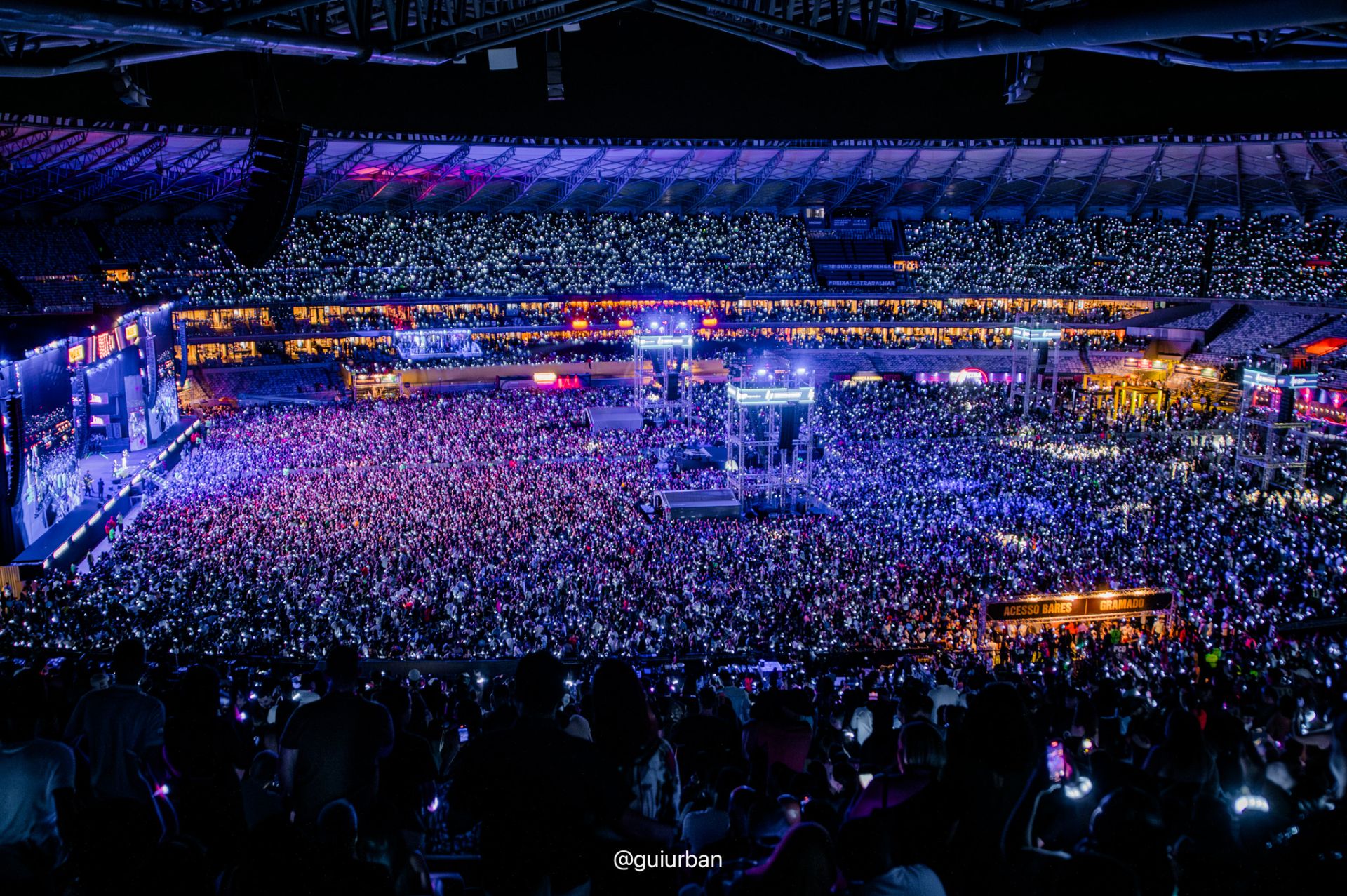
Today, this technology is a staple of major productions, from festival wristbands at events like Primer Music Festival to high-stakes corporate event activations and global broadcasts. The ability to light up a crowd has become a new tool in the producer’s palette, creating moments of collective euphoria that are shared by millions, both in the venue and on screen.
Embracing Neurodiversity as a Competitive Edge
The business world is slowly waking up to the power of neurodiversity. Companies are beginning to recognize that a team composed of different thinkers is a more resilient, innovative, and effective team. The ability to see a problem from all sides—the detailed, linear view and the holistic, visual perspective—is a recipe for breakthrough innovation.
For event producers, tour managers, and brand marketers, the lesson is clear. The next big idea is unlikely to come from following the old rules. It will come from those who see the world differently. It will come from the pattern-seekers, the visual storytellers, and the holistic thinkers who can connect the dots in a new way.
The success of Xylobands is more than just a story about LED bands. It’s a story about the commercial power of a different way of thinking. It’s proof that in the quest for innovation, the minds that don’t fit the mould are often the ones that break it.