The Different Intelligence: How Dyslexic Thinking Builds Creative Advantage

The Architecture of an Idea
It’s a common misconception to view dyslexia as a disadvantage in a business context. The traditional view frames it as a disorder of reading and writing, a deficit to be overcome. But a growing body of research, and a long list of successful entrepreneurs, tells a different story. It’s a narrative that reframes a perceived disadvantage as a distinct cognitive advantage. In the world of business, technology, and live events, where innovation is the currency of success, this “different intelligence” is an invaluable asset.
Dyslexic thinking is often characterized by a strengths-based model. This includes strong spatial reasoning, the ability to see interconnected systems (big-picture thinking), and a natural aptitude for narrative and creative problem-solving. Where neurotypical thinking can be linear and process-oriented, the dyslexic mind often works differently, making novel connections and seeing patterns where others see chaos. This is not a deficiency; it is a strategic advantage.
The Xylobands Origin Story: A Case Study in Dyslexic Innovation
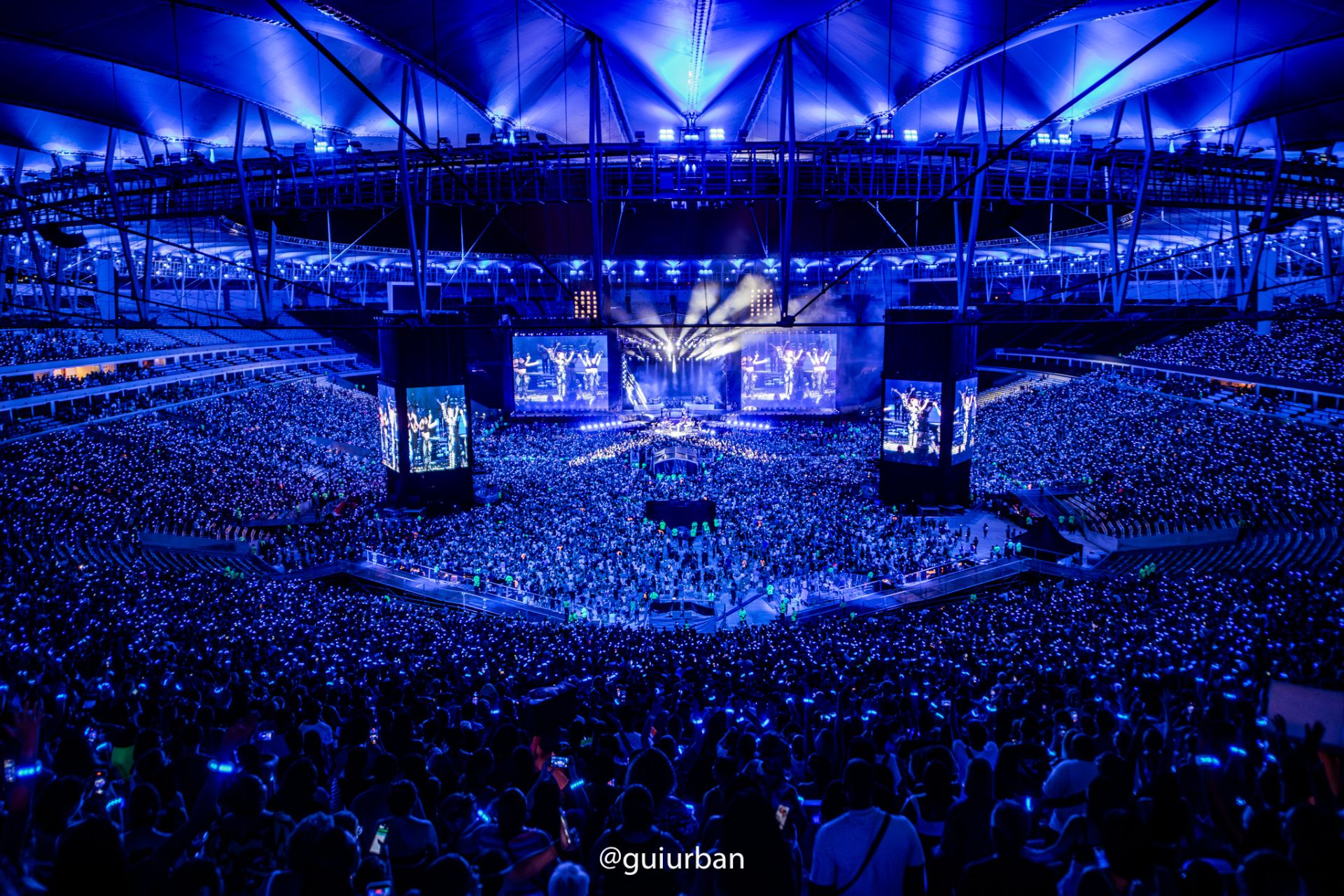
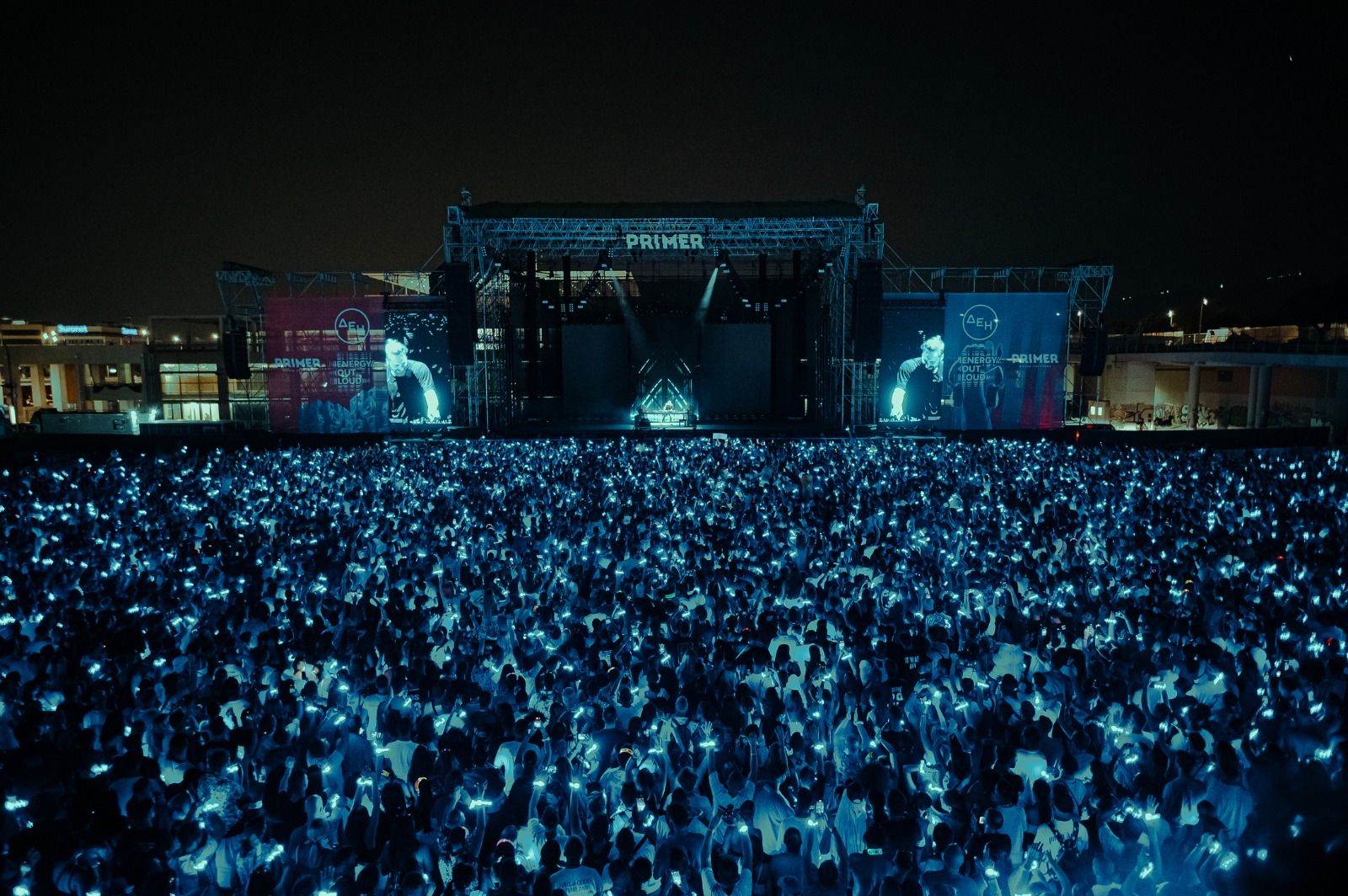
The story of Xylobands is, at its core, a story about the power of dyslexic thinking. Our founder, Jason Regler, is dyslexic. The very genesis of the LED wristband, an idea that has since illuminated over 10,000 events in more than 70 countries, was born from a moment of pure, non-linear connection.
While watching Coldplay perform at Glastonbury Festival, the lyrics “Lights will guide you home” triggered a powerful visual concept in Jason’s mind. It wasn’t a business plan or a technical schematic. It was a feeling, an experience: an entire crowd transformed into a single, synchronized canvas of light. He didn’t see the logistical hurdles; he saw the completed picture. This is a hallmark of dyslexic cognition—the ability to leapfrog the sequential steps and visualize the end state with startling clarity.
"I couldn’t write it down, because I’m dyslexic... but I could see it. I could see the whole stadium light up." - Jason Regler, Inventor of Xylobands
This vision wasn’t about simply adding lights to an event. It was a systems-level innovation. It was about transforming a passive audience into an active participant, creating a shared, immersive experience that connects every individual to the artist and to each other. This is the big-picture thinking that so often defines the dyslexic advantage. It’s the ability to design not just a product, but an entire ecosystem of experience—what we now call Immersive Event Technology.
From Vision to Global Rollout
Having the idea is one thing. Executing it is another. For a dyslexic entrepreneur, this often means building a team that complements their cognitive style. While the visionary excels at the ‘why’ and the ‘what’, they need trusted collaborators to master the ‘how’. This was certainly the case for Xylobands. The initial concept was pitched to Coldplay, whose team immediately grasped the potential and provided the partnership needed to navigate the technical and logistical challenges.
This collaborative model is crucial. It allows the dyslexic leader to operate in their zone of genius—creativity, strategy, and problem-solving—while relying on others to handle the detailed, process-driven tasks that might be a source of frustration. The result is a company built on a foundation of diverse thinking, where different cognitive approaches are not just tolerated but celebrated as essential components of success.
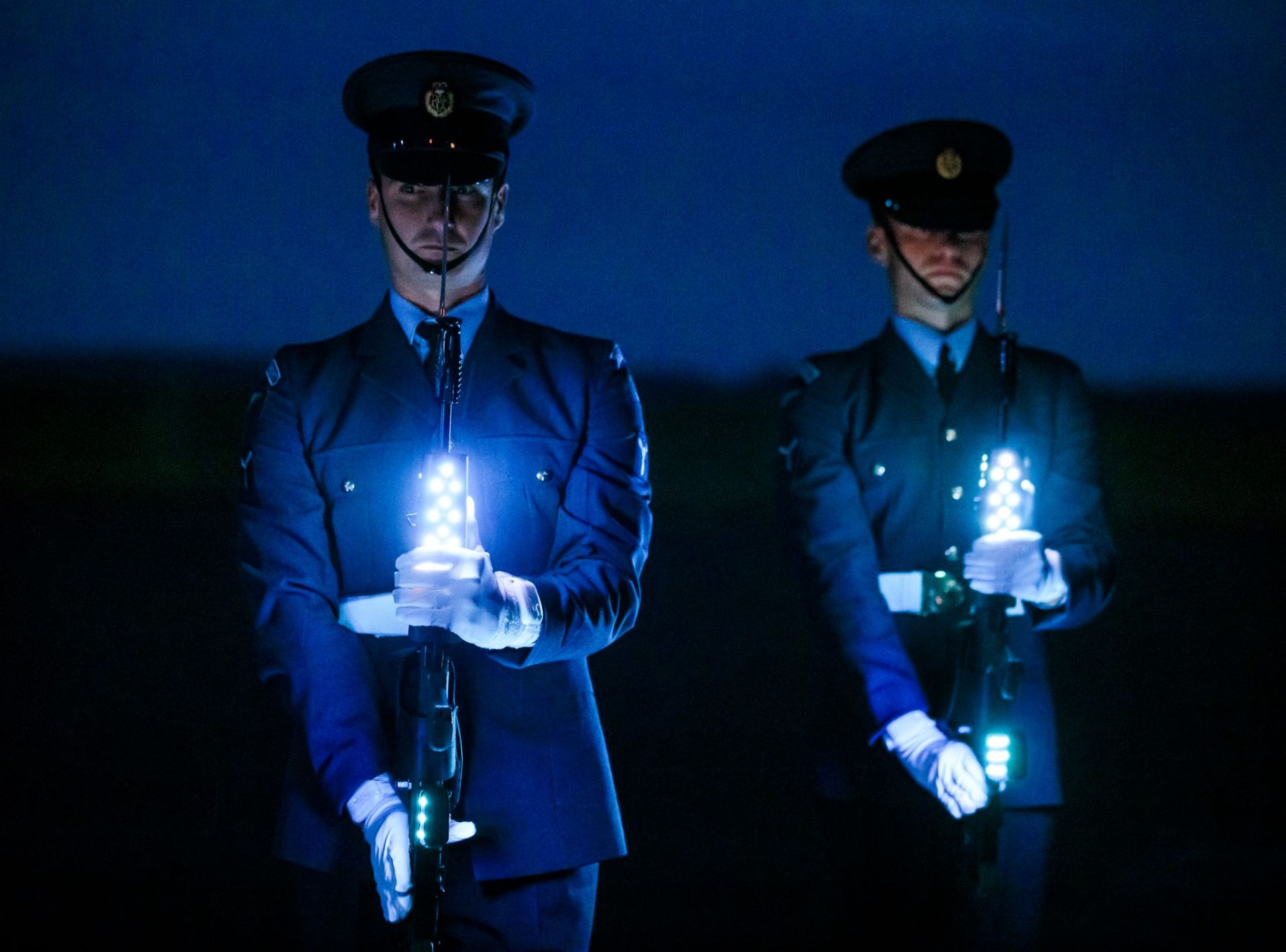
Today, that initial spark of an idea powers some of the world’s biggest moments. From epic corporate event activations and halftime shows to lighting up crowds for artists like Maluma and Wizkid, Xylobands have become a staple of modern LED crowd experiences. The journey from a single vision at a festival to a global technology company is a testament to the power of seeing the world differently.
Cultivating Neurodiversity as a Business Strategy
The lesson for any organization, from tech startups to established brands, is clear: actively cultivating neurodiversity is not just a social good, it’s a competitive advantage. The challenges of the modern economy require more than just incremental improvement; they require radical, paradigm-shifting ideas. These ideas are often born from minds that don’t follow a conventional path.
By creating environments that are inclusive of dyslexic and other neurodivergent thinkers, companies can unlock a new wellspring of creativity. This means:
- Focusing on strengths: Recognizing and leveraging the unique talents that neurodivergent individuals bring, such as creativity, problem-solving, and big-picture thinking.
- Adapting communication: Embracing visual and verbal communication over dense, written documents.
- Building balanced teams: Assembling teams with a mix of cognitive styles—the visionaries and the detail-oriented executors, the pattern-seekers and the process-masters.
- Rethinking recruitment: Looking beyond traditional metrics and interview processes that may inadvertently filter out neurodivergent talent.
The future belongs to the organizations that can harness the full spectrum of human intelligence. The story of Xylobands is just one example of how a "different" way of thinking can be the catalyst for a global revolution. By embracing the creative power of neurodiversity, businesses can do more than just succeed—they can innovate, inspire, and create truly immersive events that connect us all.