The Empathetic Spectacle: Designing for Every Mind in the Crowd
The Universal Pulse of the Crowd
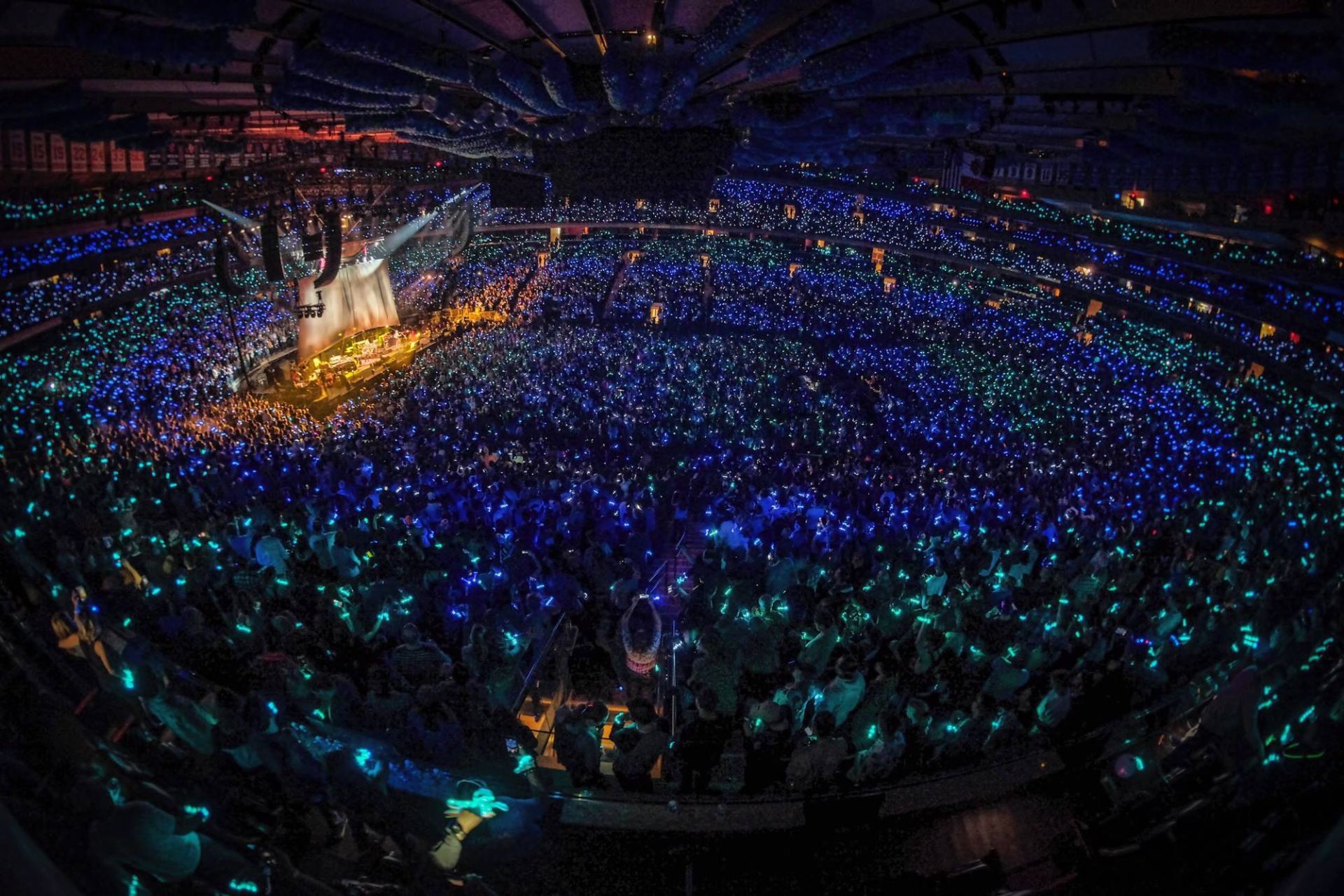
There is a moment at every great live event that is almost impossible to describe. It’s a collective intake of breath, a shared roar of approval, a sea of lights raised in unison. It’s the second an audience of thousands ceases to be a collection of individuals and becomes a single, living entity, connected by a shared pulse. For decades, producers and artists have chased this feeling, using every tool at their disposal to unify a crowd. But what if the very tools we use to create unity for the many inadvertently create barriers for the few?
The conversation around accessibility in live entertainment has, quite rightly, focused for years on physical access: ramps, accessible seating, and clear pathways. These are the non-negotiable foundations of an inclusive event. But as our understanding of human experience deepens, so too must our definition of accessibility. The next frontier of inclusive design moves beyond the physical and into the sensory — creating events that are welcoming and enjoyable not just for every body, but for every mind.
Beyond the Strobe Light
For a significant portion of the population, the conventional live event environment can be a sensory minefield. The sudden explosion of pyrotechnics, the relentless strobing, the sheer, unpredictable volume — these elements, designed to generate excitement, can be overwhelming and exclusionary for individuals with sensory sensitivities, autism, PTSD, or anxiety. An experience intended to be thrilling can become stressful, disorienting, or simply unbearable.
This presents a profound creative and technical challenge: how do we craft awe-inspiring, large-scale spectacles without alienating a portion of our audience? How do we build an atmosphere of shared excitement that is opt-in, controllable, and respectful of sensory differences? The answer lies not in diminishing the spectacle, but in making it more intelligent, personal, and empathetic.
Light as a Shared, Gentle Language
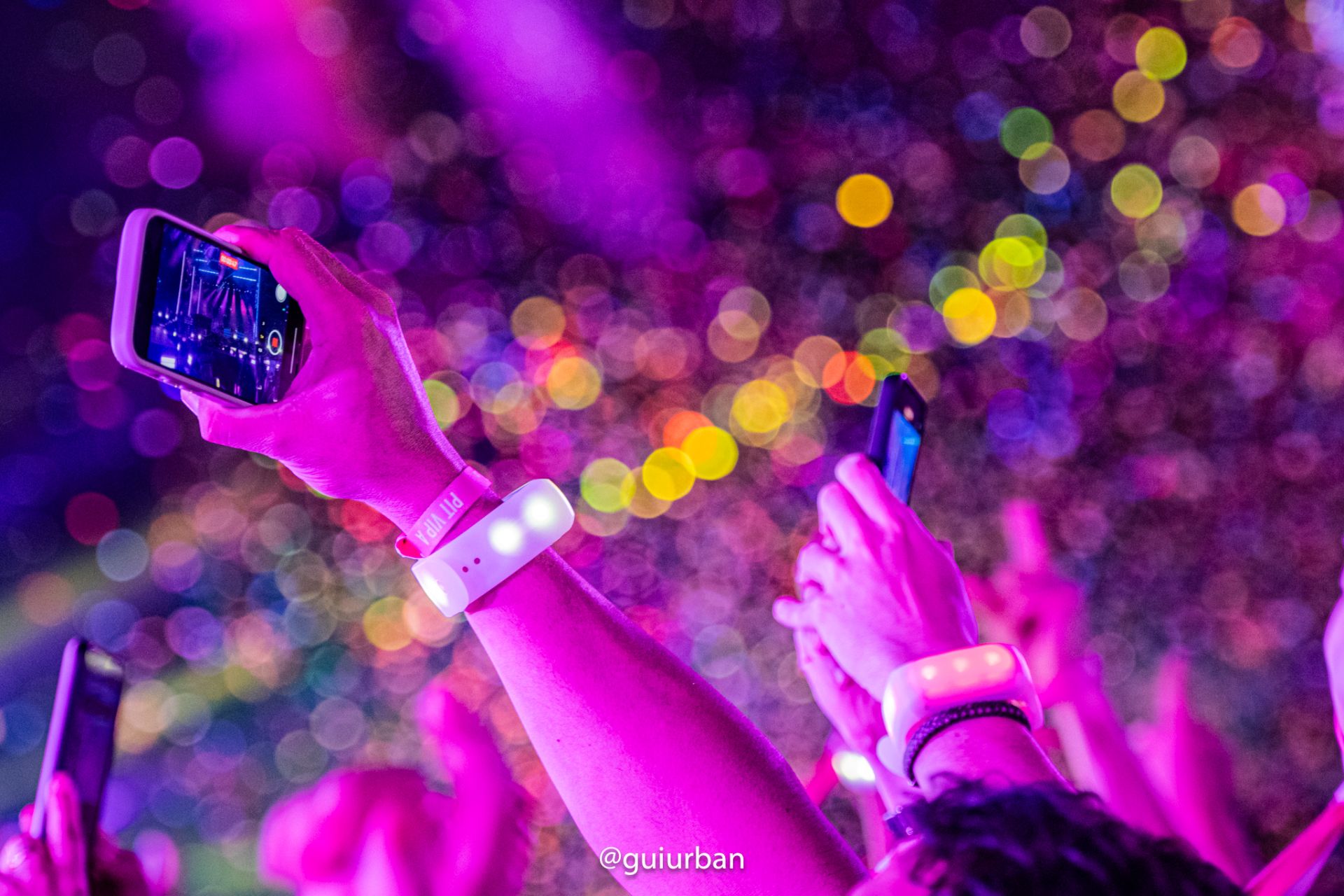
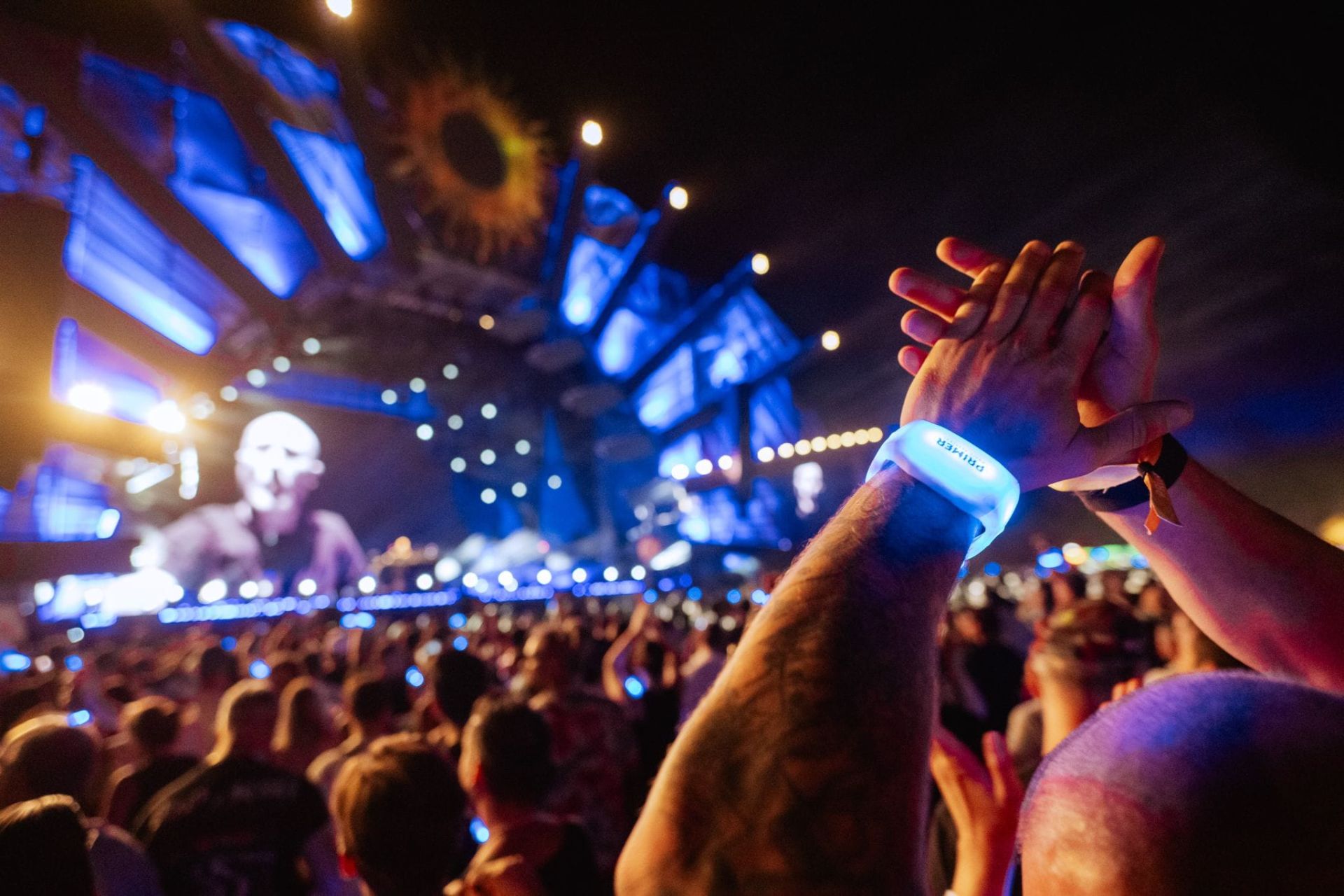
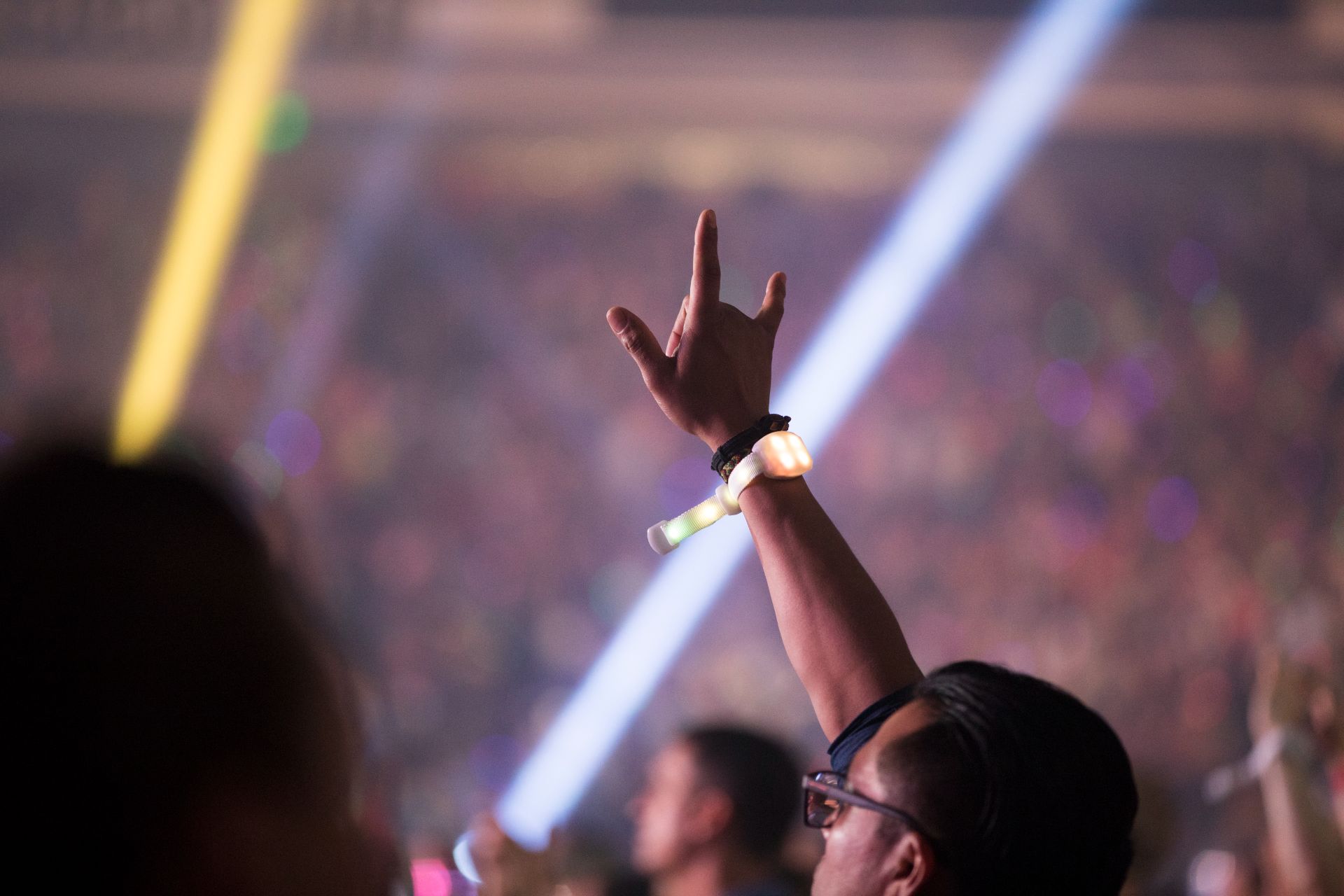
This is where Wearable LED Technology offers a transformative solution. While often associated with high-energy, peak moments, the true power of systems like Xylobands lies in their controllability. Unlike a static lighting rig or a one-off pyrotechnic effect, a network of Radio Controlled LED Wristbands turns the crowd itself into a dynamic, programmable canvas. This opens up a new toolkit for designing more inclusive sensory experiences.
Consider the difference between a jarring strobe effect and a gentle, synchronized wave of light pulsing across an arena. One is an assault on the senses; the other is a visual translation of the music, a shared language that doesn’t scream. LED Bands allow designers to:
- Create Atmosphere Without Overload: Build tension, excitement, and emotion with slow-building color scapes, gentle pulses, and synchronized fades. A unified red glow can signify passion or danger just as effectively as a chaotic flash, but in a far more accessible manner.
- Foster Participation Without Pressure: For many, the expectation of singing along, dancing, or even cheering can be a source of anxiety. An LED Bracelet, lighting up in concert with 50,000 others, is a passive, powerful form of participation. It signals belonging without demanding a specific physical or verbal response. You are part of the show simply by being there.
- Signal and Guide: Light can be a powerful tool for communication. Different colors or patterns can gently signal transitions in a show, guide attention to different parts of a stage, or even create designated "sensory-calm" zones within a venue, all without a single word or jarring sound.
The Inclusive Experience, from Arena to Living Room
This philosophy of inclusive design extends beyond the physical venue. The modern live event has a distributed audience, with millions more watching a broadcast than are present in the room. How do we make them feel part of that same unified pulse? The challenge is to translate the energy of the live experience through the screen.
Broadcasters like ITV have integrated Immersive Event Technology into their studio productions for precisely this reason. By equipping the studio audience with Xylobands, they transform the crowd from a passive backdrop into a living, breathing part of the set. When a contestant wins on a show like ‘Beat The Chasers’, the explosion of light from the audience is instantly visible to the viewer at home. It’s a visual cue that transmits the room’s energy, bridging the gap between the live and broadcast experience and including the home viewer in the celebratory moment. This is a form of sensory inclusion at a massive scale, ensuring the emotional arc of the event is felt equally by all.
The Empathetic Future of Spectacle
The journey toward truly universal and inclusive design is ongoing. It requires collaboration with accessibility experts, deeper research into sensory science, and a commitment from producers and technologists to think beyond the conventional. The future might involve even more personalized controls, where attendees can opt into different levels of light intensity via an app, or where Custom LED Wristbands and LED Lanyards offer haptic feedback as an alternative to purely visual cues.
What’s clear is that designing for the most sensitive among us doesn’t dilute the experience; it enriches it. It forces a more creative, deliberate, and artful approach to spectacle. By embracing controllable, empathetic technologies, we can move beyond the one-size-fits-all model of audience engagement. We can build LED Crowd Experiences that are not only breathtaking in their scale, but profound in their inclusivity, ensuring that when the lights go up, they truly are for everyone.