The Event Horizon: A New Lifecycle for Immersive Technology
The Dawn of the Second Act
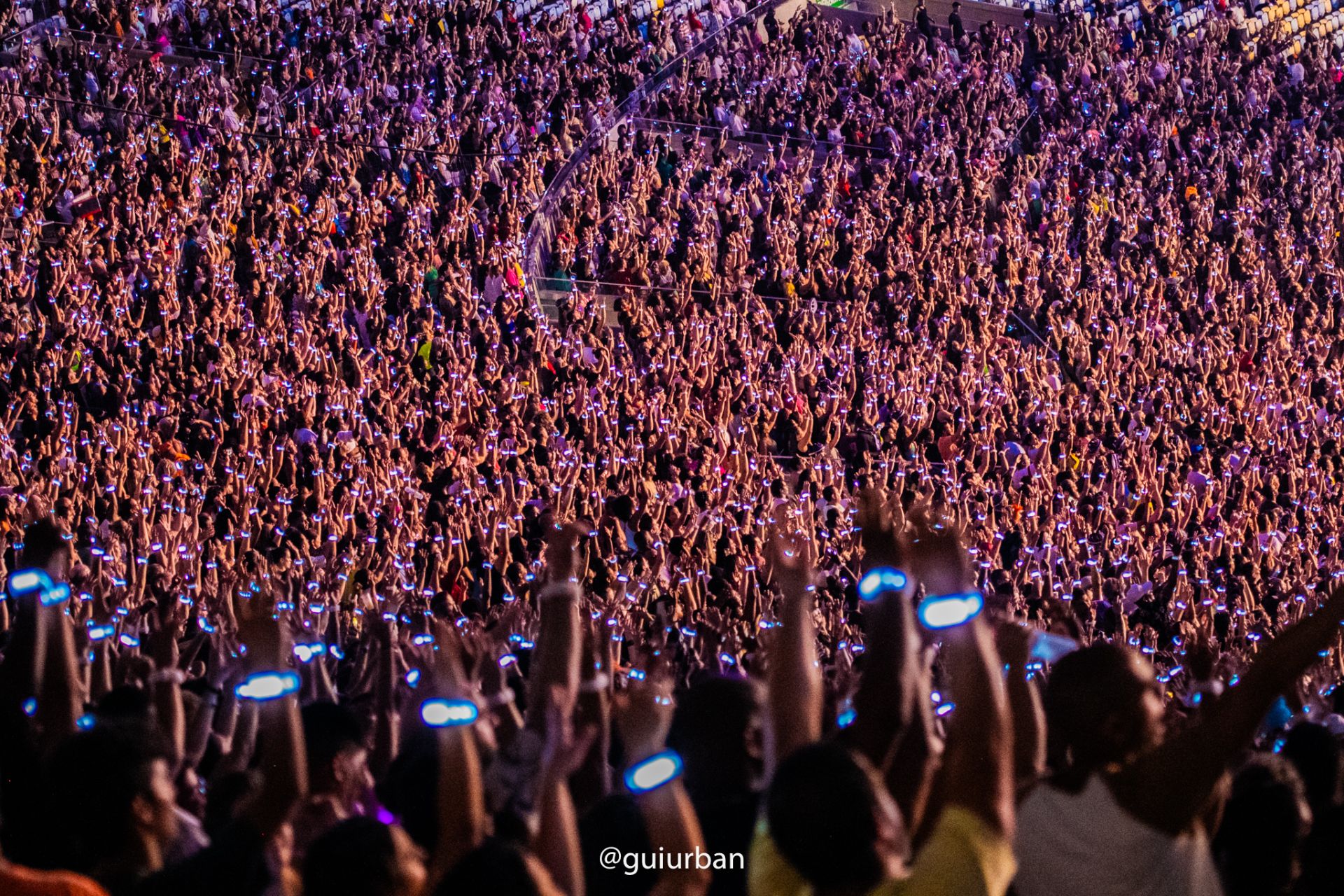
The house lights fade. A single note hangs in the air, electric with anticipation. Then, as one, 50,000 points of light burst to life, painting the darkness in a symphony of color. The crowd is no longer just a crowd; it's a living, breathing canvas. This is the magic of modern LED Experiences. For years, the primary focus of this technology has been the moment itself — that collective, ephemeral high. But a critical question is reshaping the landscape of live production: what happens when the encore is over?
The live events industry, a powerhouse of creativity and spectacle, is facing a crucial reckoning with its environmental impact. The traditional model of single-use, disposable components, born from convenience and tight turnarounds, is giving way to a more conscious and circular approach. The challenge is clear: how do we deliver the same breathtaking, immersive events that audiences and artists expect, while embracing a new paradigm of reuse, refurbishment, and responsible end-of-life management? The answer lies not in diminishing the spectacle, but in reimagining its lifecycle from the very first spark of an idea.
From Linear to Circular: Redefining the Production Playbook
Historically, much of the technology used in live events followed a linear path: produce, use, discard. While effective for creating standalone moments, this model is fundamentally at odds with the growing need for sustainable practice. The future demands a circular philosophy, one that begins long before the first flight case is packed.
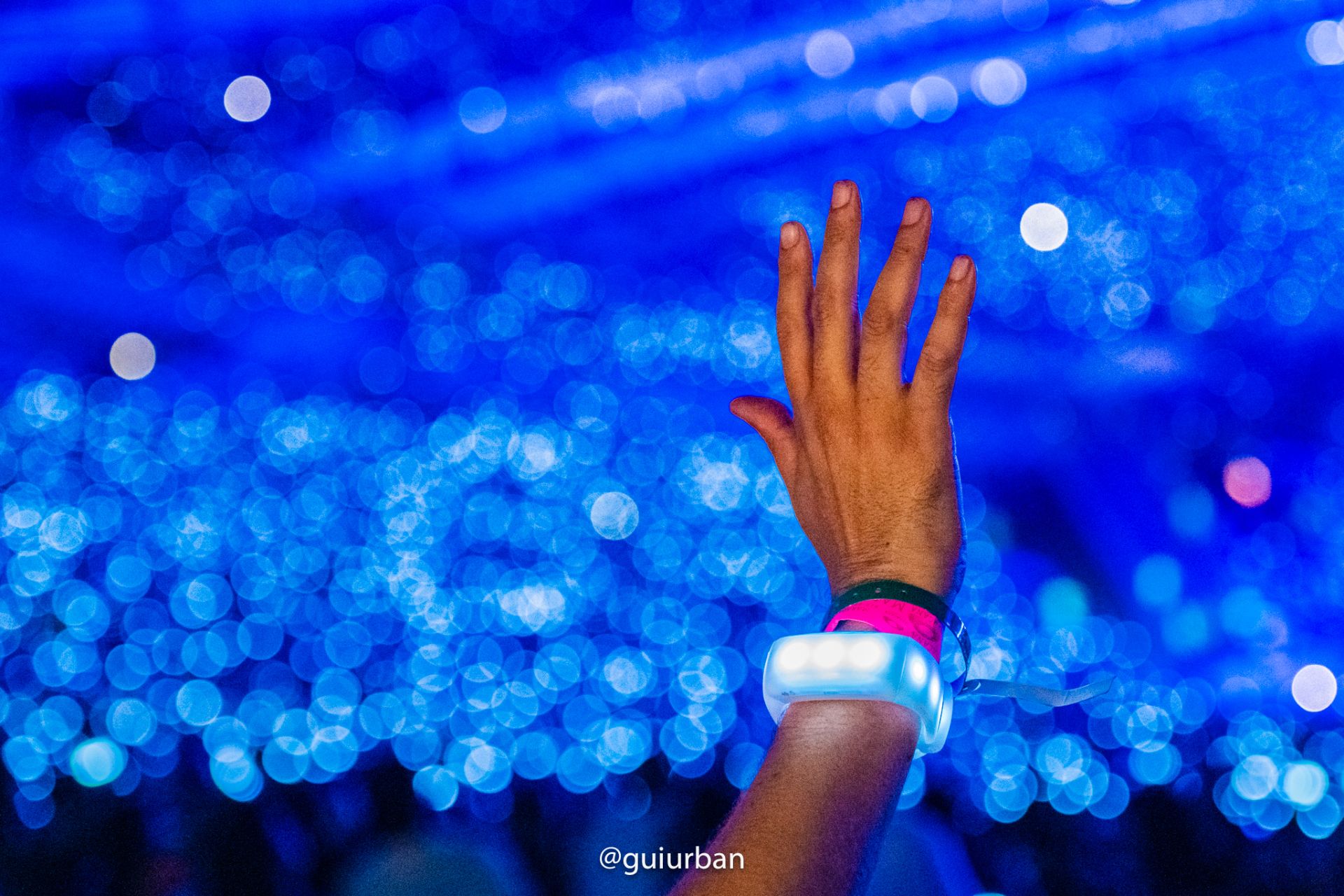
It starts at the design phase. Creating durable, modular, and repairable Wearable LED Technology is the first and most critical step. By engineering products like our Radio Controlled LED Wristbands for longevity, we build the potential for a second, third, or even tenth act directly into their DNA. This means selecting robust materials, designing for simple battery replacement, and creating casings that can be easily cleaned and refurbished for their next deployment, whether it’s for a global music tour or one-off Corporate Event Activations.
The Reusable Spectacle: A Model in Action
The theory of reusability is one thing; successful execution at scale is another. It requires a radical shift in logistical planning and on-site management, turning the event itself into a platform for conservation.
"The future of live events is not about diminishing the spectacle, but about making it smarter and more responsible."
Consider the historic three-night, sold-out run for Wizkid’s Made in Lagos tour at London’s O2 Arena. For all three performances, the same core stock of LED Bracelets was used. After each show, our on-site teams meticulously collected, sanitized, and refurbished the wristbands, readying them for the next night’s capacity crowd. The system was so efficient that only minimal "top-ups" were needed to account for souvenirs and attrition. This wasn’t just a cost-saving measure; it was a powerful proof of concept for the circular event model, preventing tens of thousands of units from becoming single-use items.
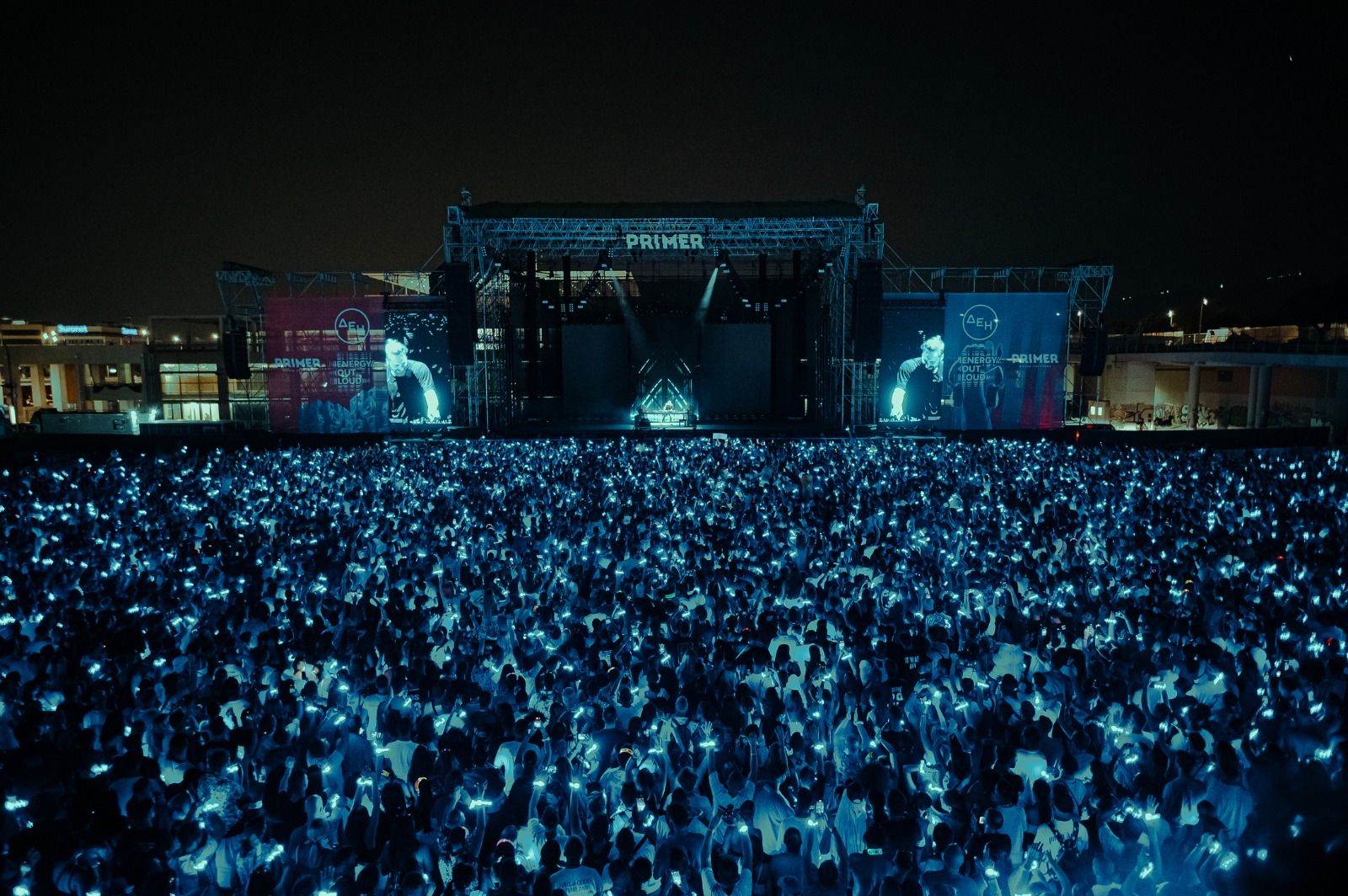
This approach extends seamlessly to multi-day events like the PRIMER Music Festival in Greece. For large-scale gatherings, the initial investment in Festival Wristbands becomes an asset used across the entire event, maximizing its experiential and economic value. The wristbands become a persistent part of the festival architecture, not a disposable afterthought.
The Afterglow: Mastering Collection and End-of-Life
Of course, not every unit can be reused indefinitely. The final pillar of a truly sustainable system is a robust, transparent process for end-of-life management. The work doesn’t stop when the crowd goes home.
Effective collection is the gateway to responsible recycling. This involves clear on-screen messaging, well-placed collection points, and staff who can articulate the importance of returning the units. Once collected, the real work begins. Our post-event process involves:
- Manual Disassembly: Each wristband or lanyard is carefully separated into its core components—plastic casings, circuit boards, batteries, and fabric straps.
- Component Sorting: Materials are sorted to prevent cross-contamination. This crucial step ensures that each material stream can be processed effectively by specialist recycling partners.
- Responsible Partnership: We work with certified e-waste facilities to ensure that electronic components are processed safely, recovering valuable materials and preventing harmful substances from entering the environment.
This meticulous process ensures that the materials that once made up our Custom LED Wristbands and LED Lanyards have the best possible chance of re-entering the supply chain, closing the loop and significantly reducing the event’s environmental footprint.
A Broader Vision for Responsible Production
This philosophy of reuse and responsible recycling extends beyond wristbands. The entire ecosystem of LED Event Technology, from handheld LED Orbs to larger set pieces, can be designed and managed within a circular framework. It represents a fundamental shift in how we view the physical assets of an event — not as consumables, but as durable, reusable components of a much larger creative toolkit.
Creating truly sustainable Immersive Events is a collaborative effort. It requires buy-in from artists, producers, venues, and the audience itself. The spectacle of LED Crowd Experiences, a sea of light connecting everyone in a shared moment, becomes even more profound when it’s built on a foundation of responsibility. It’s proof that the most unforgettable moments can also be the most conscientious, creating a legacy that lasts long after the final light fades.