The Festival as a Living Organism: A New Era of Crowd Co-Creation
From Passive Viewing to Active Participation
For decades, the festival model was fundamentally a broadcast paradigm: artists perform, the crowd receives. The energy exchange was real, but the roles were clearly defined. The most a crowd could do to physically influence the visual landscape was hold up a lighter or, later, a phone screen. But a seismic shift has been underway, driven by a new philosophy of event production and enabled by advances in immersive event technology. The modern festival is being reimagined as a living organism, a sentient environment where the crowd is not just a consumer of the experience, but an active co-creator.
This evolution from spectator to spectacle is more than just a trend; it represents a new understanding of crowd psychology and a new frontier for brand marketers, tour managers, and live-experience designers. The goal is no longer just to entertain, but to enmesh. It’s about creating moments of profound unity where the line between the stage and the audience dissolves, and everyone becomes part of a single, unified sensory experience.
The Birth of the Sentient Crowd
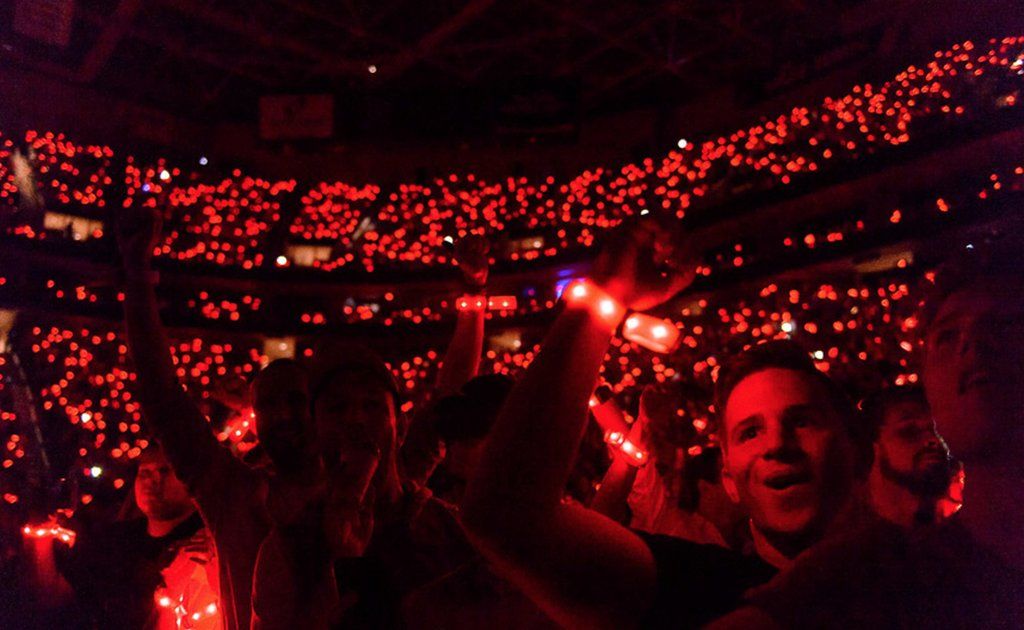
The core principle behind this shift is the idea of the “sentient crowd”—an audience that can be seen, directed, and integrated into the show’s creative DNA. This is where technologies like radio-controlled LED wristbands have become transformative. Originally conceived for Coldplay’s iconic Mylo Xyloto tour, Xylobands turned every audience member into a pixel in a vast, moving canvas of light. This was a radical departure from traditional stage lighting, which illuminates the performers. This new approach illuminated the people.
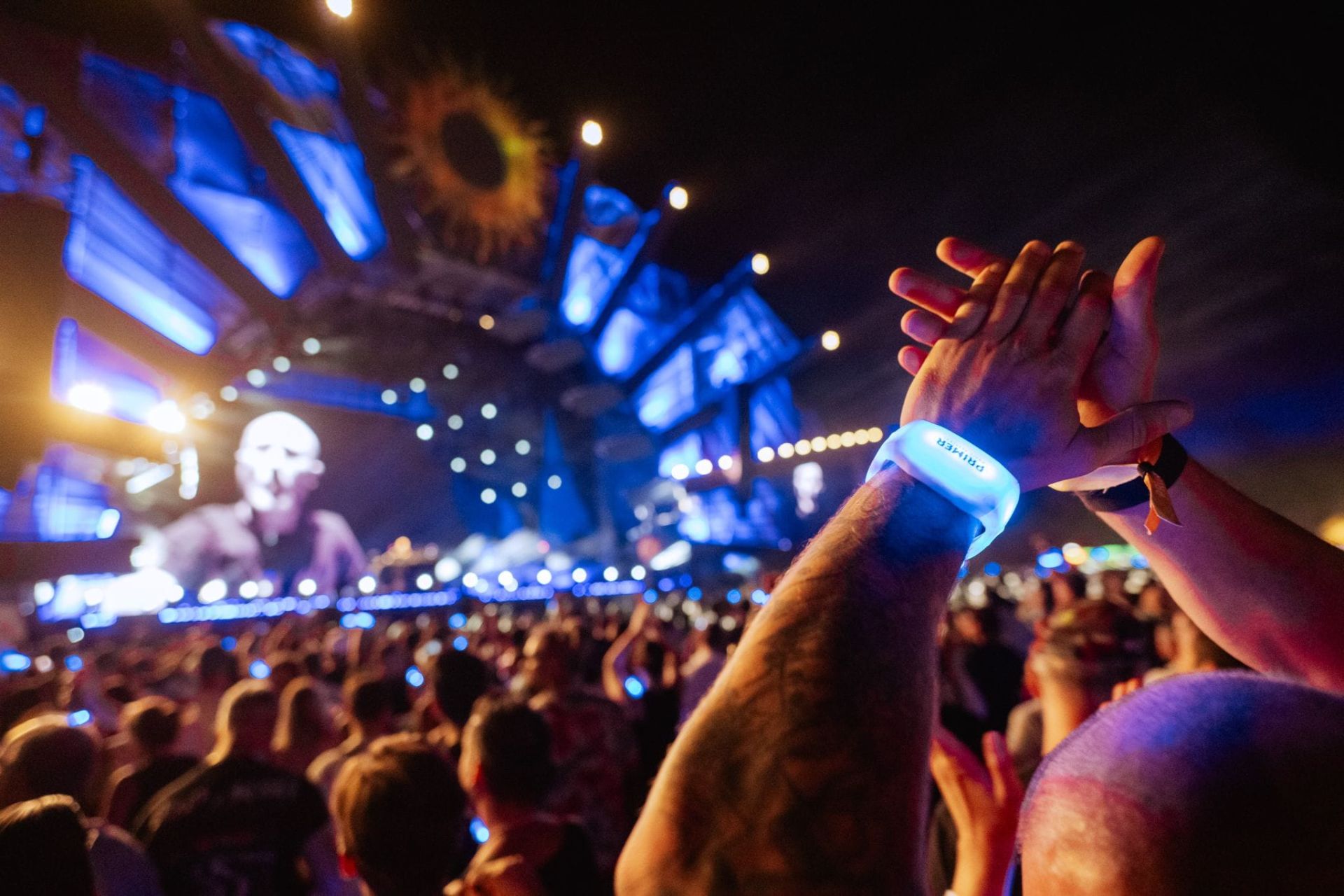
This simple-sounding innovation unlocked a new dimension of show design. Suddenly, lighting designers could choreograph not just the stage, but the entire stadium. This allows for powerful moments of unity, such as when an entire arena pulses with the same color, or complex, dynamic effects that ripple through tens of thousands of people. It’s a tool that has been embraced by a huge range of artists and events, from Maluma’s historic hometown concert in Medellín to the high-energy sets at Greece's PRIMER Music Festival, where festival wristbands sync with the beats of international DJs, creating a truly immersive electronic music experience.
Choreographing Unity: The New Production Playbook
Harnessing the power of a sentient crowd requires a new production playbook. It’s no longer enough to design a show and deliver it *to* an audience. Producers must now design a show *with* the audience as a central, dynamic element.
1. Design for Immersion, Not Just Observation
The focus must shift from creating a spectacle to be watched to crafting an environment to be experienced. This means considering the entire venue as a 360-degree canvas. Light, sound, and visual effects should envelop the audience, making them feel like they are inside the performance. This could involve synchronizing LED crowd experiences with large-scale video projections, surround-sound audio cues, and even kinetic set pieces.
2. The Crowd as a Creative Asset
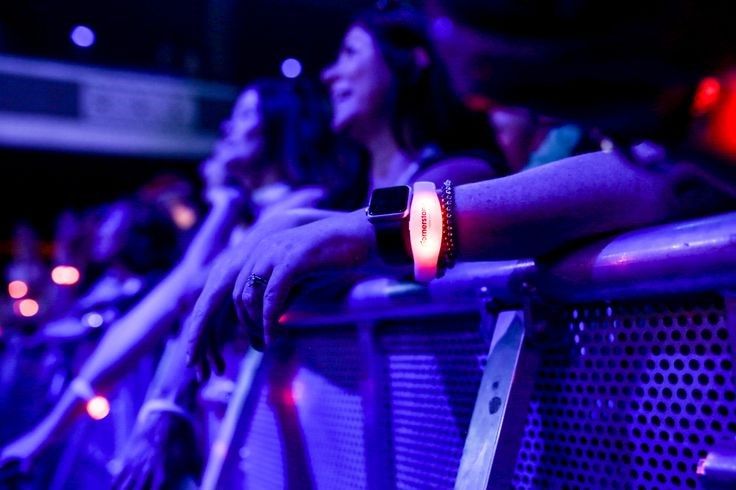
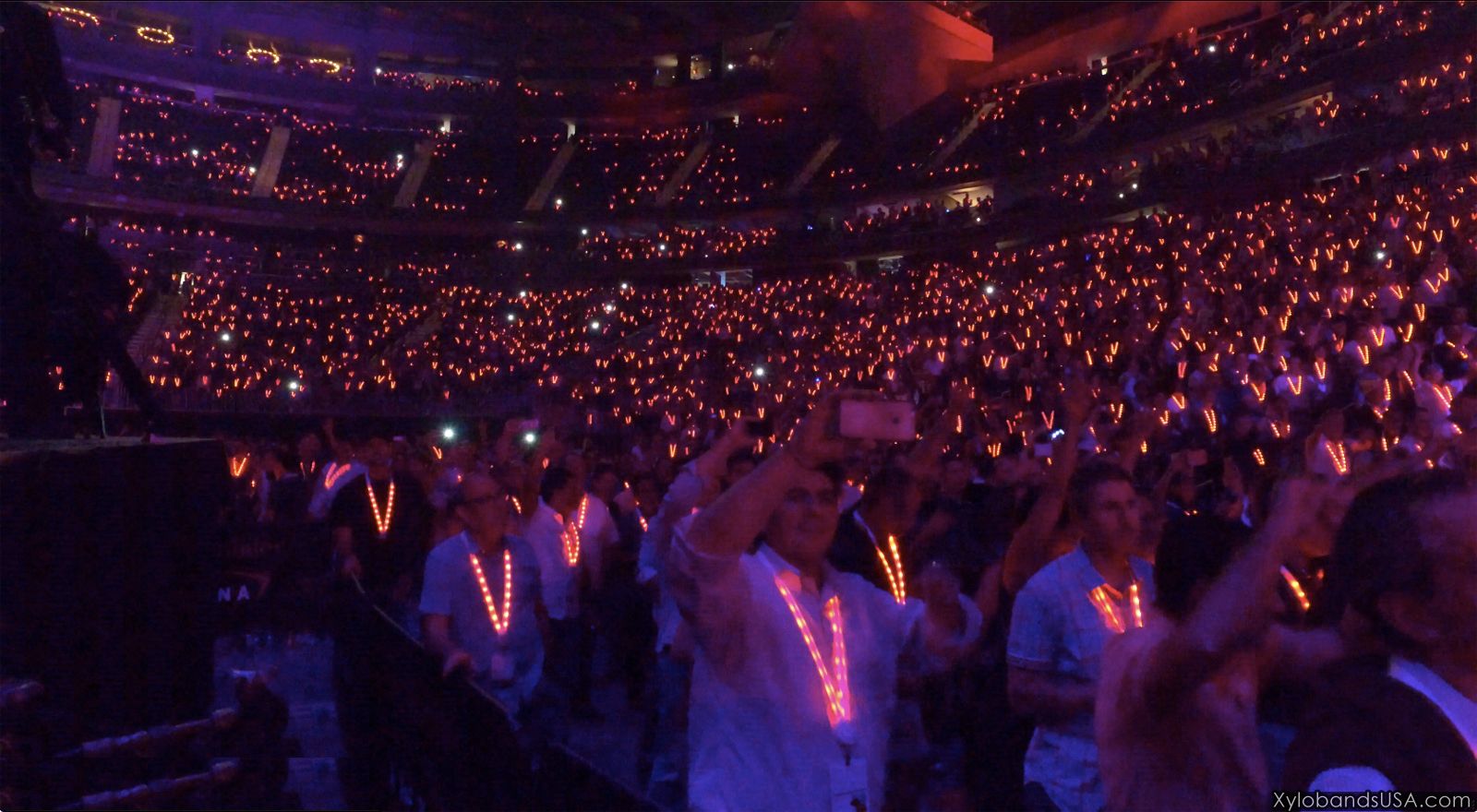
Think of the crowd as a new section of the orchestra. With tools like custom LED wristbands and LED lanyards, a show’s creative team can cue audience sections with the same precision as a lighting rig. As seen at the Formula 1 75th Anniversary event, custom pendants can be distributed to segment the audience by team or hospitality level, allowing for targeted visual effects that make fans feel directly acknowledged. This turns the audience from a monolithic entity into a dynamic, addressable group of participants.
3. Foster Moments of Collective Effervescence
The most powerful moments in live events are often those of collective joy and unity—what sociologists call “collective effervescence.” Immersive events are uniquely capable of manufacturing these moments. When 60,000 concert wristbands light up simultaneously on a single musical cue, it creates a powerful, undeniable sense of shared experience. It’s a visual confirmation that “we are all in this together.” This psychological impact is profound, transforming a simple concert into a powerful memory and a communal rite of passage.
Beyond the Music Festival: Corporate and Sporting Applications
This philosophy of crowd co-creation is not limited to music. It is rapidly redefining the landscape for corporate event activations and major sporting spectacles. For brands, turning attendees into a living light show creates an unforgettable and highly shareable experience, amplifying the event’s reach far beyond the physical venue. In sports, from the Davis Cup to halftime shows, choreographing the crowd builds unparalleled levels of hype and fan engagement, making the live experience feel vastly superior to the broadcast.
The evolution is clear: audiences are no longer content to be passive observers. They crave participation, immersion, and a role to play in the spectacle. By embracing wearable LED technology and a production philosophy centered on co-creation, festival producers and event designers can meet this demand. They can transform a simple gathering into a living, breathing work of art, powered by the most potent force in any venue: the collective energy of the crowd.