The Great Convergence: How Festivals Are Blurring the Line Between Performer and Audience
The End of the Passive Spectator
For decades, the festival model was simple: artists performed on stage, and the audience watched from the field. It was a clear, one-way broadcast. But a fundamental shift is underway, accelerated by technology and a new audience expectation for deeper engagement. The passive festival-goer is a relic. Today, audiences are not just consumers of the experience; they are active participants, co-creators of the spectacle itself. This is the great convergence, where the line between the stage and the crowd blurs into a single, unified environment.
Modern festival production is no longer just about sound systems and stage construction. It’s about experience design. It’s about crafting a multi-sensory journey where the audience is the central character, not a bystander. This evolution is giving rise to some of the most exciting trends in live events, transforming sprawling festival grounds into dynamic, interactive canvases.
Trend 1: The Audience as a Living Light Show
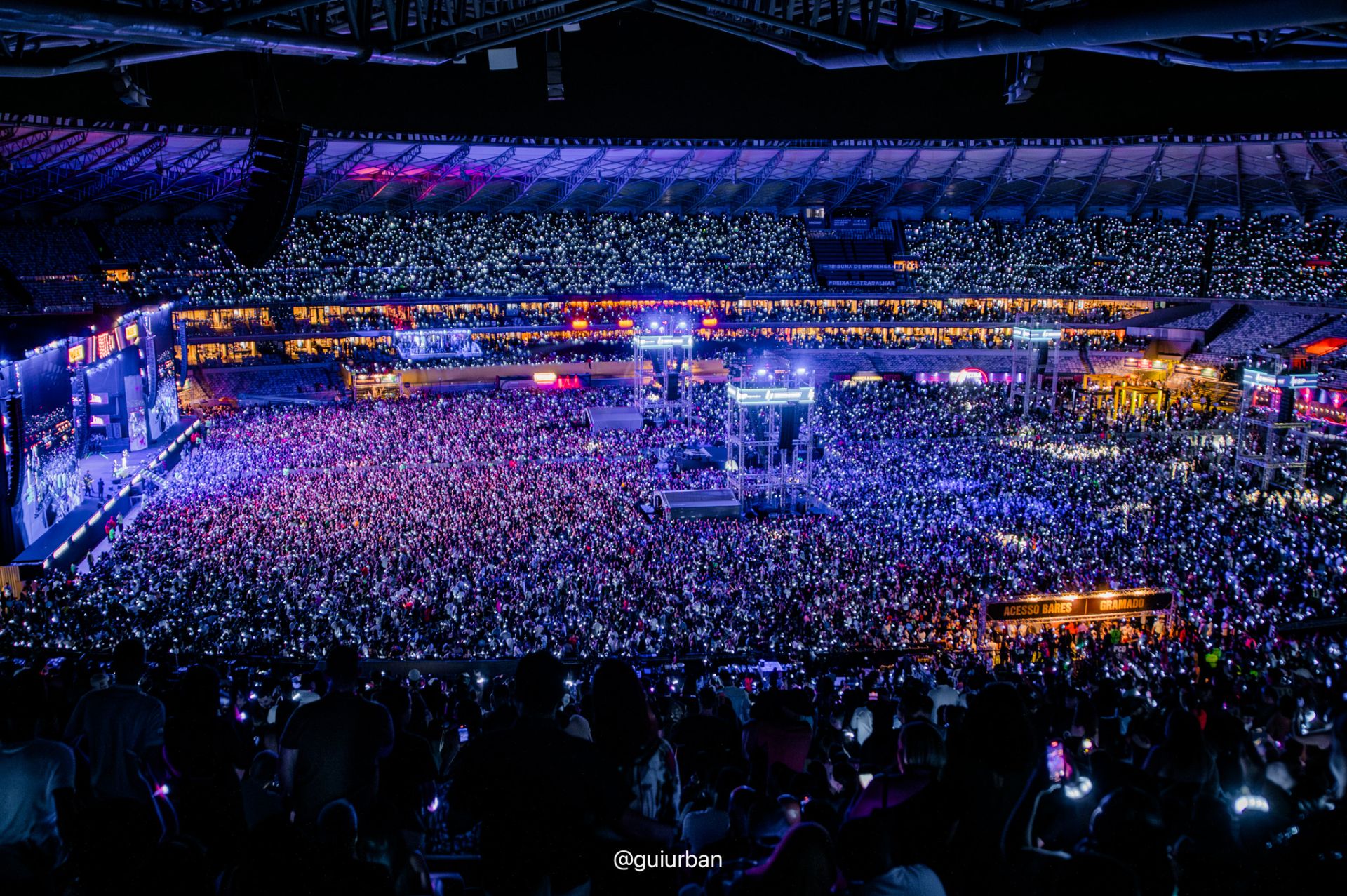
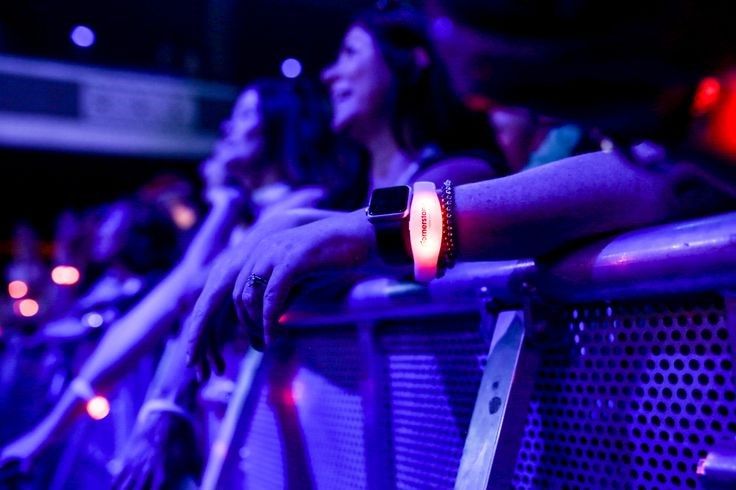
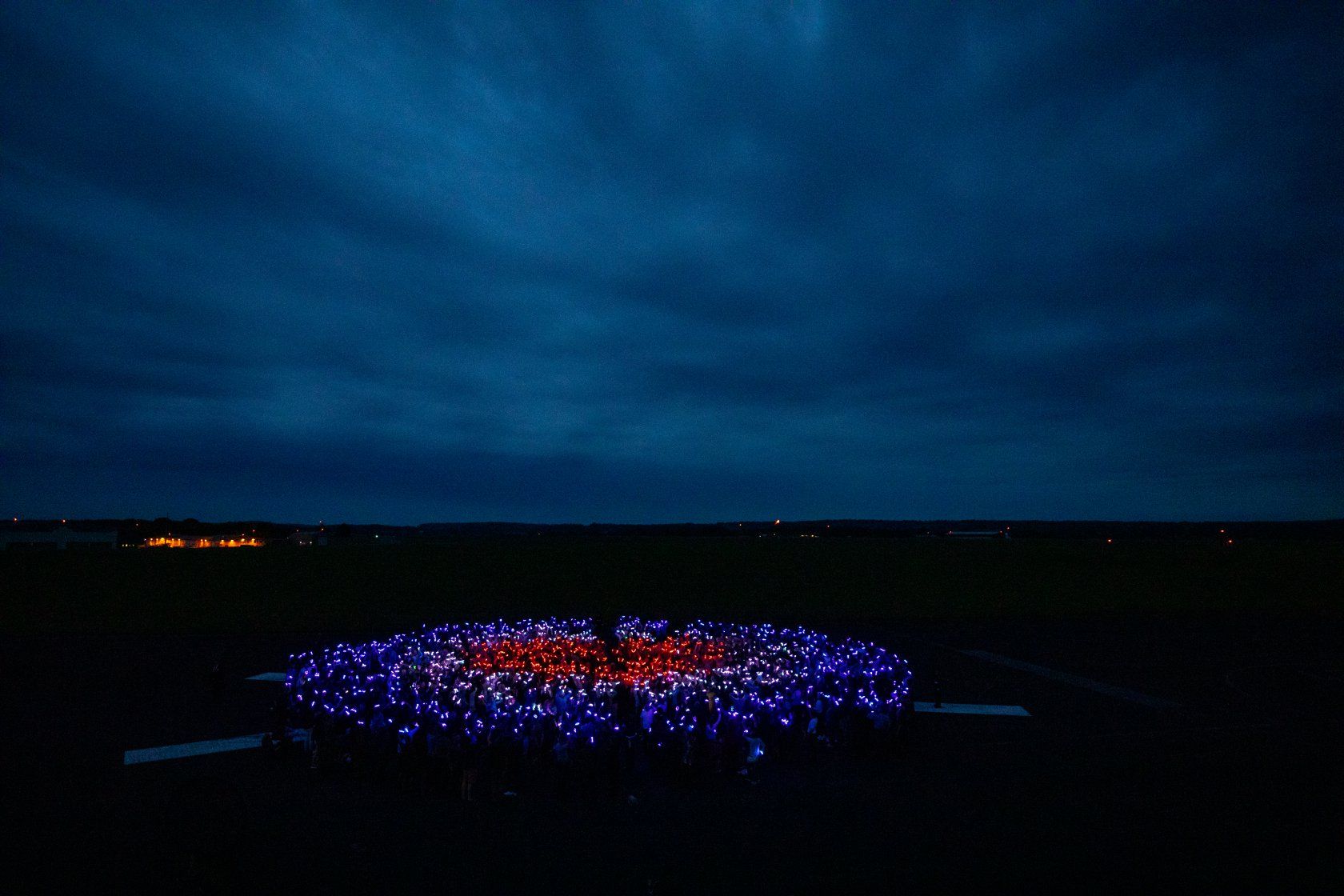
Light has always been a primary tool for creating mood and spectacle. But where traditional lighting pointed *at* the crowd, new technology allows light to emanate *from* the crowd. This is arguably the most visually stunning shift in festival production. By equipping attendees with LED wristbands or other wearable LED technology, producers can transform the entire audience into a single, pulsating entity.
This is a concept we at Xylobands pioneered with Coldplay back in 2012. The idea was to turn the crowd into a massive, synchronized light show, driven by the music. When thousands of individuals light up in unison—a flash of color for a beat drop, a slow fade for a ballad—it creates a powerful sense of unity and shared emotion. It’s a moment where every single person becomes a vital part of the show’s visual DNA.
Today, this technology has become a staple for creating immersive LED crowd experiences at festivals worldwide. We’ve seen its power at events like Greece’s PRIMER Music Festival, where our radio controlled LED wristbands united thousands of electronic music fans, synchronizing them with the high-energy sets of international DJs. It moves beyond passive viewing, making each attendee a pixel in a grand, moving picture.
Trend 2: Gamification and Real-Time Interaction
Beyond synchronized lighting, festivals are increasingly integrating interactive, game-like elements that give the audience agency. This can range from large-scale digital displays controlled by crowd movement to mobile apps that allow attendees to vote on the next song, influence visual effects, or participate in scavenger hunts across the festival site. The goal is to create a dynamic feedback loop between the artist, the production, and the audience.
This isn’t just about keeping people entertained between sets. It’s about building a participatory narrative. When the crowd sees their collective action influencing the environment in real-time, it deepens their investment in the experience.
Imagine a scenario where the energy level of the crowd, measured via motion sensors or even the vocal intensity, directly controls the color and frequency of the lighting effects. Or consider corporate event activations within a festival, where brands use custom LED wristbands or LED lanyards to signal team wins in a large-scale interactive game. The technology exists, and its creative application is the new frontier for festival producers.
Trend 3: Data as a Creative and Safety Tool
The rise of immersive event technology also brings an unprecedented opportunity to understand crowd dynamics. The same systems that create stunning visual effects can also provide valuable, anonymized data on crowd density, flow, and engagement hotspots. For producers, this is a game-changer for both creative and logistical planning.
Creatively, knowing which areas of the crowd are most engaged can allow a lighting director to trigger specific effects in that zone, rewarding their energy and encouraging participation elsewhere. It allows for a more responsive and intelligent show design that adapts to the audience’s authentic behavior.
From a safety and operational perspective, this data is invaluable. Real-time insights into crowd movement can help identify potential bottlenecks or areas of concerning density, allowing security and staff to respond proactively. It transforms wearable tech from a purely aesthetic element into a crucial component of a modern crowd management strategy, enhancing safety without detracting from the experience.
The Future is a Shared Canvas
The evolution of festival production is moving decisively towards a more collaborative, democratic model. From the iconic images of Glastonbury wristbands lighting up the night to the intricate, data-driven environments of tomorrow, the trend is clear: the audience is no longer just an audience. They are the medium, the instrument, and the canvas.
For artists, tour managers, and brand marketers, this represents a paradigm shift. Success is no longer measured solely by the performance on stage, but by the quality of the participation cultivated in the crowd. By embracing technologies that foster connection and co-creation, from LED bands to interactive mobile platforms, festival producers can create truly immersive events that resonate long after the final note has faded. The future of the festival isn’t something you watch; it’s something you are a part of.