The Human Canvas: Festival Production and the New Era of Crowd Participation
From Spectator to Stage: The New Festival Paradigm
For decades, the festival model was a one-way broadcast: artists perform, crowds receive. The energy exchange was real, but the roles were fixed. Today, that paradigm has been completely redefined. The modern festival-goer is no longer just a spectator; they are a participant, a collaborator, and in many ways, an integral part of the performance itself. This shift isn’t accidental. It’s the result of visionary production, sophisticated technology, and a fundamental rethinking of what a live experience can be.
The passive crowd has been replaced by a living, breathing organism of light and energy. This evolution from passive consumption to active participation marks the most significant trend in modern festival production. It’s a move away from simply entertaining an audience to empowering them, transforming thousands of individuals into a unified, dynamic entity. Event producers and artists are now working with a new and powerful medium: the crowd itself.
The Anatomy of Immersion: More Than Just a Light Show
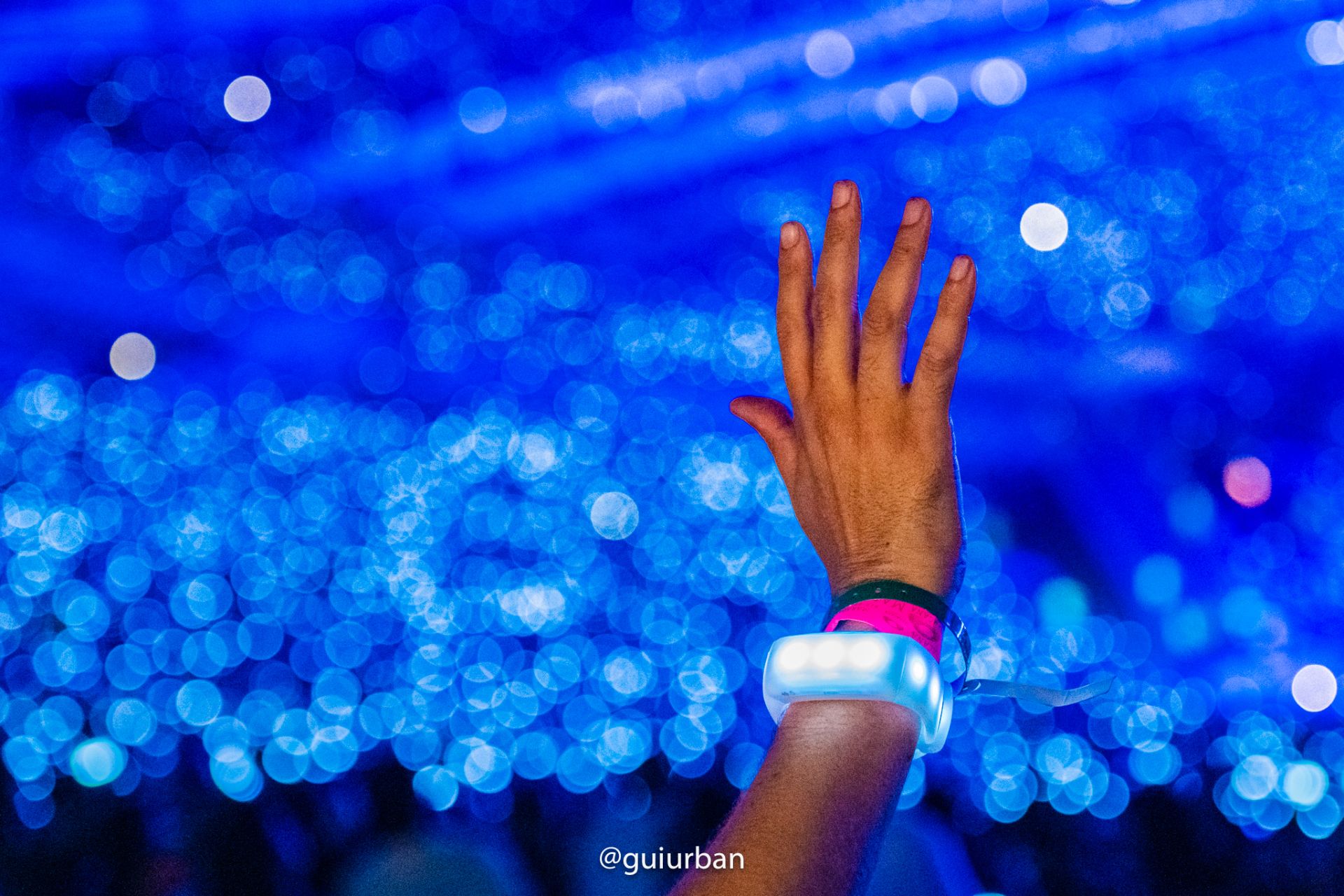
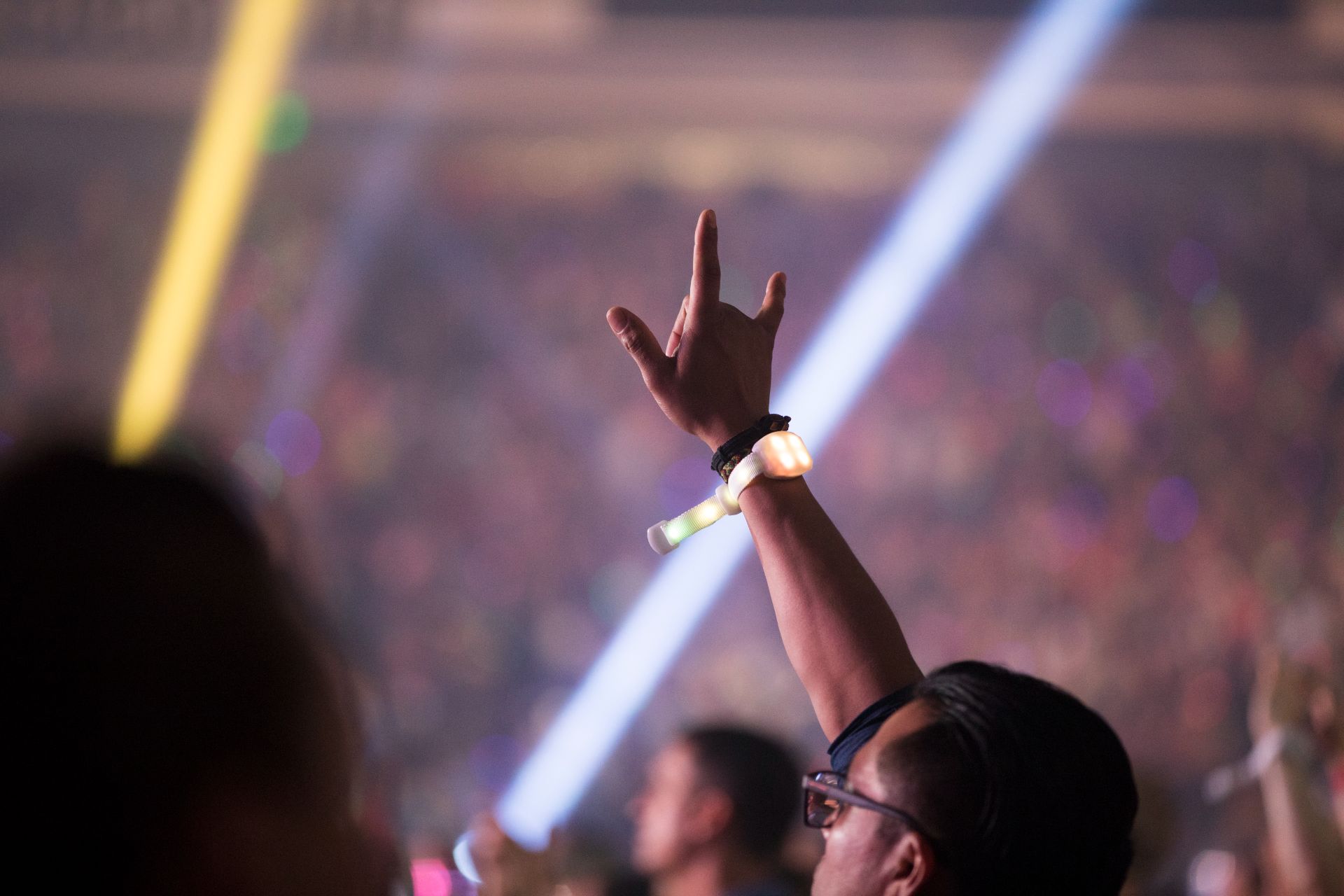
At the heart of this transformation is immersive event technology. While large-scale video screens and pyrotechnics still have their place, the new frontier is technology that is personal, interactive, and decentralized. It’s about creating shared experiences on an individual level. This is where wearable LED technology, like the iconic Xylobands that debuted on Coldplay’s Mylo Xyloto tour, has become a game-changer.
By giving each audience member a device that can be controlled in real-time, producers gain a new canvas. Suddenly, the entire festival ground becomes a grid of programmable light. Complex visual effects, once confined to the stage, can now sweep across the entire audience. This technology allows for unprecedented levels of creative expression:
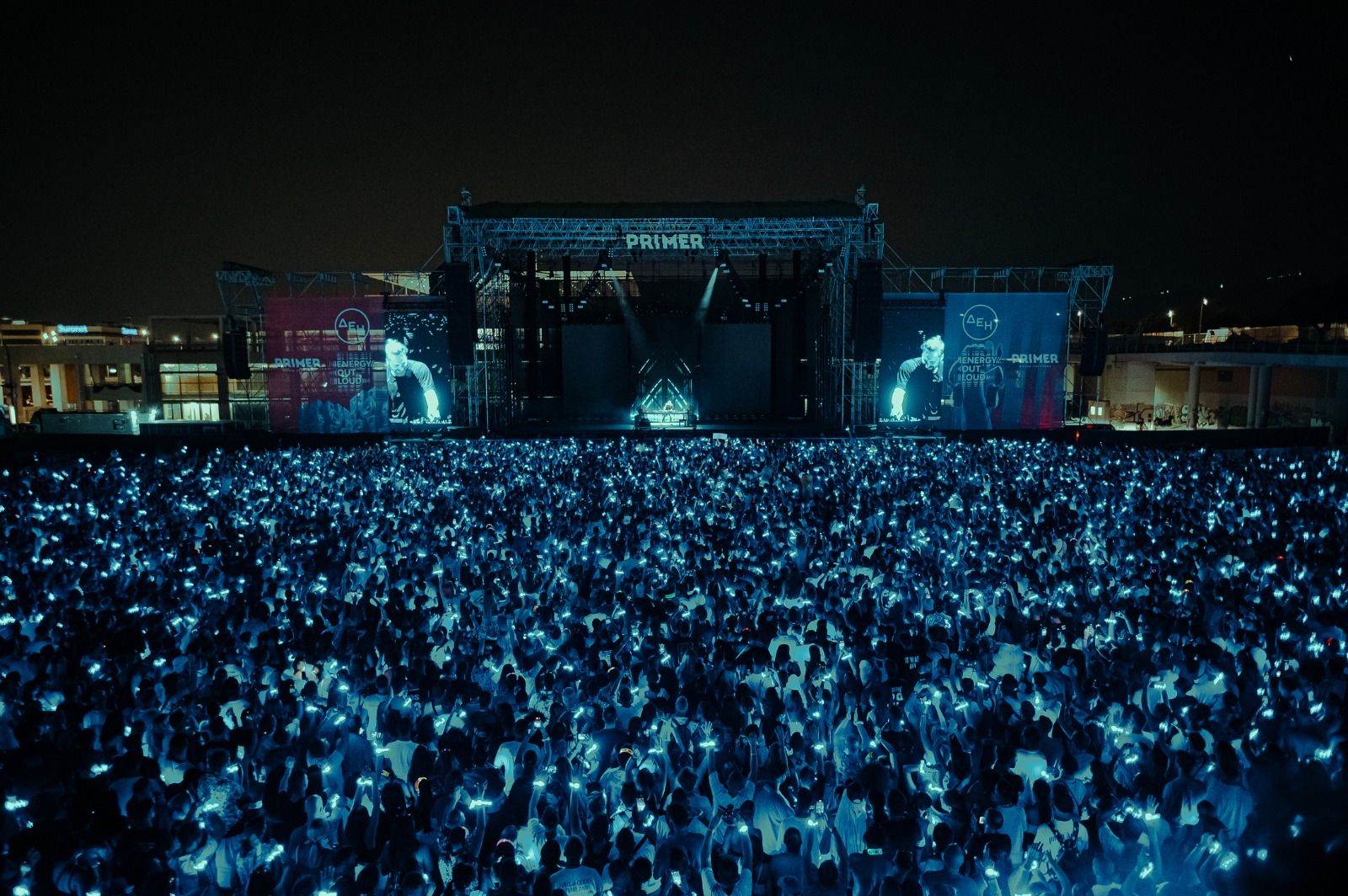
- Synchronized Light Shows: The most immediate application is turning the audience into a massive, three-dimensional light show. Beats, drops, and melodic lines can be translated into pulses and waves of color that ripple through the crowd, creating a powerful visual and emotional connection to the music. As seen at major electronic events like Greece's PRIMER Music Festival, these LED crowd experiences amplify the collective energy of a dance floor.
- Audience Segmentation: With advanced RF or DMX control, the audience can be divided into distinct visual sections. This allows for dynamic "call and response" effects, creating friendly rivalries between different areas or highlighting specific parts of the crowd in sync with the performance. The creative possibilities are limitless, enabling a level of show design that simply wasn’t possible a decade ago.
- Narrative and Storytelling: Beyond simple strobing, radio controlled LED wristbands can be used to tell a story. Imagine a slow, warm glow during a ballad that builds into a frenetic, multi-colored explosion during the crescendo. This technology gives artists a powerful tool to guide the emotional arc of their performance, painting with light across a human canvas.
Production Trends Driving Deeper Participation
The rise of the "participatory crowd" is influencing several key festival production trends. It’s a holistic approach where technology, art, and human interaction converge.
1. The Decentralized Experience
The focus is no longer solely on the main stage. Festivals are becoming multi-sensory environments with interactive art installations, pop-up performances, and technology-driven activations scattered throughout the grounds. LED lanyards or custom wearables can act as a digital passport, guiding attendees through these experiences, unlocking content, or triggering unique lighting effects as they explore. This encourages movement and discovery, making the entire festival site part of the show.
2. The Data-Driven Atmosphere
Advanced systems can now gather data on crowd density, movement, and even ambient energy. While still an emerging field, this information can be used to dynamically alter the lighting, sound, and even the operational flow of the festival. Imagine a system that brightens pathways as they become more crowded or changes the color temperature of an area based on the collective excitement of the audience. It’s about creating a responsive environment that feels alive and intelligent.
3. The Artist-Audience Co-Creation
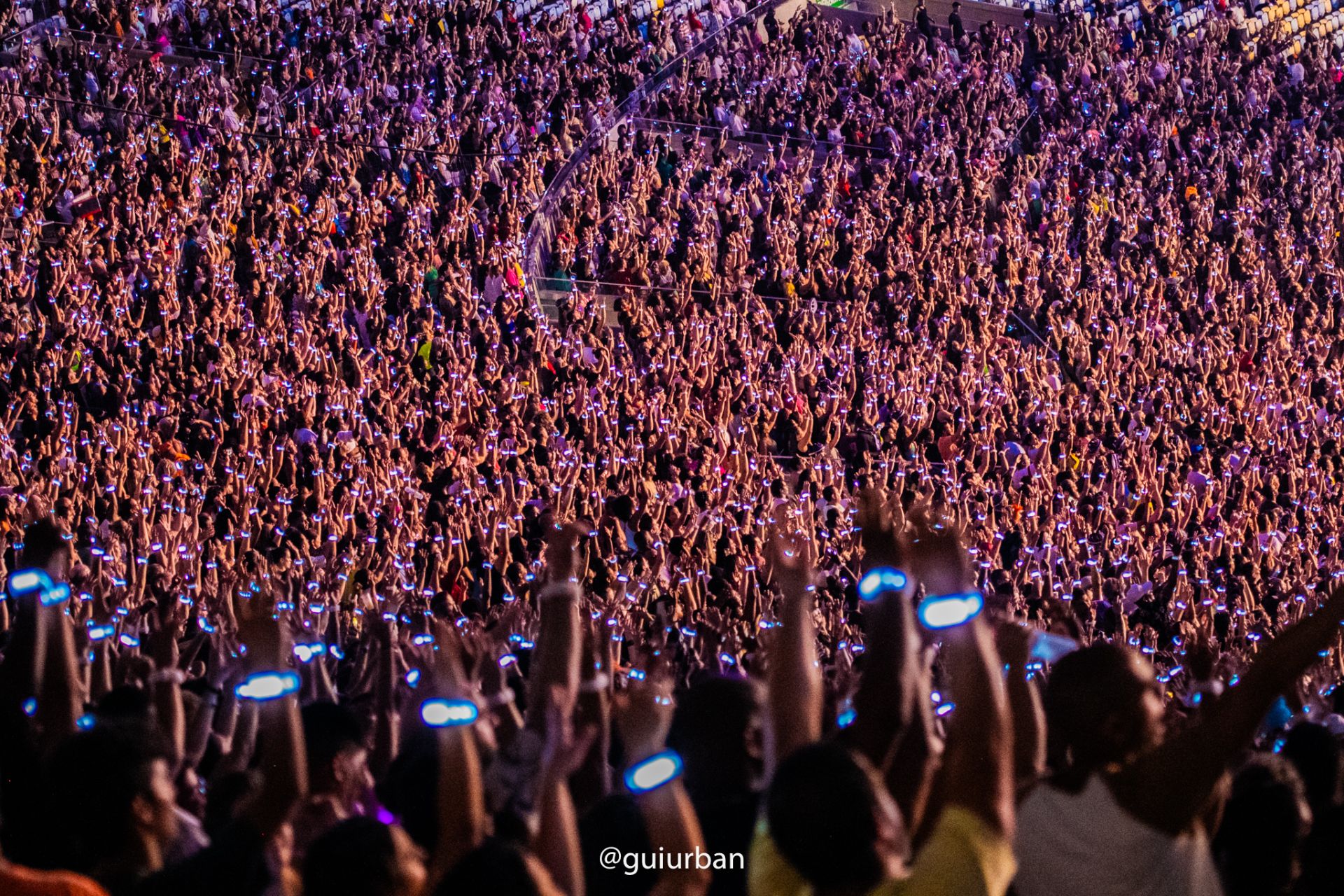
The most forward-thinking artists are embracing the audience as a creative partner. We’ve moved beyond holding up lighters, a trend that evolved into phone screens, and now into a fully integrated technological spectacle. Artists like Maluma, who lit up a stadium of 54,000 fans in his hometown of Medellín, use this technology to break down the barrier between the stage and the seats. When an entire stadium pulses with light in time with the artist’s every move, it creates a profound sense of unity. The audience is no longer just watching the show; they are the show.
Beyond the Music: The Future of Festival Participation
This evolution is not just about making festivals more visually spectacular. It’s about fostering a deeper sense of community and connection. In an increasingly digital world, the shared, physical experience of a live event is more valuable than ever. By making the audience an active participant, festivals create stronger memories and more profound emotional impact.
The technology that enables these immersive events, from Glastonbury wristbands to sophisticated concert wristbands used on global tours, is a tool. In the hands of creative producers and artists, it’s a tool that can transform a field of thousands into a single, cohesive entity. It’s a way to make every single person feel seen, valued, and essential to the moment.
The future of festival production lies in this collaborative space. As technology becomes more sophisticated and integrated, we will see even more innovative forms of crowd participation. The boundary between artist and audience will continue to blur, leading to a new golden age of live experiences—one defined not by what we see on stage, but by what we create together.