The Human Canvas: Festival Production and the Evolution of Crowd Participation
The Passive Audience is a Relic of the Past
For decades, the model was simple: artist on stage, audience in the field. The flow of energy was largely unidirectional. The crowd’s role was to receive, to witness, to applaud. Today, that model is obsolete. The modern festival producer understands a fundamental truth: the audience isn't just at the show; they are the show. This paradigm shift from passive observation to active participation has been the most significant evolution in live event production of the last twenty years.
This isn't merely about singalongs and waving hands. It’s a seismic change in production philosophy, enabled by sophisticated technology and a new creative mandate. The goal is no longer just to entertain the crowd, but to integrate it, to respond to it, and to empower it as a dynamic, living, breathing part of the core experience. This is the new frontier of immersive events, where the line between performer and spectator dissolves into a shared, collective spectacle.
From Lighters to LEDs: The Technological Catalyst
The journey from passive to active audience participation is a story of technology. The iconic image of lighters held aloft during a ballad was the analogue ancestor of today’s interactive light shows. It was a grassroots expression of unity, a spontaneous, audience-driven desire to be part of the moment. The invention of the mobile phone flashlight created a brighter, more accessible version, but it remained a largely uncoordinated, individualistic action.
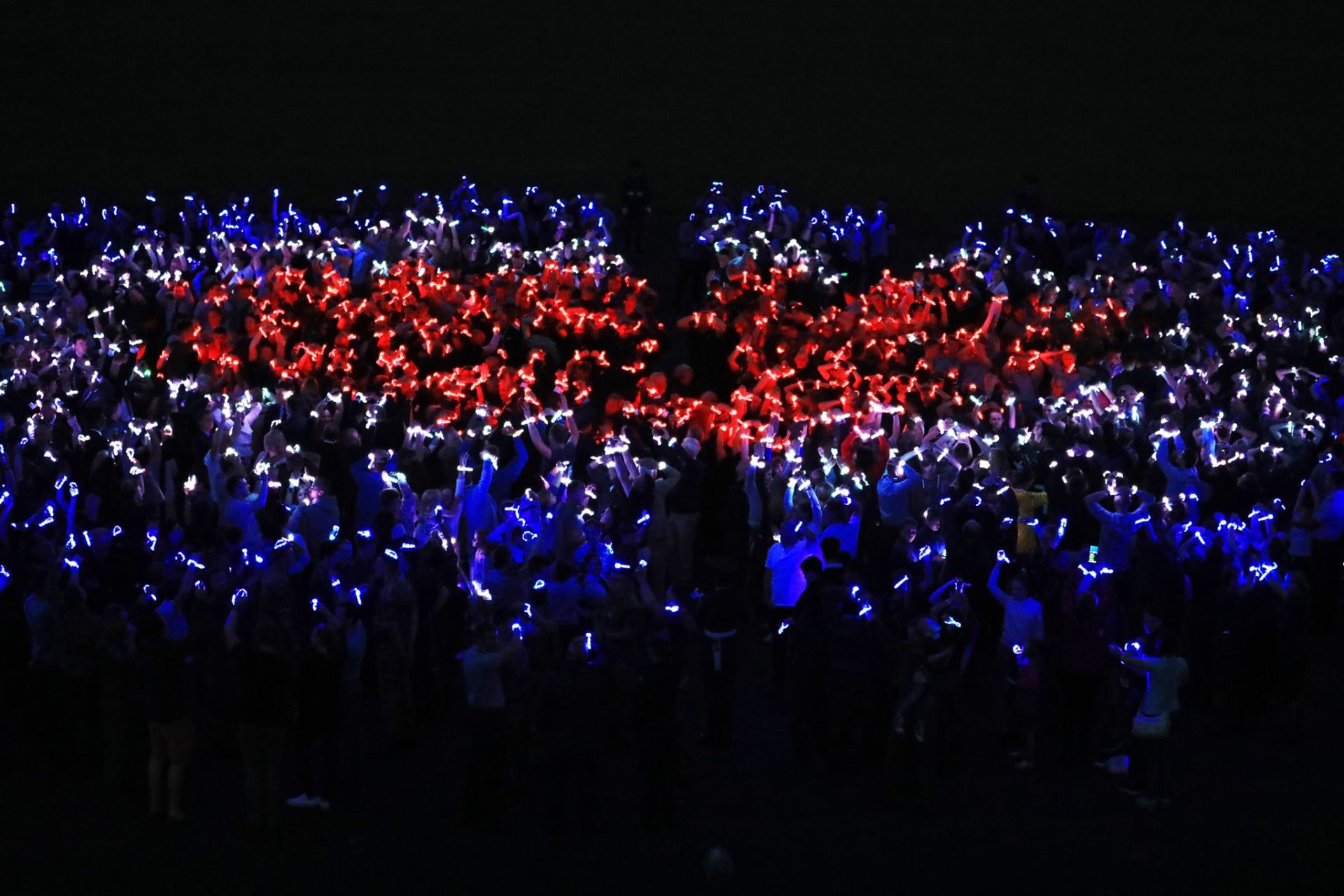
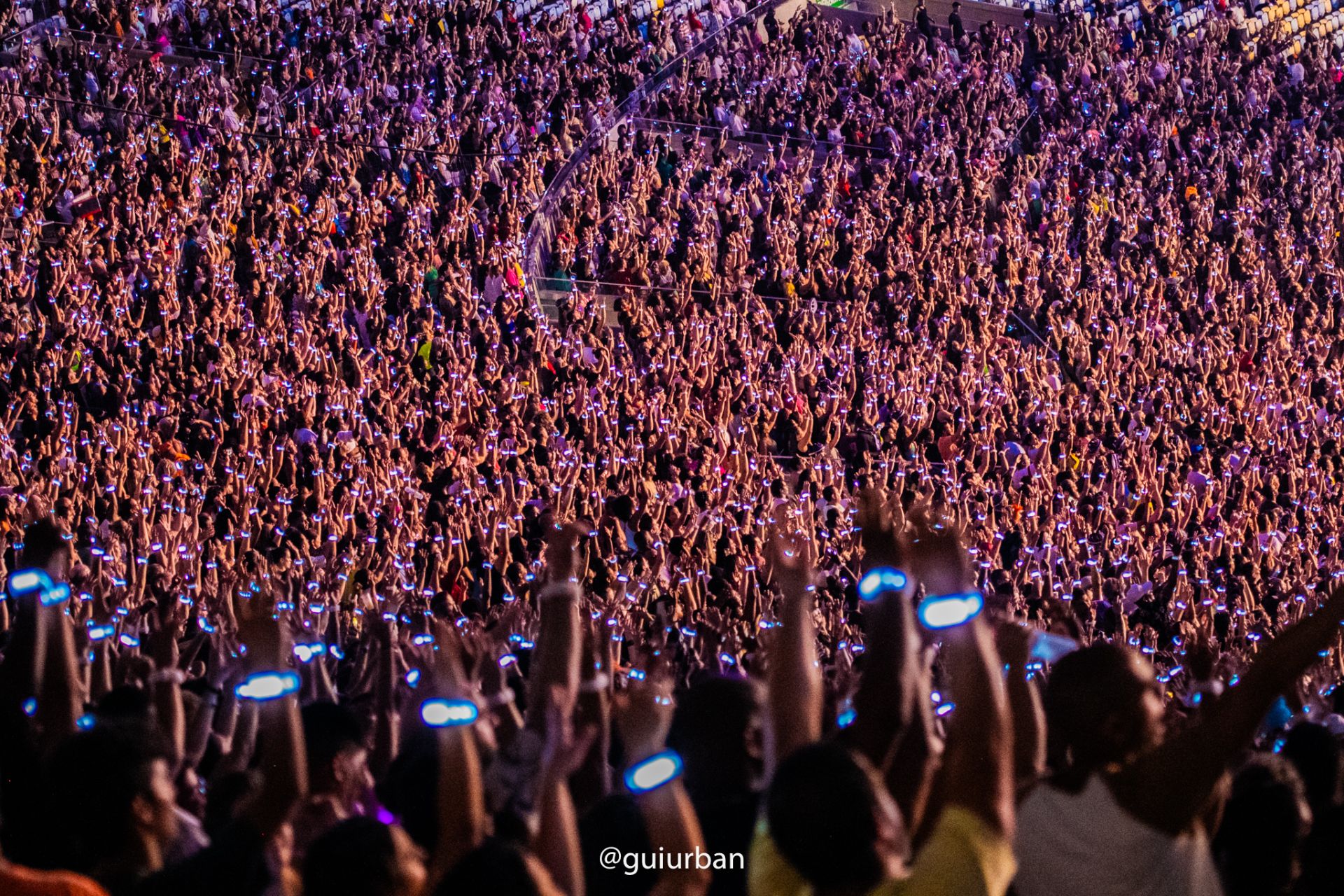
The true revolution arrived with the advent of centralised, radio-controlled LED technology. When Xylobands first debuted on Coldplay’s Mylo Xyloto tour, the potential was immediately clear. Suddenly, every single audience member could become a pixel in a show-wide canvas. The technology provided a tool for creatives and show designers to choreograph not just the lights on the stage, but the lights in the hands of every fan. This was a pivotal moment, transforming individual participation into a powerful, unified, and controllable creative element.
“The ability to synchronise tens of thousands of individuals under a single creative command changed the fundamental architecture of live show design. It gave producers a new, profoundly human medium to work with.”
Choreographing the Crowd: New Tools, New Rules
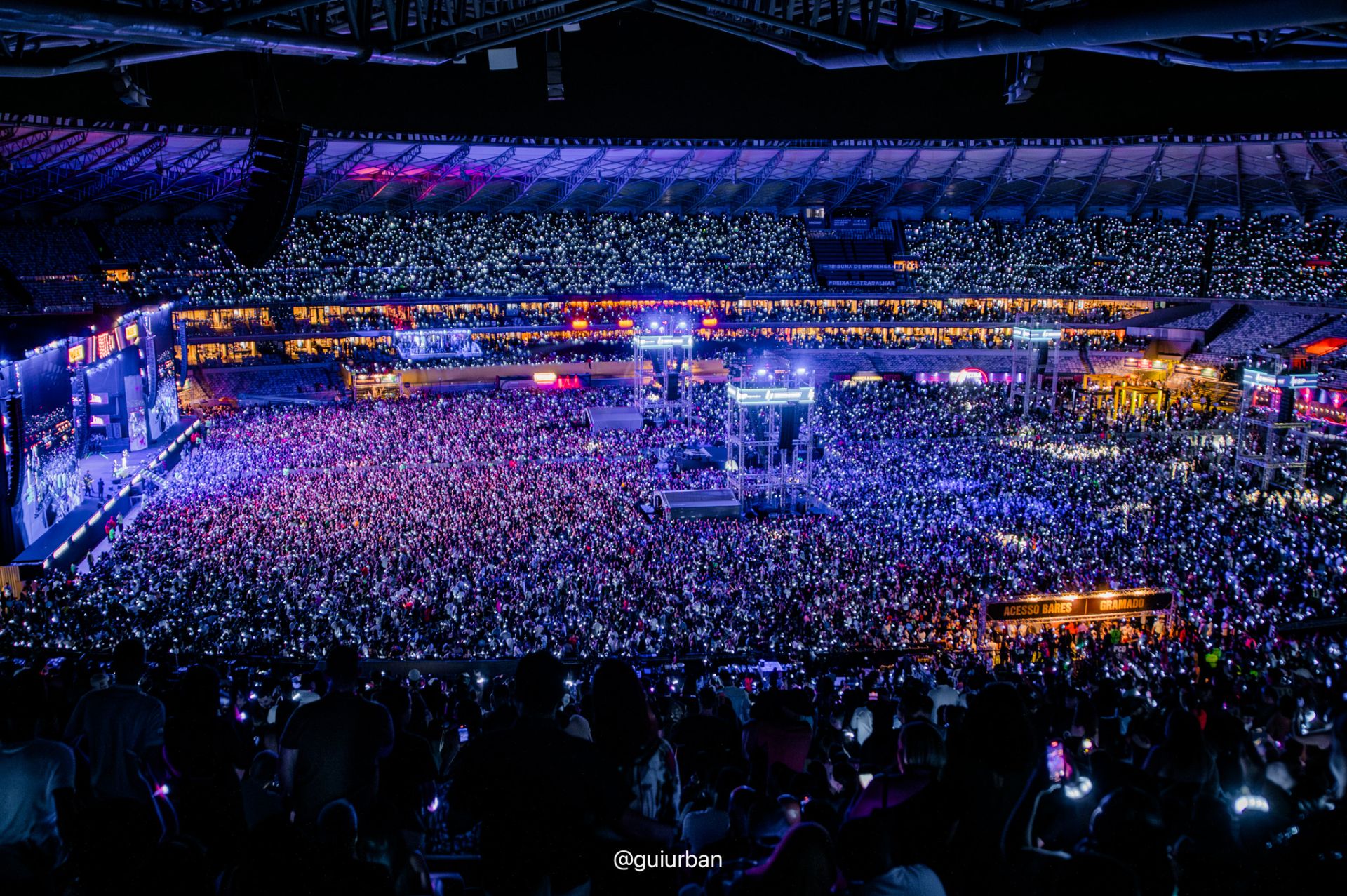
Harnessing the power of a connected audience requires more than just hardware; it requires a new approach to show design. Today’s most innovative productions treat the crowd as an interactive instrument. Using systems of RF, DMX, and even infrared, producers can segment the audience, create waves of colour, pulse light in time with the music, and respond to cues with astonishing precision.
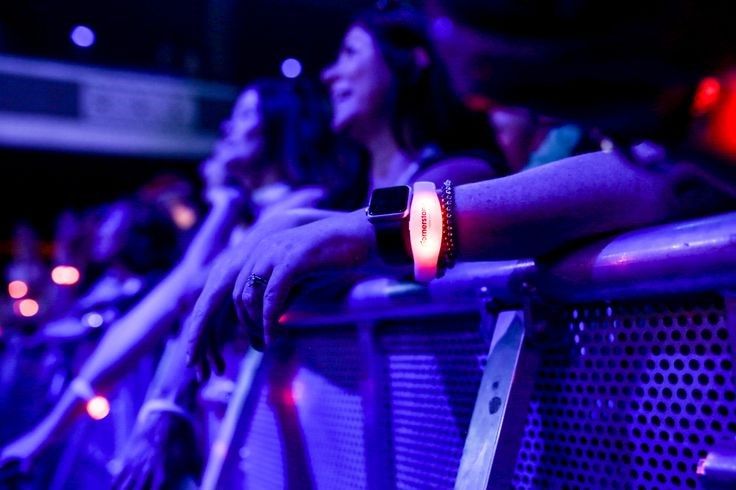
This technology is now a staple of major global tours and premier music festivals. At Greece’s PRIMER Music Festival, for example, LED wristbands helped unify thousands of electronic music fans, pulsing in sync with international DJs and turning the entire venue into a single, high-energy organism. These festival wristbands are no longer a simple novelty; they are a sophisticated tool for enhancing the sense of collective energy and creating moments of profound unity.
The creative applications are limitless:
- Dynamic Zoning: Splitting a stadium into competing team colours or creating flowing patterns across different sections.
- Musical Synchronisation: Triggering precise light cues synchronised to the beat, the drop, or a specific musical phrase.
- Interactive Moments: Allowing artists to “conduct” the audience, changing colours and patterns with a gesture.
- Emotional Amplification: Using colour theory to magnify the emotional arc of a performance—soft, warm glows for an intimate ballad, or intense, rapid strobing for a high-energy anthem.
This level of control transforms LED crowd experiences from a gimmick into a core component of the artistic vision, a powerful tool for storytelling.
Beyond the Wrist: The Future of Immersive Crowd Tech
While the wristband remains the most iconic piece of wearable LED technology, the canvas for crowd lighting continues to expand. We’re seeing innovation in form factors like the custom LED Lanyards used at the Formula One 75th anniversary event, or larger format LED Orbs that can be held or passed through the crowd. Each new form factor presents unique creative possibilities and new ways to integrate the audience into the visual narrative.
The next wave of immersive event technology will likely involve even greater levels of personalisation and interactivity. Imagine wristbands that not only receive signals but send them, providing real-time data on crowd density, movement, and energy levels. This could have profound implications not only for creative expression but also for event safety and logistics.
Ultimately, the evolution of crowd participation is about fulfilling a deep human need: the desire to belong. When thousands of lights flash in perfect unison, it’s more than a cool visual effect. It’s a tangible, visible representation of a shared experience. It’s the feeling of being part of something larger than oneself. For the modern event producer, learning to harness that feeling isn’t just a trend—it’s the art form of the future. The crowd is no longer just watching the canvas; they are the canvas.