The Unseen Symphony: A Field Guide to Flawless Event Tech Rollouts
The First Mile: From Blueprint to Pallet
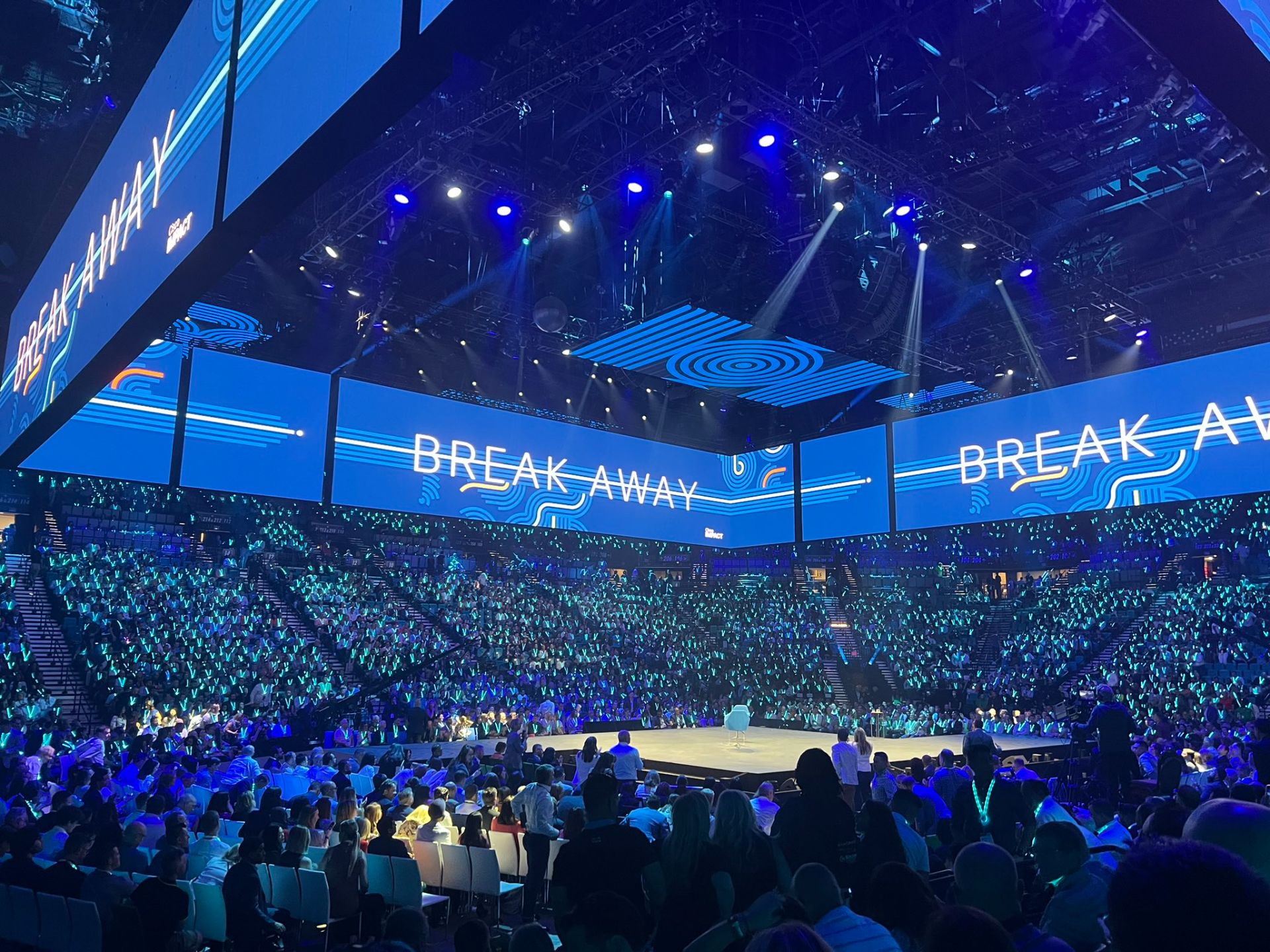
Long before the first truck arrives at a venue, the intricate process of deploying large-scale Immersive Event Technology begins. It’s a discipline of precision, foresight, and relentless planning. For every spectacular moment an audience experiences—a stadium awash in synchronized light, a corporate logo flashing across thousands of wrists—there are months of unseen work. This is the world of production logistics, an invisible architecture that supports the spectacle.
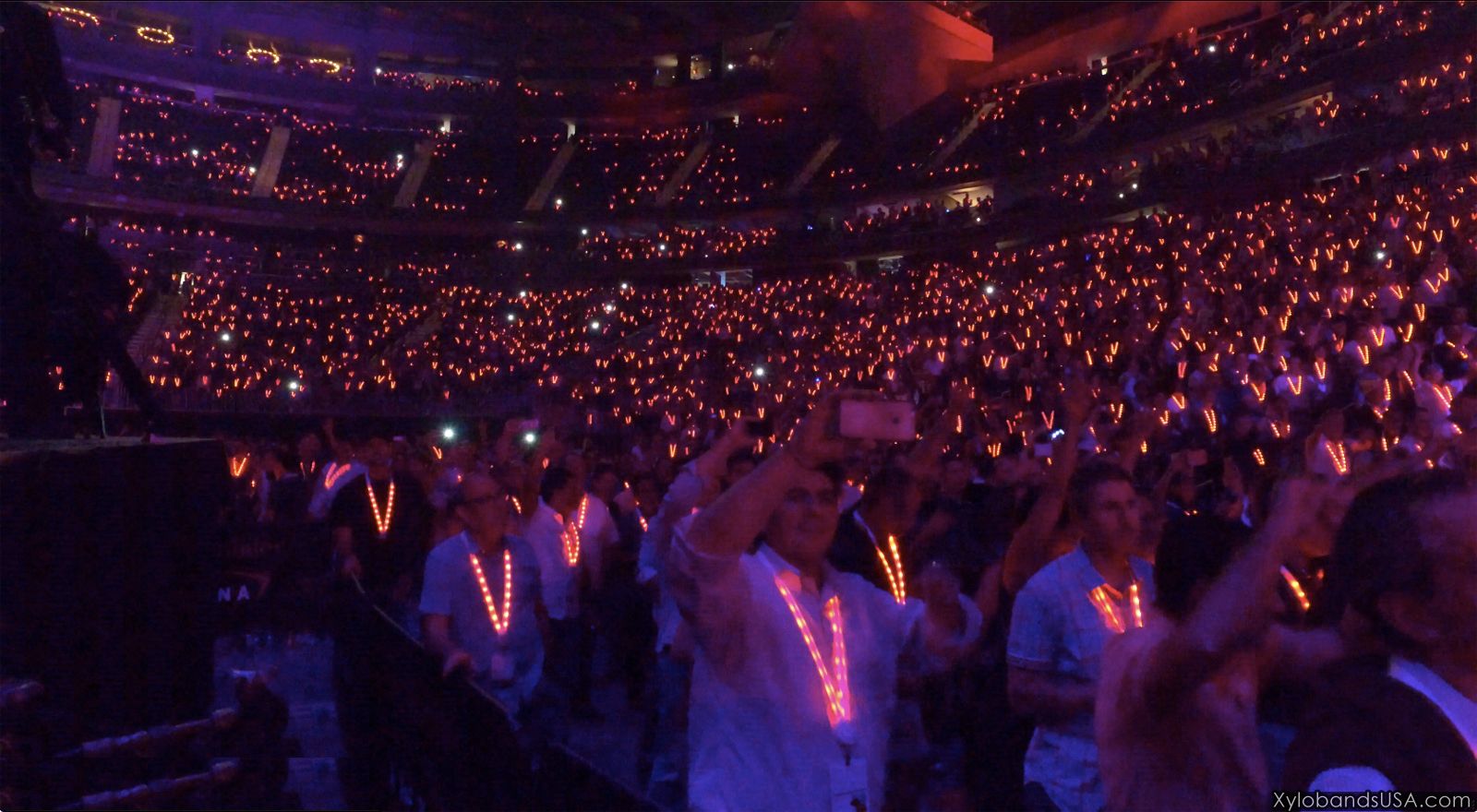
The process starts with a creative blueprint. A show designer or tour manager outlines a vision, and our job is to translate that vision into a tangible, deliverable reality. This involves selecting the right hardware, such as our classic Xylobands or perhaps custom LED Lanyards, and determining the exact quantities needed. But it goes deeper. We analyze the venue layout, power availability, and RF environment to develop a deployment strategy that guarantees flawless coverage and control.
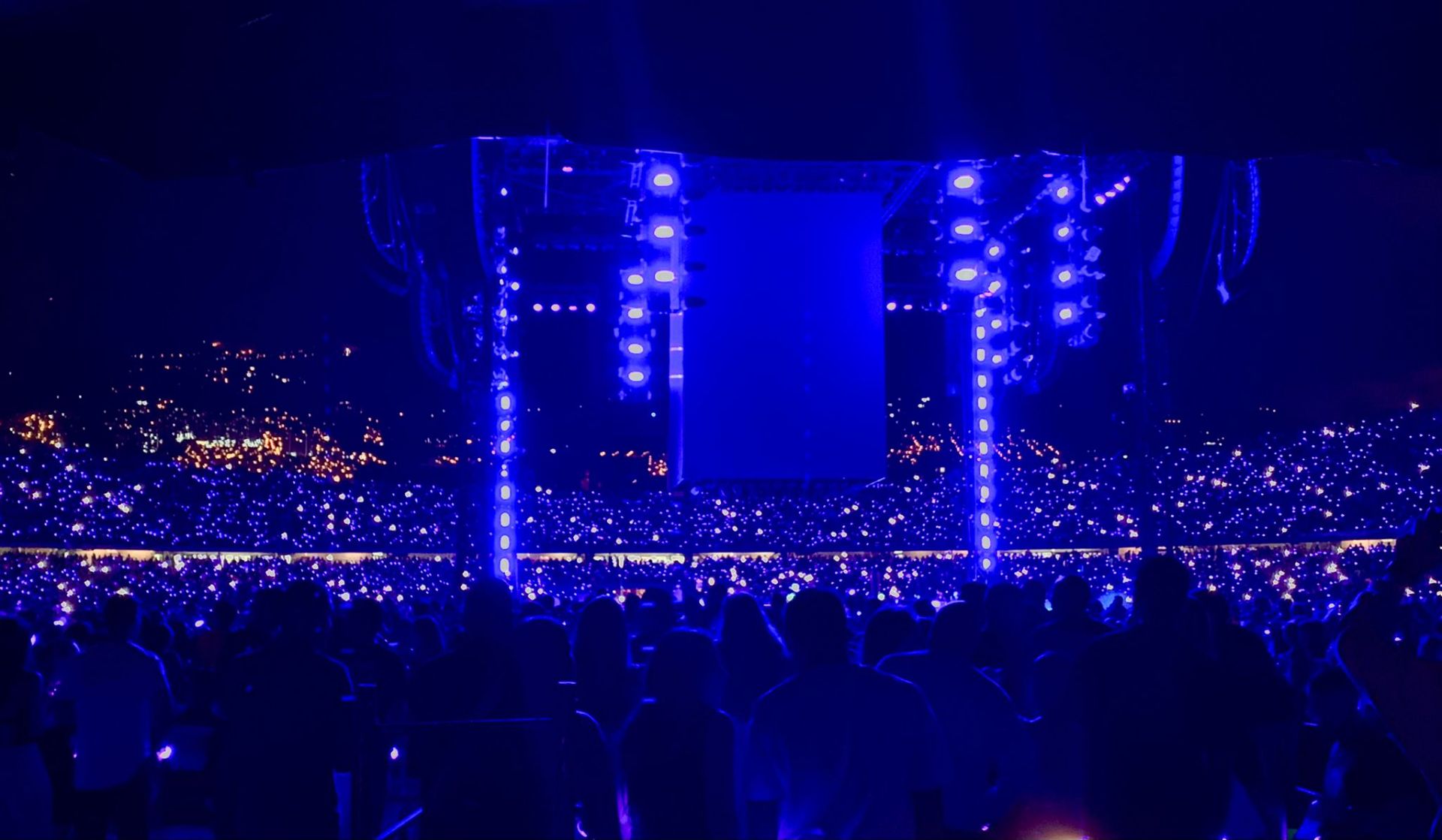
Once the technical specification is locked, our production facility becomes a hive of activity. Each wristband is programmed, tested, and packed. This isn’t just about counting units; it’s about quality control on a massive scale. Every single band must be ready to respond to a signal instantly and reliably. For a multi-night engagement like Wizkid’s historic three-day sellout at The O2, this process includes planning for reuse, battery top-ups, and responsible recycling, ensuring sustainability is built in from the ground up.
The On-Site Orchestra: Deployment and Distribution
The arrival at the venue marks a critical transition from planning to execution. This is where the deployment team—a specialized unit of technicians and logistics experts—takes center stage. Their first task is to establish the "brain" of the operation: the control and transmitter network. Placing transmitters is both a science and an art, requiring an understanding of radio frequencies, architectural obstacles, and crowd flow to ensure every single LED bracelet receives a clear signal, whether it’s in the front row or the highest tier of a stadium.
With the technical backbone in place, the focus shifts to the physical distribution of the wristbands. This is a complex logistical puzzle with thousands of moving parts. We work hand-in-glove with the venue’s staff and the event’s promoters to devise a distribution strategy that is efficient, secure, and seamless for attendees. Options include:
- Seat-Taping: For reserved-seating events, wristbands are individually taped to every seat before the doors open. This requires a disciplined team moving methodically through the empty arena, a process we perfected for massive broadcasts like the F1 75th Anniversary show at The O2. Our team even placed custom pendants based on seating charts to create specific visual effects for the broadcast.
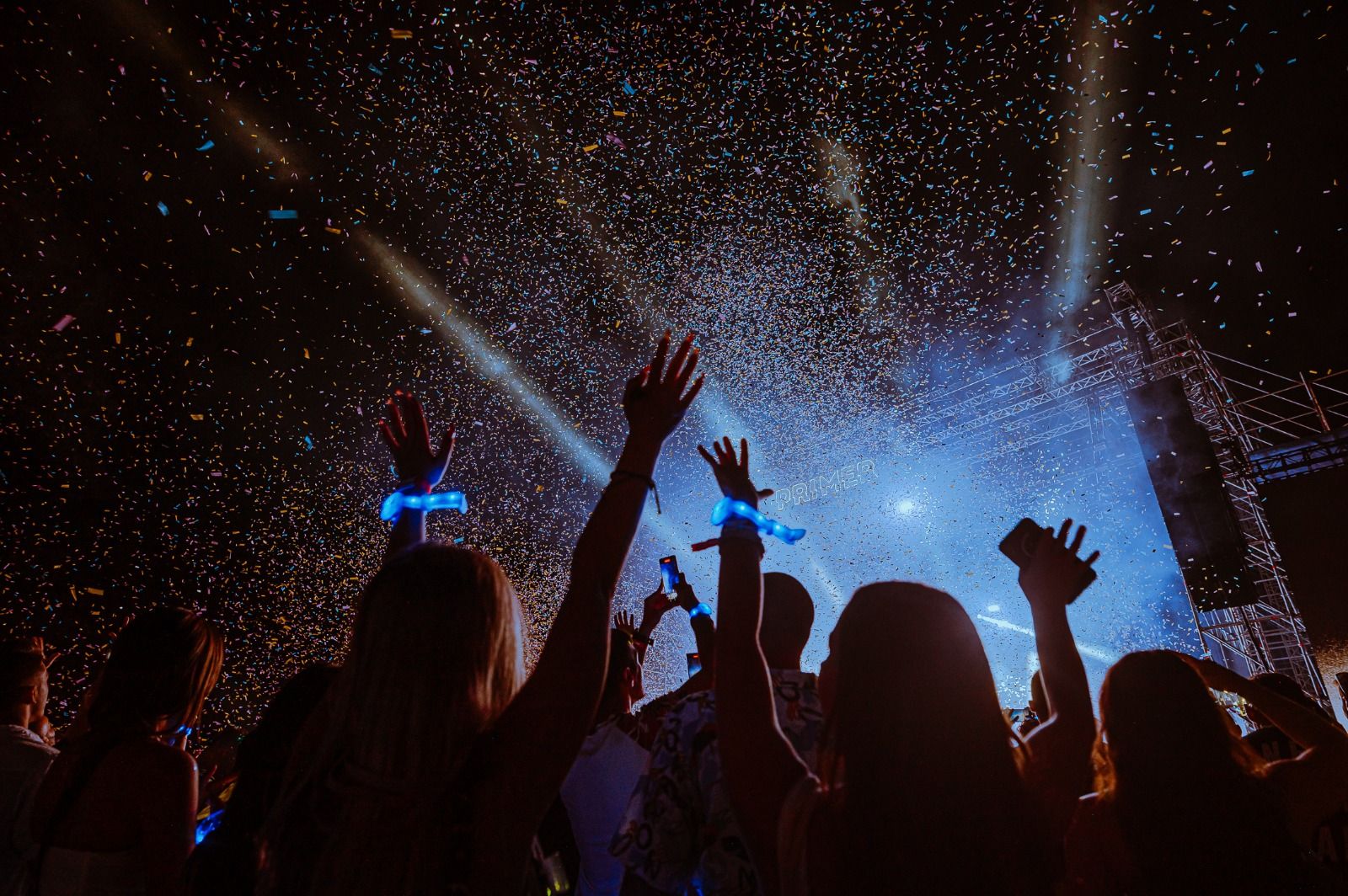
- Binning at Entry: At festivals or general admission events, wristbands are distributed from large "bins" at entrances, allowing for rapid handover as crowds flow in. This method is ideal for high-energy environments like Greece’s PRIMER Music Festival.
- Hand-Out Teams: Mobile teams can distribute wristbands at key choke points, ensuring even coverage and adding a human touch to the process.
This phase is about more than just moving boxes. It’s about creating the first touchpoint with the audience, building anticipation for the LED crowd experiences to come.
Command and Control: The Art of the Show
As the house lights dim, the focus shifts to a single operator. From a small station—often tucked away at the front-of-house mixing position—they are poised to unleash the full power of the system. This is where technology and artistry merge.
Our proprietary software and controllers allow for a stunning degree of real-time creative freedom. The operator, often working in sync with the lighting director, can:
- Trigger Pre-Programmed Cues: Intricate sequences and effects are designed and programmed in advance, ready to be deployed at the perfect moment.
- Zone the Audience: The operator can divide the crowd into dozens of virtual zones, creating waves of light, checkerboard patterns, or complex color chases that sweep across the arena. This was used to great effect at the Davis Cup, turning national seating sections into seas of patriotic color.
- Busking and Live Control: For more spontaneous moments, an experienced operator can "play" the crowd like an instrument, using faders and buttons to create effects on the fly that respond to the music and the energy of the room. It’s a high-wire act of technical skill and creative intuition.
This live operation is the culmination of all the preceding logistical effort. It’s the moment the unseen symphony becomes an audible and visible roar, transforming tens of thousands of individuals into a single, unified canvas of light.
The Final Act: Collection and Sustainability
The spectacle doesn’t end when the show is over. A core part of our operational philosophy is responsibility. After the encore, the final phase of the logistics cycle begins: collection and recycling. We strategically place collection points at all exits and deploy staff to encourage attendees to return their wristbands. This isn’t just good for the environment; it’s a crucial part of our sustainable business model.
Returned units are shipped back to our facilities, where they are refurbished, fitted with new batteries, and prepared for their next show. This commitment to circularity ensures that the technology that powers these unforgettable immersive events today will continue to do so for years to come. From the initial spark of an idea to the final act of recycling, the rollout of Wearable LED Technology is a testament to the power of meticulous planning, technical expertise, and a deep understanding of the live event environment. It is the unseen, unheard, but absolutely essential foundation of the spectacle.