From Chorus to Controller: A History of Audience Participation
The Unseen Current: The Timeless Quest for Shared Experience
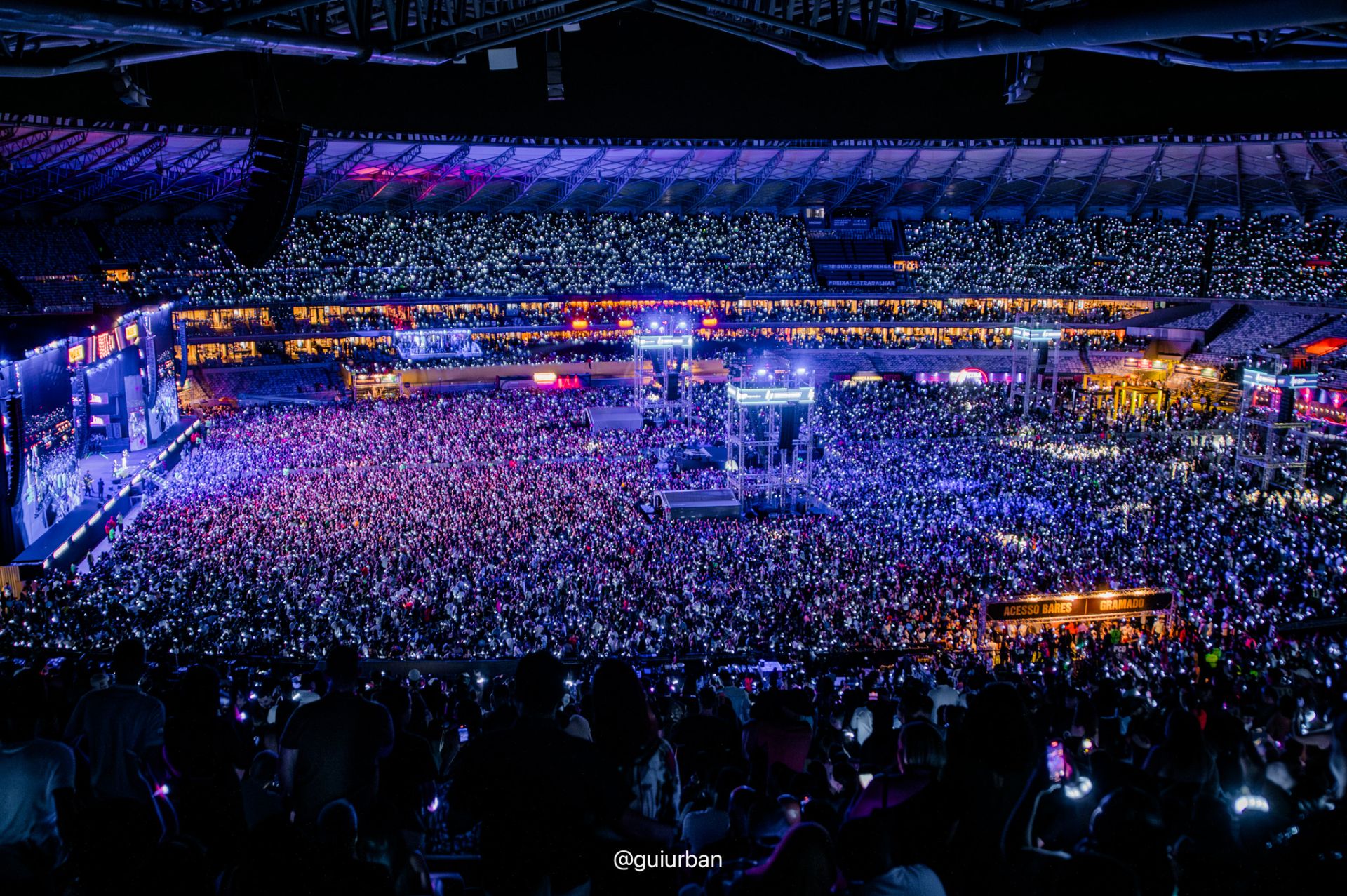
At the heart of every concert, festival, and live event is a fundamental human desire: to be part of something larger than ourselves. It’s a current that runs through every cheer, every shared chorus, and every moment of collective silence. We don’t just attend events to spectate; we go to participate, to connect, and to share in a singular experience. But how did we get from the simple act of applause to entire stadiums pulsing as a single, synchronized canvas of light? This is a story of technology, yes, but it’s more deeply a story about our evolving quest for collective connection.
The Ancient Call and Response
The roots of audience participation stretch back to the very origins of performance. In the amphitheaters of ancient Greece, the chorus was a foundational element of theater, serving as a bridge between the actors and the audience. They reacted, commented, and channeled the collective emotion of the crowd, making the spectators feel represented within the drama itself. This was the first form of structured, large-scale audience interaction—a designated body whose purpose was to make the passive active.
This principle of call-and-response echoed through centuries. We see it in the antiphonal chants of medieval churches, the participatory storytelling of folk traditions, and the raucous back-and-forth of vaudeville comedy. The dynamic was simple and powerful: the performer offers a prompt, and the audience completes the circuit. This interaction wasn’t a gimmick; it was the mechanism that transformed a gathering of individuals into a unified whole.
The Analogue Spectacle: A Sea of Flames
As performances moved into arenas and stadiums in the 20th century, a new challenge emerged. The sheer scale of the audience created a physical and psychological distance between the artist and the individual. The intimacy of the folk club was lost in a sea of thousands.
Then, organically, the audience found its own solution. During the encore of a 1960s concert, a fan held up a lit cigarette lighter. Soon, the person next to them did the same, and the gesture spread until the entire arena was transformed into a flickering constellation of tiny flames. This was a pivotal moment: the audience, unprompted, had invented its own form of low-tech, mass-scale visual participation. It was a powerful, analogue expression of unity, a way of signaling to the artist, “We are here, we are with you.” For decades, this became the defining image of the encore, a beautiful but limited tool for creating a shared visual moment.
The Digital Distraction and the Spark of a New Idea
The mobile phone offered a modern, safer alternative to the open flame, but it introduced what producers now call the “two-screen problem.” Instead of being immersed in the moment, audiences began experiencing the show through their own small screens, recording videos and taking photos. While this allowed for personal capture, it also fragmented the collective experience. The individual’s focus turned inward, to their own device, rather than outward, to the shared space and the performance.
The solution arrived not from a boardroom, but from a moment of genuine inspiration. In 2011, our founder, Jason Regler, was standing in the crowd at Glastonbury Festival, watching Coldplay perform "Fix You." As the iconic lyrics “Lights will guide you home” washed over the field, he envisioned a way to unify the crowd, to reclaim the spectacle from the distraction of individual screens. What if every person could become a pixel in a vast, coordinated light show? What if the light wasn’t just a response from the audience, but a tool for the artist to conduct them?
The Birth of a New Medium
This was the genesis of Xylobands. The idea was to create Radio Controlled LED Wristbands that could be synchronized to the music, the lighting cues, and the emotional arc of the show. It was a revolutionary leap forward in Immersive Event Technology. Instead of thousands of disparate points of light, you could have a single, flowing, intentional canvas. You could turn an entire stadium into an instrument.
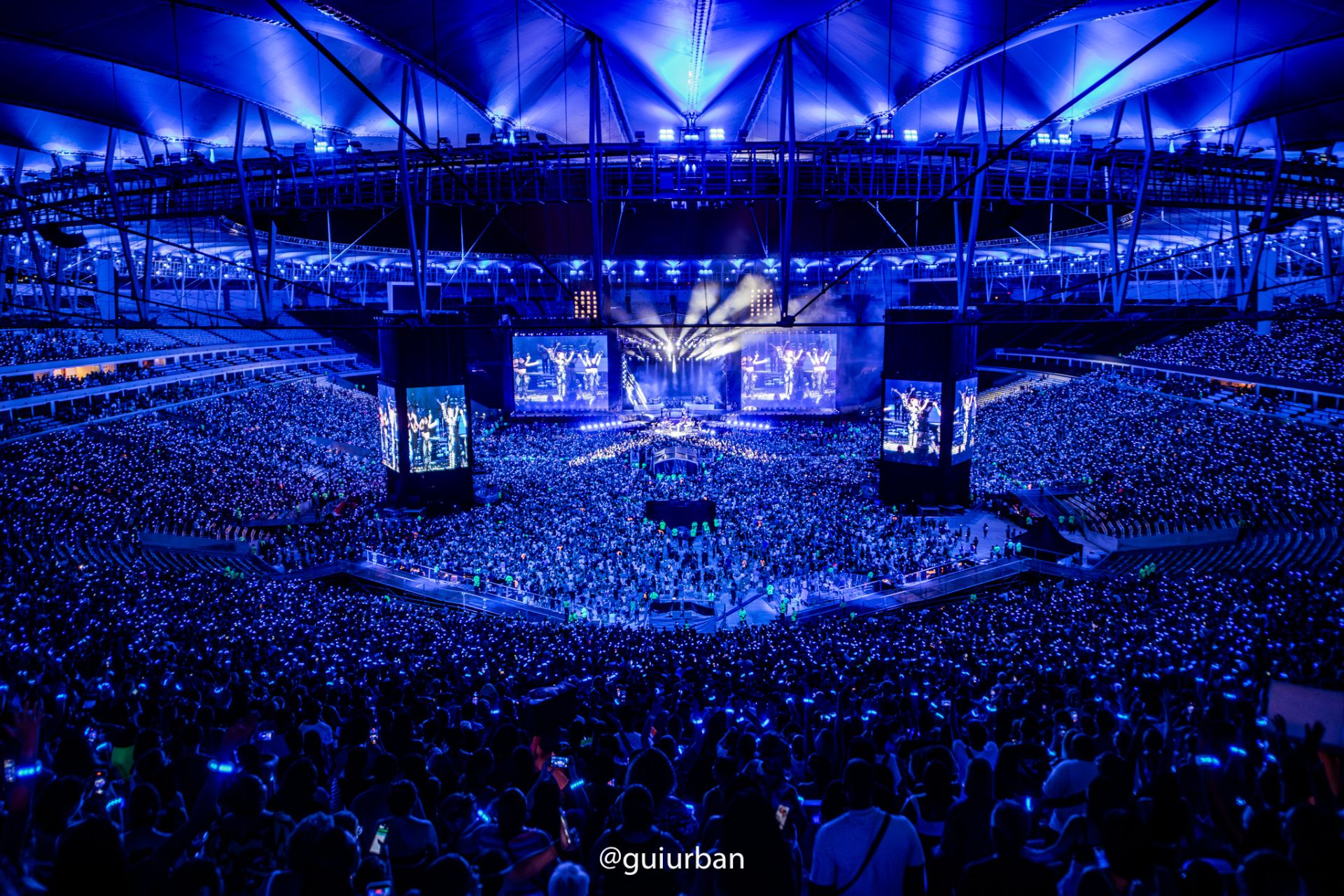
Coldplay embraced the vision, and the Coldplay Xylo Band made its debut on their Mylo Xyloto World Tour. The effect was immediate and profound. The audience was no longer just watching a light show; they *were* the light show. The technology provided a shared sensory experience that dissolved the distance between strangers, creating the very sense of unity that the lighters of a previous generation had aimed for, but on a scale and with a level of control never before possible. These weren’t just Concert Wristbands; they were a new medium for artistic expression.
The Era of Immersive Light
That initial spark ignited an entire industry. Today, Wearable LED Technology has become an essential tool for creating high-impact LED Crowd Experiences. The technology has evolved far beyond a single product. For corporate clients, branded LED Lanyards transform attendees at a conference into brand ambassadors, pulsing with light during keynotes and product reveals, turning standard Corporate Event Activations into truly memorable moments.
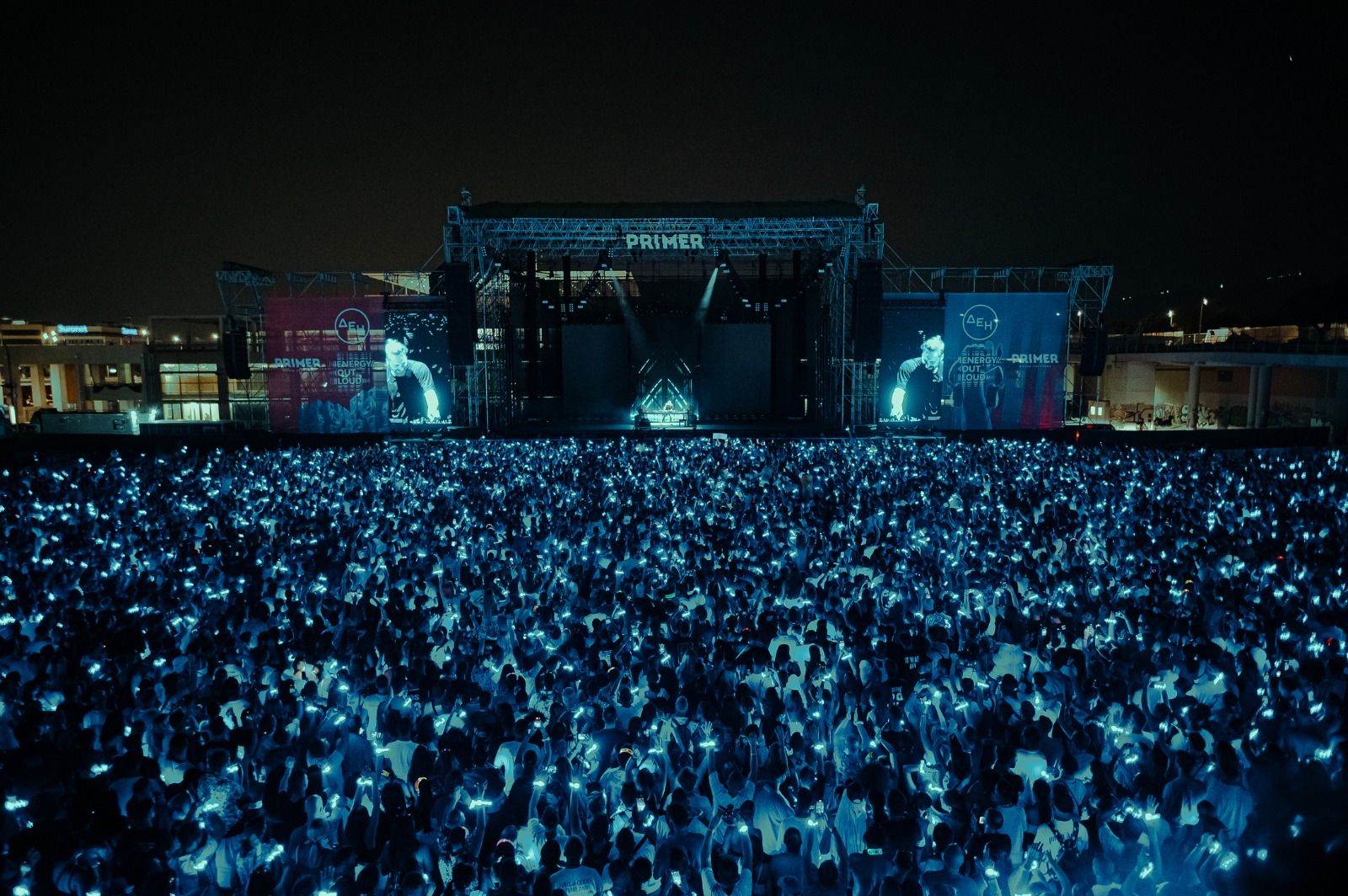
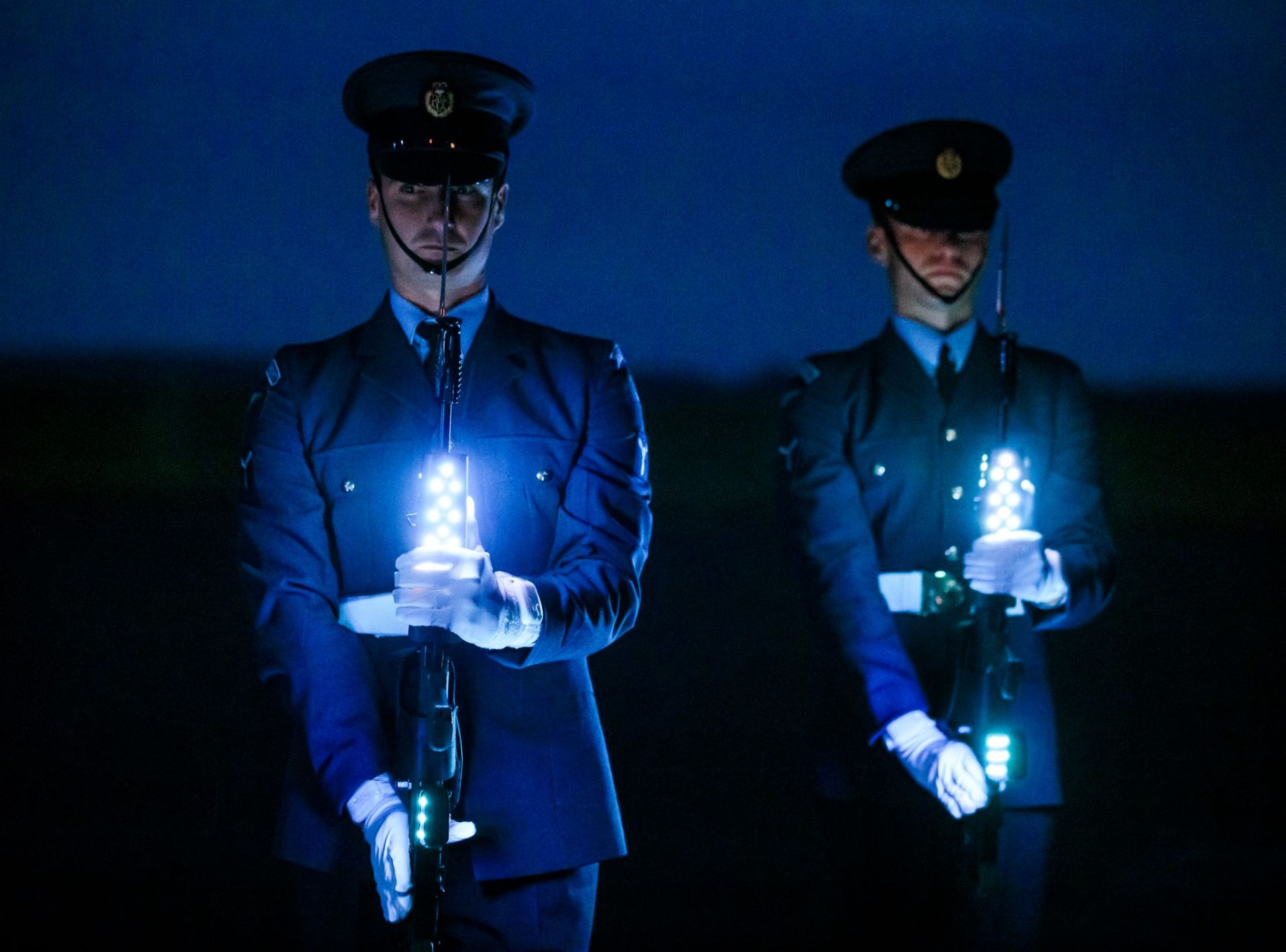
At major sporting events, from the Davis Cup to a 75th-anniversary celebration for Formula One, custom pendants and LED Bands allow programmers to segment the crowd by team, seating section, or hospitality level, creating dynamic, competitive, and camera-stunning visual effects. At music festivals like Greece’s PRIMER, thousands of Festival Wristbands pulse in sync with the beats of the world’s top DJs, amplifying the collective energy.
This is the power of modern LED Experiences. Whether through wristbands, lanyards, or even interactive LED Orbs, the principle remains the same: it’s about using technology to facilitate a deeper human connection. It’s about turning a crowd of spectators into a community of participants.
The Future is a Shared Canvas
The journey from the Greek chorus to the radio-controlled LED wristband reveals a constant, unchanging truth: people crave shared experiences. Technology, when used thoughtfully, isn’t a barrier to that connection but a bridge. It allows us to feel a sense of unity on a scale our ancestors could never have imagined.
As we look forward, the potential for this Immersive Event Technology is boundless. We are moving toward a future of even greater interactivity, personalization, and integration. But the goal will always be the same: to take a room full of thousands, or a field of tens of thousands, and for a few fleeting hours, make them feel like one. The technology is just the conductor’s baton; the real music is the roar of the unified crowd.