From Lighters to Light Shows: The Evolution of Audience Participation
The Primal Connection: Fire, Song, and the First Stirrings of Audience Participation
Since the dawn of performance, the relationship between the artist and the audience has been a delicate dance. For centuries, participation was elemental, almost instinctual: the unified chant of a chorus, the rhythmic clap of hands, the roar of a coliseum. It was a raw, human connection, but a passive one. The audience was a receiver, a vessel for the spectacle, their energy an unharnessed force.
The first significant technological shift arrived with a simple, pocket-sized invention: the cigarette lighter. In the flickering darkness of a mid-20th century concert hall, a single flame held aloft during a ballad was a personal, intimate gesture. But when thousands followed suit, it became something more: the first instance of the audience as a dynamic, visual canvas. This wasn’t a programmed effect; it was a spontaneous, collective expression of emotion, painting the darkness with pinpricks of light. The encore, once a simple return to the stage, now had a visual cue, a silent plea from a constellation of tiny flames.
The Digital Dawn: Pixels, Phones, and the Rise of Interactive Light
The analog age of lighters eventually gave way to the digital glow of mobile phones. Suddenly, the palette of audience expression expanded. The single, warm flame was replaced by a brighter, colder, and more versatile screen. Fans could wave their phone flashlights, creating a more powerful, if less poetic, version of the lighter constellation. They could record, share, and broadcast their own view, fragmenting the singular experience into a million individual perspectives.
This era brought the audience closer to the action but also, in some ways, placed a screen between them and the moment. The technology enabled a new form of participation but lacked a crucial element: synchronization. The sea of screens was a collection of individual actions, not a unified, choreographed spectacle. The true potential of the crowd as a canvas remained locked away, waiting for a key.
The Synchronized Revolution: The Birth of Wearable LED Technology
The breakthrough came not from a corporate R&D lab, but from a moment of pure inspiration. As our founder, Jason Regler, watched Coldplay perform at Glastonbury, the lyric “Lights will guide you home” sparked a revolutionary idea: what if the lights were not just on the stage, but on every single person in the crowd? What if the audience itself could become a living, breathing part of the light show, perfectly in sync with the artist’s vision?
This was the genesis of Xylobands. The concept was to transform the audience from passive observers into active participants in the spectacle. Through radio-controlled LED wristbands, every individual could become a pixel in a vast, immersive light show. The disorganised galaxy of phone screens could be replaced by a single, unified, and dynamic masterpiece, controlled by the show’s lighting designer.
When our radio controlled LED wristbands debuted on Coldplay’s Mylo Xyloto tour, the effect was immediate and profound. The barrier between artist and fan dissolved. The crowd was no longer just watching the show; they were the show. This paradigm shift ushered in a new era of immersive events, where the audience experience was as integral as the performance itself.
The Modern Canvas: Immersive Event Technology Today
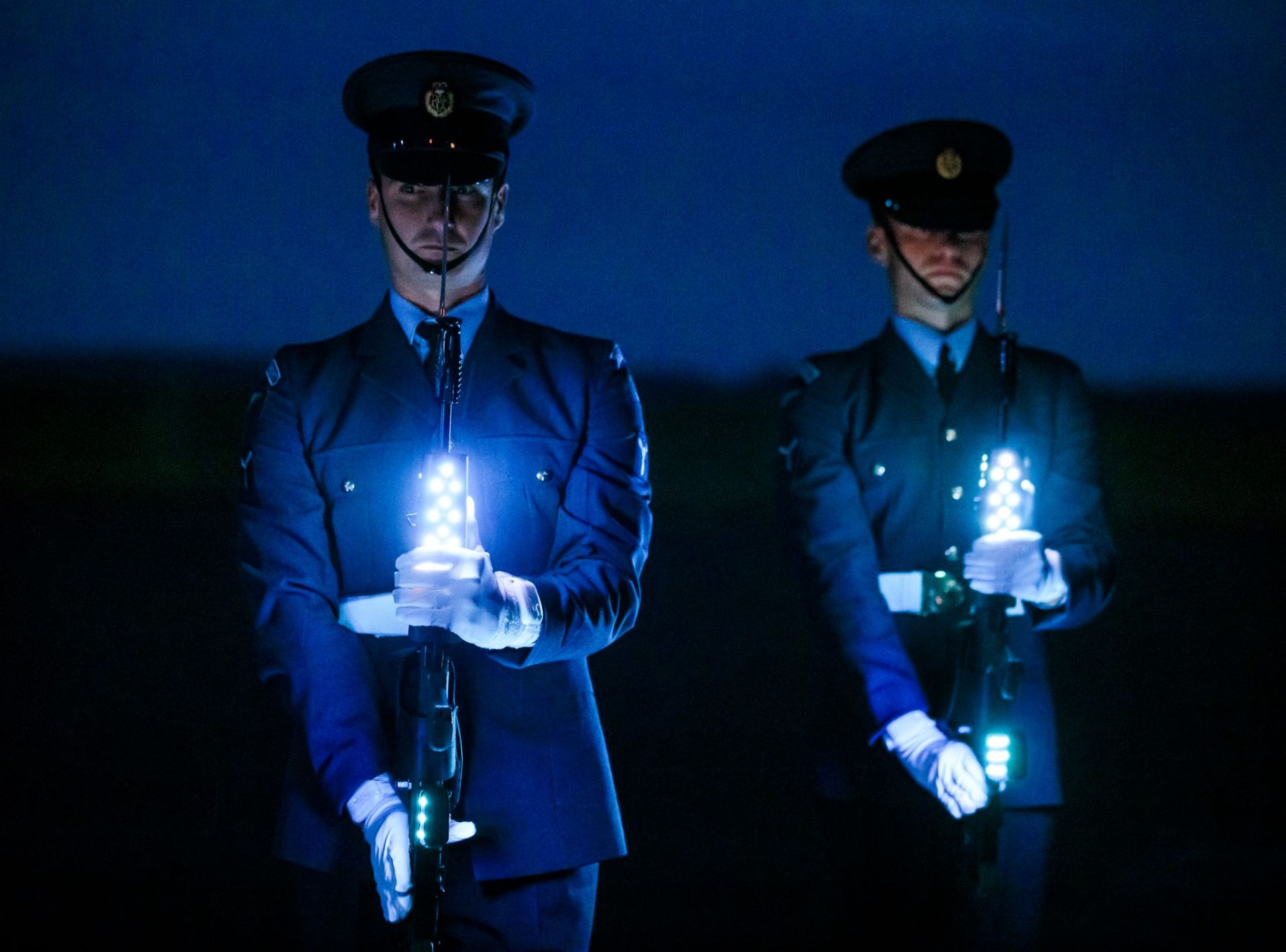
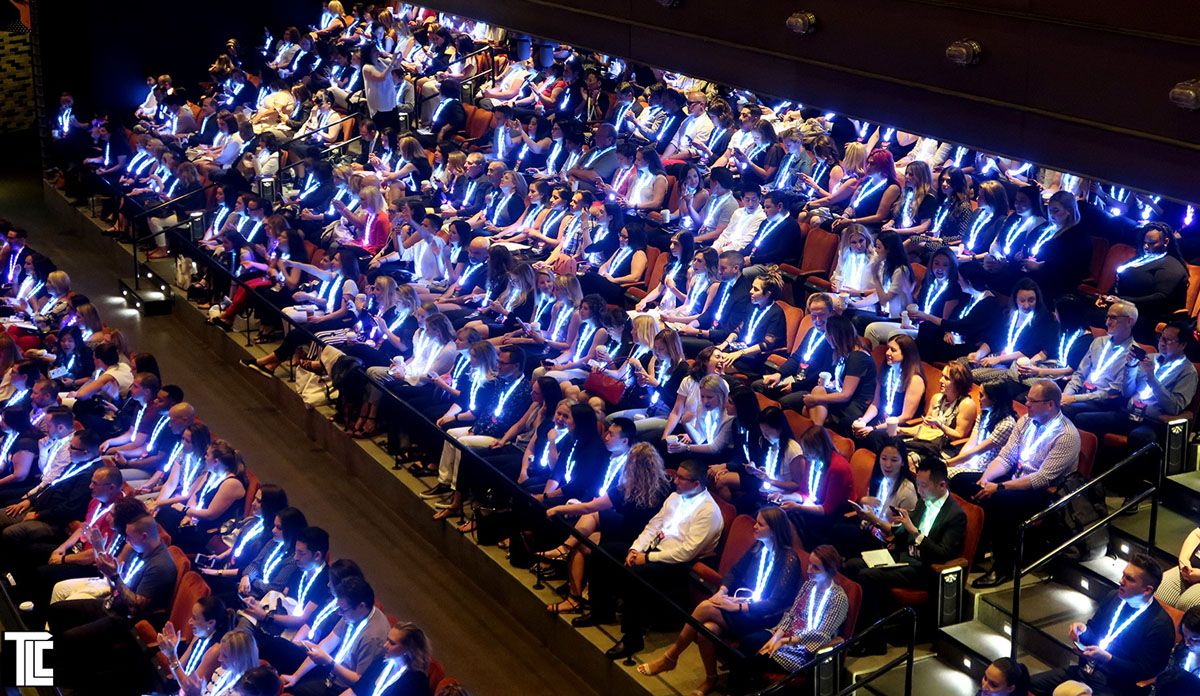
Today, the technology has evolved far beyond that first tour. The palette has expanded to include a spectrum of LED wearables, from custom LED wristbands and LED lanyards to LED orbs that can be thrown among the crowd. The control systems have become infinitely more sophisticated, using a combination of RF, DMX, and infrared to create intricate, layered, and deeply moving visual narratives.
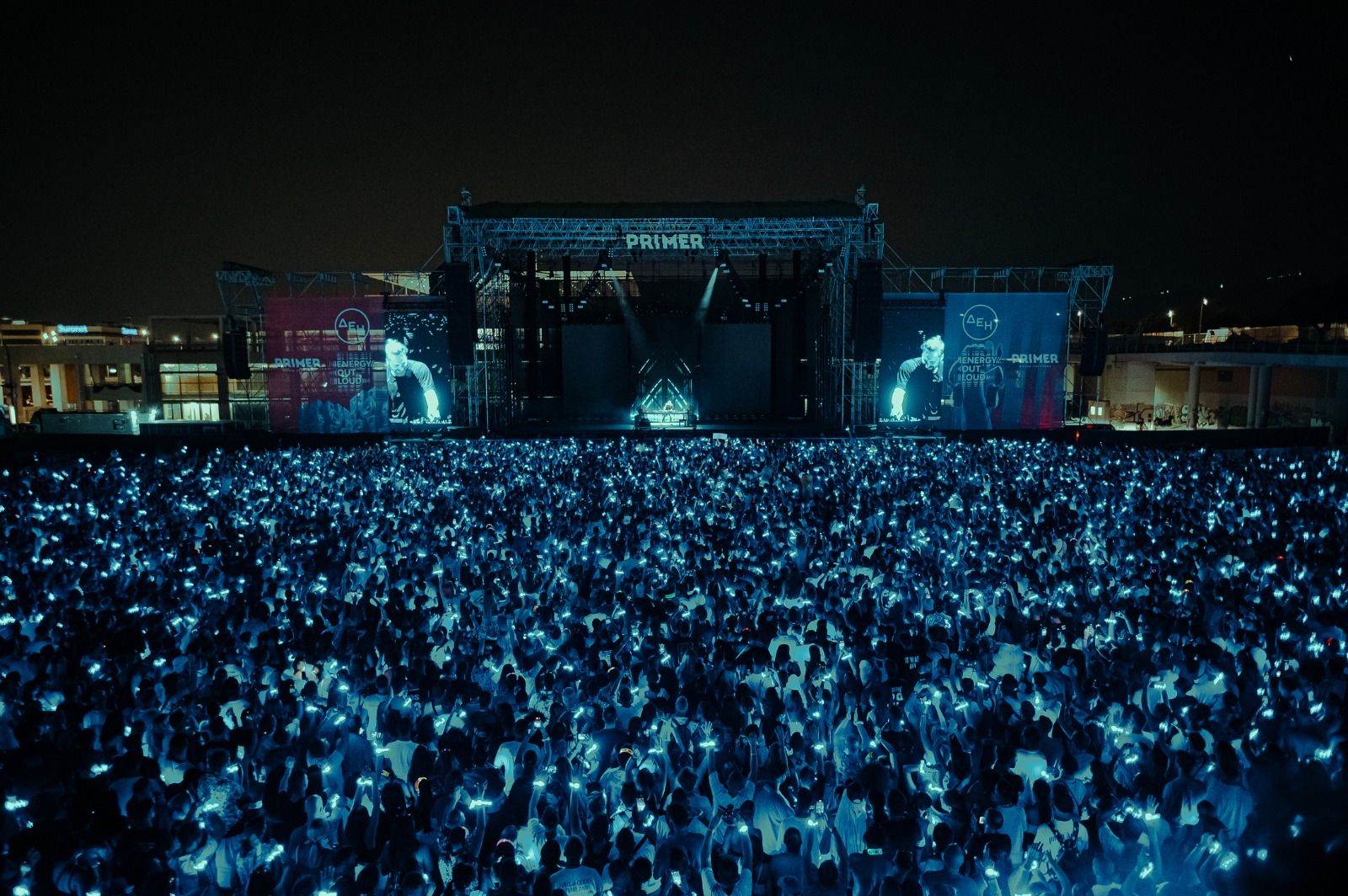
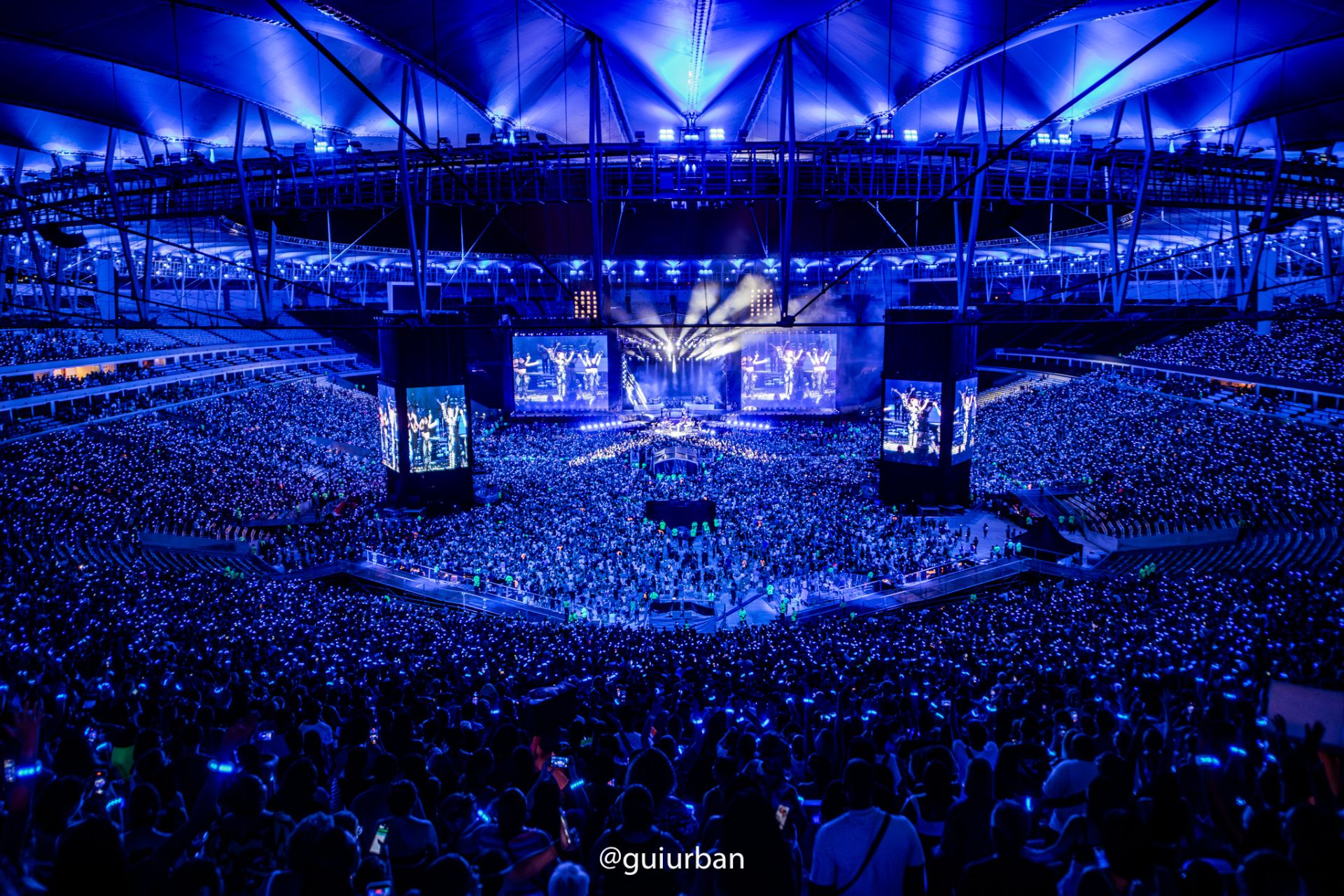
This technology is no longer confined to music concerts. It has become a cornerstone of corporate event activations, turning product launches for brands like Samsung and Audi into unforgettable spectacles. At major sporting events for clients like Formula One, the Davis Cup, and the FIFA World Cup, it unifies tens of thousands of fans into a single, roaring entity. It elevates the energy at festivals like Greece’s PRIMER and transforms live television broadcasts, including shows like Beat The Chasers UK, into dazzling, camera-ready productions.
The goal of this technology is not just to create a visual spectacle, but to foster a deeper sense of connection and shared experience. It turns a gathering of strangers into a unified community, bound by a single, synchronized moment in time.
From the first concerts by African superstar Wizkid to sell out London’s O2 Arena, to Maluma’s historic hometown show in Medellín, wearable LED technology has proven its power to amplify emotion and create iconic moments. This is the new frontier of LED crowd experiences.
The Future of Participation: A More Connected Experience
The journey from a single lighter to a stadium of synchronized LED bands is a story about technology, but it’s also a story about human connection. The fundamental desire to be part of something larger than ourselves has not changed. What has changed are the tools we have to express it.
As we look to the future, this technology will continue to evolve. It will become more interactive, more personalized, and more seamlessly integrated into the event ecosystem. We are moving beyond simple light shows and into a world of data, safety, and enhanced audience engagement, creating experiences that are not only breathtaking but also smarter and more responsive. The canvas is no longer just the stage or even the crowd, but the entire event environment. The evolution continues, and the potential is limitless.