From Pixel to Panorama: The Modern Principles of Arena Lighting
Painting on an Architectural Scale
The first challenge and greatest opportunity in an arena or stadium is its sheer scale. This is not a theatre proscenium; it is a cavernous, three-dimensional space with its own architectural character. A modern lighting designer doesn’t just fight the darkness; they sculpt the void. The work is as much about architecture as it is about illumination, using light to shrink a 50,000-seat stadium to create a moment of intimate connection, or to explode the boundaries of the stage until it encompasses every person in the room.
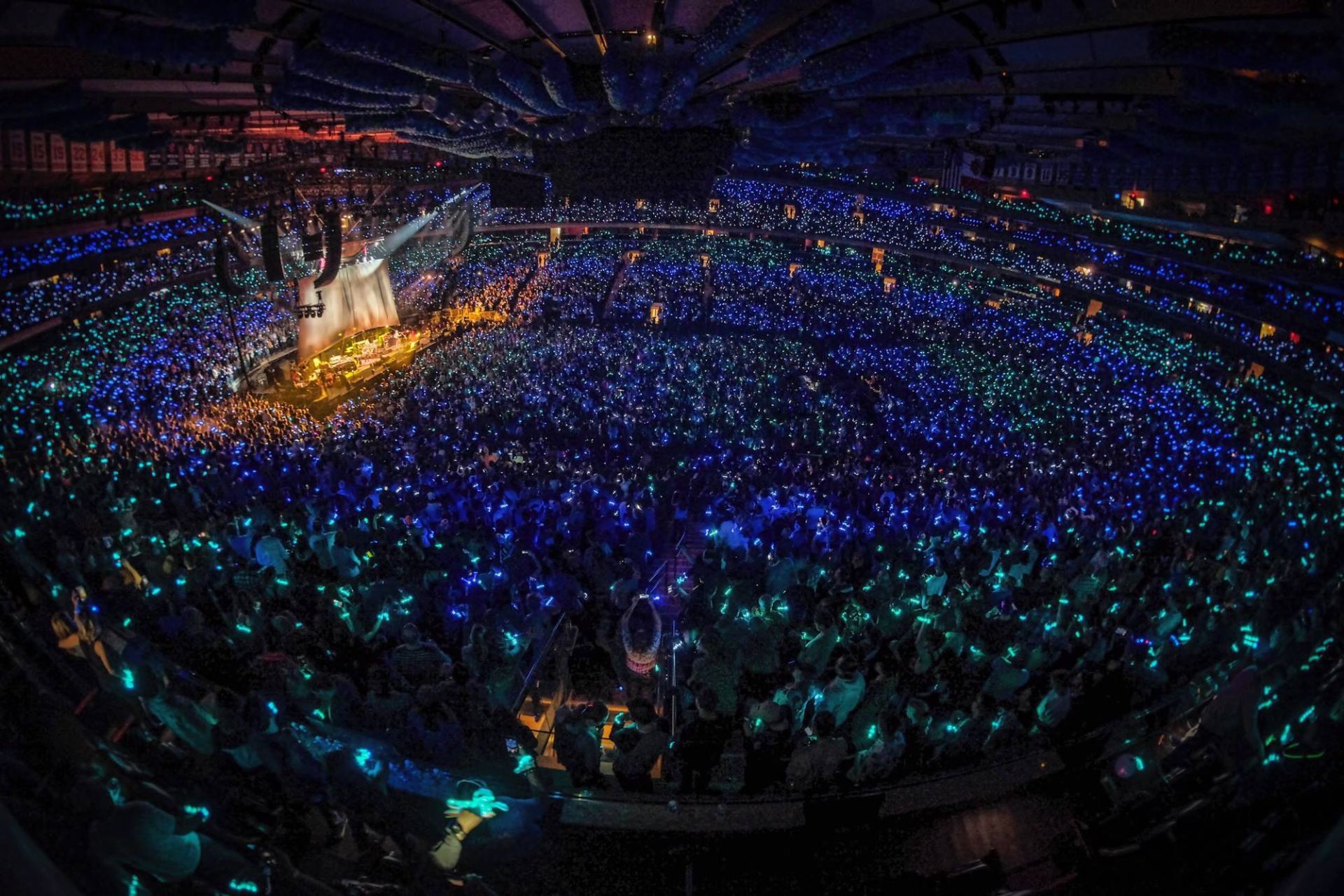
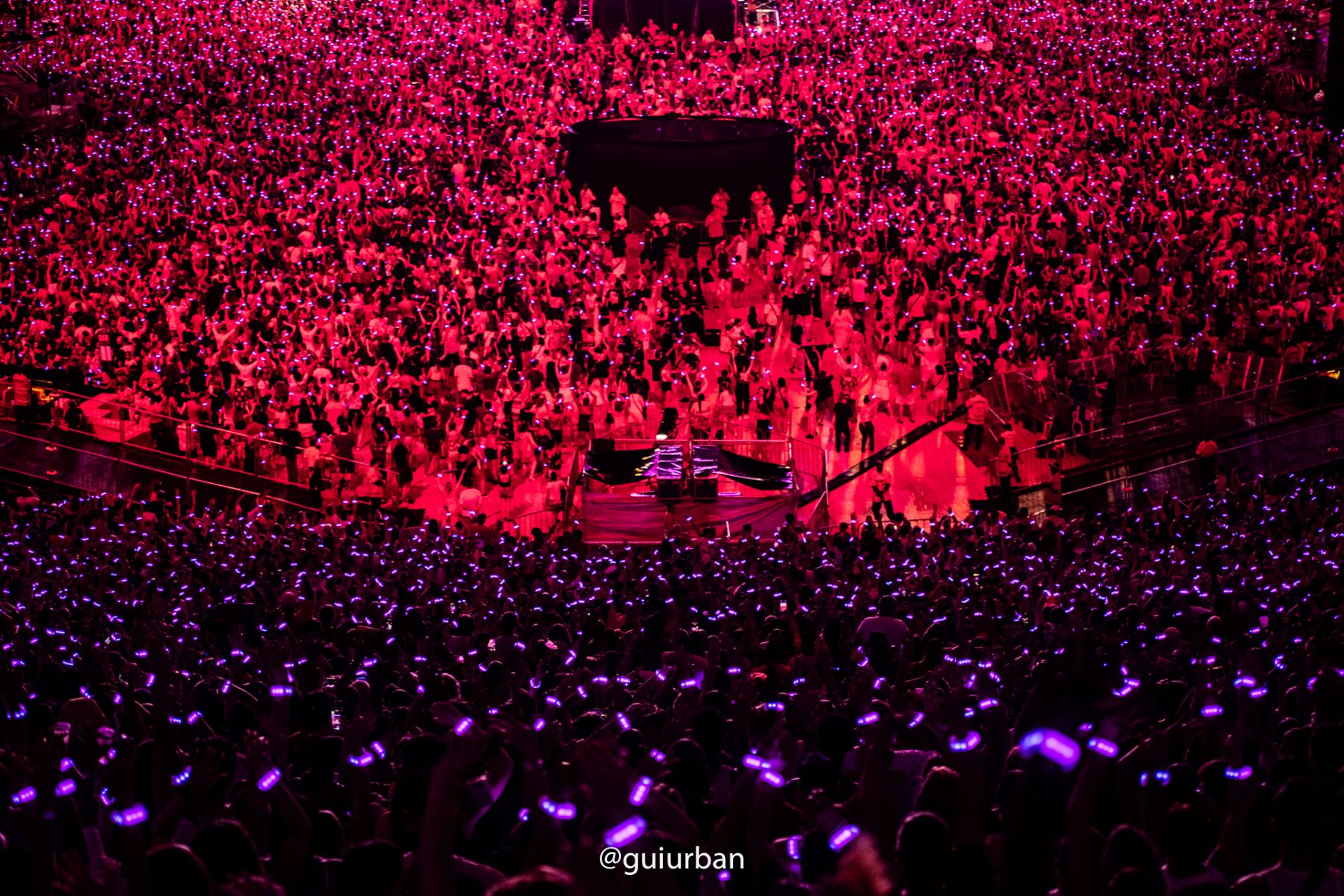
This is achieved through layering. The foundational layer remains the stage—the precise, focused lighting that sculpts the performers and sets the immediate scene. Above this, a layer of atmospheric effects, beams, and moving fixtures creates the broader environment. Then comes the vast canvas of video walls. But the final, most transformative layer is the audience itself. By extending the design into the crowd, we dissolve the boundary between the performance and the spectator. Suddenly, the entire volume of the arena becomes the stage. This is the core of creating true LED Crowd Experiences.
Choreographing the Emotional Arc
Great arena lighting is narrative. It tells a story, tracing the emotional arc of a two-hour performance from the opening blackout to the final, cathartic encore. Every cue, color choice, and movement is a word in the vocabulary of light, deployed to build tension, amplify joy, or underscore a moment of quiet vulnerability.
The dynamics of the show are written in light. Sharp, staccato strobes can match the furious energy of a drum solo, while slow, sweeping beams can give a ballad a sense of grandeur and movement. Color is a powerful psychological tool: the aggressive reds and oranges of a high-energy anthem stand in stark contrast to the introspective blues and purples of a softer song. This choreography is a delicate dance between the artist’s performance and the designer’s technical execution, creating a unified sensory experience.
At its best, lighting design is the unseen member of the band, playing the emotional subtext of the show. It anticipates the crescendo; it holds the pause.
The Audience as the Final Layer of Light
For decades, the audience was a passive recipient of the light show. Today, they are an active, integral part of it. This shift represents the single most significant evolution in large-scale event production, turning tens of thousands of individuals into a single, cohesive canvas. This is the world that Xylobands pioneered, born from an idea at Glastonbury Festival to turn the crowd into a sea of synchronized light.
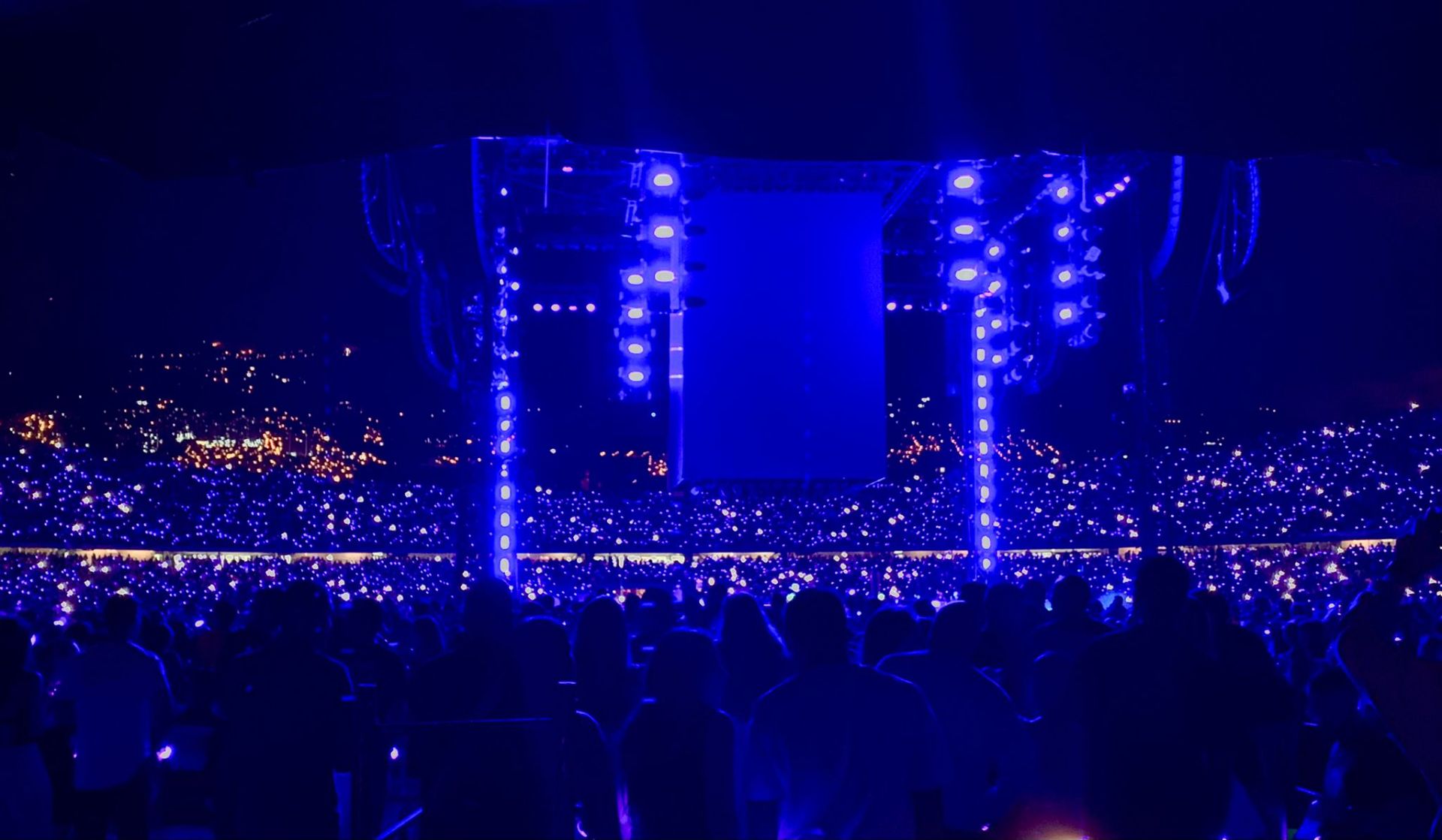
Through Wearable LED Technology like our Xylo Bands and LED Lanyards, every audience member becomes a pixel in a panoramic display. This isn’t a gimmick; it’s a fundamental tool for immersion. When 54,000 fans at Maluma’s landmark Medellín concert light up in perfect sync, the energy is electric. It’s a visual confirmation of a shared experience, breaking down the separation between artist and fan. We’ve seen this transform shows from Wizkid’s historic, sold-out run at The O2 to massive electronic music gatherings like PRIMER Music Festival.
Using Radio Controlled LED Wristbands, designers can execute incredibly complex effects. They can send waves of color rolling from the front row to the back, create shimmering, randomized patterns, or plunge the entire stadium into a breathtaking, unified blackout. It’s a level of creative control that was unimaginable just fifteen years ago.
Unifying the Technological Ecosystem
A modern arena tour is a marvel of technical integration. Lighting (controlled via DMX), video, pyrotechnics, and audio all exist within a complex, interconnected ecosystem. Adding Immersive Event Technology like Concert Wristbands into this mix requires flawless integration.
The system controlling the wearable lighting must speak the same language as the master show-control desk. This ensures that a cue to fire a bank of moving lights on stage can simultaneously trigger a corresponding pulse of light across the 50,000 LED Bracelets in the audience. For the F1 75th Anniversary event, for instance, custom pendants were distributed based on seating sections, allowing our team to create targeted, dynamic effects that were woven directly into the broadcast show’s creative fabric. This seamless unification of disparate technologies is where technical precision meets artistic expression.
Beyond Illumination: Designing Shared Experiences
Ultimately, the principles of modern arena lighting design are about much more than visibility. They are about crafting a collective journey. It’s a discipline that demands an understanding of scale, a mastery of narrative, and the technical skill to integrate once-disparate technologies into a single, expressive instrument.
By treating the entire arena as a canvas and inviting the audience to become part of the spectacle, we are creating more than just a light show. We are engineering moments of profound connection and collective effervescence. The future of Immersive Events lies in this direction—blurring the lines between performer, environment, and audience until all become one. From the first Coldplay Xylo Band to the latest complex deployments, the goal remains the same: to create a light that doesn’t just illuminate, but unites.