From Static to Spectrum: The Technological Evolution of the Festival Crowd
The Unlit Stage
For decades, the contract between a festival performer and their audience was simple and understood. The artist provided the spectacle; the crowd provided the applause. Energy flowed in one direction: from the stage, across a physical distance, and into a largely passive sea of faces. The audience’s role was to receive, to witness. Their collective participation was measured in analog terms—the volume of a cheer, the forest of hands in the air, the flicker of lighters during a ballad.
This dynamic, while powerful, was fundamentally one-way. The crowd was an object to be played *to*, not an instrument to be played *with*. Production design focused exclusively on the stage, building worlds of light and sound that audiences could look at. The vast human landscape of the crowd itself remained, for the most part, in the dark. But as technology began to reshape every other aspect of our lives, it was only a matter of time before it came for the crowd.
The Digital Interruption
The first wave of technology to permeate the audience was the smartphone. Suddenly, every fan had a camera, a flashlight, and a portal to the wider world in their pocket. For a time, the sea of lighters was replaced by a sea of screens. While this created a new kind of visual, it also introduced a layer of distraction. It pulled individual focus out of the shared moment and into a digital one. Instead of a unified body, the crowd became a collection of individual broadcasters, each documenting their own experience rather than sinking into a collective one.
For event producers and artists, this presented a new challenge: how to reclaim that unified focus? How to use technology not to isolate, but to connect? The answer lay not in competing with the screen in every pocket, but in creating a spectacle so encompassing that people would willingly put their phones away to be part of it.
The Dawn of the Immersive Crowd
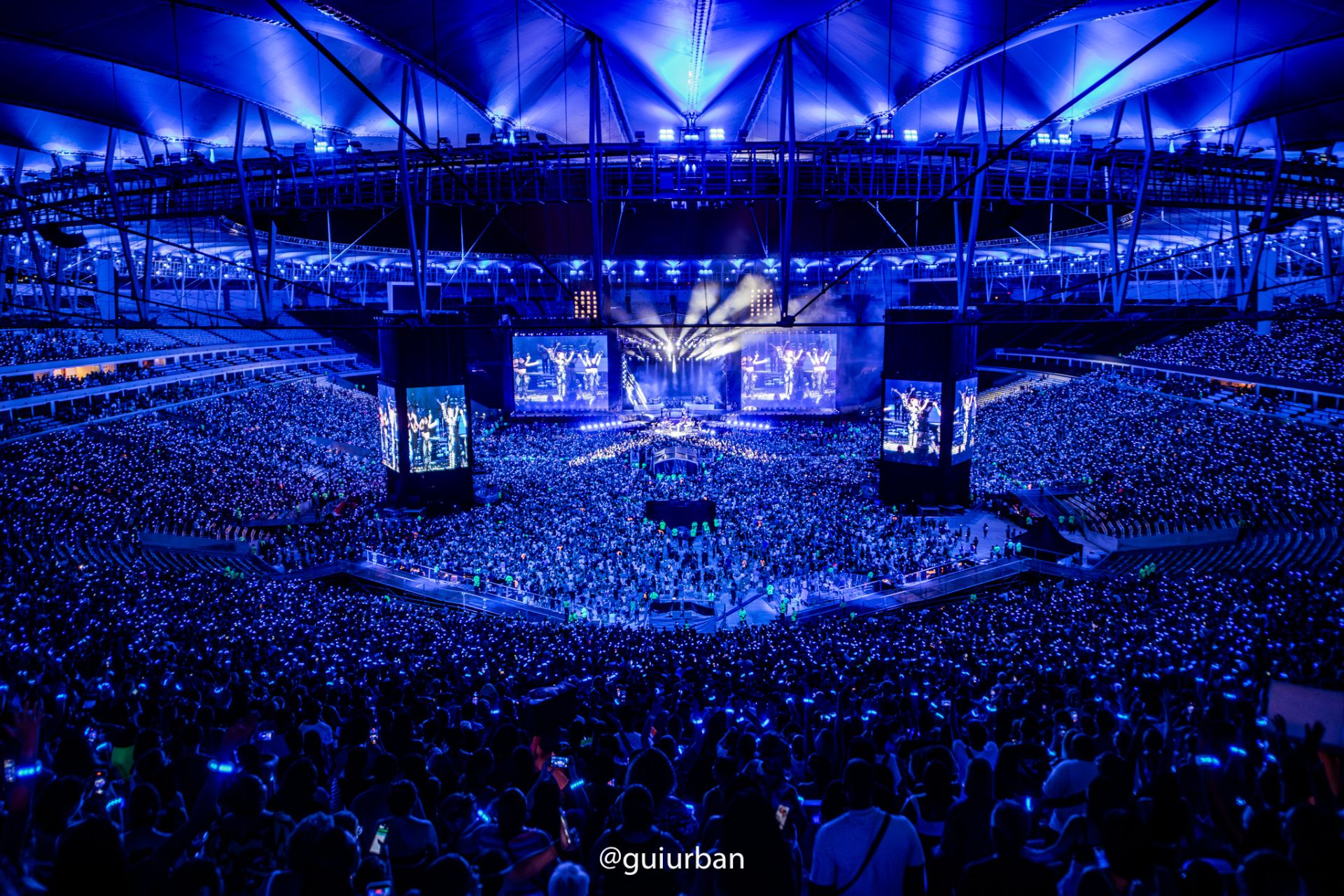
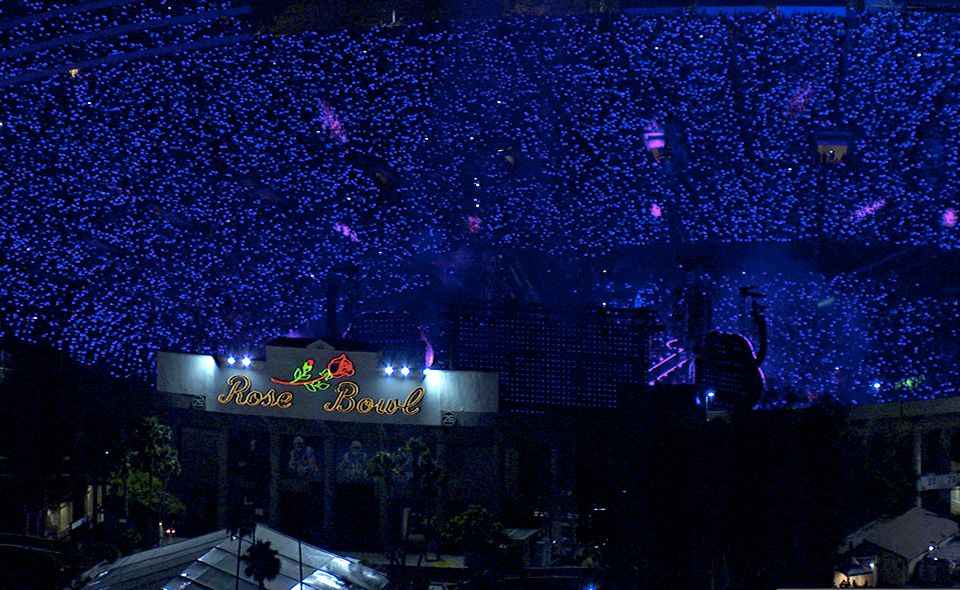
The inflection point arrived with a simple, powerful idea. What if every single person in the audience could become a pixel in a vast, living canvas of light? This was the vision that led to the creation of Xylobands, famously adopted by Coldplay on their Mylo Xyloto tour. The concept was revolutionary: centrally controlled, Radio Controlled LED Wristbands that could synchronize tens of thousands of individuals into a single, cohesive light show. The audience was no longer just watching the spectacle; they *were* the spectacle.
This marked a paradigm shift in live production. The focus exploded outwards from the stage to encompass the entire venue. With Wearable LED Technology, designers could now paint with a palette of human emotion, turning entire stadiums into pulsing, breathing entities. The technology offered a solution to the fragmentation of the smartphone era, unifying the crowd through a shared, technologically-mediated sensory experience. These LED Crowd Experiences created a powerful sense of belonging and collective effervescence, the tangible feeling of being part of something larger than oneself.
The New Production Logic
This evolution demanded a new logic from festival producers. The audience became a core component of the creative design, an instrument to be played in concert with the music and staging. A beat drop could trigger a wave of color across 50,000 people. A chorus could make a stadium sparkle. The creative possibilities were, and are, limitless.
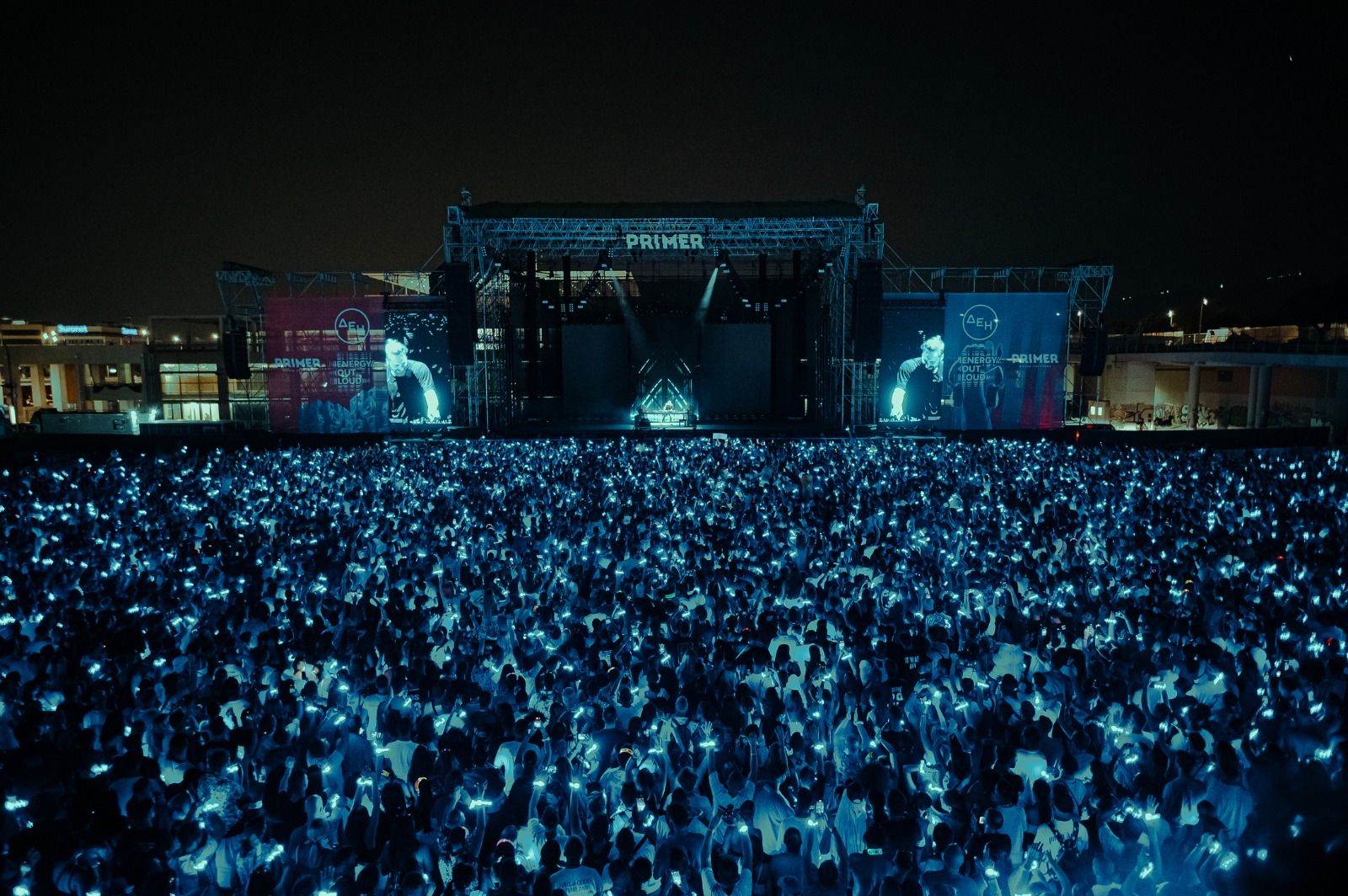
Modern music gatherings like Greece’s PRIMER Music Festival have embraced this new potential. By deploying Festival Wristbands, they add a stunning layer of immersive visual excitement, lighting up thousands of fans in perfect sync with the high-energy electronic beats. It’s a tool that enhances the sense of collective energy, making the audience an active participant in the peak moments of the night. This is the new frontier of Immersive Event Technology—choreographing the crowd itself.
Beyond the Festival Gates
The power of turning spectators into a unified spectacle extends far beyond music. It’s a strategy being deployed to elevate drama and engagement in global sporting events and create unforgettable Corporate Event Activations.
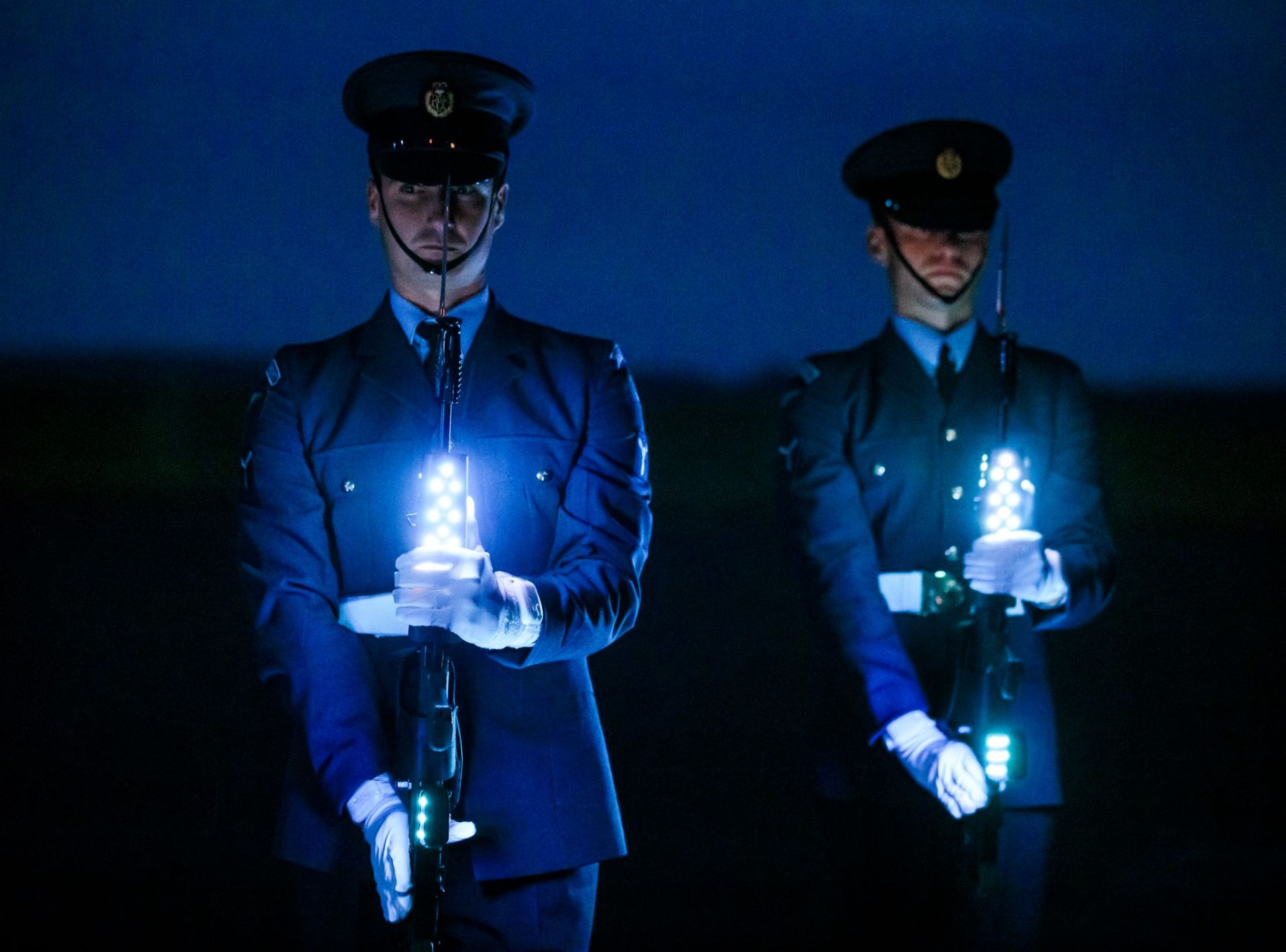
At the recent 75th-anniversary celebration for Formula One, for example, the technology was adapted to create a more nuanced and targeted experience. Instead of simple wristbands, guests received custom LED Lanyards branded for their specific team or hospitality level. This allowed show designers to segment the audience, creating dynamic visual effects that pitted team colors against each other or highlighted specific sections of the arena. The crowd became a living, breathing infographic, a testament to the versatility of LED Event Technology.
From custom pendants at a sporting anniversary to unifying a global music tour, the principle is the same: the audience is the most powerful asset in the room. Giving them a role to play—a way to be seen and to participate in the spectacle—fundamentally changes the emotional calculus of an event.
The Future is a Shared Spectrum
We’ve traveled from a static, one-way broadcast to a dynamic, two-way dialogue. The evolution of festival crowd participation shows a clear trajectory: away from passive observation and toward active, immersive inclusion. The modern crowd is a sentient sea, a spectrum of light and energy that is integral to the show itself.
For producers, designers, and artists, the challenge and opportunity is no longer just to build a world on stage. It is to architect moments of mass unity, to design experiences that are shared, not just witnessed. As Immersive Events continue to evolve, the distinction between the performer and the performed-for will continue to blur, creating a richer, more connected future for live experiences everywhere.