The Unfolding Audience: A Brief History of Participation Tech
From Collective Voice to Controlled Light
The desire for an audience to be more than a passive observer is as old as performance itself. In the amphitheatres of ancient Greece, the chorus was a bridge between the actors and the audience, their odes reflecting the collective emotion of the polis. The audience responded in unison—a roar of approval, a shared gasp of shock. This was the original form of mass participation: the human voice, amplified by thousands.
For centuries, this remained the primary tool. Applause, chants, and singalongs were the metrics of engagement. The first real technological shift arrived with something far simpler than a circuit board: the humble flame. The sight of lighters held aloft during a ballad, a trend that took hold in the late 1960s, was the first time an audience could create a unified, large-scale visual effect. It was organic, emotional, and deeply human—a thousand tiny stars in the darkness. But it was also analogue, uncontrolled, and left to the whim of the individual.
The Digital Dawn: From Phones to Programmed Pixels
The mobile phone was the next evolutionary leap. Its backlit screen replaced the open flame, creating a safer, more modern version of the lighter-in-the-air moment. Yet, it was still a collection of individual actions, not a cohesive, directed spectacle. The true revolution began when event producers sought to harness these individual points of light into a single, controllable canvas.
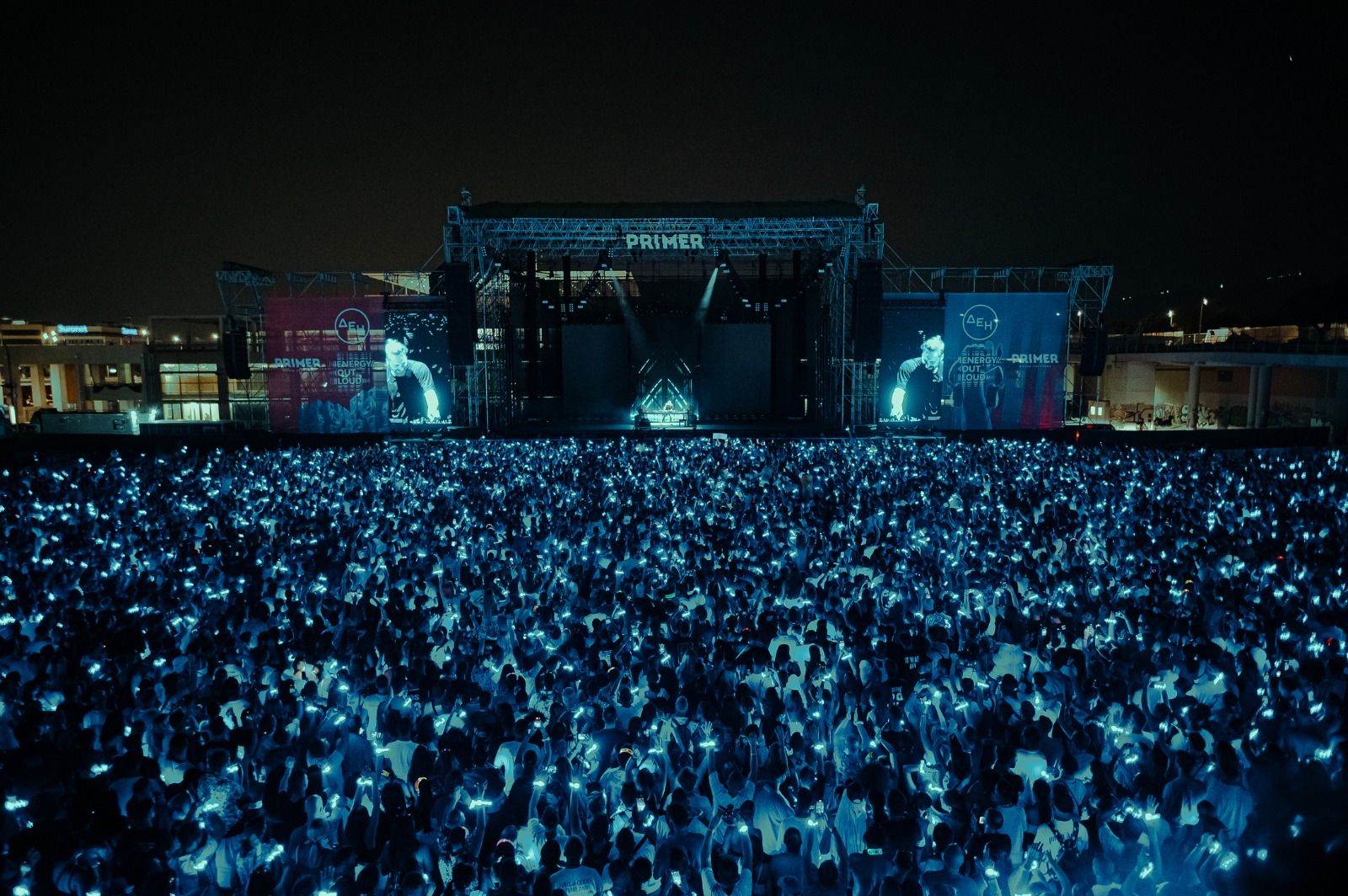
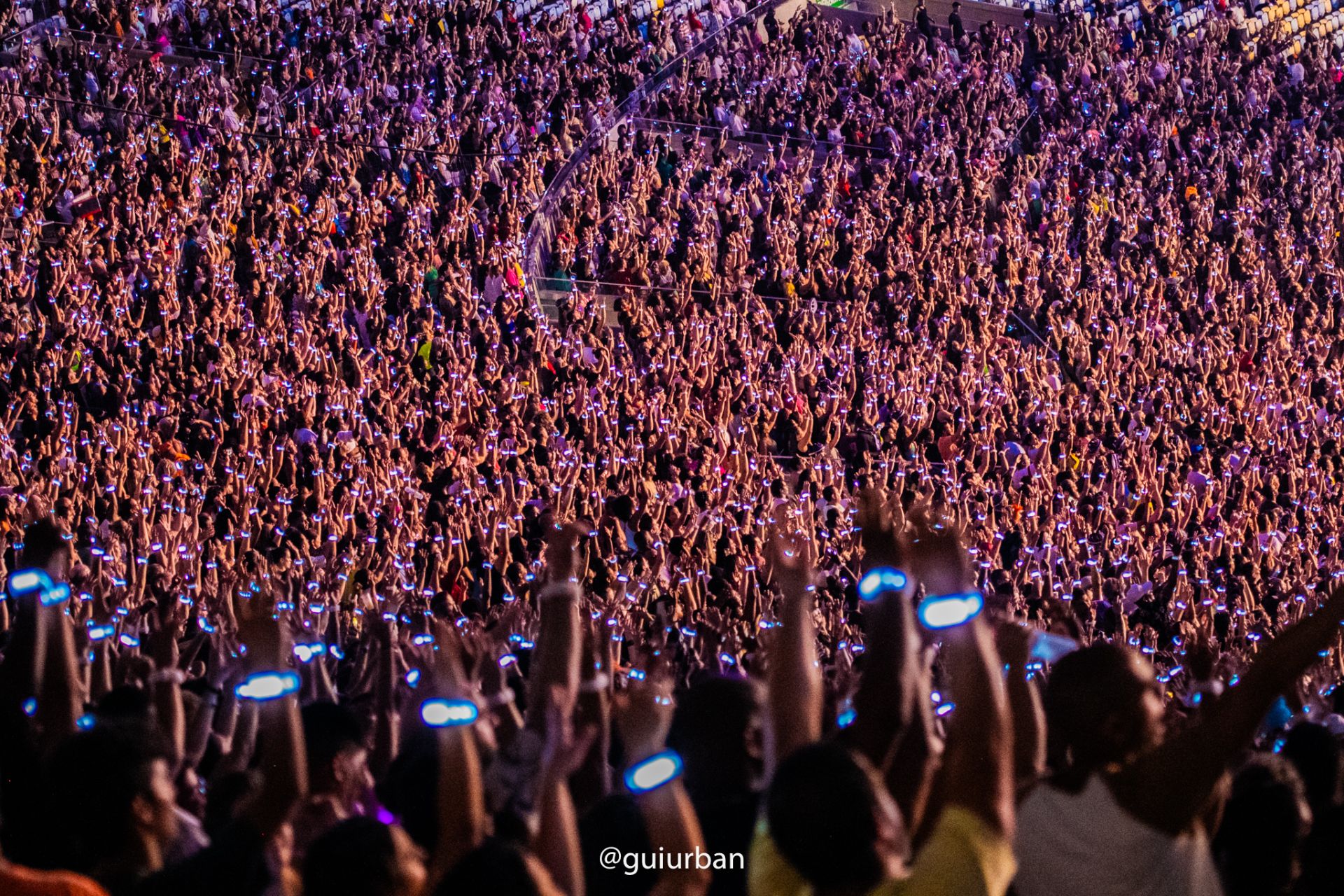
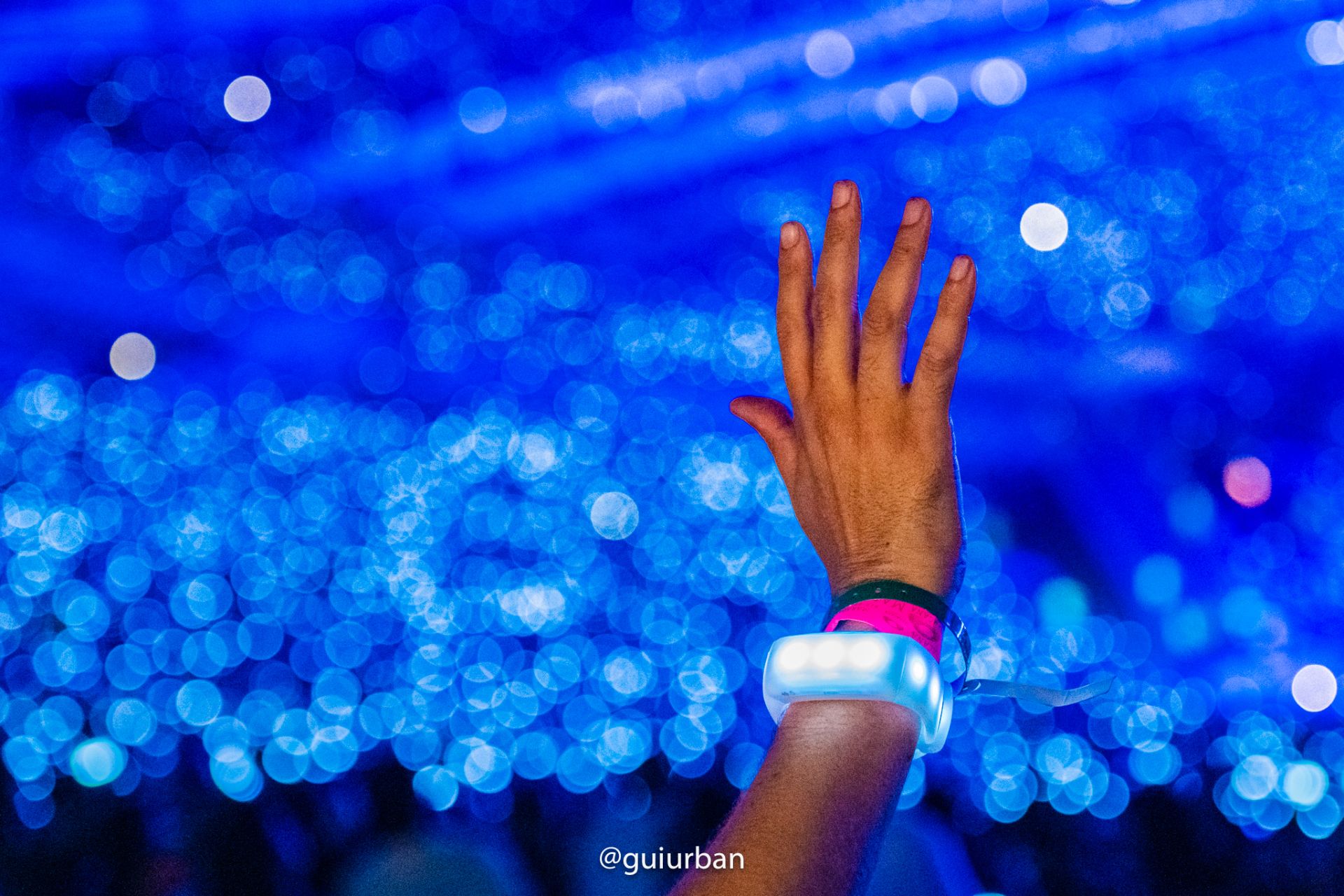
This is where the story of Xylobands begins. Inspired by a lyric at a Coldplay concert, our founder Jason Regler envisioned turning every audience member into a pixel in a giant, living light show. The idea was to take the desire for participation and give it a central nervous system. The result was the radio controlled LED wristband—a device that could be synchronised to music, lighting cues, and video, transforming the entire crowd into an immersive, pulsating entity.
The global debut on Coldplay’s 2012 Mylo Xyloto tour was a watershed moment. Suddenly, the audience wasn’t just watching the show; they were the show. The Coldplay Xylobands phenomenon demonstrated a new possibility for immersive events, where the boundary between artist and fan dissolved into a shared, synchronised experience.
The Modern Toolkit: RF, DMX, and the Immersive Canvas
Today, the technology has grown in sophistication, creating a rich palette for live experience designers. Modern LED crowd experiences are powered by a robust combination of technologies:
- Radio Frequency (RF): The workhorse of large-scale events, RF allows a single transmitter to send signals to tens of thousands of devices—from LED bracelets and festival wristbands to LED lanyards—over vast distances, like those seen at Glastonbury or filling the O2 Arena for Wizkid’s historic sell-out run.
- DMX: Traditionally the language of stage lighting, DMX offers granular, localised control. In a theatre or broadcast studio setting, like for ITV’s Beat The Chasers, DMX can be used to control specific zones of wristbands with zero latency, integrating the audience lighting with complex broadcast cues.
- Infrared (IR): For the highest level of precision, IR transmitters can target individual seats or small sections, allowing for intricate, pixel-mapped effects. Imagine spelling out a word or creating a wave of colour across a specific stadium block during a halftime show.
This multi-layered approach allows for incredible creative flexibility. We’ve deployed this tech not just for music tours, but for major sporting events like the Davis Cup and Formula One, where custom pendants helped celebrate the sport’s 75th anniversary. The goal is always the same: to create a powerful sense of unity and turn the event into a lasting memory.
Beyond the Wrist: The Future of Audience Interaction
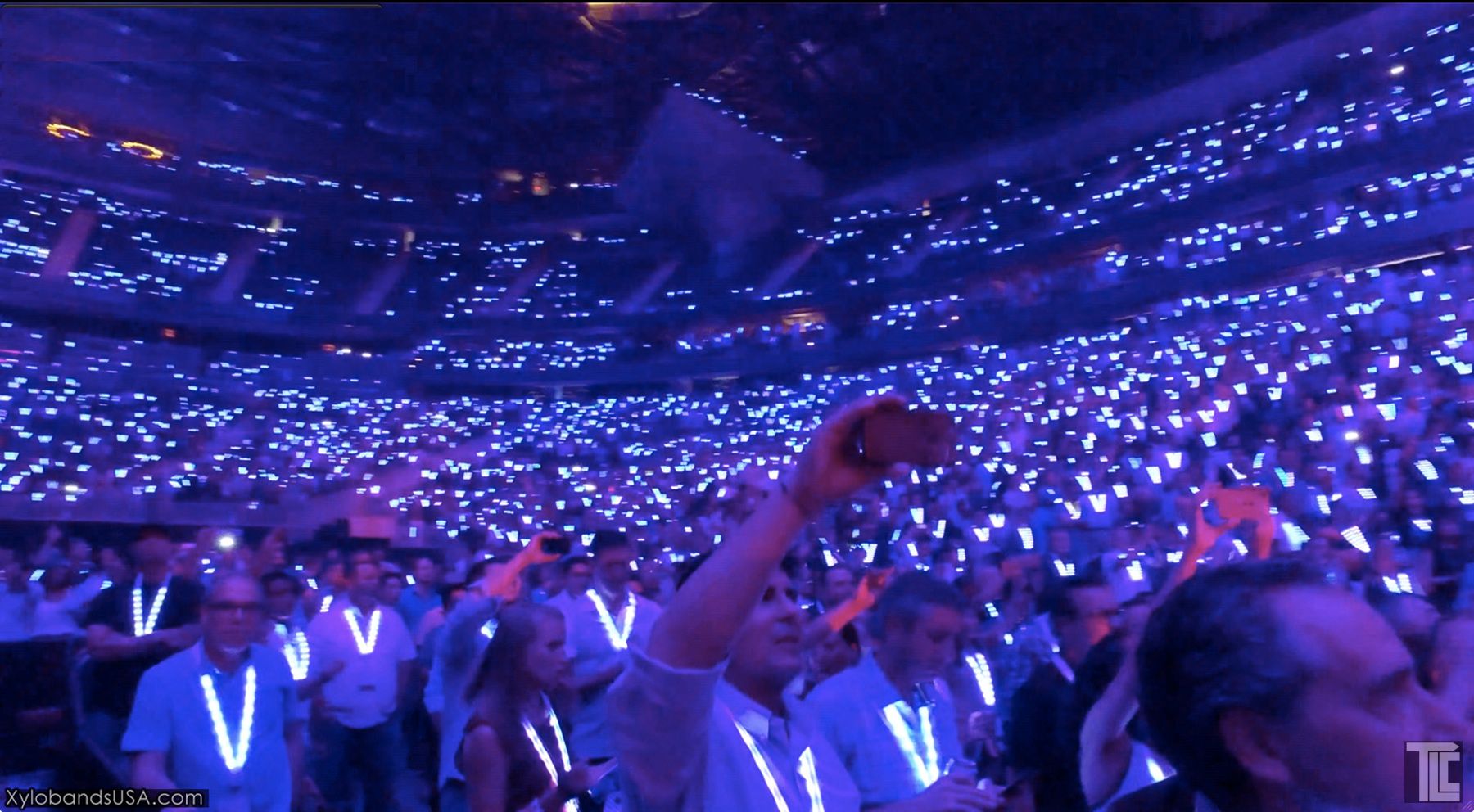
The evolution doesn’t stop at wristbands. The same core technology is being embedded into a wider array of objects, expanding the creative canvas. We now see LED Orbs, lanyards, and other wearable LED technology transforming corporate events from passive presentations into dynamic corporate event activations. Companies like Samsung and Google have used this technology to make their brand messages more tangible and memorable.
The next frontier is deeper integration and data-driven interaction. Imagine concert wristbands that not only receive signals but send them back, providing real-time feedback on crowd energy and movement. Picture immersive event technology that reacts to the volume of the crowd’s singing or the intensity of their applause. This two-way communication will allow for experiences that are not just pre-programmed but are genuinely co-created in real time by the audience itself.
From the roar of a Greek chorus to a stadium lit by millions of synchronised LEDs, the journey of audience participation has been a story of technology amplifying a fundamental human need: the need to belong. As we continue to innovate, the focus remains on deepening that connection, making every person in the crowd feel like an essential part of the spectacle. The audience is no longer just an audience; it’s the medium.