The Unseen Signal: How RF, DMX, and Infrared Tech Power Immersive LED Experiences
The Unseen Signal: How RF, DMX, and Infrared Tech Power Immersive LED Experiences
In the split second that a stadium erupts in a synchronised wave of light, or a festival crowd pulses as one with the beat, a complex technical orchestration is at play. It feels like magic, but it’s the product of robust, invisible technology. At Xylobands, we’ve spent over a decade perfecting this interplay of light and energy, turning millions of individual audience members into a single, immersive canvas. The core of this revolution? A mastery of Radio Frequency (RF), DMX, and Infrared (IR) technologies.
These three methods form the backbone of modern LED crowd experiences. Each has its own strengths, and understanding them reveals the deep engineering and creative thought that goes into producing a seamless, large-scale spectacle. Whether it’s for a global music tour, a high-stakes corporate launch, or a live television broadcast, the choice of technology is fundamental to the creative vision.
The Workhorse: Radio Frequency (RF) Control
Radio Frequency is the most common and versatile technology for controlling LED wristbands, especially in large and outdoor venues. Think of it as a sophisticated, one-way radio broadcast. A central transmitter sends out coded signals over a specific radio frequency, and each wristband acts as a receiver, programmed to respond to these signals instantly.
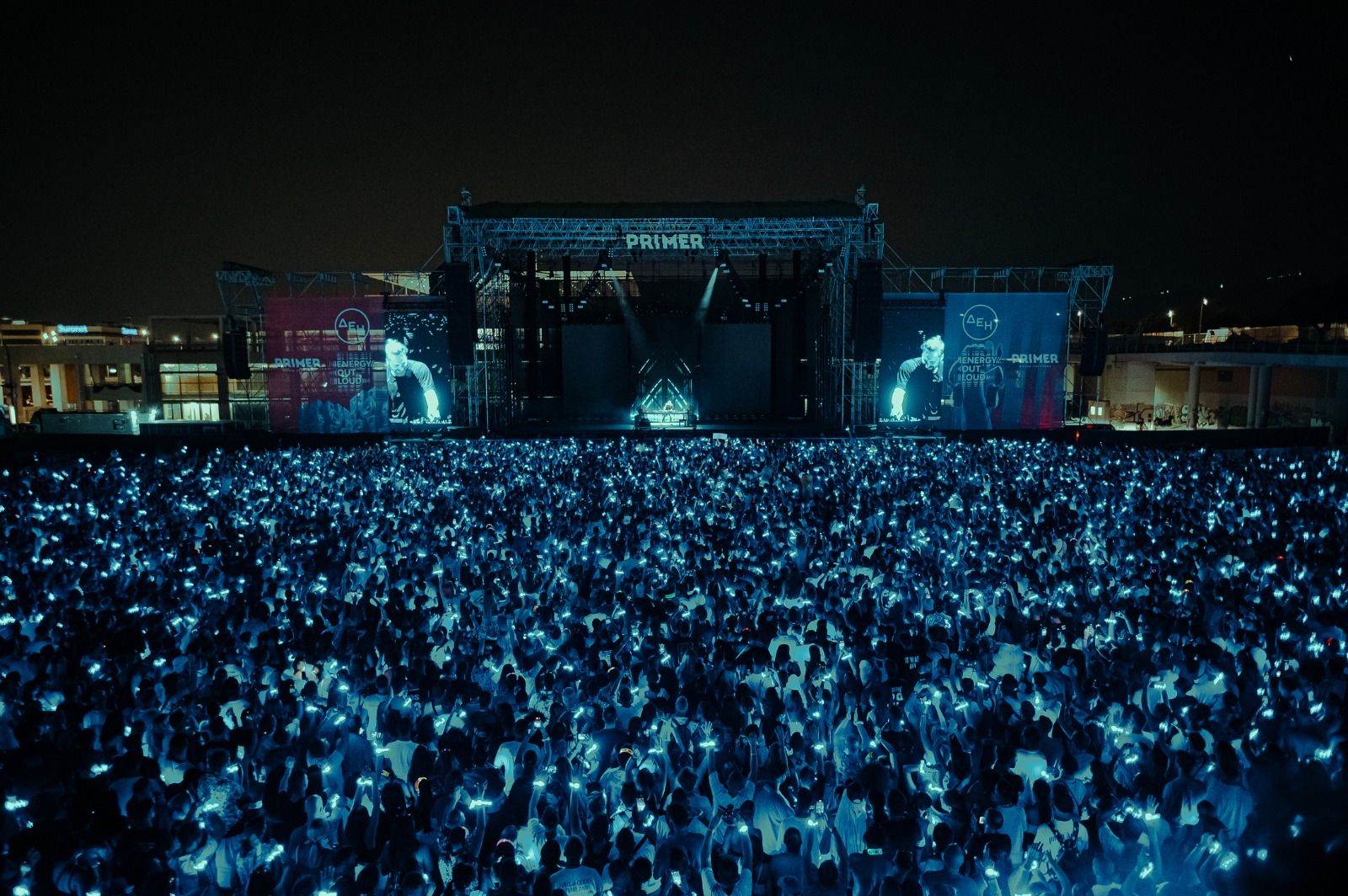
Our proprietary RF system allows for control over vast areas, making it ideal for arenas, stadiums, and even sprawling festival grounds like those at Greece's PRIMER Music Festival. The system operates on a powerful transmitter that can send signals up to a kilometre in ideal conditions. This signal carries instructions for the LED bands—telling them which colour to display, when to flash, when to fade, and how to pulse.
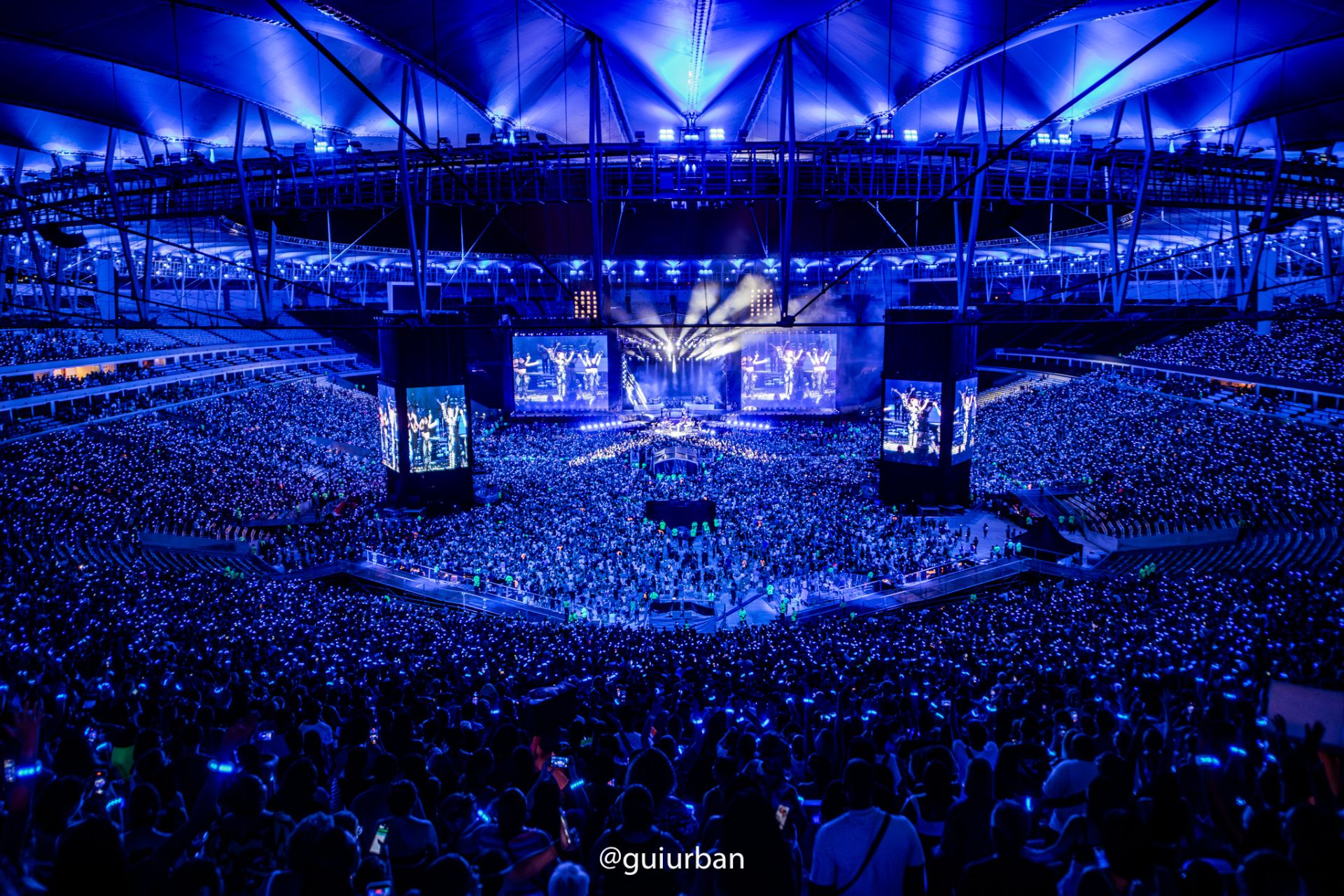
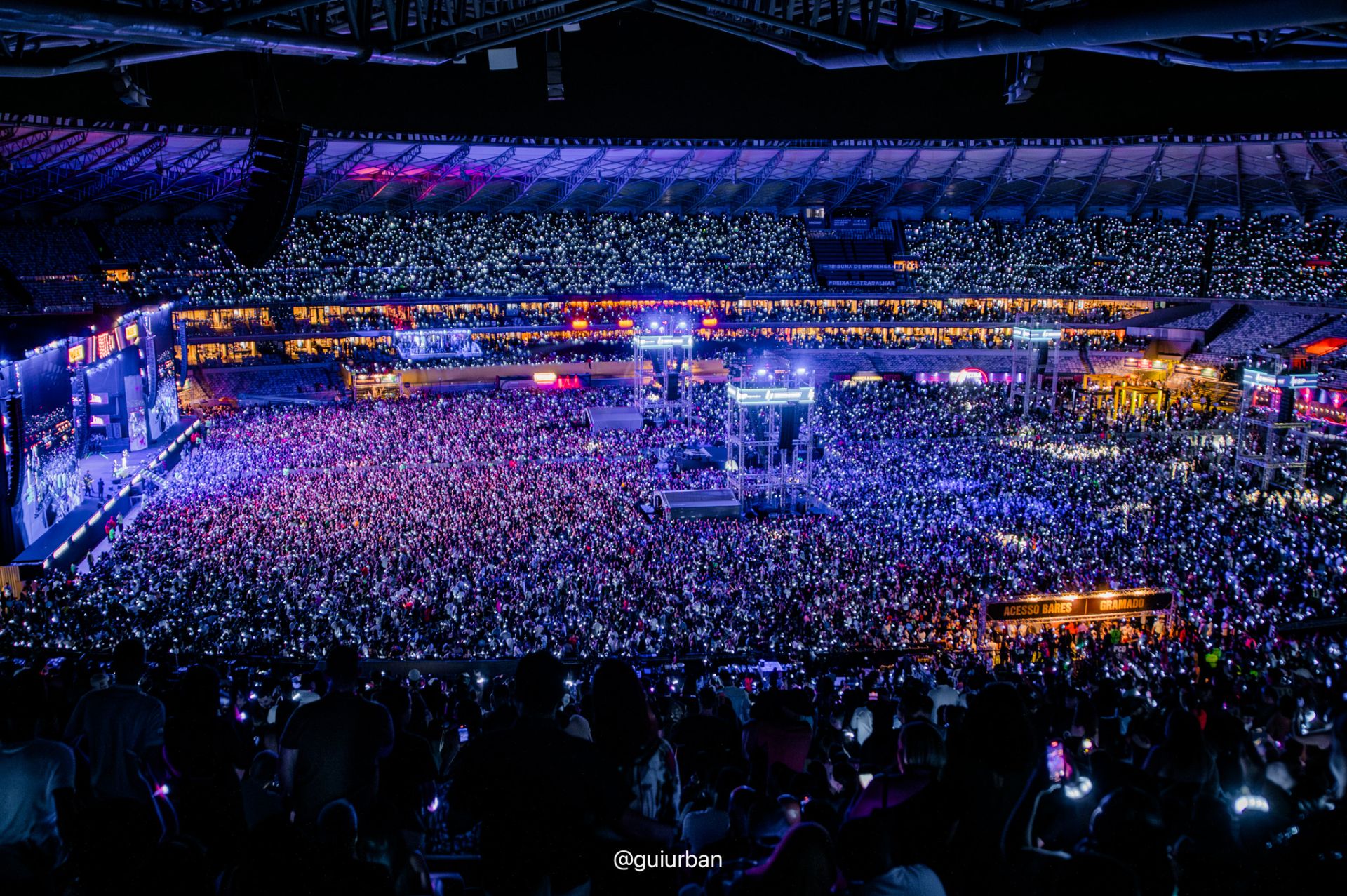
The true power of RF lies in its ability to segment the audience. By programming wristbands into different groups or zones, a lighting designer can create stunningly complex effects. Imagine one side of a stadium glowing in one team’s colour and the other side in their rival’s, as seen at major sporting events like the Davis Cup. Or picture intricate patterns sweeping across a crowd of 54,000 at a Maluma concert. This zoning is pre-programmed, allowing for dynamic, real-time control that responds to the artist’s performance or the flow of the event.
“From the initial spark of an idea at Glastonbury, the goal was always to unify the crowd. RF technology was the key that unlocked that vision on a mass scale, first with the iconic Coldplay Xylobands and now for millions worldwide.”
The Precision Tool: DMX Integration
While RF is the broad-strokes powerhouse, DMX (Digital Multiplex) is the fine-detail artist’s brush. DMX is the industry-standard protocol for controlling professional stage lighting, from moving heads and lasers to smoke machines. By integrating our wristband control system with DMX, we allow the LED wearables to become a seamless extension of the main stage lighting design.
This is achieved through a DMX-to-RF interface. The lighting director at the main console can send DMX commands that our system translates into RF signals for the wristbands. The result is flawless synchronisation. When a lighting cue turns the stage deep blue, the entire audience can be plunged into the exact same shade at the exact same moment. This level of integration is critical for creating a truly holistic and immersive event technology experience, where the boundary between the stage and the crowd disappears.
This precision is especially vital for live broadcast events, where every visual element is scrutinised on camera. For the F1 75th Anniversary show at The O2 Arena, we used this method to ensure the 13,000 custom LED Lanyards (our Xylo Pendants) were perfectly in sync with the broadcast lighting cues, creating a spectacular visual for both the live and at-home audiences.
The Close-Range Trigger: Infrared (IR) Technology
If RF covers the macro-experience, Infrared (IR) is all about the micro-moment. IR technology uses transmitters that emit beams of invisible light to trigger wristbands within a specific, close-range area. Unlike the wide broadcast of RF, IR is highly directional and location-specific.
This makes it perfect for creating interactive zones and surprise-and-delight moments within an event. For example, as guests walk through a particular entryway at a corporate event, their wristbands can light up in a specific welcome colour. At a festival, walking past a sponsor’s activation could trigger a unique light pattern, drawing attention and creating a memorable brand interaction. We can even install small IR transmitters under seats in a television studio, as seen on shows like ITV’s Beat The Chasers, to light up specific sections or individuals based on the action in the show.
This technology adds a layer of personalisation and discovery to an event. It gamifies the space, encouraging movement and exploration, and provides a powerful tool for corporate event activations where targeted engagement is key.
The Fusion of Technologies
The true art of creating modern LED experiences lies not in choosing one technology, but in skilfully blending all three. For a large-scale event, it’s common to use a master RF system for the main crowd-wide effects, integrated with the show’s DMX board for perfect musical synchronisation. Layered on top of that, IR transmitters can be strategically placed around the venue to create unique, location-based interactions.
This multi-layered approach provides lighting designers with an unprecedented creative palette. They can command a stadium-wide wave of light one moment, a pixel-perfect chase effect the next, and a subtle, localised glow just after. It is this technological flexibility that transforms a simple concert wristband into a powerful tool for storytelling and emotional connection.
From the roaring stadiums of Wizkid and Coldplay to the focused energy of a corporate conference, the invisible signals of RF, DMX, and IR are constantly at work, forging moments of collective joy and wonder. They are the silent architects of the modern live experience, proving that the most profound connections are often powered by signals we cannot see.