The Human Algorithm: Decoding the Psychology of Audience Engagement
The Architecture of Connection: Beyond Spectacle to Psychology
In the grand theatre of live events, from stadium concerts to global corporate activations, the ultimate ambition is not merely to be seen, but to be felt. We build worlds of light, sound, and story, yet the most potent force in the room is not the technology on stage, but the intricate human psychology within the audience. To truly master audience engagement is to understand the invisible threads of connection, conformity, and catharsis that weave thousands of individuals into a single, sentient entity. It’s a discipline that moves beyond logistics and into the very heart of human behaviour.
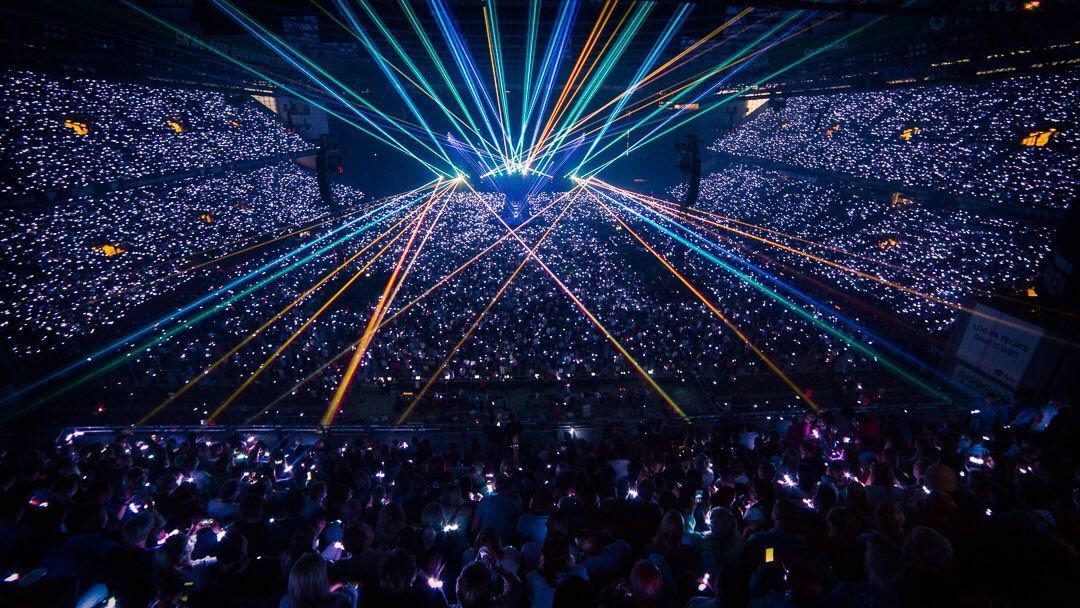
At its core, a large-scale event is a complex psychological experiment. The audience is not a passive recipient of a performance; they are an active participant in a shared emotional journey. The roar of a festival crowd, the unified gasp at a stunning reveal, the sea of lights from thousands of LED bands—these are not just reactions. They are manifestations of deep-seated psychological principles: social proof, collective effervescence, and the primal need for belonging.
The Unity Principle: Engineering a Shared Identity
One of the most powerful psychological levers in a live setting is the creation of a temporary, shared identity. When an individual enters a venue, they subconsciously seek cues that they are part of a group. This is where immersive event technology plays a critical role, not as a gimmick, but as a tool for unification.
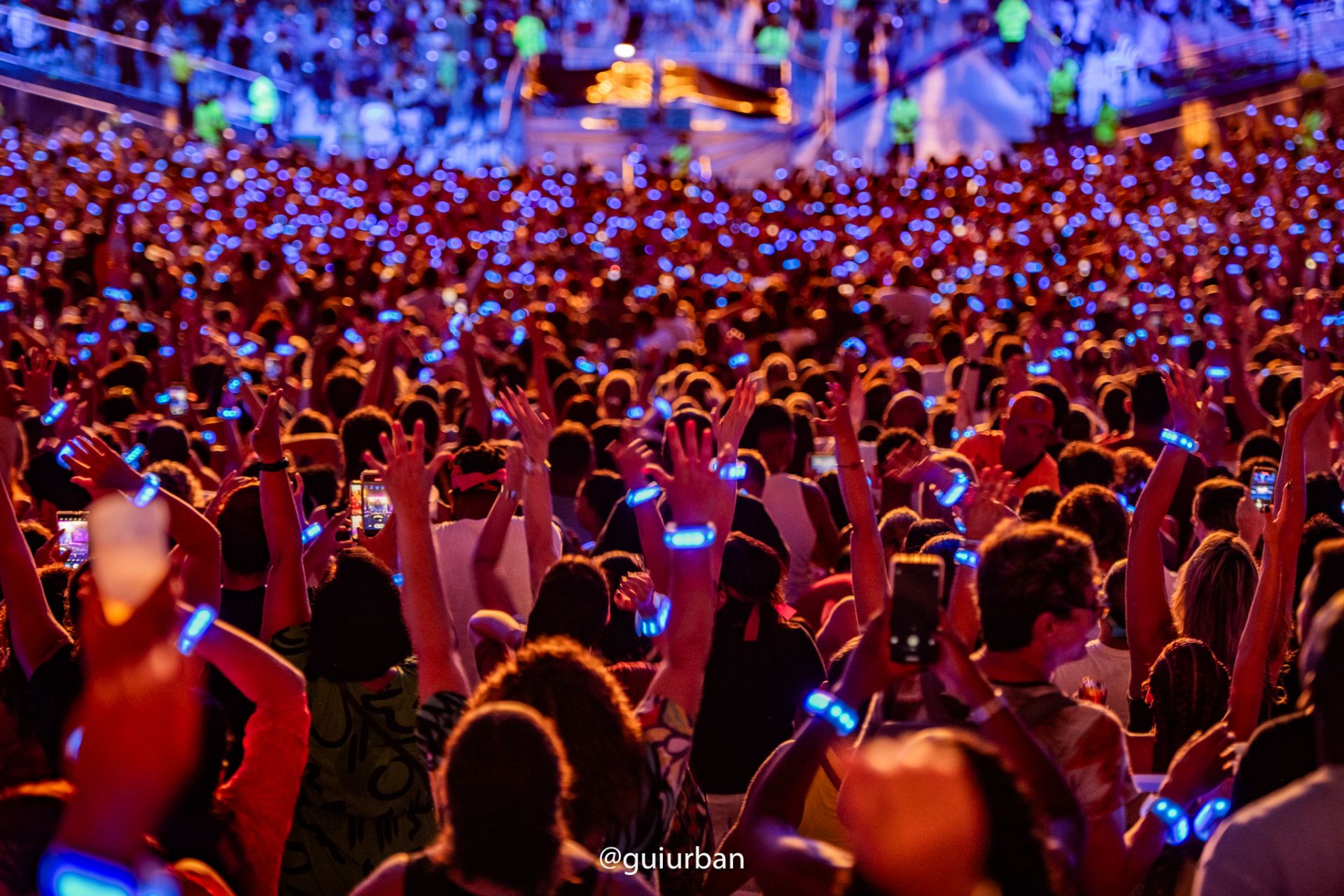
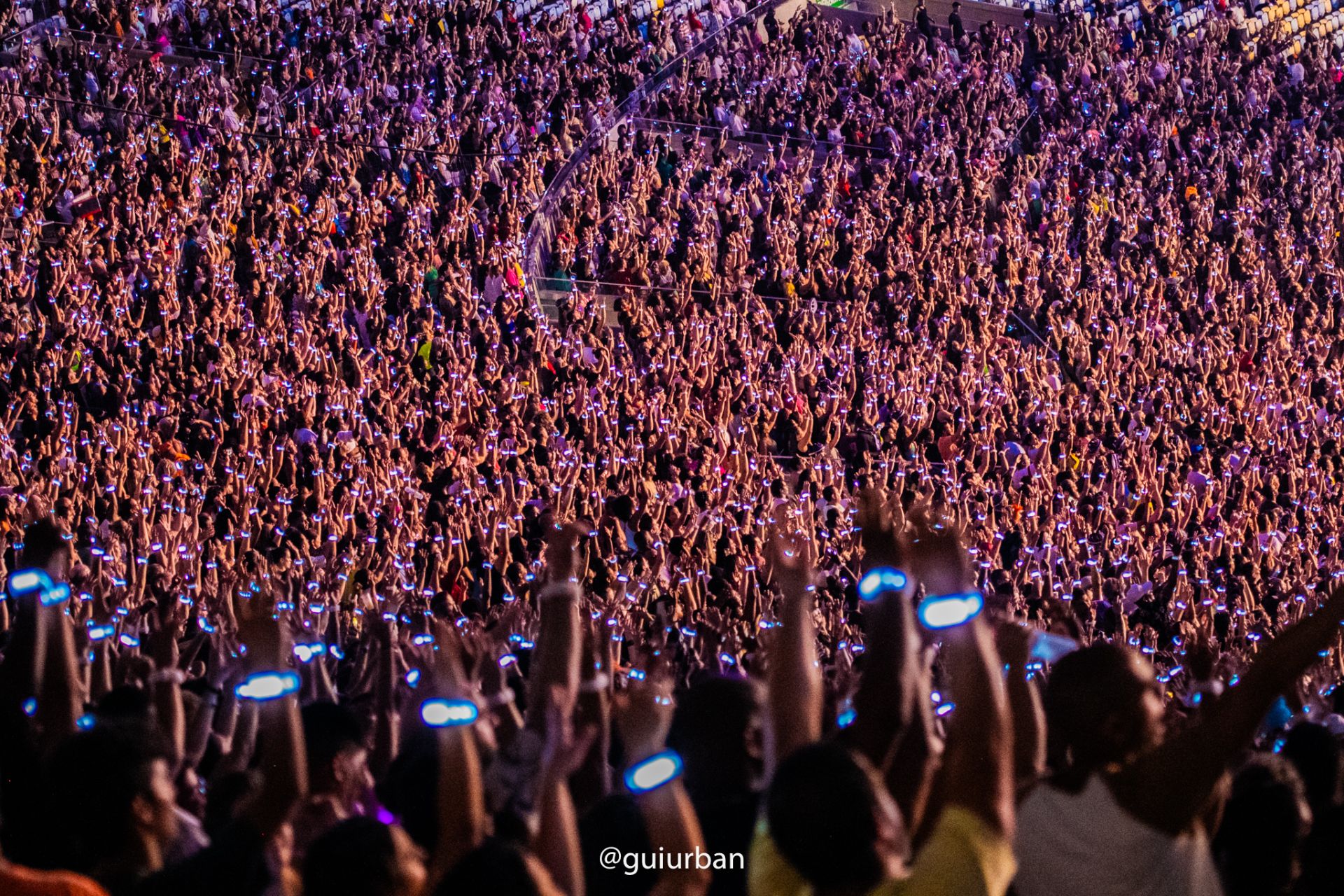
Consider the transformative power of light. When thousands of radio-controlled LED wristbands ignite in unison, a powerful psychological shift occurs. It’s a visual confirmation of belonging. Suddenly, you are not just a person in a crowd; you are a pixel in a vast, moving canvas. This phenomenon, often described as "collective effervescence" by sociologist Émile Durkheim, is the intoxicating feeling of simultaneous, shared emotion that binds a group together. It’s the magic that transforms a gathering into a community.
This principle is visible in action at events ranging from the high-energy beats of Greece’s PRIMER Music Festival to the historic three-night sellout for Wizkid at London’s O2 Arena. In these moments, wearable LED technology serves as a physical token of a shared experience, making the abstract feeling of unity tangible and visible. The audience doesn’t just see the show; they become the show.
The Psychology of Participation: From Passive Observer to Active Agent
The traditional fourth wall is becoming obsolete. Modern audiences, accustomed to interactive digital realities, crave participation. The act of contributing, of influencing the environment, is a powerful driver of engagement. It’s the difference between watching a story and being a character in it.
This is where the design of LED crowd experiences becomes a form of behavioural architecture. By programming light shows that respond to the music, the energy, and specific moments in a performance, we give the audience a sense of agency. Their presence, their collective pulse, is reflected back at them in a stunning visual dialogue.
“The most profound experiences are not staged for an audience; they are co-created with them. When a person feels their presence matters—that they are part of the artistic expression—their emotional investment deepens exponentially.”
This participatory dynamic is essential for corporate event activations as well. An employee, a partner, or a client who is made to feel like an integral part of the brand story—perhaps through a custom LED lanyard that segments them into teams or lights up during keynotes—is more likely to internalize the message. The experience shifts from a passive presentation to an active, memorable engagement.
Sensory Immersion and the Limbic Response
Beyond the Visual: Crafting Multi-Sensory Worlds
While light is a dominant tool, true immersion is a multi-sensory affair. The thunderous bass that you feel in your chest, the precisely timed pyrotechnics, the shared focal point created by a masterful lighting design—they all conspire to bypass the analytical brain and trigger a more primal, limbic response. This is the seat of emotion, memory, and instinct.
Masterful live production is an exercise in sensory choreography. We are not just creating pretty pictures; we are crafting emotional triggers. The slow, warm glow during a ballad, the frenetic, colourful strobing during a crescendo—these choices are deliberate. They are designed to mirror and amplify the desired emotional state of the audience, creating indelible memories linked to a specific moment in time.
From the global stage of a Coldplay Xylobands spectacle to the focused intensity of a Formula One anniversary gala, the goal is the same: to create a sensory ecosystem so complete that the outside world fades away. It’s in this state of total immersion that an audience is most open, most connected, and most receptive.
The Lasting Impression: Encoding Memory Through Peak Moments
The human brain doesn’t remember experiences in a linear fashion. It remembers the peaks—the most emotionally intense moments—and the end. This is known as the "peak-end rule." A successful large-scale event is therefore not just about sustained engagement, but about engineering unforgettable peaks and a powerful, lasting final impression.
This is the art and science of the encore, the grand finale, the one last surprise that sends the audience home buzzing. It’s the final, unified flash of ten thousand concert wristbands, a moment of collective awe that crystallizes the entire experience into a single, cherished memory. At Xylobands, we understand that our role is not just to supply LED bracelets or LED orbs; it is to provide the tools that allow artists, producers, and brands to architect these peak moments.
Ultimately, the psychology of audience engagement is a study in human connection. It’s about understanding that behind every ticket, every seat, and every wristband is a person seeking to feel part of something larger than themselves. By designing with empathy, by leveraging technology to foster unity, and by respecting the profound psychological contract between performer and audience, we can turn fleeting moments into lifelong memories.