The Human Spectrum: A New Vision for Accessible and Inclusive Live Events
The Power of Shared Experience
Live events—whether a global music festival, a stadium tour, or a high-stakes corporate launch—are crucibles of human connection. They are moments of collective effervescence, where thousands of individuals merge into a single, living entity, sharing one story, one beat, one spectacle. For a few hours, the barriers between us dissolve, replaced by a sense of unity. But as an industry, we must ask a critical question: are these moments truly being shared by everyone?
The conversation around accessibility in live entertainment has often been limited to physical considerations like wheelchair ramps and accessible seating. While these are fundamentally important, they represent the baseline, not the summit. True inclusivity requires a deeper, more nuanced approach—one that considers the entire sensory experience and embraces the full spectrum of human diversity, including those with sensory sensitivities, anxiety, or neurodivergent conditions.
Beyond the Physical: Designing for the Sensory Spectrum
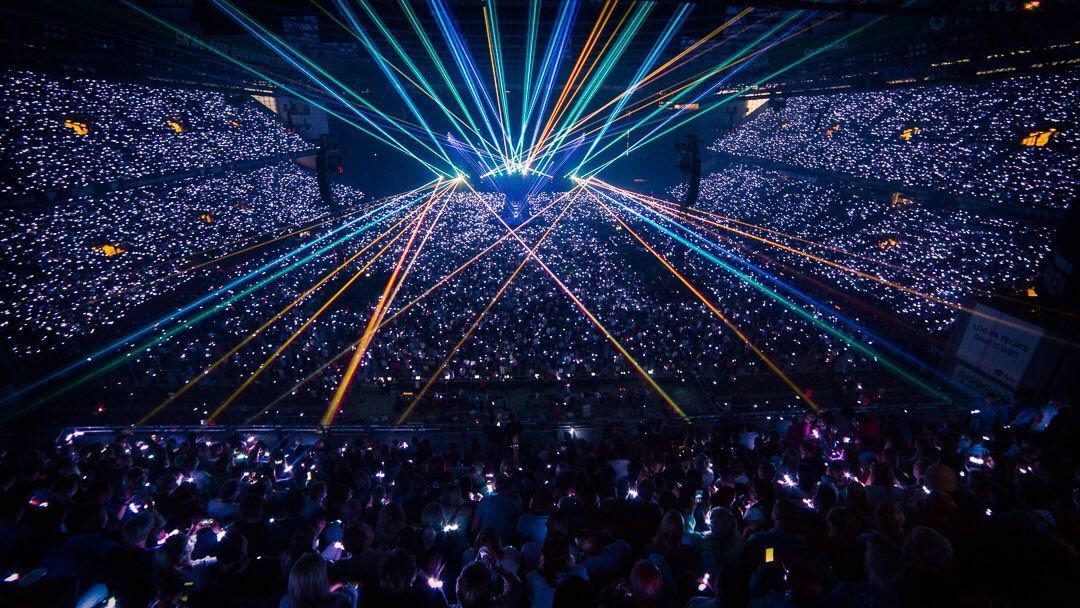
The modern live event is a sensory feast. We design thunderous sound systems, blinding light shows, and dense crowds, all intended to maximize impact and excitement. For many, this is the thrill they seek. For others, it can be an overwhelming or alienating barrier to entry. The strobing lights, unpredictable pyrotechnics, and crushing volume that define a peak moment for one person can be a trigger for sensory overload in another.
This is where the next frontier of inclusive design lies. It’s not about toning down the spectacle but about offering more control and creating more varied experiences. It’s about using technology not just to amplify, but to adapt.
"True innovation solves human problems. In the events industry, that means creating experiences that are not just spectacular, but also accessible, empathetic, and truly universal."
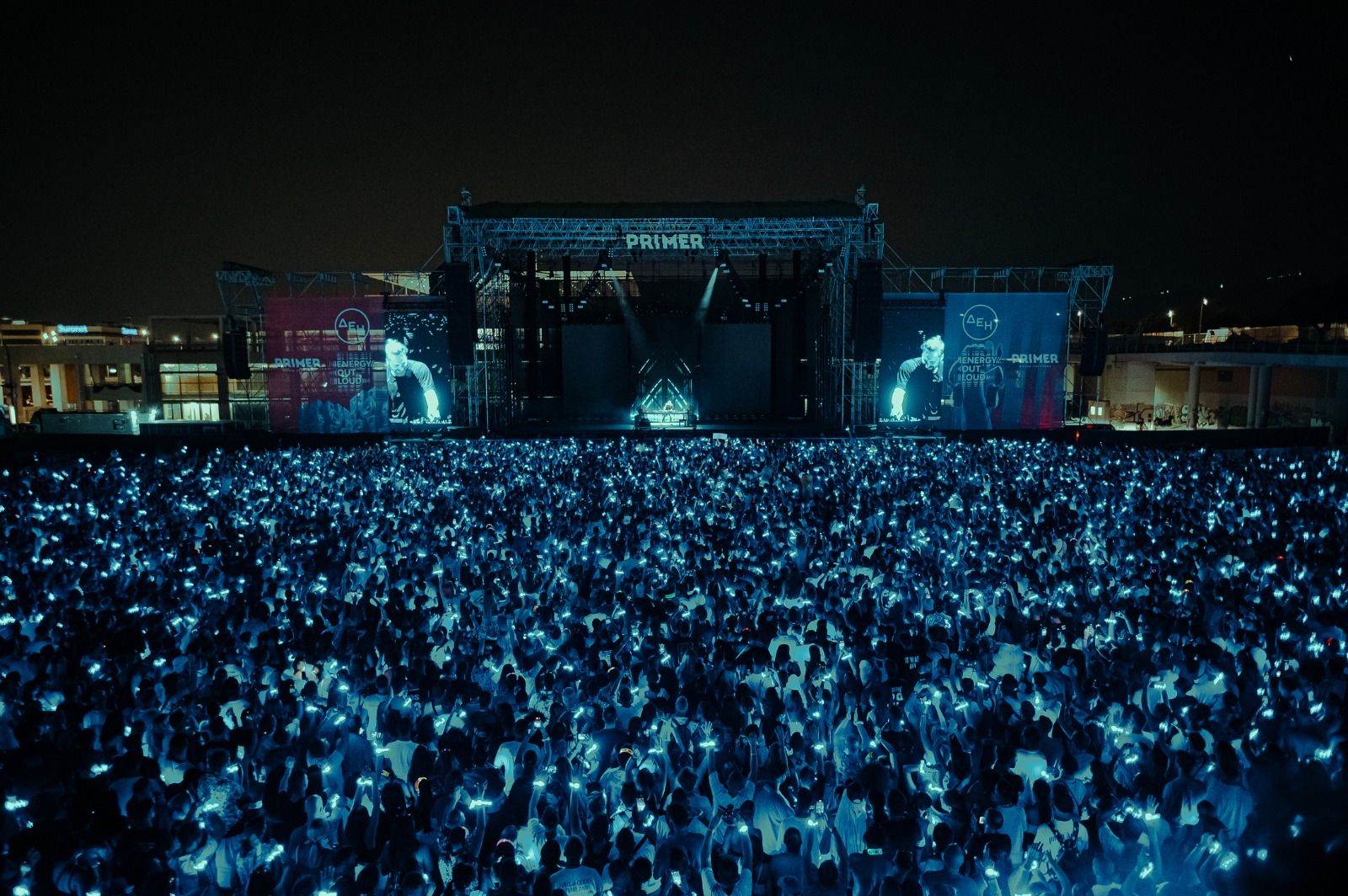
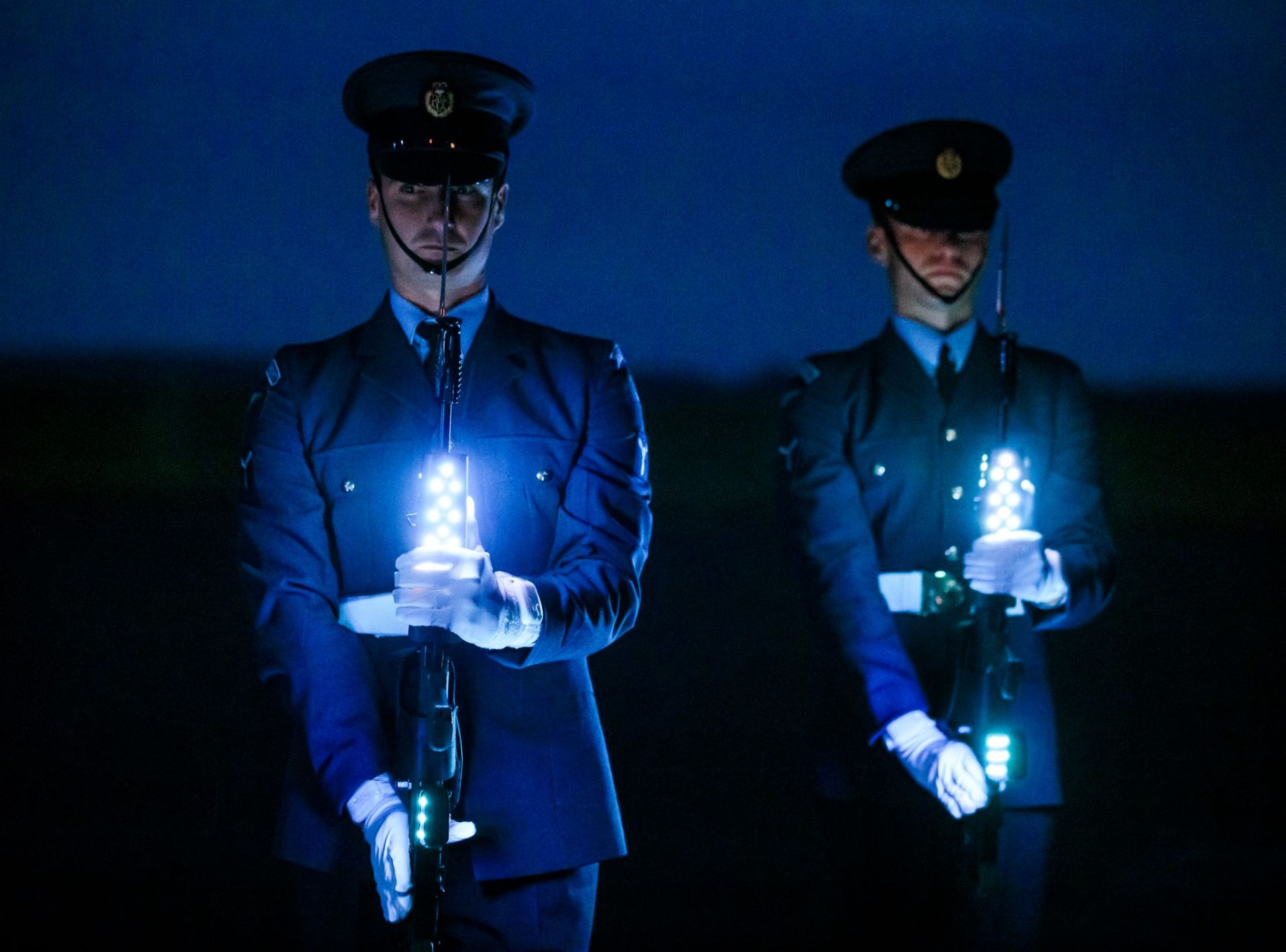
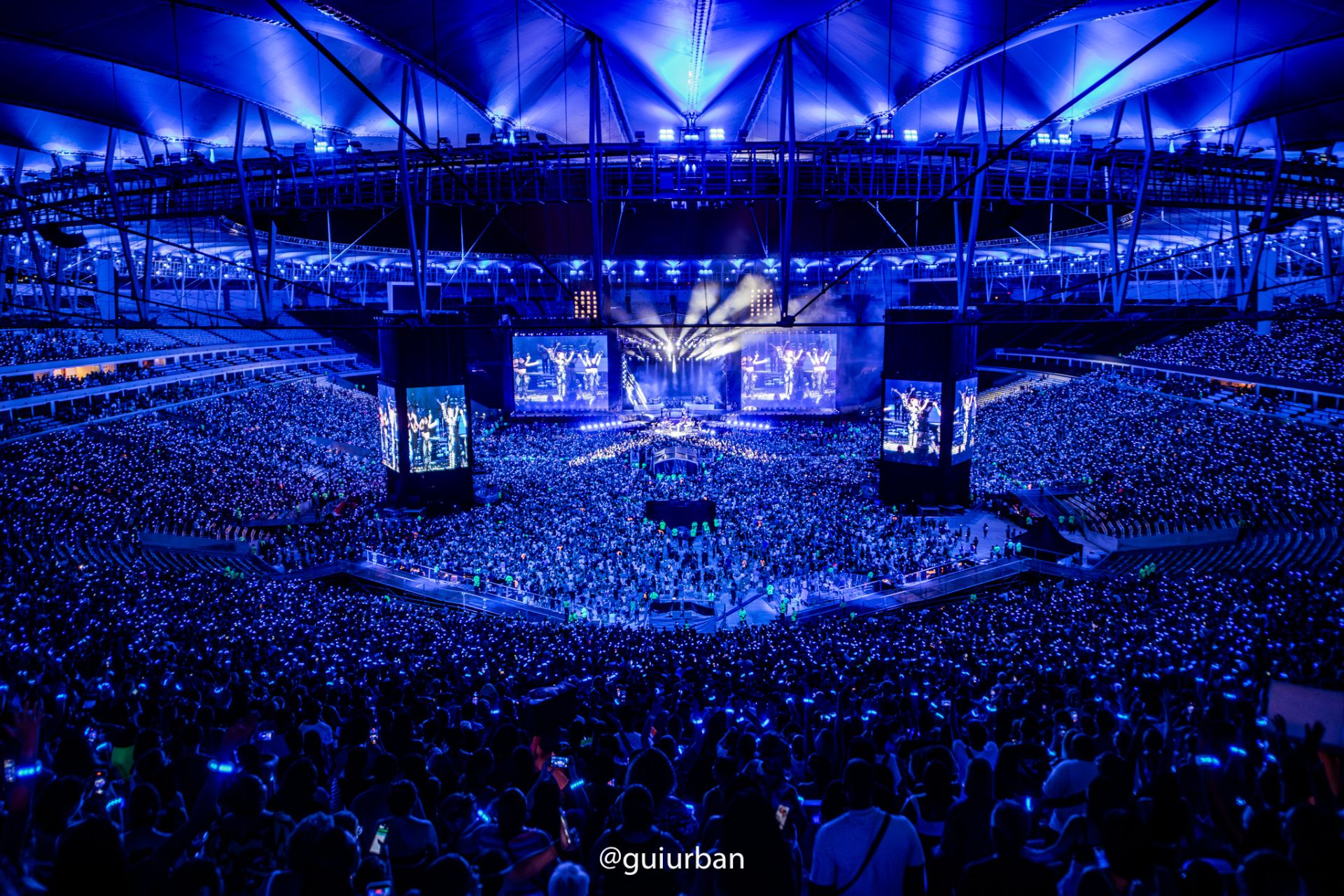
Wearable LED technology, for example, offers a powerful tool for more personalized and less overwhelming sensory engagement. Instead of relying solely on strobes that blast an entire arena, imagine a more nuanced approach. LED Wristbands or LED Lanyards can create gentle pulses of light, localized color washes, or slow, calming fades that are synchronized with the music. This allows attendees who are sensitive to intense, flashing lights to still feel visually connected to the performance and the crowd, but in a way that feels safe and manageable.
A Calmer Connection: Technology as a Sensory Bridge
For individuals with autism, PTSD, or anxiety, the sheer unpredictability of a live show can be a significant deterrent. Here, technology can act as a sensory bridge rather than an amplifier of chaos. Consider these possibilities:
- Predictive Visual Cues: Imagine if LED bands could signal upcoming show elements. A slow, pulsing green light might indicate a quiet, acoustic moment is approaching, while a soft, amber glow could signal that a high-energy transition with pyrotechnics is imminent. This gives attendees a chance to prepare themselves, put on noise-canceling headphones, or briefly step away, empowering them to manage their own experience without missing the show.
- Haptic Feedback: The tactile dimension is often overlooked. Wearable tech can translate audio frequencies into gentle vibrations, offering a non-auditory way to experience the rhythm and beat. This is not only a potential boon for the Deaf and hard-of-hearing community but also provides a grounding sensory input for those who find high volumes disorienting.
- Designated Quiet Zones: While not a technological solution, venues can complement these tools by creating well-defined quiet zones. These areas, shielded from the main sensory onslaught, would allow people to decompress without having to leave the venue entirely. The transition back into the main crowd could even be guided by the same wearable tech, helping them reintegrate smoothly.
Inclusivity as a Creative Catalyst
Adopting a more inclusive design philosophy isn’t just a matter of compliance or social responsibility; it’s a creative catalyst. Constraints breed innovation. When we challenge ourselves to create immersive events that cater to a wider range of sensory needs, we are forced to think more deeply about the very nature of light, sound, and story. We move from a one-size-fits-all model of spectacle to a more dynamic and personalized ecosystem of experience.
This approach has been a quiet driving force behind our work at Xylobands from the beginning. While the iconic synchronized light shows seen on Coldplay world tours or at major sporting events like the Davis Cup are known for their spectacular scale, the underlying technology—radio controlled LED wristbands—is incredibly versatile. It allows for zoning, for subtle shifts, and for a level of granular control that can be adapted to serve different creative and human needs. From corporate event activations to massive festival crowds, the goal is the same: to make every single person feel like a valued part of the show.
The Future of the Shared Experience
The future of live entertainment will be defined by its capacity for empathy. As we build ever more powerful tools for creating awe-inspiring moments, we must also commit to making those moments accessible to the widest possible audience. By embracing a broader definition of accessibility—one that encompasses the sensory, the emotional, and the psychological—we can unlock new creative possibilities and build a more inclusive industry.
The goal is not to diminish the spectacle but to diversify it. It’s to ensure that when the lights go down and the first note hits, everyone feels the same thing: welcomed, connected, and part of something truly special. That is the ultimate promise of immersive event technology, and it’s a future we should all be excited to build.