The Open Invitation: A New Blueprint for Inclusive Live Events
The Open Invitation: A New Blueprint for Inclusive Live Events
The roar of a crowd, the pulse of a bassline, the collective gasp as the lights drop. These are the sensory hallmarks of live entertainment, the moments of communal energy we crave. But for millions of people, significant barriers—both visible and invisible—can turn an experience of collective joy into one of anxiety, exclusion, or sensory overload. As an industry, it’s time to move the conversation beyond baseline accessibility compliance and toward a deeper, more intentional model of inclusive design.
This isn’t just about social responsibility; it’s about the future of live experiences. A truly inclusive event is a more powerful, more resonant, and more memorable event for everyone. It’s about designing with empathy, anticipating the diverse needs of an audience, and deploying technology to create a sense of genuine belonging for every single body and mind in the venue.
Beyond Ramps: A Multi-Sensory Approach to Accessibility
For too long, the concept of accessibility in live events has been narrowly focused on physical mobility. While essential, true inclusivity requires a multi-sensory approach. The live experience is a complex tapestry of light, sound, space, and social dynamics. A truly inclusive framework considers them all.
Consider the challenges:
- Sensory Overload: For individuals with autism, PTSD, or sensory processing disorders, the intense volume, strobing lights, and dense crowds of a typical concert or festival can be overwhelming to the point of being prohibitive.
- Hearing and Visual Impairments: Traditional audio-visual setups often fail to accommodate guests who are deaf, hard of hearing, or have low vision, leaving them disconnected from the core performance.
- Neurodiversity and Cognitive Differences: Dyslexia, ADHD, and other forms of neurodivergence can impact how guests navigate complex venues, process information, and engage with the event environment.
Addressing these challenges requires a shift in mindset—from accommodation as an afterthought to inclusion as a core design principle. It means asking not just “How do we comply?” but “How do we actively welcome and support every guest?”
The Role of Immersive Event Technology in Bridging the Gaps
Technology, when applied with intention, can be a powerful equalizer. It offers tools to customize and personalize the live experience, empowering guests to tailor the environment to their specific needs. This is where wearable LED technology and intelligent lighting systems are opening up new frontiers.
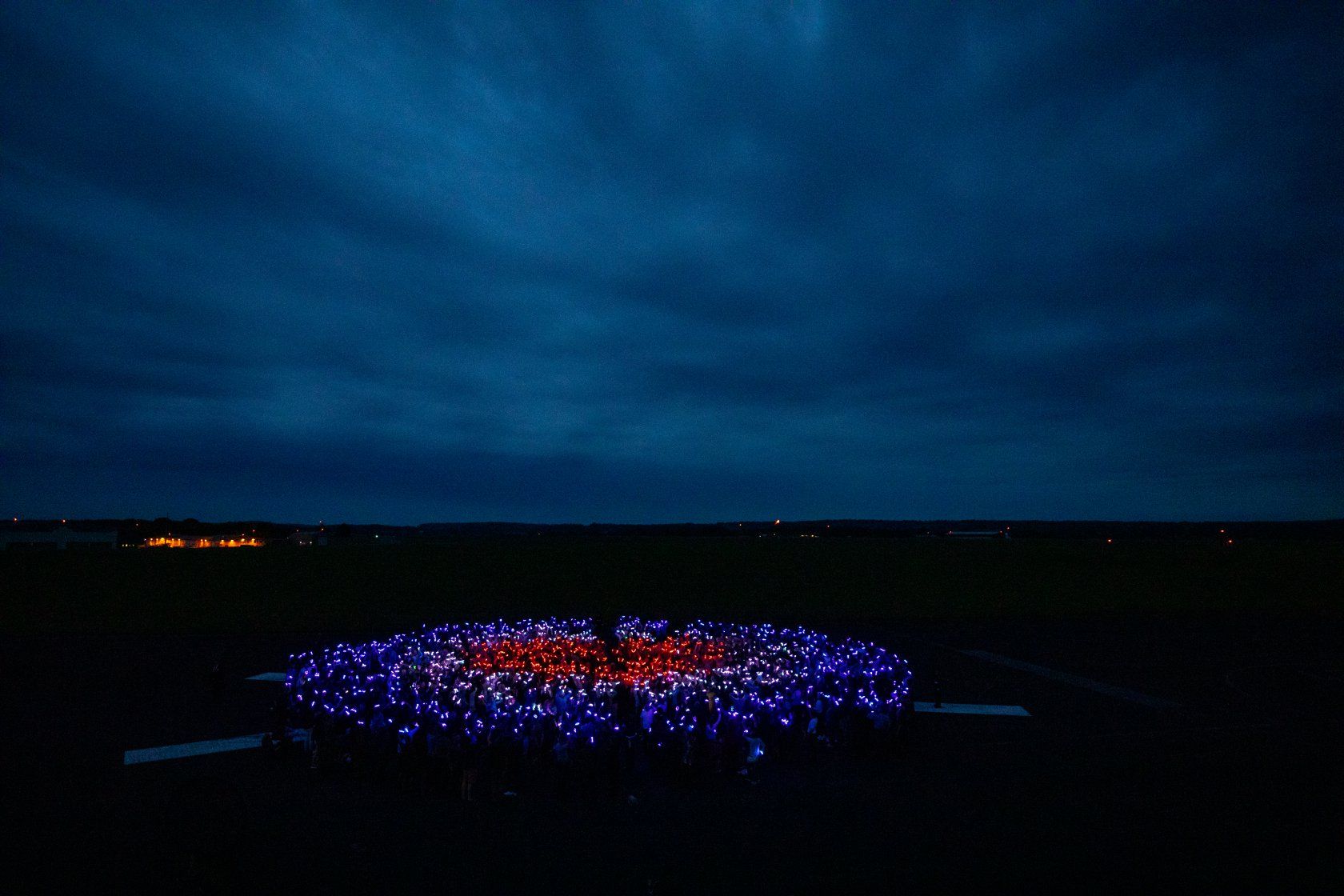
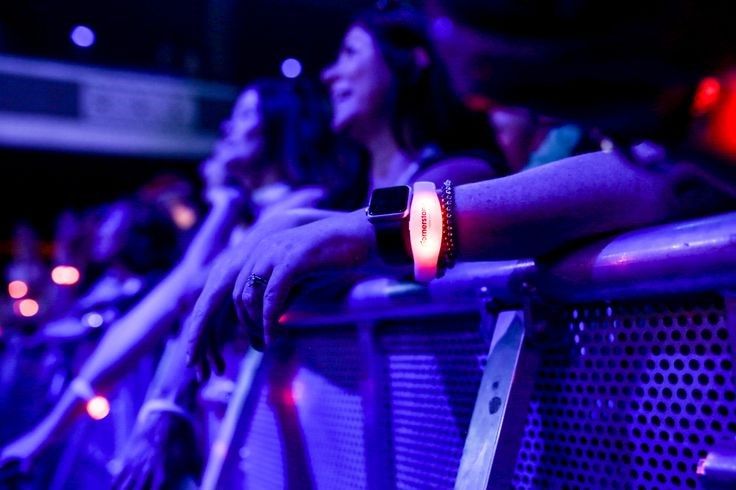
At Xylobands, we’ve seen firsthand how light can be used as a tool for more than just spectacle. Our radio-controlled LED wristbands, lanyards, and orbs create a visual language that can communicate with an entire audience simultaneously. This has profound implications for inclusive design.
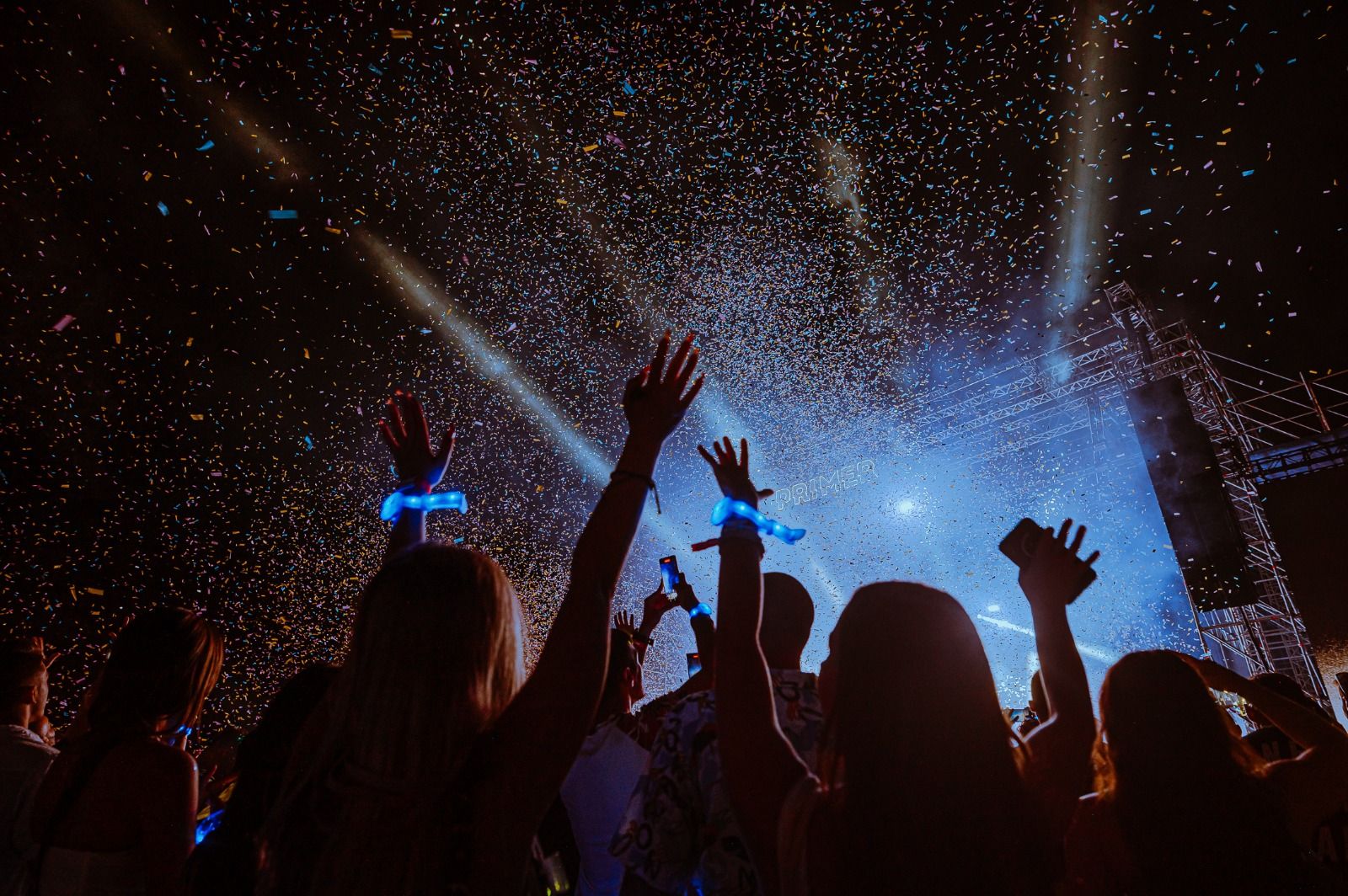
Imagine a music festival where a deaf attendee can feel the rhythm of the music through synchronized pulses of light on their wrist. Think of a corporate conference where color-coded cues from LED Lanyards guide attendees through a sprawling venue, reducing cognitive load and navigational stress.
This isn’t science fiction; it’s the practical application of immersive event technology. By turning the audience into a connected canvas, we can:
- Provide Visual Cues: For those who are hard of hearing, synchronized LED wristbands can translate the energy and tempo of the music into a visual and haptic experience. A slow, gentle fade can signify a ballad, while a rapid, pulsing flash can match the intensity of a drum solo. This creates a parallel sensory channel, deepening immersion and participation.
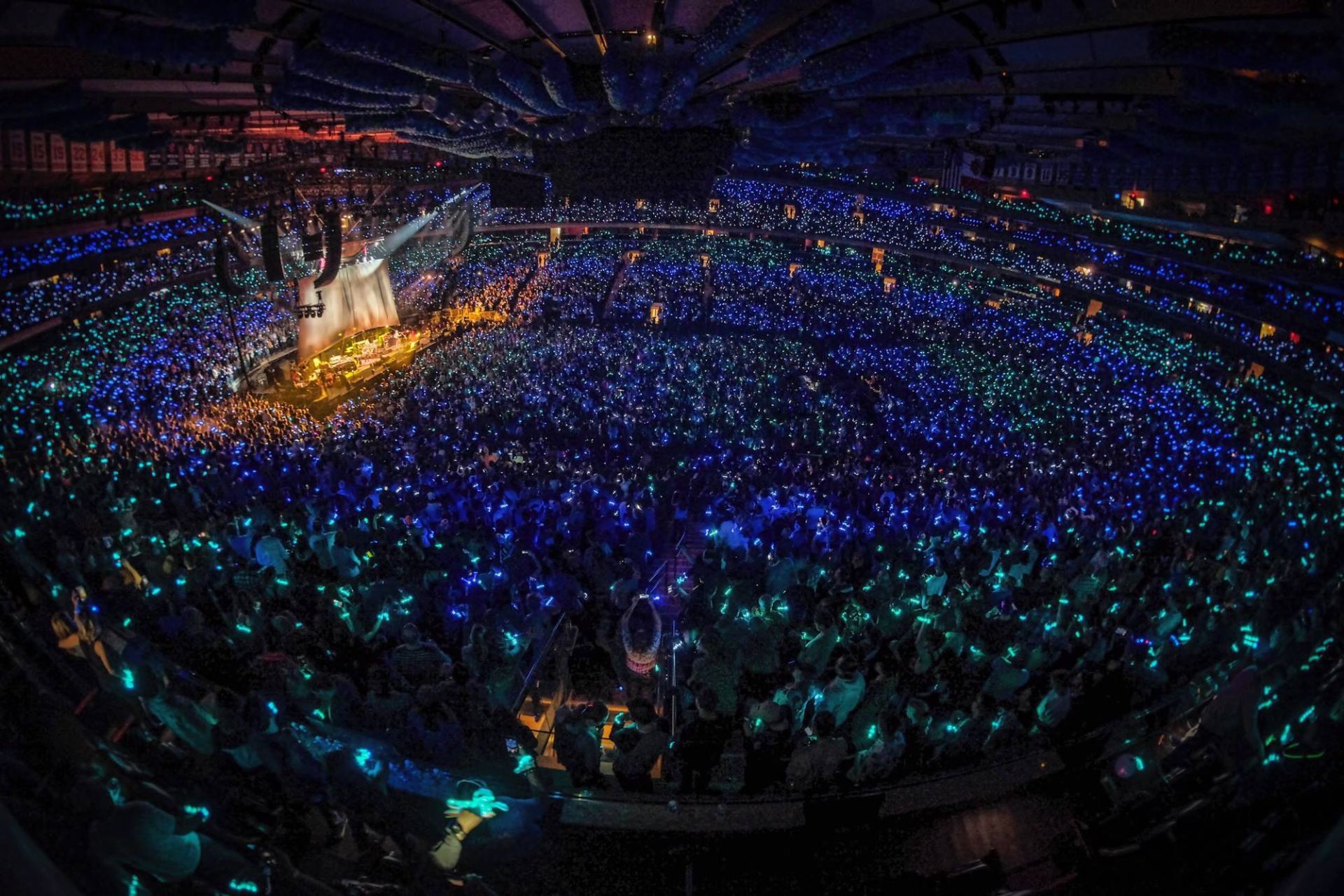
- Enhance Wayfinding and Safety: In large venues, from stadiums used for the Davis Cup to arenas hosting global tours, controlled lighting can be a powerful tool for crowd management. Using different colors or patterns, wristbands can guide groups to specific exits, signal important announcements, or create clear visual pathways, benefiting those who find dense crowds or complex layouts disorienting.
- Create Zones of Sensory Calm: The same technology used to create high-energy light shows can also be used to create moments of calm. In designated quiet zones, wristbands could glow with a soft, steady, and soothing color, creating a visually cohesive space for guests who need to decompress away from the main stage.
From Broadcast to Belonging: Lessons in Universal Design
The principles of inclusive design are universal. When we engineer lighting for a global broadcast, as seen in projects for clients like ITV or Formula One, the goal is to create a visually rich experience that communicates the energy of the event to a remote audience. The same thinking applies to live attendees with diverse sensory needs. We are, in essence, translating an experience from one medium to another.
For a guest with sensory sensitivities, a stadium filled with 50,000 flashing lights can be a barrier. But if that same technology is harnessed to create cohesive, flowing patterns of color instead of chaotic strobing, it transforms from a potential stressor into a beautiful, unifying spectacle. It’s not about dimming the lights; it’s about designing light with greater purpose and empathy.
This approach allows event producers to create powerful LED crowd experiences that are both spectacular and accessible. It’s a move from a one-size-fits-all model to a universal design framework where the experience is flexible enough to accommodate everyone.
The Future is Accessible
Building more inclusive live events is a journey, not a destination. It requires ongoing dialogue with accessibility advocates, a commitment to creative problem-solving, and a willingness to see the world through the eyes—and senses—of others.
Technology like Xylobands provides a powerful set of tools, but the real work lies in the vision and intention behind its use. By embracing a holistic, multi-sensory approach to accessibility, we can do more than just open doors. We can create profoundly shared moments of connection, ensuring that the magic of live events is an open invitation extended to all. The most memorable shows are the ones where everyone feels they are a part of the spectacle, and designing for inclusion is the key to making that a reality.