The Innovator's Blueprint: Fostering a Culture of Perpetual R&D
The Whiteboard and the Warehouse: The Two Halves of an Innovator’s Brain
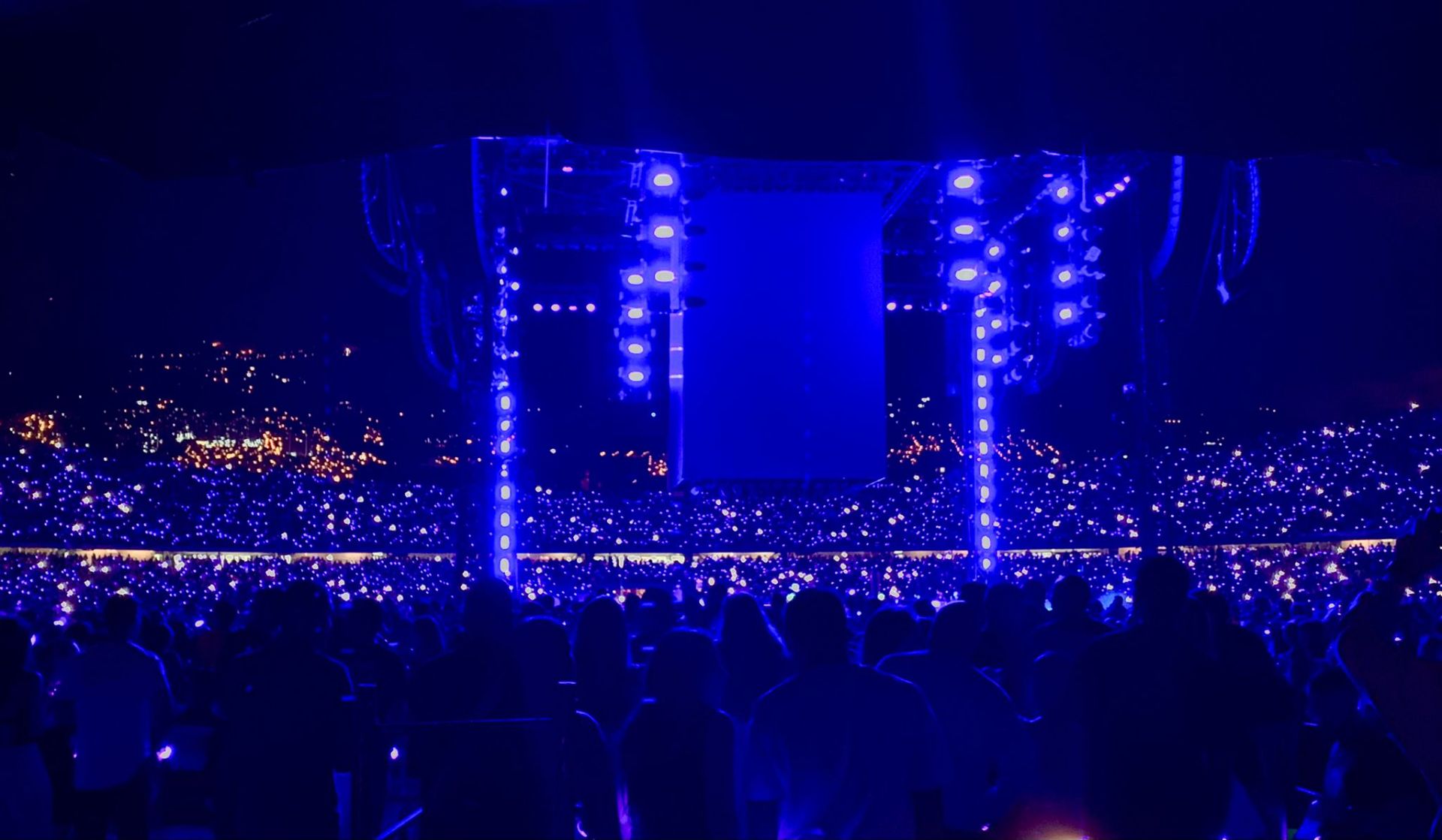
Every groundbreaking piece of event technology begins not in a sterile lab, but as a sketch on a whiteboard — a half-formed idea sparked by a real-world problem. For us, that moment of inspiration struck during a Coldplay performance at Glastonbury. The question was simple, yet profound: what if the audience could become part of the light show? That single question led to the invention of the Xyloband, and more importantly, it embedded a core philosophy into our DNA: a relentless pursuit of "what if."
This pursuit doesn’t live solely in the realm of theory. It exists in a dynamic tension between the creative chaos of the design studio and the pragmatic reality of the warehouse floor. One is a space of boundless imagination, the other a proving ground where ideas must survive contact with logistical reality. An innovation culture thrives in the feedback loop between these two environments. It’s here that we refine, redesign, and re-engineer, ensuring that our wearable LED technology is not only visually spectacular but also robust, scalable, and ready for the rigors of a global tour or a high-stakes corporate event activation.
From Hypothetical to High-Profile: The Path of an Idea
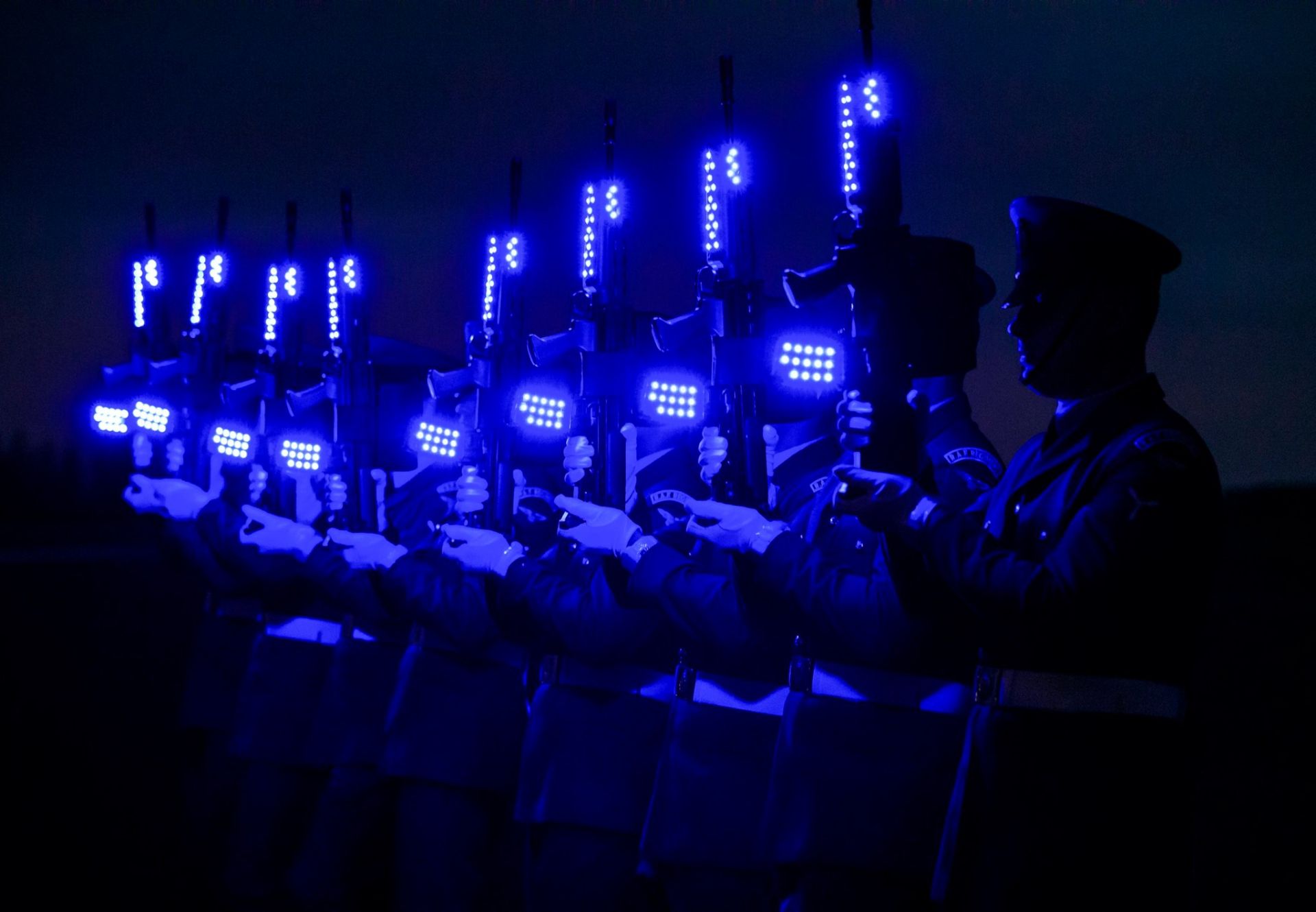
An idea is only as strong as its execution. The journey from a concept to a tangible product deployed at a major event like the Formula One 75th Anniversary show is a testament to a rigorous R&D process. For that event, the challenge wasn't just to light up a crowd, but to create a tiered visual experience, with custom pendants for different teams and hospitality levels. This required more than just manufacturing; it demanded a deep dive into user experience, branding, and the complex choreography of live broadcast.
This process is guided by several core principles:
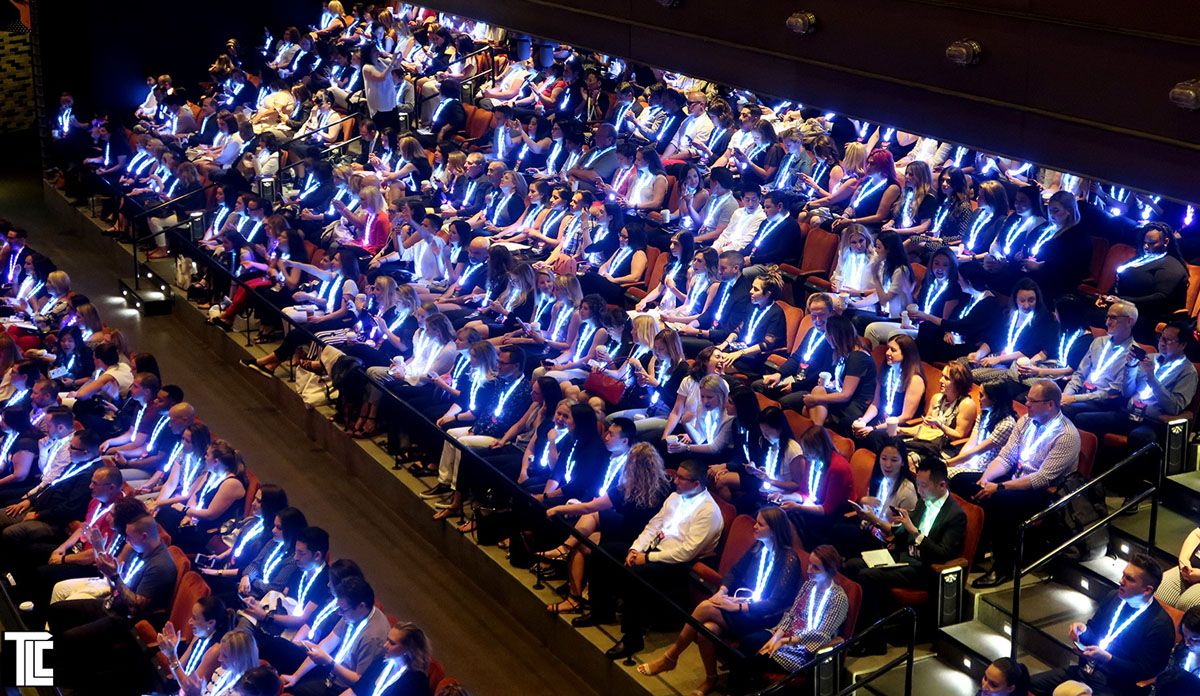
- Problem-Centric Innovation: We don’t innovate for innovation’s sake. Every new development, from our radio-controlled LED bracelets to our bespoke LED lanyards, starts with a specific challenge faced by event producers, lighting designers, or brand marketers. How can we streamline deployment? How can we enhance broadcast quality? How can we create more personalized fan interactions?
- Artist and Client Collaboration: The most powerful ideas are born from collaboration. Our work with artists like Coldplay, Maluma, and Wizkid, or brands such as Nike and Google, is a dialogue. They bring the creative vision; we bring the technological toolkit. This partnership transforms our products from simple hardware into integral components of the narrative. The debut of the Xyloband Lite on Wizkid’s tour, for instance, was a direct result of understanding the artist’s need for a lightweight, high-impact device for a sold-out arena run.
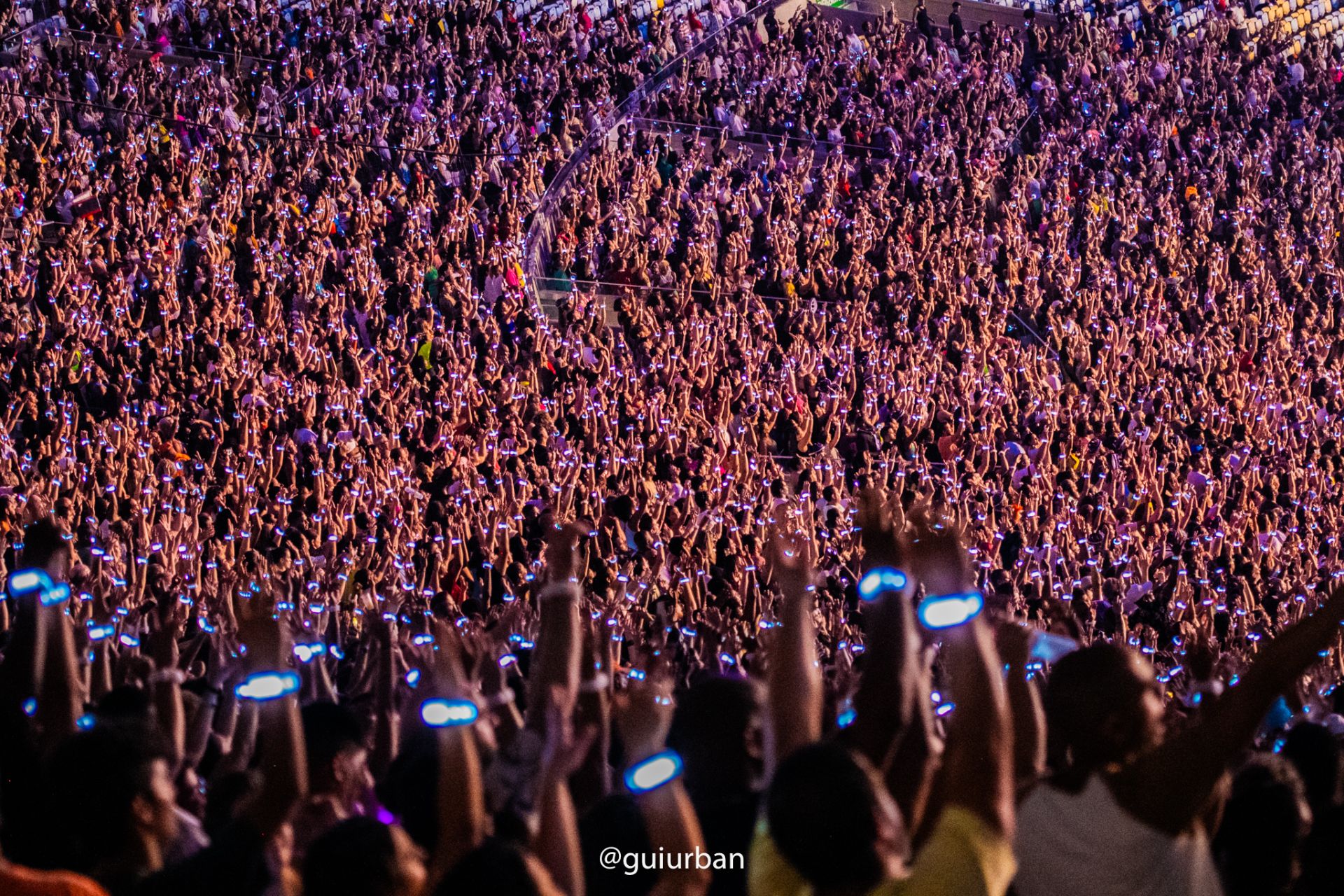
- Scalability as a Feature: An idea that only works for 100 people is an experiment. An idea that works for 54,000, as seen at Maluma’s historic Medellín concert, is a solution. Our R&D is obsessed with scale. This means focusing on signal integrity, battery life, and the logistics of deploying, collecting, and recycling tens of thousands of units under immense time pressure.
The Unseen Engine: Why Perpetual R&D is Non-Negotiable
In the world of immersive events, stasis is death. Audience expectations evolve, creative demands become more complex, and new technologies constantly redefine what’s possible. A culture of perpetual R&D is the only way to stay ahead of the curve. It’s an "unseen engine" that powers the visible spectacle.
This engine is what allows us to adapt and create custom solutions, whether it's developing sophisticated concert wristbands for a global music tour or engineering unique LED orbs for a one-off brand moment. It’s about more than just refining existing products. It’s about anticipating the future needs of the industry. We are constantly exploring new frequencies, more efficient power sources, and more sustainable materials. This forward-looking approach ensures that when a producer asks, "Is it possible to…?" our answer is not just "yes," but "we’re already working on it."
This commitment to continuous improvement is the difference between a supplier and a partner. A supplier provides a product; a partner provides a solution and helps shape the creative possibility.
The Human Element: Building a Team of Curious Experts
Ultimately, a culture of innovation is not about hardware or software; it’s about people. It’s about assembling a team of engineers, designers, and technicians who are inherently curious and pathologically unsatisfied with the status quo. They are the ones who see a sea of people at a festival like Primer and don’t just see a crowd, but a canvas. They understand the physics of radio waves and the psychology of shared experience.
Fostering this talent means creating an environment where experimentation is encouraged and failure is treated as data. It means empowering team members to challenge assumptions and to look for inspiration in unexpected places—from the intricate logistics of the Davis Cup to the fast-paced production of a TV show like "Beat The Chasers."
This is the true blueprint of an innovator in the live events space. It’s a perpetual cycle of questioning, testing, and refining. It’s a commitment to building not just LED crowd experiences, but a framework for the future of live entertainment. It’s about understanding that the most unforgettable moments are born from an unwavering dedication to the unseen work of research and development.