The Invisible Hierarchy: A Leadership Model for High-Stakes Live Production
The Unseen Command Chain
In the final minutes before a stadium show goes live, a unique form of leadership takes hold. It’s not the top-down, autocratic command you might find in a boardroom. Instead, it’s a fluid, deeply embedded hierarchy built on years of trust and shared experience. The tour director doesn’t need to tell the lighting specialist how to program a console, nor does the production manager need to instruct the audio engineer on the nuances of room acoustics. The leadership has already happened. The vision has been set, the team has been chosen, and the parameters for success have been defined. What remains is execution—a synchronized ballet of expertise, where each individual is a leader in their own domain.
This is the invisible hierarchy: a leadership model perfectly suited for the high-stakes, time-crunched world of global tours, major brand activations, and broadcast events. It’s a framework where authority is distributed, and success depends not on one person’s decisions in the moment, but on the collective capability of a team that has been empowered to excel.
The Architecture of Trust
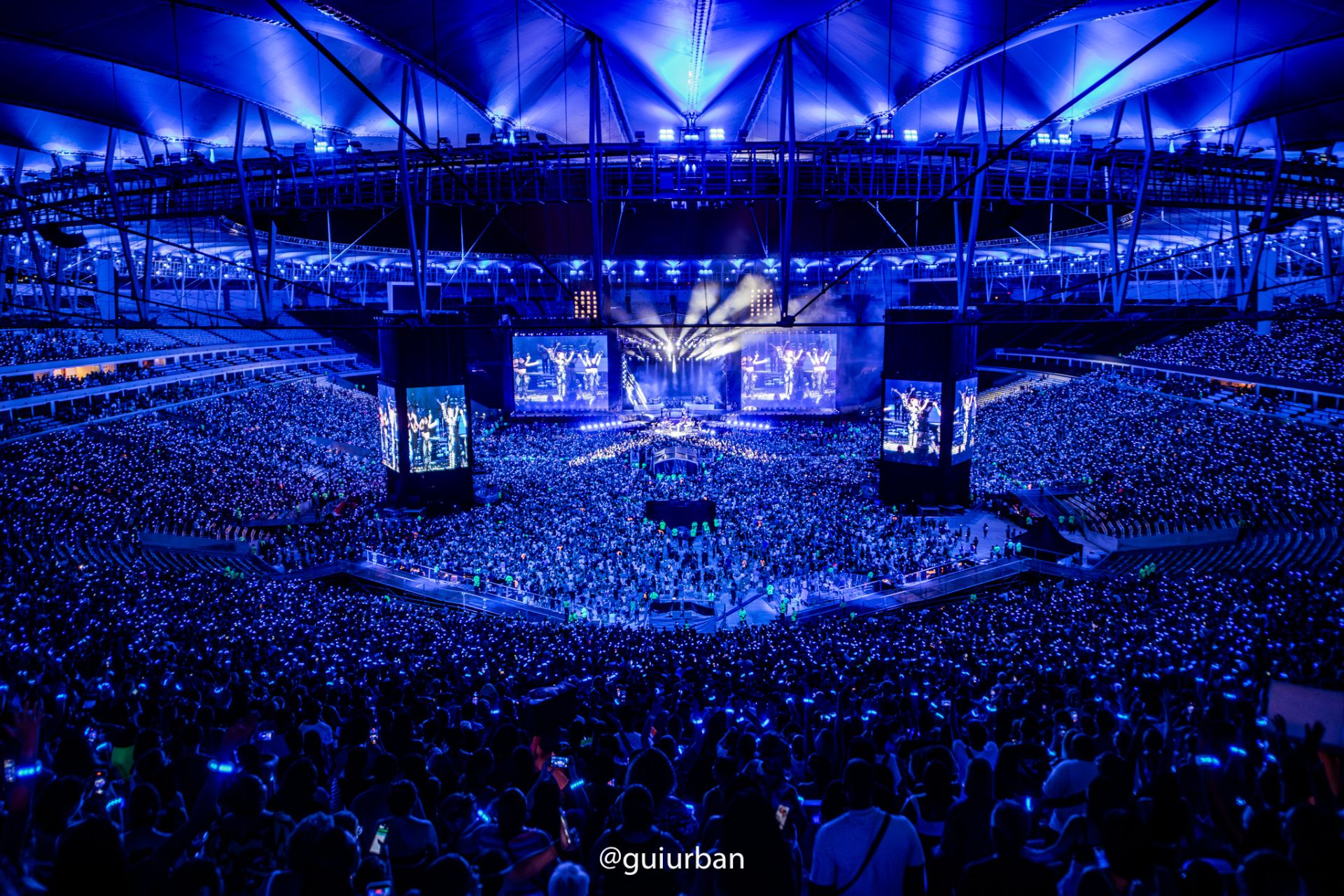
Traditional leadership models often fail under the immense pressure of live production. When you’re coordinating with multiple vendors, managing international logistics, and delivering a flawless experience for 50,000 people—plus millions more watching at home, as with Maluma’s landmark Medellín concert—micromanagement isn’t just inefficient; it’s impossible. The only viable path is to build a team of undisputed experts and trust them implicitly.
This architecture of trust begins long before the trucks are loaded. It’s forged in the selection of creative partners and technical specialists. It’s solidified through clear communication of the creative and commercial goals. When a brand like Formula One plans a globally televised 75th-anniversary celebration, the creative vision is the central pillar. The leadership role is to translate that vision into a technical reality, empowering each department—from lighting and sound to broadcast and audience experience—to innovate within their vertical.
For our part in an event of that scale, our team isn't just delivering LED Lanyards; we're delivering a specific, pre-planned creative effect. The success of that moment relies on our team’s autonomy and expertise in everything from product customisation to on-site distro and system operation. This is a microcosm of the trust-based model that governs the entire production.
Leading Specialists, Not Generalists
A tour manager’s real genius lies in assembling a team of specialists who are better at their jobs than the manager could ever be. The goal is not to have a shallow understanding of every role, but to have a deep understanding of how those roles must interconnect to serve the artist’s vision. You lead a lighting designer by giving them the creative freedom to paint with light. You lead a logistics expert by defining the destination and deadlines, then clearing the path for them to navigate the complexities of global freight.
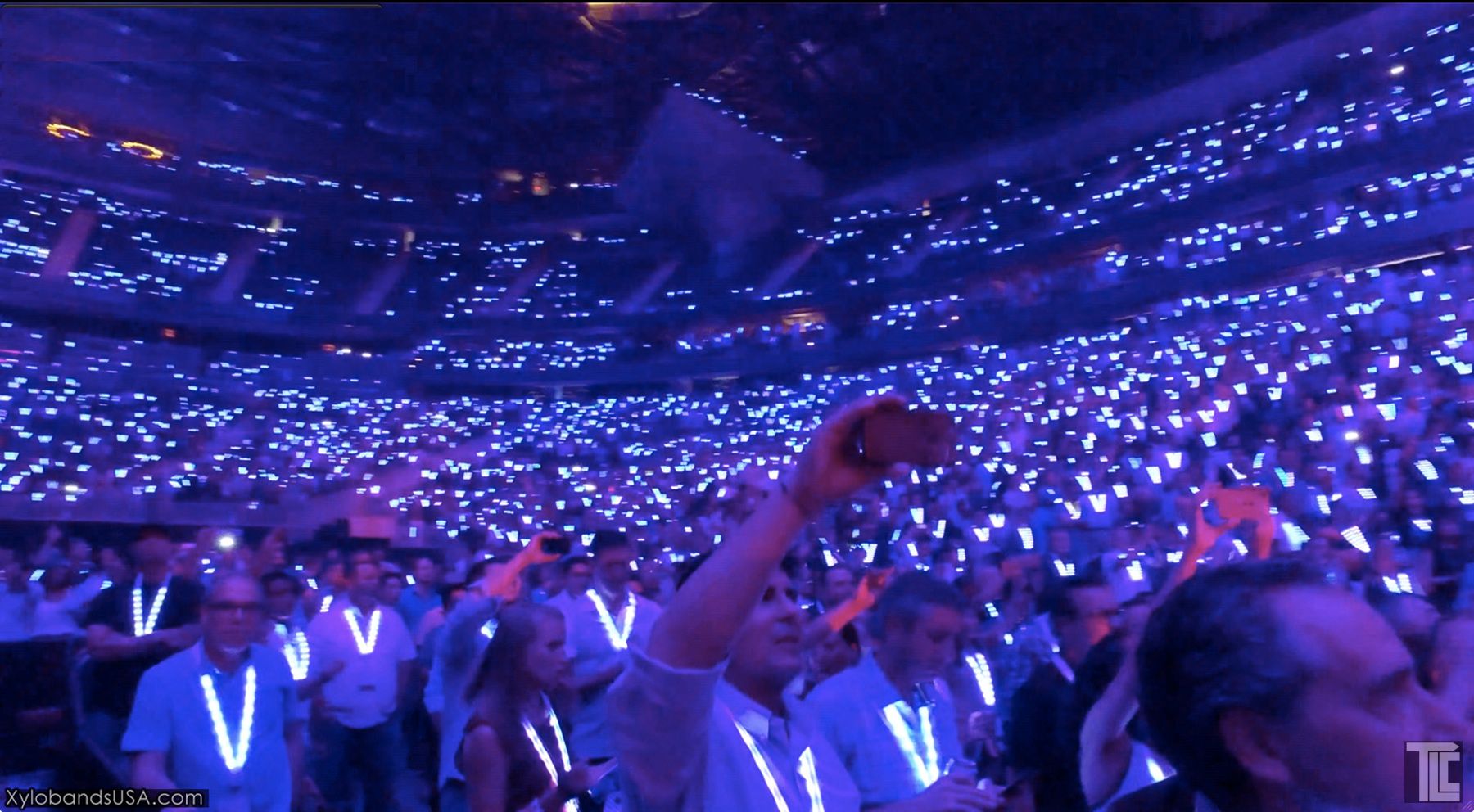
This philosophy extends to incorporating new forms of immersive event technology. When Xylobands first debuted on Coldplay’s Mylo Xyloto tour, it wasn’t just about handing out LED wristbands. It required a new department, a new technical workflow, and a new layer of creative programming. True leadership was about integrating this new speciality seamlessly into the existing production ecosystem, ensuring that the technology served the show’s narrative without disrupting the finely tuned mechanics of the tour.
Key Pillars of the Invisible Hierarchy:
- Visionary Clarity: The overall creative and emotional arc of the experience is clearly and compellingly communicated from the top. The team isn’t just executing tasks; they are working towards a shared feeling and a unified story.
- Distributed Authority: Every team member is the ultimate authority in their domain. The pyro expert makes the call on safety and timing; the video director owns the screen content. Leadership provides the framework, not the fine details.
- Radical Trust: Team members are selected for their proven expertise and are trusted to execute their roles without interference. This trust accelerates decision-making and fosters a culture of ownership.
- A Culture of Calm: In an environment where every second counts, panic is the enemy. Strong, quiet leadership fosters a sense of control and preparedness, allowing the team to focus on their highly specific tasks, even when the unexpected occurs.
The Crowd as the Final Layer
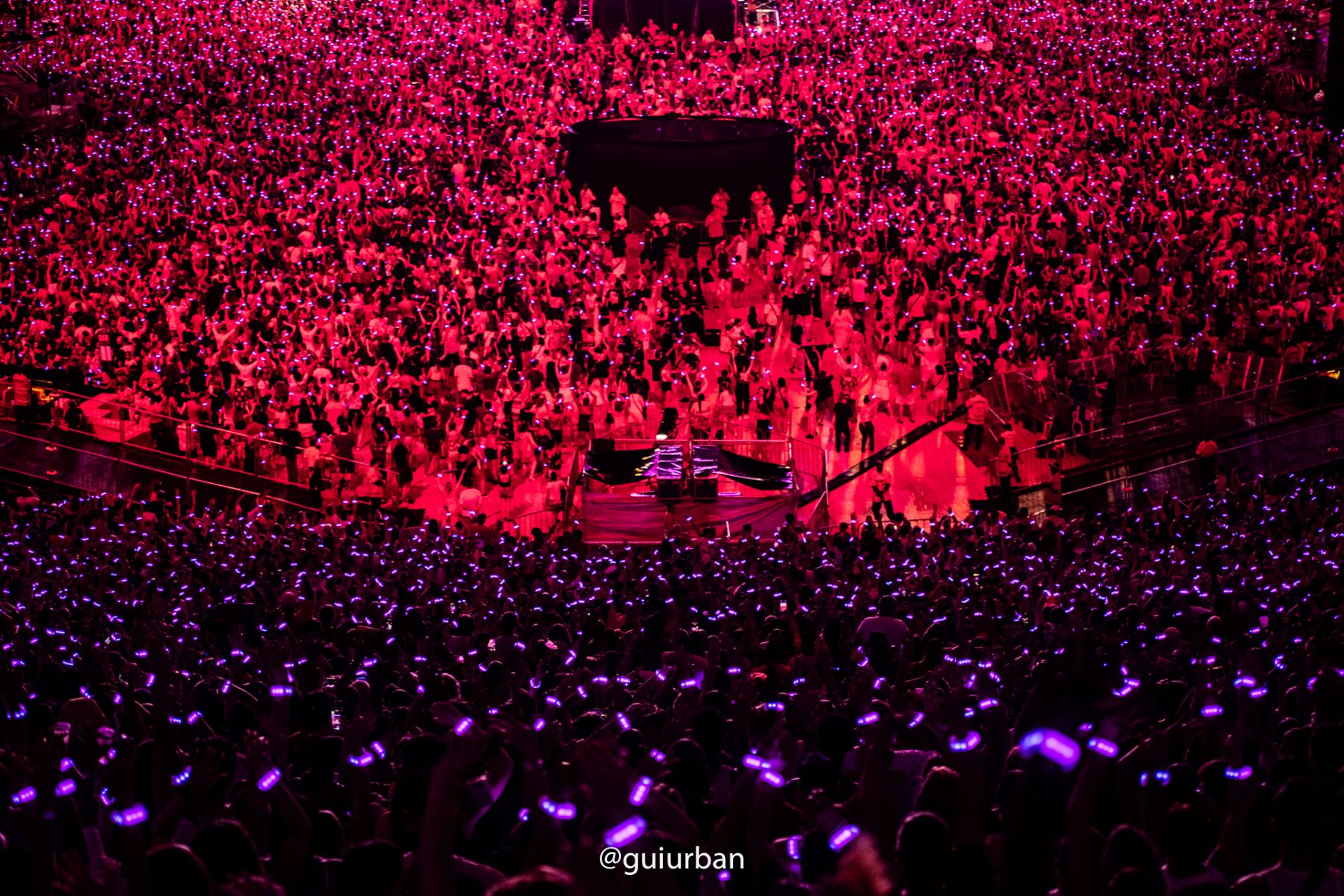
In the modern live experience, the audience is no longer a passive observer. Through technologies like radio controlled LED wristbands, they become a dynamic and integral part of the show’s design. This adds another layer to the leadership challenge: choreographing the crowd.
Leading the audience is about creating moments of intuitive participation. When thousands of Xylobands light up in unison during a headline set at PRIMER Music Festival, or form complex patterns across the O2 Arena for Wizkid, the crowd becomes a living, breathing part of the lighting design. The "leadership" here is embedded in the technology and the programming. It’s a pre-scripted call-and-response that feels spontaneous and organic. The production team leads the audience by giving them the tools to become co-creators of the spectacle, turning tens of thousands of individuals into a single, unified canvas.
Ultimately, leadership in the world of high-stakes production is an act of profound trust and meticulous preparation. It’s about building a silent, invisible network of command that empowers every individual to perform at their peak. It’s knowing that when the house lights go down, the team is so well-rehearsed, the vision so clear, and the trust so complete that the show simply… flows. This is the art of turning potential chaos into a perfectly executed, unforgettable shared experience.