The Visionary’s Burden: A Leadership Playbook for the Live Experience
The Unseen Architecture of Leadership
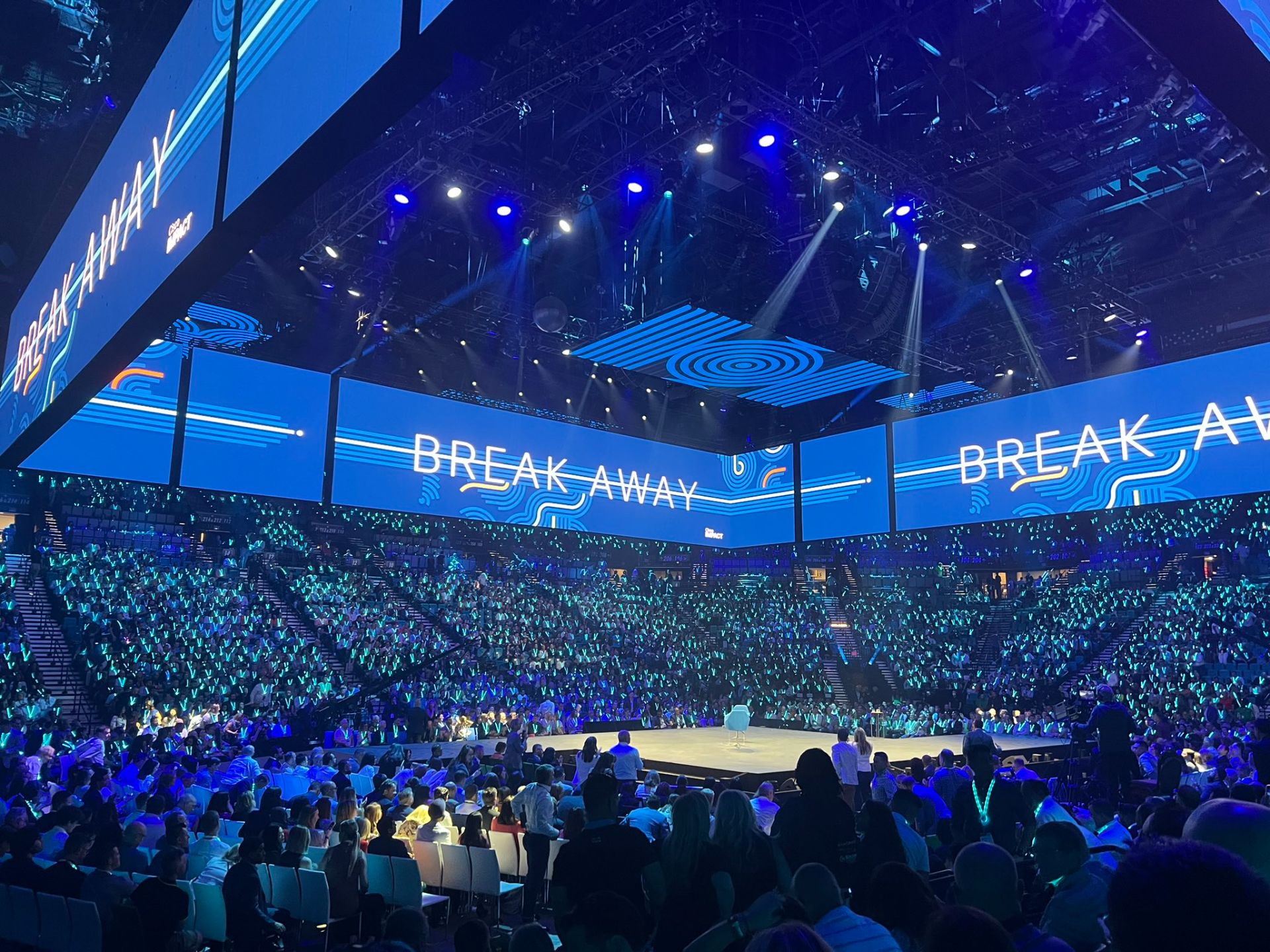
Leadership in the world of touring, production, and creative agencies is a unique crucible. It’s a discipline forged in the high-stakes environment of opening night, the logistical labyrinth of a global tour, and the unforgiving physics of the bottom line. Unlike leadership in more conventional industries, the product is ephemeral—a moment, an emotion, a collective memory. The process, however, is anything but.
It demands a rare and potent blend of logistical mastery, creative intuition, and profound human insight. You are not merely managing a team; you are orchestrating a complex, multi-disciplinary collaboration between artists, technicians, marketers, and managers. You are the conductor of an orchestra where the instruments are light, sound, story, and human energy. The stakes are immense, and the margin for error is zero.
From the tour manager navigating the complexities of freight and customs for a stadium tour to the creative director translating an artist’s nascent idea into a breathtaking visual spectacle, the core challenge is the same: to hold a clear vision and inspire a diverse group of specialists to execute it flawlessly.
The Three Pillars of Modern Event Leadership
In our work with some of the world’s most ambitious productions, from global music tours with artists like Maluma and Wizkid to iconic broadcasts like the Eurovision Song Contest, we’ve observed a consistent pattern among the most effective leaders. Their success rests on three foundational pillars.
1. The Clarity of Vision (The ‘What’ and the ‘Why’)
Every truly great live experience begins with a powerful, unifying idea. It is the leader’s primary responsibility to first define and then relentlessly communicate this vision. It’s not enough to say, “We’re putting on a show.” The visionary leader asks: What story are we telling? What feeling do we want the audience to leave with? Why does this moment matter?
This clarity becomes the North Star for every subsequent decision. When a lighting designer chooses a color palette, a marketer crafts a campaign, or a production manager sources a vendor, they are all aligning their work with that central creative thesis. This is how you transform a collection of disparate elements into a cohesive, immersive world.
A powerful vision is not just a creative brief; it is an operational tool. It simplifies complex decisions and empowers your team to act autonomously, confident that they are all building toward the same goal.
2. The Architecture of Trust (The ‘Who’ and the ‘How’)
A vision, no matter how brilliant, is powerless without a team capable of executing it. The modern event leader is an expert architect of teams. This goes beyond simply hiring the best talent; it’s about creating an environment of psychological safety and radical trust. When you’re asking people to innovate under pressure, they must feel secure enough to take creative risks, voice concerns, and even fail without fear of reprisal.
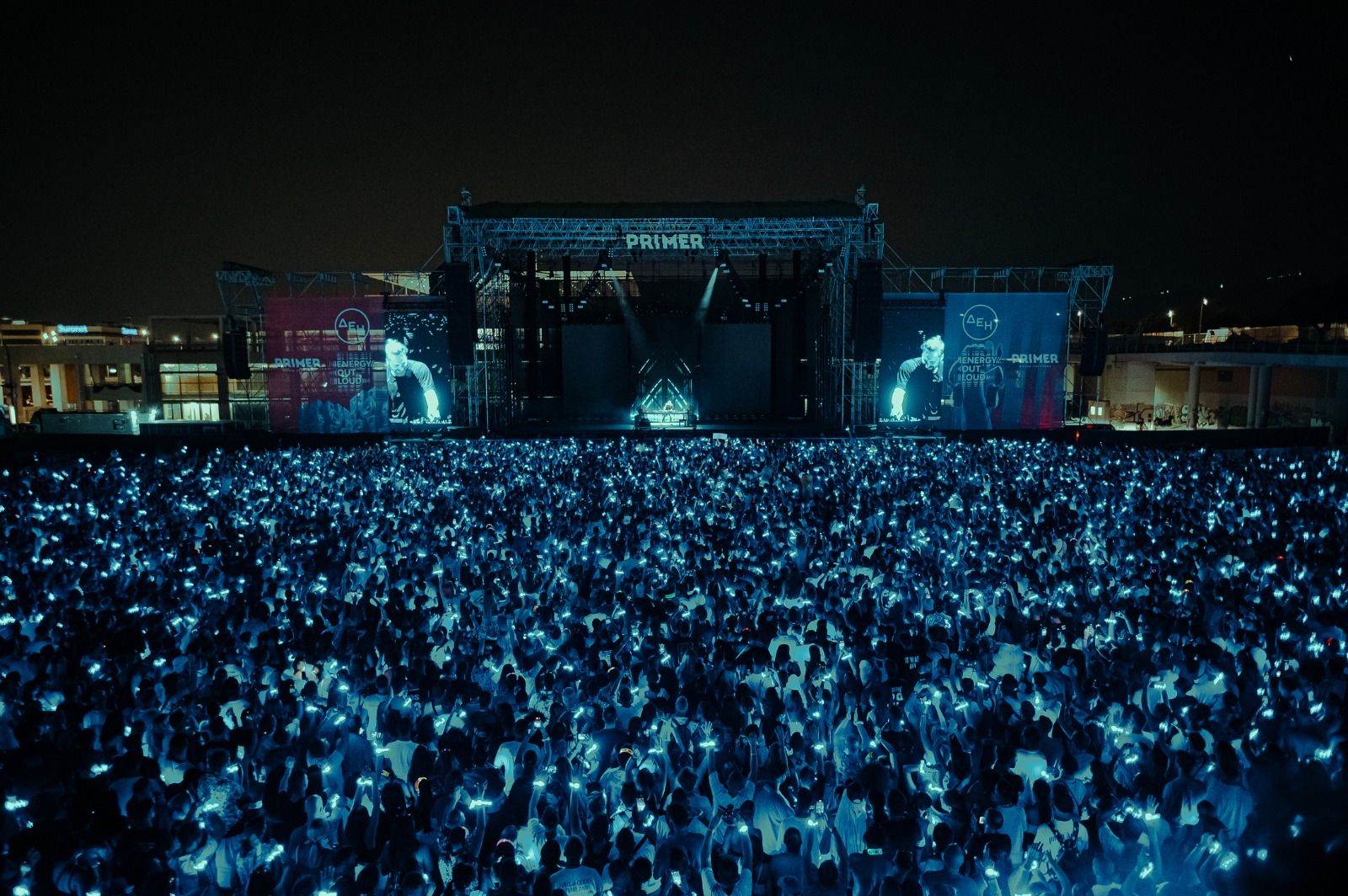
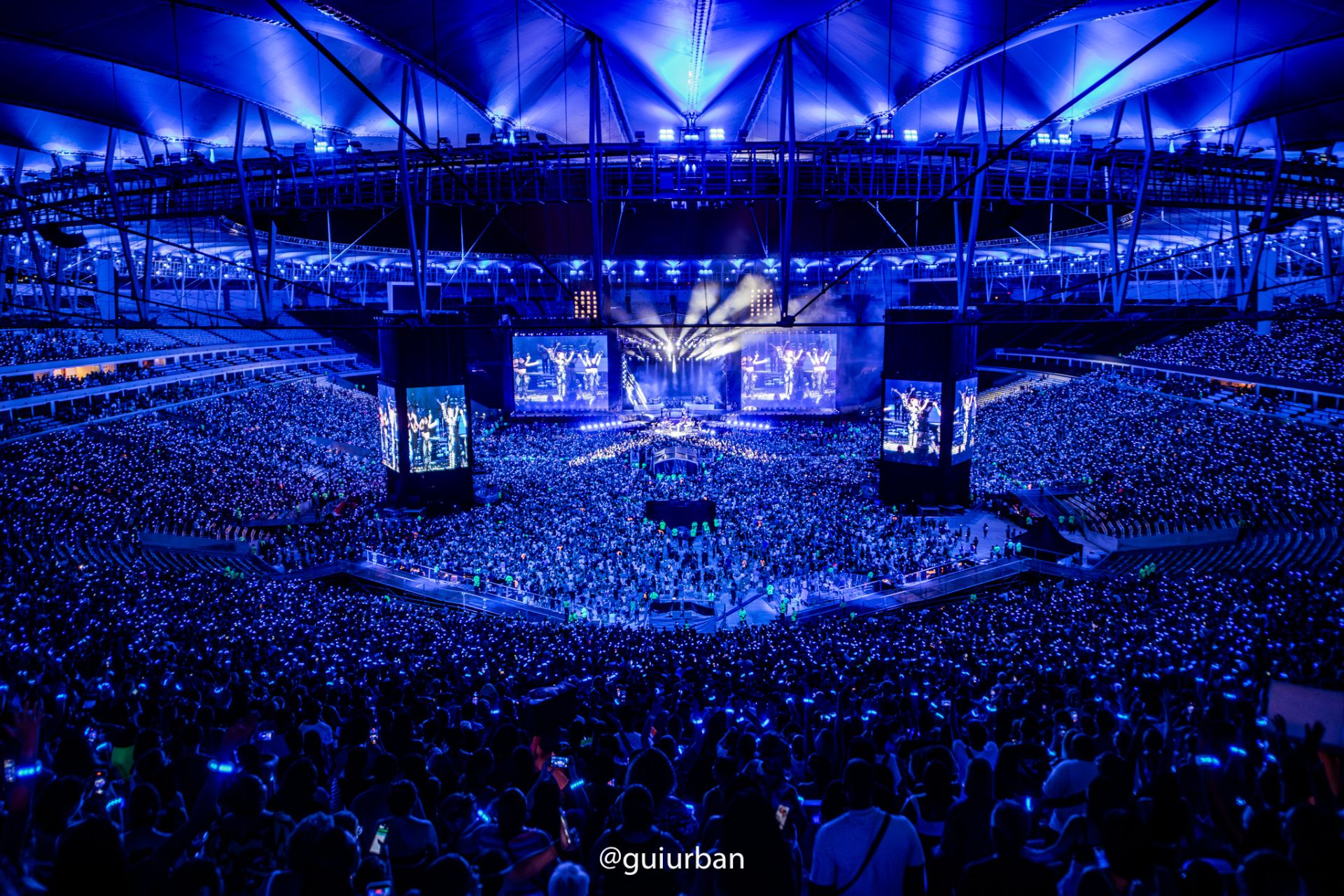
Consider the intricate collaboration required for large-scale corporate event activations or the technical precision needed to deploy radio controlled LED wristbands across a stadium. It requires a seamless partnership between the creative team, the technical operators, and the on-the-ground crew. This level of synchronization is impossible without trust.
Leaders build this trust through:
- Delegation with Autonomy: Empowering specialists to own their domains. You hire experts for a reason; let them be experts.
- Transparent Communication: Ensuring that information flows freely across all departments. When the lighting crew understands the broadcast team’s needs, the entire production is elevated.
- Shared Accountability: Celebrating wins as a team and, more importantly, addressing challenges without blame. The focus is always on the solution, not the source of the problem.
3. The Engine of Resilience (The ‘What If’)
In live production, something will always go wrong. A piece of gear will fail. A flight will be delayed. The weather will turn. The amateur sees these as disasters; the professional leader sees them as inevitable variables to be managed. Resilience is not about avoiding failure; it’s about building systems and a team culture that can absorb shocks and adapt in real time.
This means investing heavily in contingency planning—the ‘what if’ drills that separate the pros from the pack. It’s having backup systems for your backup systems. It’s cross-training crew members so they can step into different roles if needed. It is the zero-failure mindset that underpins the work of global brands from Formula One to FIFA.
This resilience also extends to the leader themselves. The ability to remain calm and decisive under extreme pressure is perhaps the most critical leadership trait of all. Your team takes their cues from you. If you panic, they panic. If you are focused and solution-oriented, they will be too. Your composure is a strategic asset.
The Human Element: Beyond the Technical Rider
Ultimately, leadership in this industry is a deeply human endeavor. You are managing people’s energy, their creativity, and their well-being, often under grueling conditions. The world’s best tour and production managers understand that their first responsibility is to their people.
They know that a well-rested, respected, and properly fed crew will outperform a burnt-out one every time. They understand the immense creative value that comes from fostering an inclusive environment where different perspectives, like those of neurodivergent thinkers, are seen as a strategic advantage, not a challenge to be managed.
As we move into a new era of immersive event technology, where the audience themselves become part of the spectacle through tools like LED bands and other wearable LED technology, the role of the leader becomes even more crucial. You are no longer just managing a stage; you are managing a living, breathing environment. You are creating a human canvas.
This requires a leader who is as comfortable discussing the emotional arc of an experience as they are the technical specifications of an RF transmitter. It requires a visionary who can see the big picture, a strategist who can manage the minute details, and a humanist who never loses sight of the people—both on stage and in the crowd—who are at the heart of it all.