The Ebb and Flow: How Light and Data Are Reshaping Crowd Dynamics and Safety
The Unseen Current of the Crowd
Stand at the front-of-house tower during any large-scale event—a music festival, a stadium concert, a major sporting final—and you witness something elemental. The crowd moves not as individuals, but as a single, fluid organism. It breathes, it surges, it concentrates in one area and disperses in another. For generations, managing this living entity has been a practice in reactive containment, relying on barricades, security personnel, and elevated observation posts. It’s a methodology based on managing problems as they arise, from dangerous crushes at the front to logistical bottlenecks at exit points.
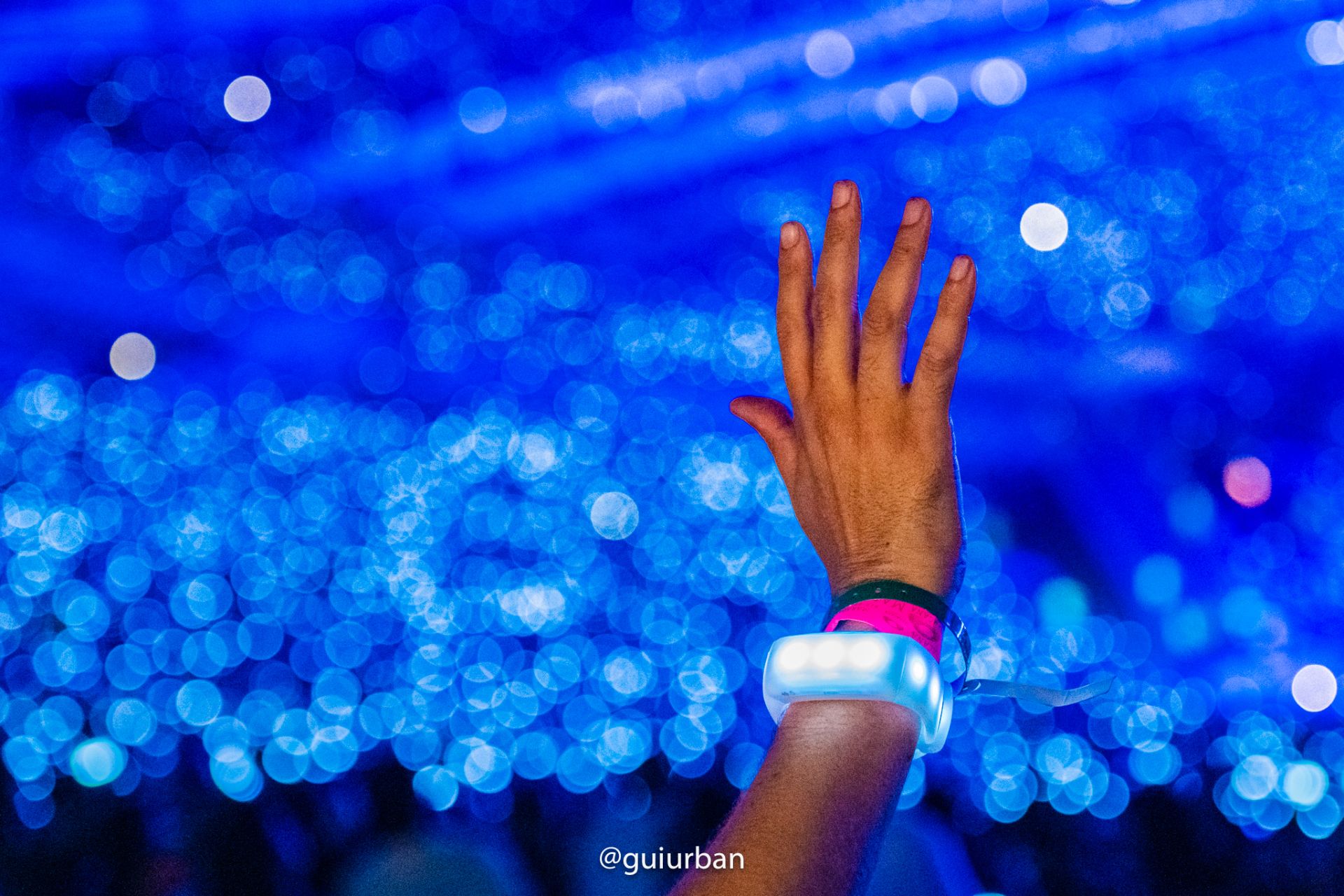
The core challenge has always been one of limited perspective. From a control tower, you see the surface of the crowd, but you can’t see the underlying currents. You lack real-time, granular data on density, flow, and potential points of friction. But what if the very technology designed to create spectacular, immersive light shows could also provide a new kind of vision? What if every point of light within the crowd also served as a sensor, mapping the audience’s pulse in real time?
From Spectacle to Situational Awareness
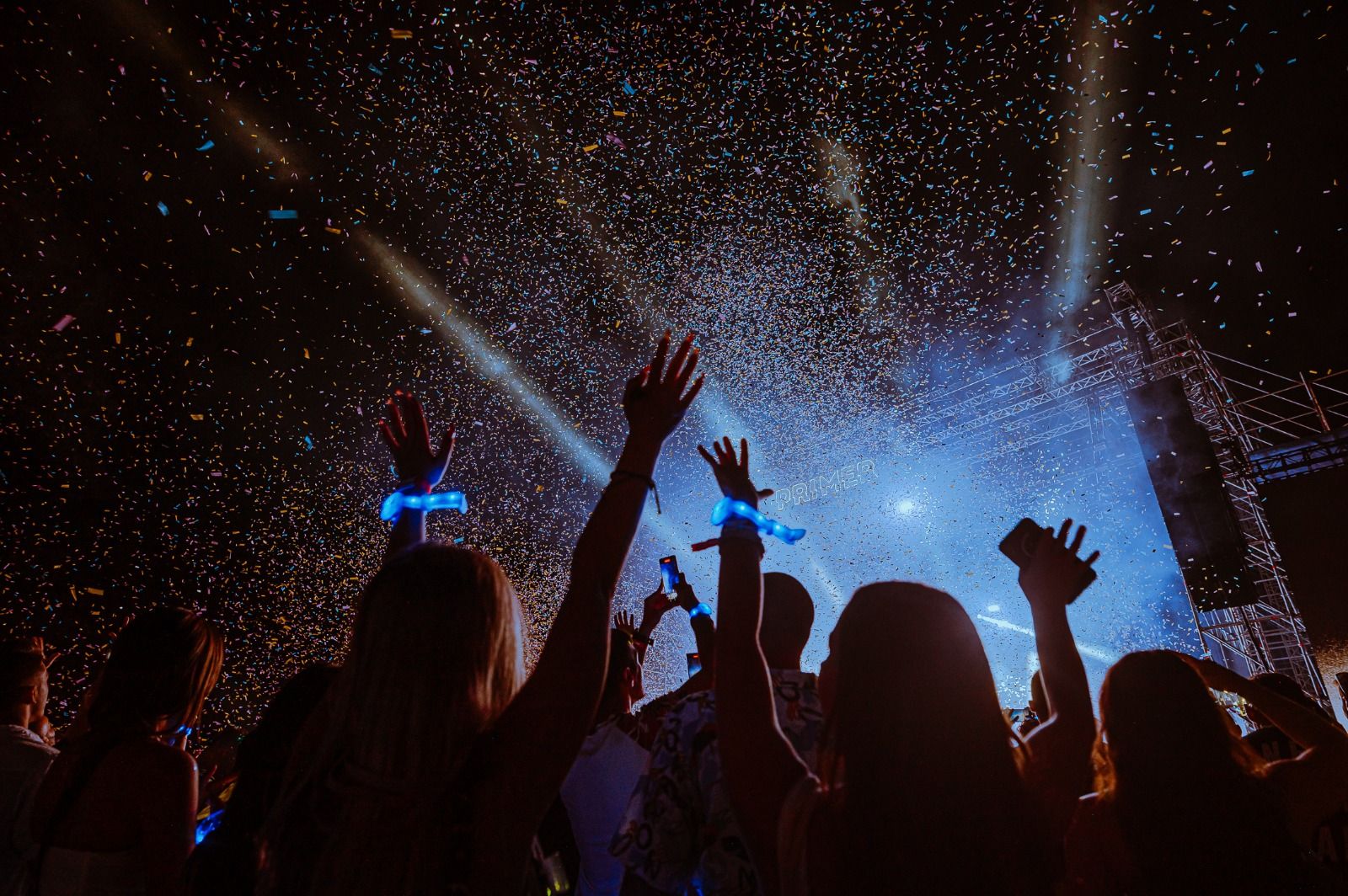
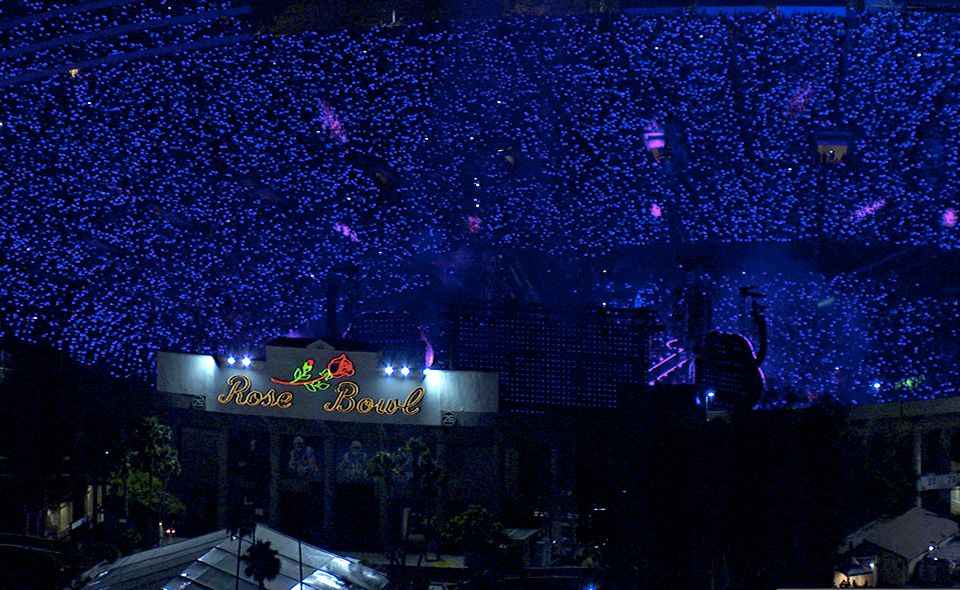
The advent of Wearable LED Technology has fundamentally changed the relationship between the audience and the production. With systems like Xylobands, every attendee becomes a pixel in a vast, interactive canvas. The primary function is, of course, creative—to forge moments of collective effervescence, uniting tens of thousands of people in a synchronized dance of light. This is the foundation of modern LED Crowd Experiences.
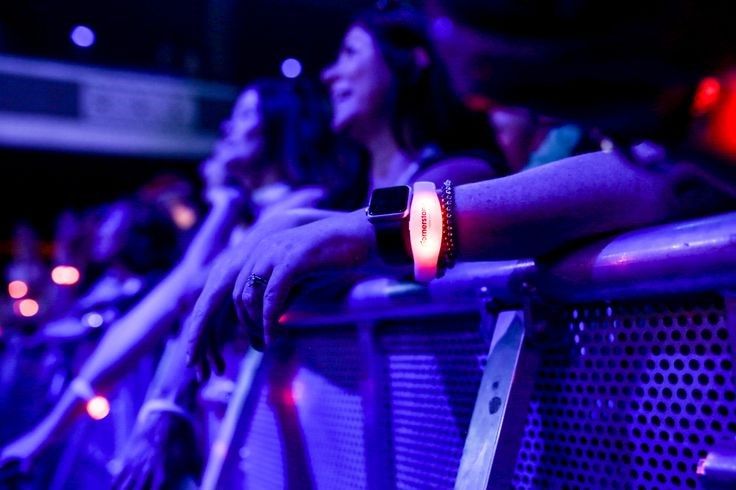
However, the underlying infrastructure that powers these experiences—the network of radio-frequency transmitters and intelligent, location-aware wristbands—holds a secondary power that is revolutionizing event management. The same RF system that tells a specific block of Concert Wristbands in an arena’s upper deck to turn blue can also provide an anonymized, aggregate understanding of crowd density in that same section. It doesn’t track individuals, but it does reveal the macro dynamics of the collective. It transforms a sea of faces into a living, color-coded map of presence and movement.
The Power of a Real-Time Data Layer
Imagine a festival site with multiple stages and attractions. Traditionally, understanding foot traffic has relied on manual counts or anecdotal reports. With a network of Radio Controlled LED Wristbands, event producers gain a powerful new layer of data. By zoning the event space within the control software, operators can see which areas are becoming dangerously overcrowded and which are underutilized, all in real time.
This capability offers tangible benefits:
- Ingress and Egress Management: At the end of a show, instead of all attendees funnelling towards the most obvious exits, the system can identify congestion points. This allows staff to redirect flow, or even use the wristbands themselves to create visual cues, lighting up a path towards a less-crowded egress route.
- Dynamic Staff Deployment: A sudden, high concentration of wristbands in a specific, non-performance area could indicate anything from a popular merchandise tent to a medical emergency. The data provides an instant, non-verbal alert, allowing security or medical teams to be dispatched proactively, often before a situation escalates.
- Enhanced Safety Protocols: In an emergency evacuation, the wristbands can become a powerful tool for communication, pulsing with a universal color or flashing in sequences that direct people towards safe zones, cutting through the noise and confusion of a panicked environment. This is a critical evolution for Immersive Event Technology.
Guiding with Light: The New Standard in Crowd Flow
The goal is not to automate safety, but to augment the situational awareness of the highly skilled people responsible for it.
This data-driven approach moves crowd management from a philosophy of containment to one of guidance. At large-scale events, from sporting spectacles like the Davis Cup or Formula One to multi-day Festival Wristbands deployments at events like Primer music festival, the ability to subtly influence crowd flow is invaluable. You are no longer just reacting to human behavior; you are gently shaping it with streams of light.
For example, if the area around a primary food vendor court becomes a bottleneck, a soft, color-based effect could be initiated on the periphery, drawing attention towards a less-congested secondary area. It’s a non-intrusive, almost subconscious form of communication that enhances the guest experience while simultaneously improving safety and operational efficiency. It turns a potential problem into a seamless, managed flow.
The Sentient Space: A Safer Future for Live Events
The technology that began as a way to unite fans during a Coldplay anthem has evolved into one of the most significant advancements in event safety and logistics. By treating the audience not as a mass to be controlled but as a network to be understood, we can create smarter, safer, and more responsive event spaces. The light show has become a data stream; the spectacle has become a safety net.
This is the future of large-scale gatherings: sentient environments where the LED Event Technology used for creative expression also serves as a silent guardian. It’s a future where the ebb and flow of the crowd is not a source of anxiety, but a well-understood dynamic, managed with a gentle hand and the guiding power of light. The result is more than just a stunning show; it’s a safer, more intelligent, and profoundly more human experience for everyone involved.